TQC Micromotor TQC Micromotor

How to Choose the Right Stepper Motor for Your Project?

Time:2026-08-27 Author:Mason
0%

Choosing the right stepper motor for your project can be a daunting task. Experts, like Dr. John Smith, a renowned engineer in the stepper motor industry, emphasize the importance of precision. He once said, "Selecting a motor based on only power ratings can lead to inefficiencies."

Stepper motors are versatile devices often used in various applications. They offer accurate control over movement, making them ideal for robotics, CNC machines, and 3D printers. However, not all stepper motors are created equal. Understanding different specifications is crucial to match the motor's capabilities with your project's needs.

In practice, many users overlook critical factors such as torque, stepping angle, and driver compatibility. Reflecting on these details can impact performance. For example, improper torque settings might lead to missed steps, while incorrect drivers can result in overheating. Keep these aspects in mind, as choosing the right stepper motor requires careful consideration and sometimes, a bit of trial and error.
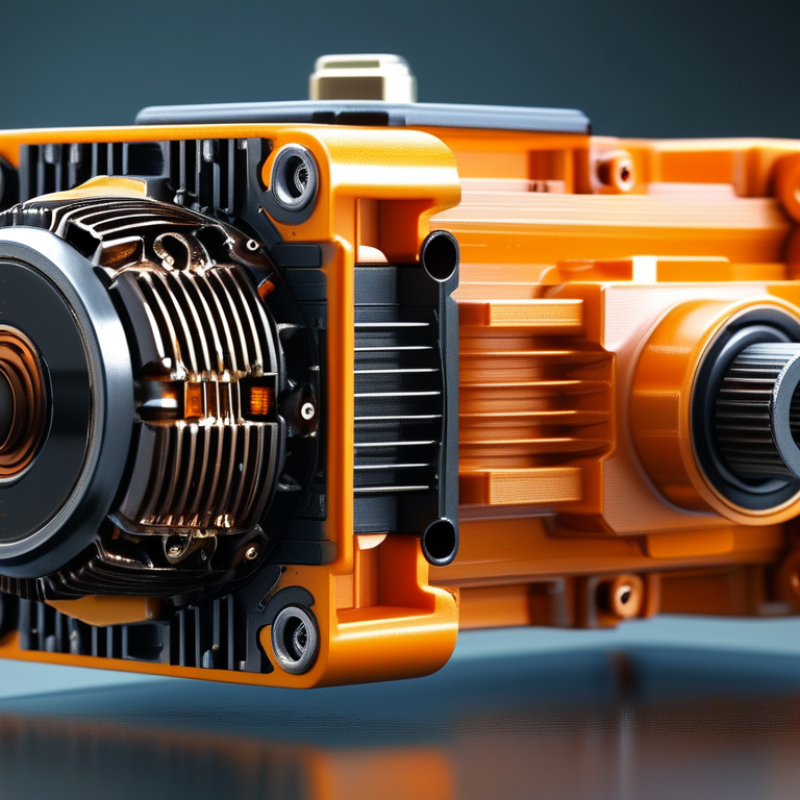
How to Choose the Right Stepper Motor for Your Project?

Understanding Stepper Motors: Types and Their Applications

Stepper motors are widely used in various applications due to their precision and control capabilities. Understanding the types of stepper motors can significantly influence project outcomes. There are primarily two types: permanent magnet and hybrid stepper motors. Permanent magnet motors offer good torque at low speeds, making them suitable for 3D printers. Hybrid motors combine the best features of both permanent magnet and variable reluctance designs, providing higher precision and torque.

In many projects, selecting the right stepper motor is crucial. The torque requirements will vary. A common oversight is not considering the load that the motor will manage. Matching the stepper motor to the application’s needs is essential. Sometimes, users overlook the power supply and its role in motor performance. An inadequate power source can lead to less efficiency and potential stalling.

Environmental factors also play a role. When using stepper motors outdoors, moisture and dust can affect performance. Testing in varied conditions allows for better understanding and adjustments. It’s not uncommon for initial choices to underperform. Learning from trial and error is part of the design process. Adapting choices based on real-world feedback can yield improved results. Exploring motor options means balancing specifications and practical needs.

Key Specifications to Consider When Selecting a Stepper Motor

Choosing the right stepper motor involves understanding key specifications that align with your project. One crucial factor is the motor's torque. High torque is necessary for applications like CNC machines, while low torque may suffice for 3D printers. The torque rating must be carefully matched to your load requirements. If the motor has insufficient torque, it can stall or underperform, leading to frustrations during assembly or operation.

Another important specification is step angle. Motors typically have step angles of 1.8 or 0.9 degrees. A motor with a smaller step angle provides finer control, which is essential for precise positioning. However, it might require more complex control systems. Balance is key. Make sure your control system can handle the requirements of your selected motor.

Voltage and current ratings are also critical. Higher voltage allows for faster operation, but low current may limit performance. Assess your power supply to ensure compatibility. If the motor draws too much current, it may overheat. A thorough analysis of these specifications will help you avoid common pitfalls and optimize your project's performance. Consider these aspects carefully to make an informed choice.

Stepper Motor Specifications Comparison

Load Requirements: How to Determine the Necessary Torque

When selecting a stepper motor, load requirements play a crucial role. Understanding the torque needed for your application ensures optimal performance. Torque is the measure of rotational force that a motor can provide. For most applications, it’s vital to know the minimum torque necessary to move the load efficiently.

Industry standards suggest that a motor should provide at least 1.5 times the calculated torque requirement. This extra margin accounts for unforeseen resistance. For instance, a report from the International Journal of Advanced Manufacturing Technology highlights that underestimating torque can lead to stalling and decreased performance. This means that if your application requires 1 Nm of torque, selecting a motor that can handle 1.5 Nm is advisable, especially for long-term reliability.

It’s also important to consider the load characteristics. Are you moving a consistent load, or is it variable? When dealing with high inertia loads, the torque needed will increase significantly. Engineers often overlook this, leading to inadequate motor selection. By performing a thorough analysis of the load and its behavior, you can ensure that you will not encounter setbacks during operation. It’s about striking a balance between specifications and practical application.

How to Choose the Right Stepper Motor for Your Project? - Load Requirements: How to Determine the Necessary Torque

Project Type Required Torque (Nm) Stepper Motor Type Recommended Voltage (V) Current Rating (A)
3D Printer 0.5 Bipolar 24 2.5
CNC Machine 1.2 Unipolar 12 3.0
Robotics 0.8 Bipolar 24 2.0
Textile Machinery 1.5 Unipolar 48 4.0
Automated Assembly 2.0 Bipolar 36 3.5

Control Methods: Open-loop vs. Closed-loop Stepper Systems

When selecting the right stepper motor for your project, understanding control methods is crucial. Open-loop and closed-loop systems have distinct advantages and disadvantages. Open-loop systems are simpler and more cost-effective. They require no feedback, making installation straightforward and maintenance low. However, they lack precision and can lose steps under load. Data shows that open-loop systems can have position deviations up to 5% in high-torque applications.

In contrast, closed-loop systems use feedback to monitor positions. This allows for higher accuracy and better performance under varying loads. A report from industry experts highlights that closed-loop systems can reduce position errors to less than 1%. This method compensates for external disturbances, making it suitable for intricate designs. Nevertheless, these systems come with increased complexity and higher costs.

It’s important to weigh these factors against your project’s needs. For applications requiring high precision, closed-loop systems are often worth the investment. If your project prioritizes cost, an open-loop system might suffice, but consider potential drawbacks. Think carefully about your motor's expected workload and environment before making final decisions.

Sizing Your Stepper Motor: Calculating Voltage and Current Needs

Choosing the right stepper motor is crucial for project success. Understanding the voltage and current needs is a key part of this process. Start by determining your load requirements. The weight and the type of motion you need will influence the steps per revolution. Analyze the torque needed for your application, as this will directly relate to the motor size.

It’s important to calculate the voltage needed to maintain optimal performance. Motors require sufficient voltage to overcome resistance and achieve desired speeds. Too low voltage can lead to missed steps. Measure the current through the motor coils. This ensures the motor will perform without overheating or becoming inefficient.

Keep in mind that not every project needs the highest voltage and current. Sometimes, a smaller motor can suffice. Always consider the operating environment and duty cycle. If the motor operates continuously, this could impact your current calculations. Reflect on your project demands as you make your decision. A well-suited stepper motor can enhance efficiency significantly.

FAQS

: What is torque and why is it important for stepper motors?

: Torque measures rotational force. It's crucial for applications. High torque prevents stalling and ensures efficient operation.

How do I determine the necessary torque for my application?

Calculate the load's required torque. It’s best to select a motor providing at least 1.5 times this value for reliability.

What are the common step angles for stepper motors?

Typical step angles are 1.8 or 0.9 degrees. Smaller angles offer finer control but may require complex systems.

Why should I consider voltage and current ratings?

Voltage affects speed; higher voltage allows faster operation. Too much current can cause overheating, affecting performance.

What are the differences between open-loop and closed-loop systems?

Open-loop systems are simple and cost-effective but less precise. Closed-loop systems offer better accuracy but are more complex.

What are the risks of using open-loop systems?

Open-loop systems can lose steps under load. Position deviations may reach 5%, impacting precision in demanding applications.

What should I analyze about my load characteristics?

Understand if your load is consistent or variable. High inertia loads increase torque needs, affecting motor selection.

Can I use a low-torque motor for CNC machines?

No, low torque may lead to stalling. Always match the motor's torque rating to the specific needs of your application.

What should I consider for long-term reliability with stepper motors?

Focus on appropriate torque, voltage, and control method. Underestimating any of these can cause performance issues over time.

How does external disturbance affect motor performance?

External factors can lead to position errors. Closed-loop systems help mitigate these deviations, enhancing operational accuracy.

Conclusion

When selecting the right stepper motor for your project, it's crucial to understand the various types of stepper motors and their specific applications. Each type serves different needs based on your project requirements. Key specifications, such as torque, voltage, and current ratings, play a significant role in the selection process. Determining the necessary torque involves evaluating load requirements accurately to ensure optimal performance.

Additionally, understanding the difference between open-loop and closed-loop stepper systems will guide you in choosing the best control method for your application. Finally, proper sizing of your stepper motor, by calculating voltage and current needs, ensures efficient operation. By carefully considering these factors, you can successfully integrate a stepper motor that meets your project demands.

Mason

Mason

Mason is a seasoned marketing professional with a deep expertise in the company's offerings and a passion for driving brand awareness. With a strong background in digital marketing strategies, he has an innate ability to connect with diverse audiences and effectively communicate product benefits.......