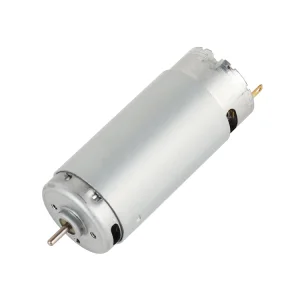
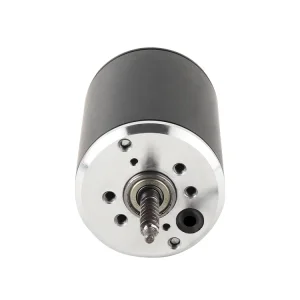
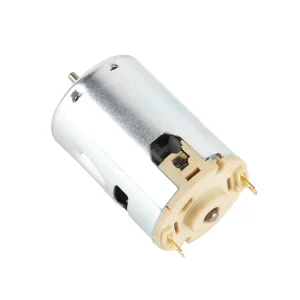
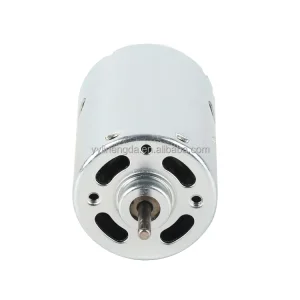
TQC Micromotor
TQC Micromotor
TQC Micromotor
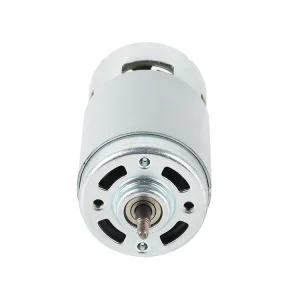
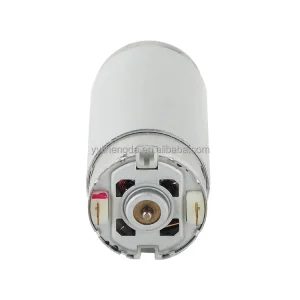
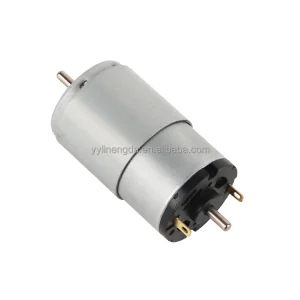
Explore our high-performance product range designed for smart home systems, automotive, medical appliances, and precise remote-controlled machinery.
At TQC Micromotor, we believe that global innovation shouldn't be limited by size. For two decades, we have dedicated ourselves to a single, relentless pursuit: designing, engineering, and manufacturing high-performance micro-drive solutions that keep modern industries moving forward. Based in China, we operate a state-of-the-art, ISO9001-certified production facility specializing in Micro DC Motors, DC Gear Motors, and Brushless DC Motors (BLDC).
The name TQC represents our foundational pillars: Top Quality & Customization. We understand that applications like smart home automation, medical devices, automotive electronics, and precision robotics demand uncompromised reliability. That is why every TQC micro motor is built with an exceptional power-to-size ratio, ultra-low noise acoustics, and an extended operational lifespan, backed by strict 100% in-house quality control and international certifications (CE, RoHS, REACH).
We don’t just supply standard hardware; we act as a strategic R&D partner. With a robust engineering team holding multiple industry patents, TQC thrives on solving complex mechanical challenges through flexible OEM/ODM custom solutions. From custom shaft configurations and custom voltage tuning to specialized bespoke gearheads, we turn your technical blueprints into high-volume, cost-effective reality.

Analyzing market dynamics, technical imperatives, and the evolution of smart actuation systems.
The global demand for remote control gear motors has experienced exponential growth, propelled by the rapid expansion of smart home infrastructures, industrial automation (IoT), medical technologies, and UAV/robotics development. Historically, remote actuation relied on bulky, standard pneumatic or hydraulic assemblies. Modern engineering, however, prioritizes micro-electromechanical architectures that offer high power density, precise torque translation, and minimal acoustic profiles.
In the industrial sphere, systems operate under harsh environmental conditions—ranging from high thermal exposure in automotive engine compartments to particulate ingress in agricultural remote spraying units. Consequently, the commercial landscape has shifted from selecting generic catalog motors to demanding specialized, application-engineered DC permanent magnet and brushless gear motors. OEMs require manufacturers to provide verified torque curves, dynamic load ratings, and long-term durability metrics (B10 lifetime values) to ensure reliable continuous performance.
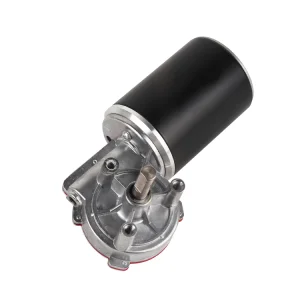
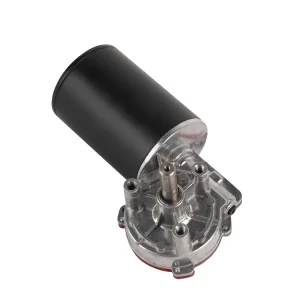
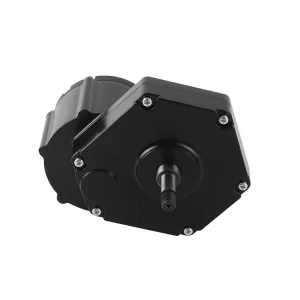
Integrating robust worm gearboxes with micro DC motors ensures self-locking safety features and high transmission reliability for AGVs, conveyor belts, and sorting machines.
Empowering automated window openers, smart door locks, motorized curtains, and robotic cleaning appliances with ultra-low vibration and silent micro-drive units.
Supplying durable micro motors for remote-controlled side mirrors, electronic parking brakes, HVAC damper controls, and trunk opening mechanisms operating over wide temp ranges.
How material science, electrification, and intelligent controls are shaping the remote control gear motor industry.
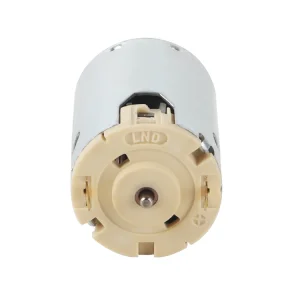
The technical progression of remote control gear motors focuses heavily on three pillars: efficiency optimization, structural integration, and digital feedback. The standard brushed DC motor remains the workhorse for cost-sensitive, high-torque applications where discontinuous operation is common (e.g., occasional valve adjustment, remote lock activation). However, to transition towards systems requiring continuous duty cycles and high operational lifespans, we are actively developing advanced BLDC (Brushless DC) configurations.
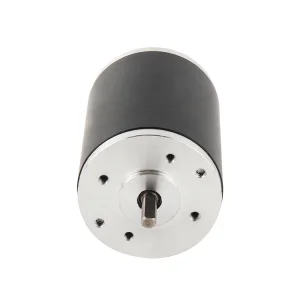
In BLDC architectures, electromagnetic commutation replaces mechanical carbon brushes, eliminating friction losses and electrical arcing. Furthermore, by coupling BLDC motors with high-precision planetary gearheads, we achieve exceptional torque multiplication with minimal backlash. Future systems will feature integrated micro-encoders and intelligent driver controllers directly on the motor frame, enabling remote monitoring of temperature, current draw, and absolute positioning over industrial fieldbuses (CAN, Modbus, or wireless protocols).
By leveraging advanced helical gear configurations and synthetic lubrication formulations, modern DC gear motors can achieve mechanical efficiency exceeding 85% in ultra-compact form factors. Additionally, self-locking worm gearbox models (such as TQC's JW6490 and JW6480 series) completely eliminate the need for external power-consuming electromagnetic brakes, optimizing overall system power budgets.
Utilizing high-strength sintered metal, powder metallurgy, and reinforced engineered plastics to optimize gear load capacity and minimize wear under high starting torque.
Optimizing aluminum alloy housing design and custom rotor ventilation pathways to prevent thermal runaway and maintain high torque-output efficiency in sealed enclosures.
Embedding magnetic and optical encoders alongside communication ICs directly inside the motor endcap to enable sub-degree precision feedback control.
Why sourcing from leading Chinese micro-drive clusters offers unmatched scaling, speed, and cost efficiency.
China is the world's most robust ecosystem for micro-motor manufacturing, centering around the Yangtze and Pearl River Deltas. Sourcing from top factories like TQC Micromotor grants international OEMs direct access to this integrated cluster. Rather than dealing with fragmented component shipping, we source raw copper wire, high-grade NdFeB permanent magnets, steel gear hobbing, and die-casting parts locally. This vertical integration keeps material transport costs low and ensures quick turnaround times for custom tooling.
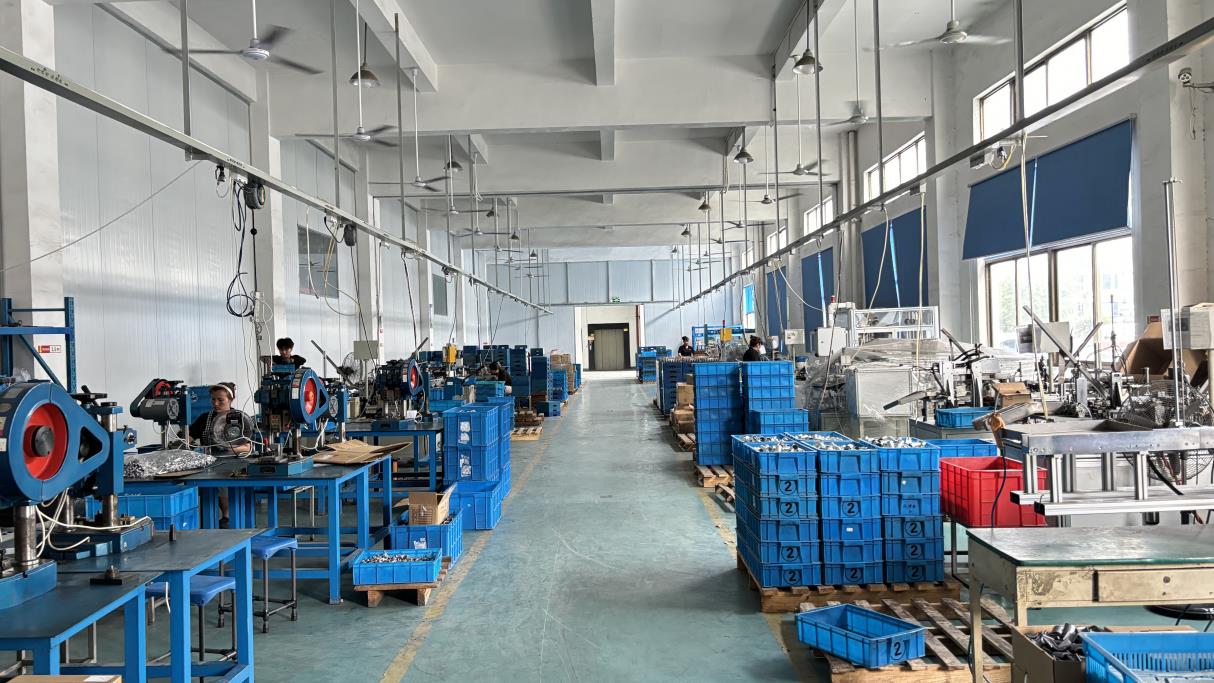
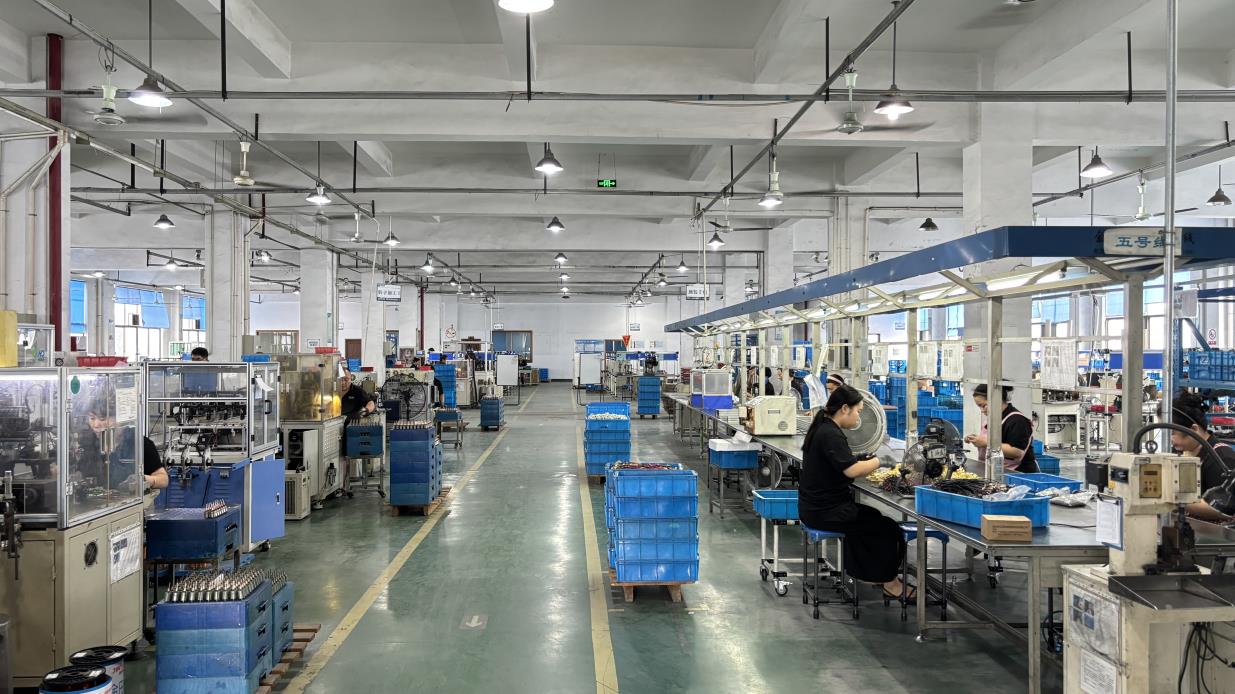
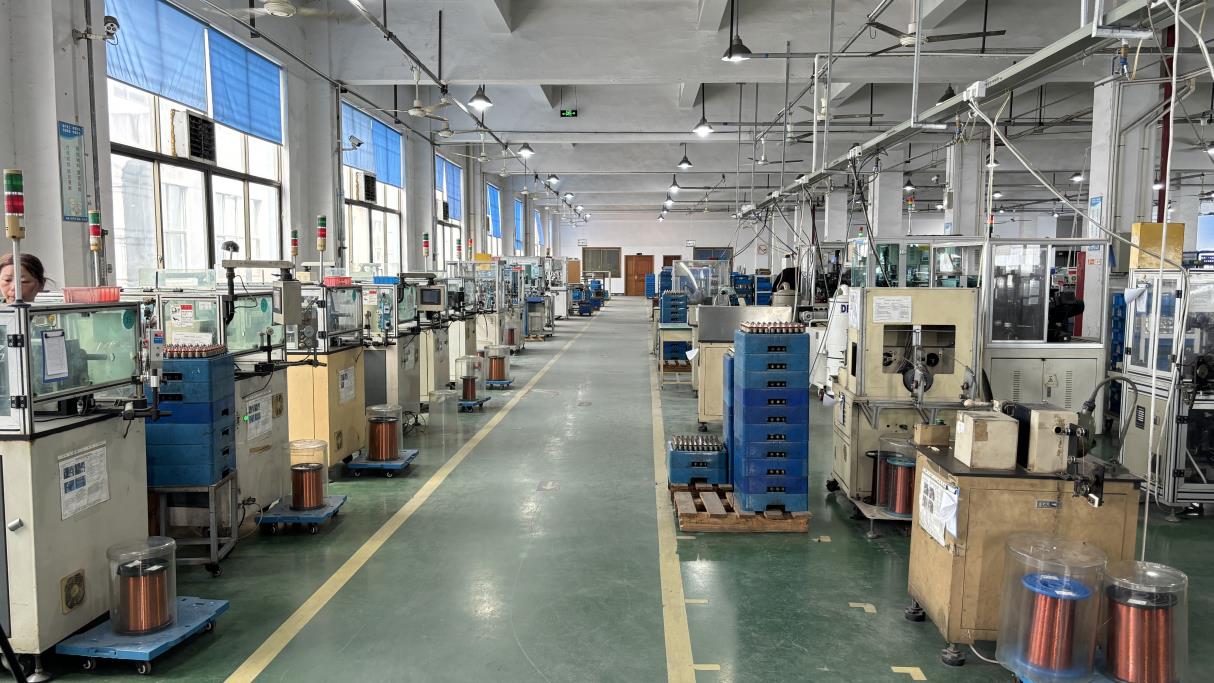
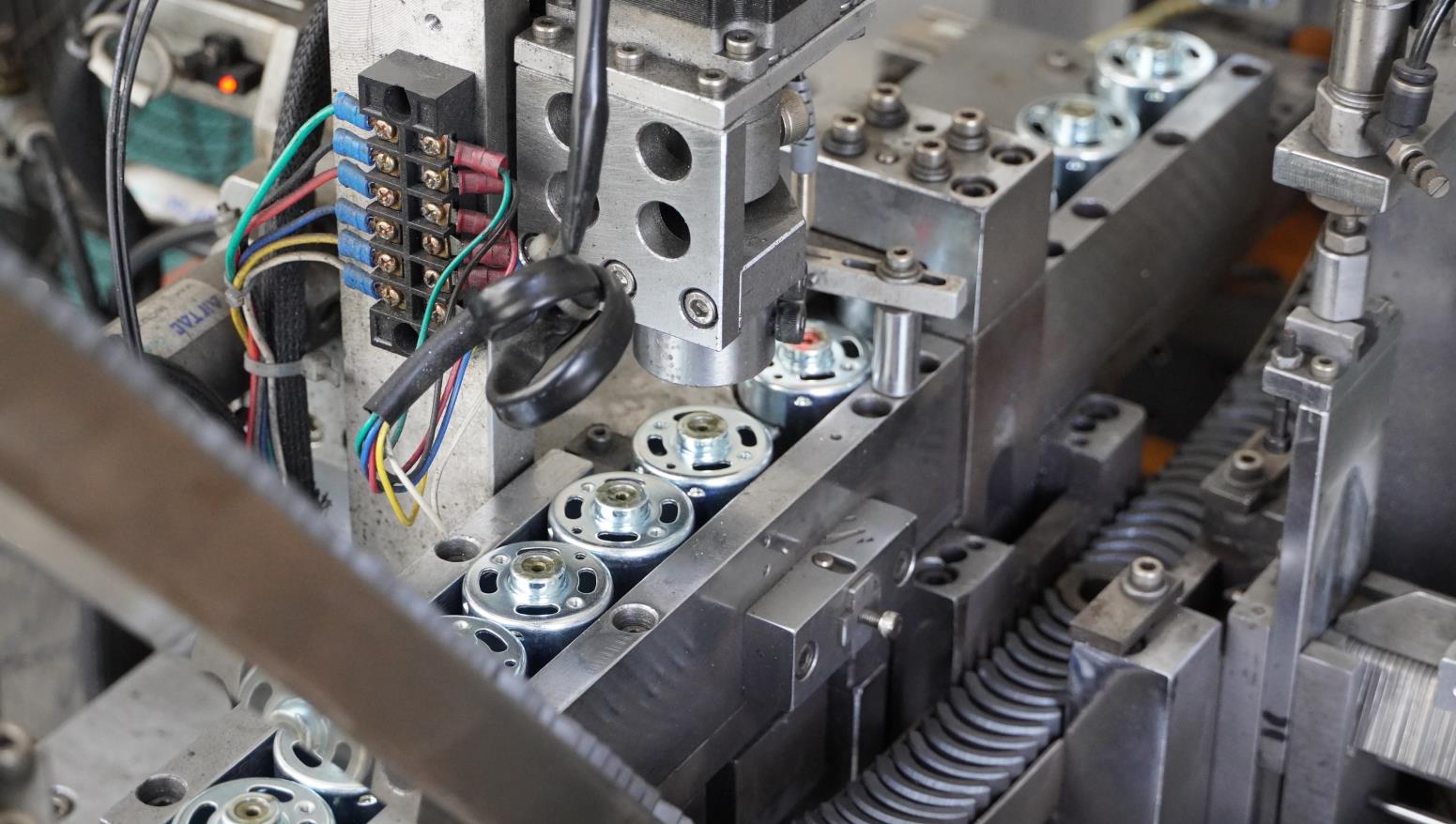
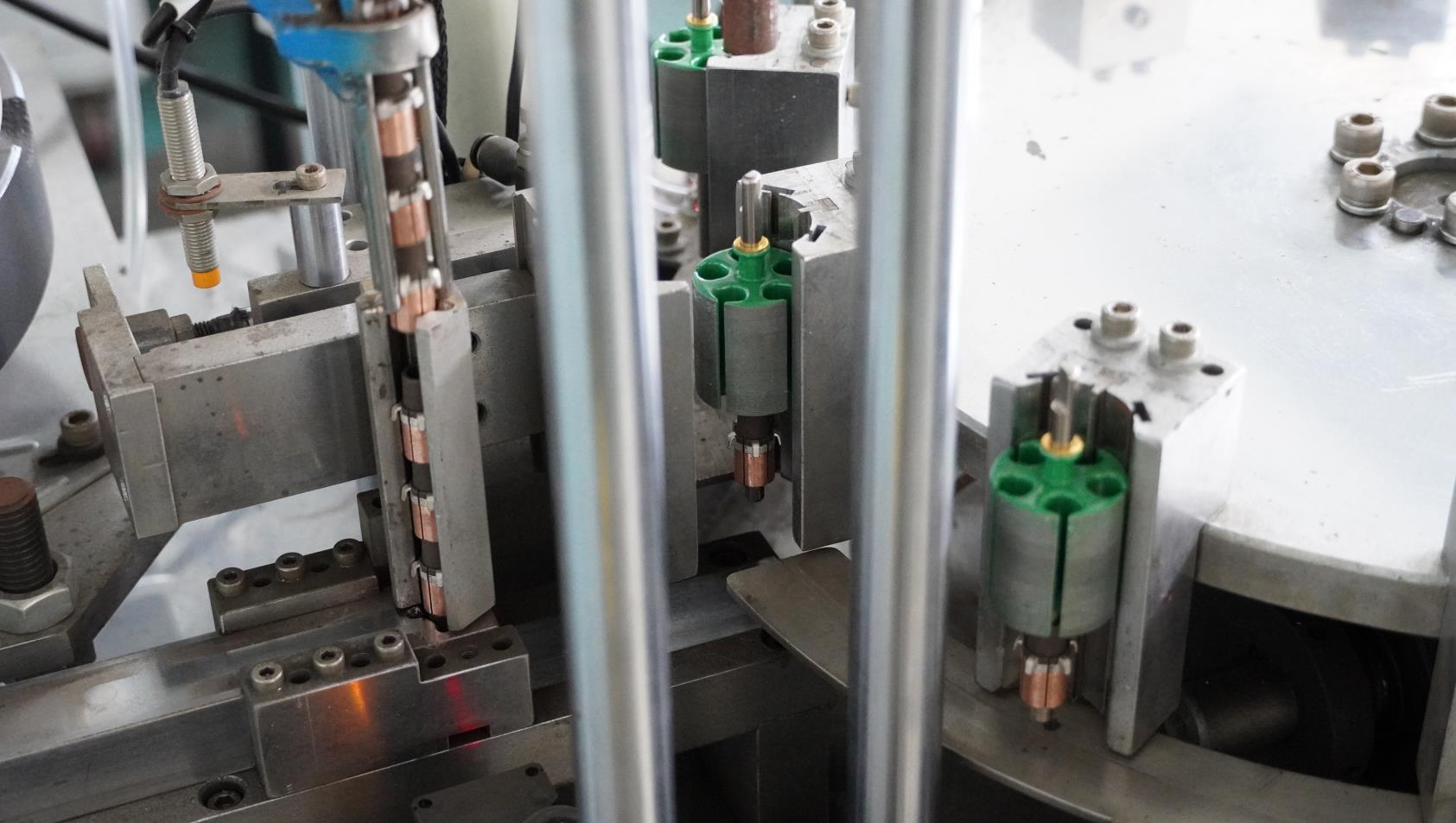
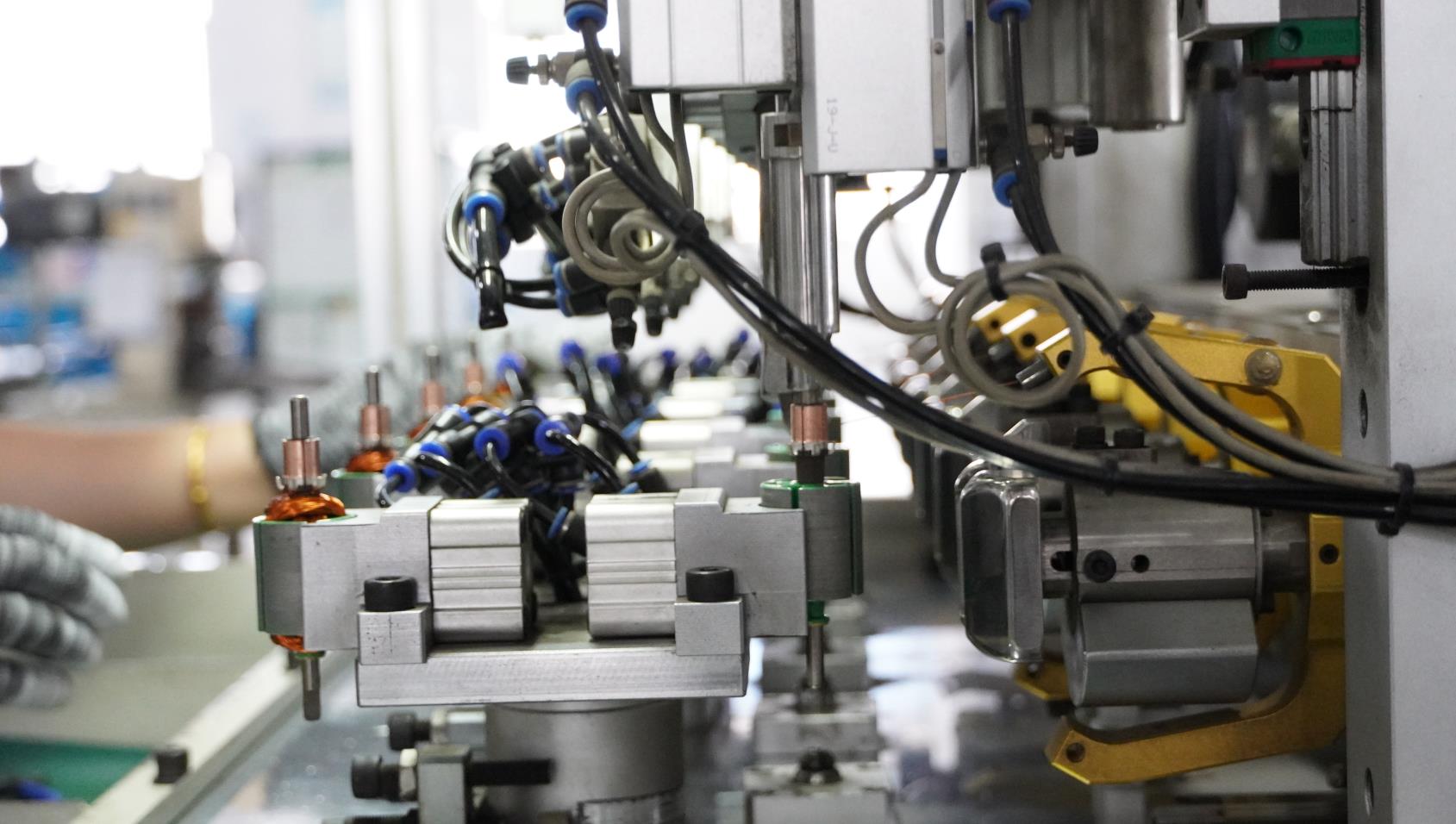
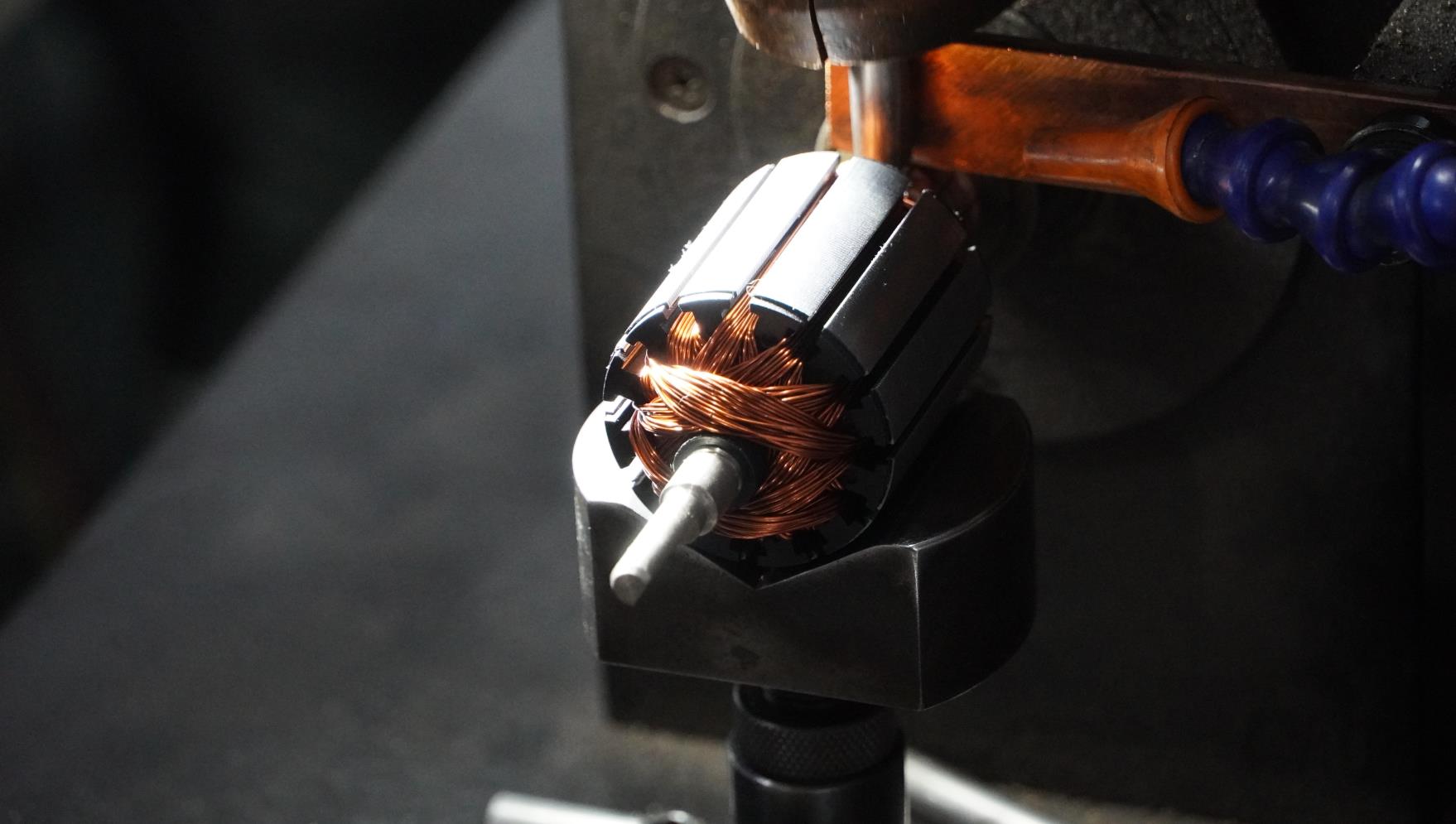
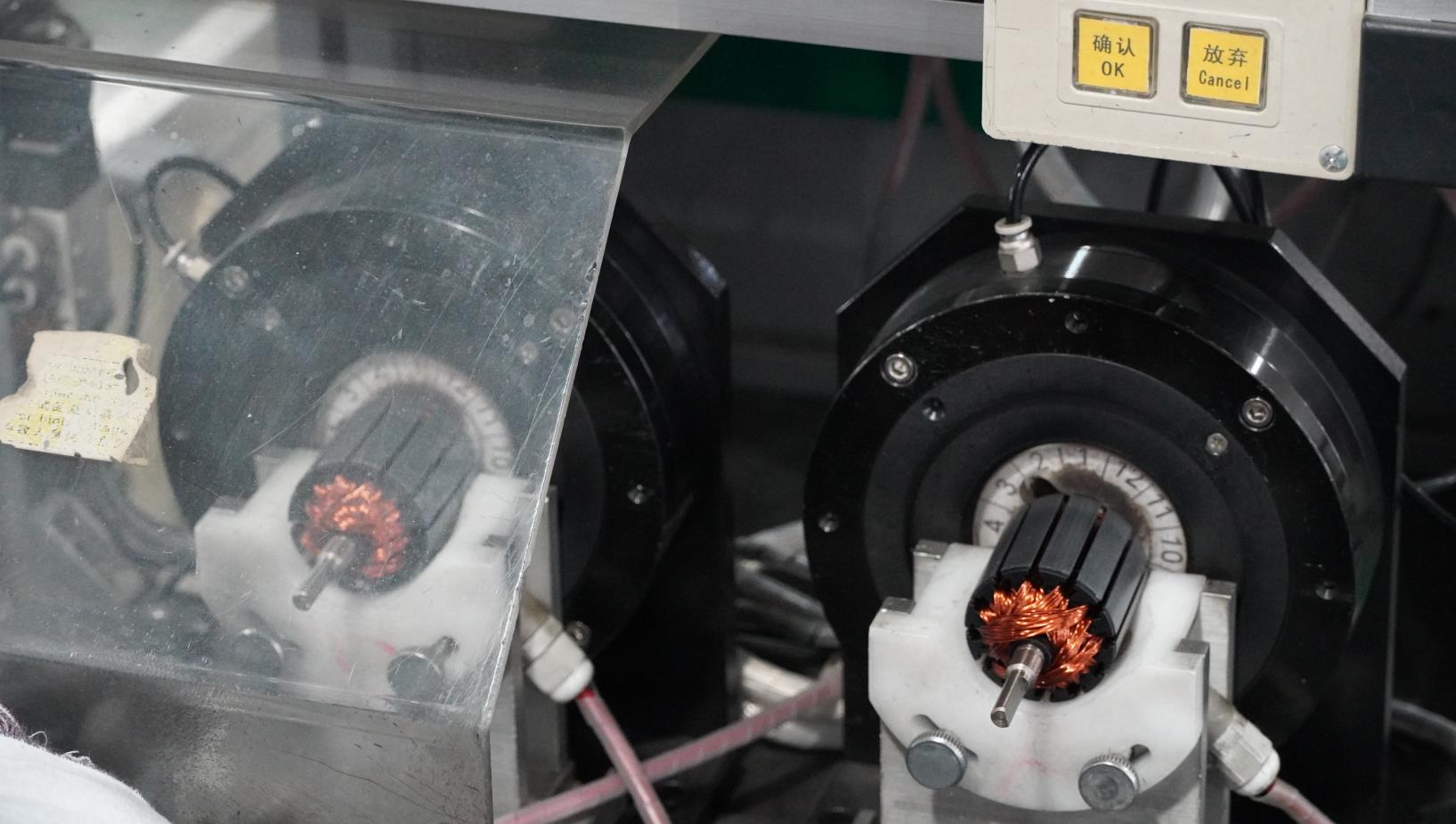
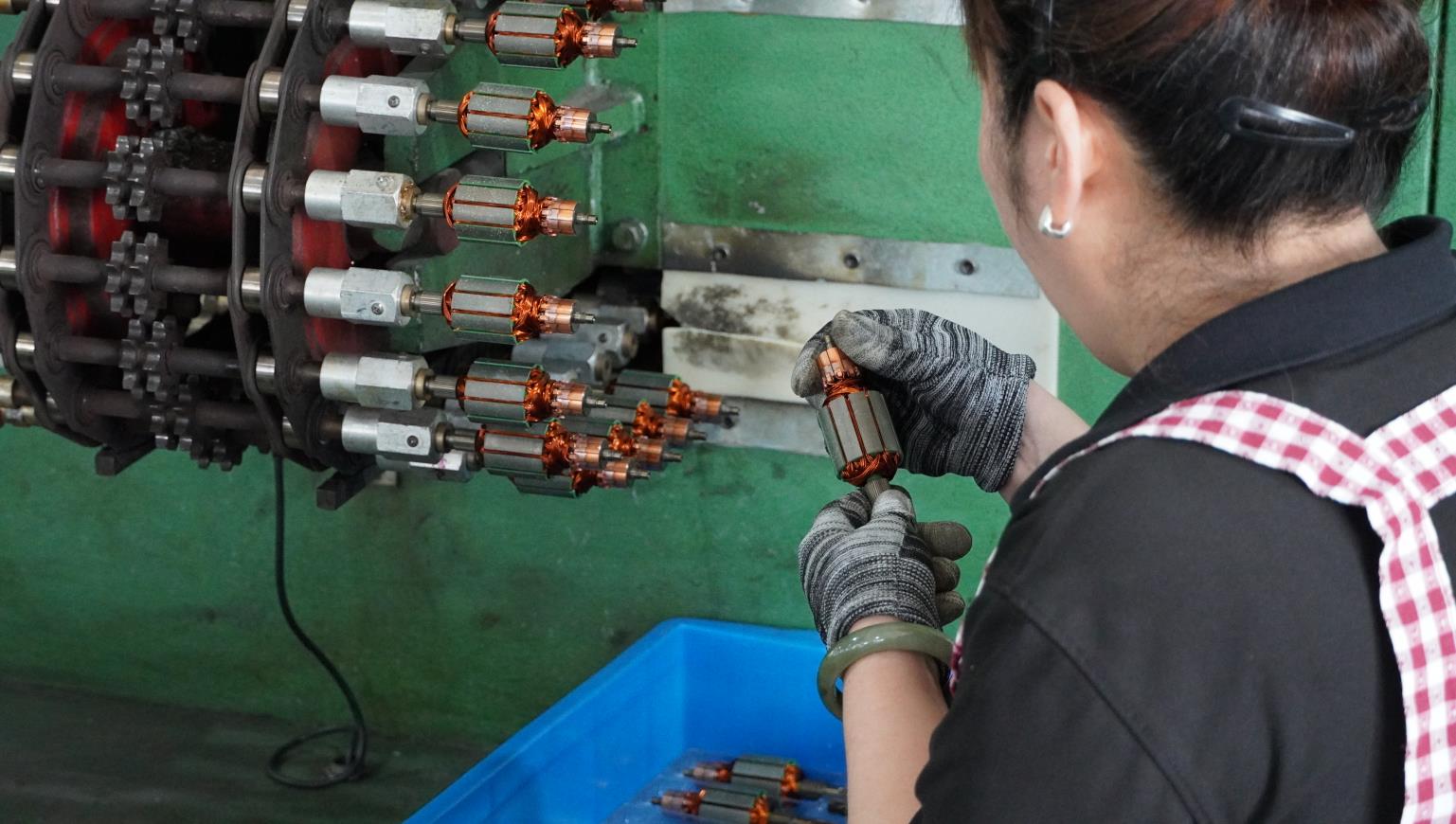
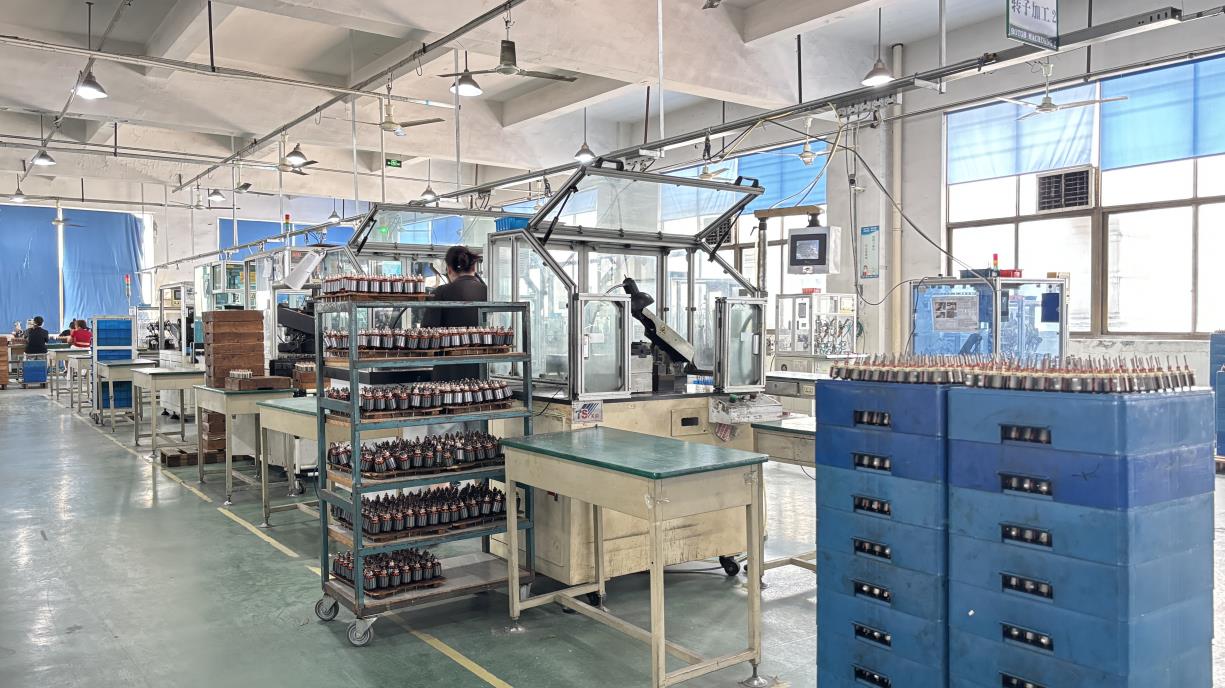
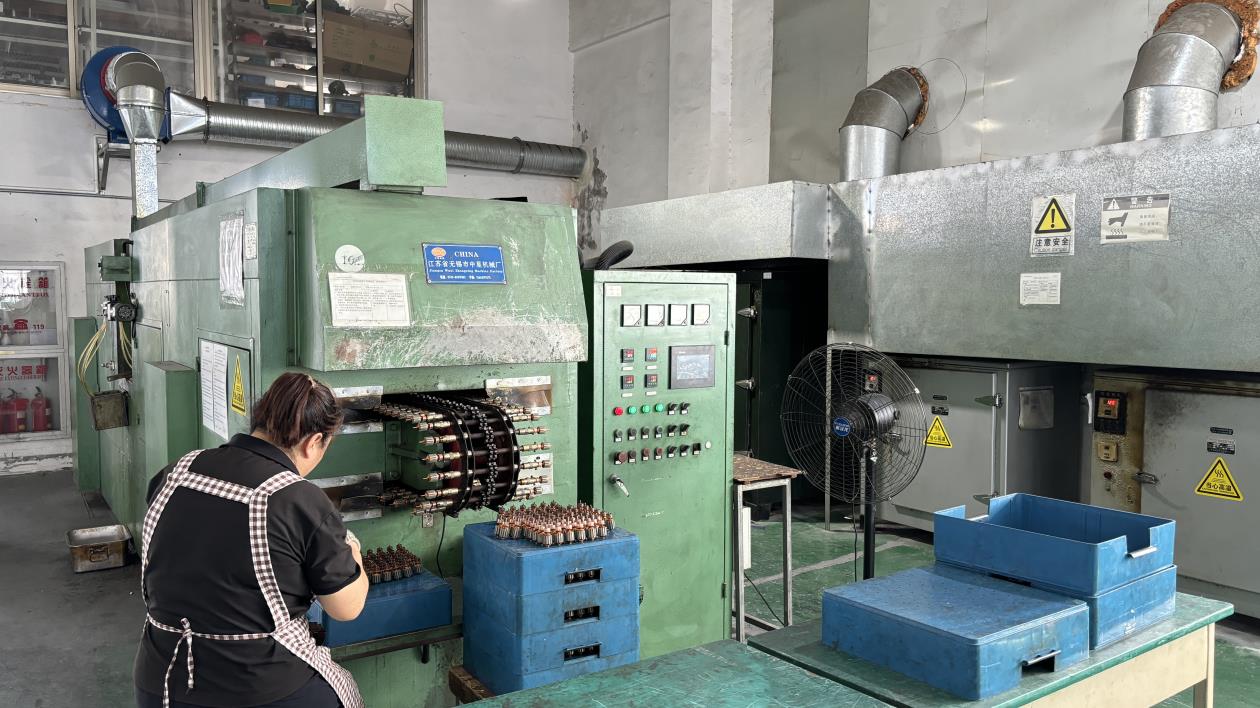
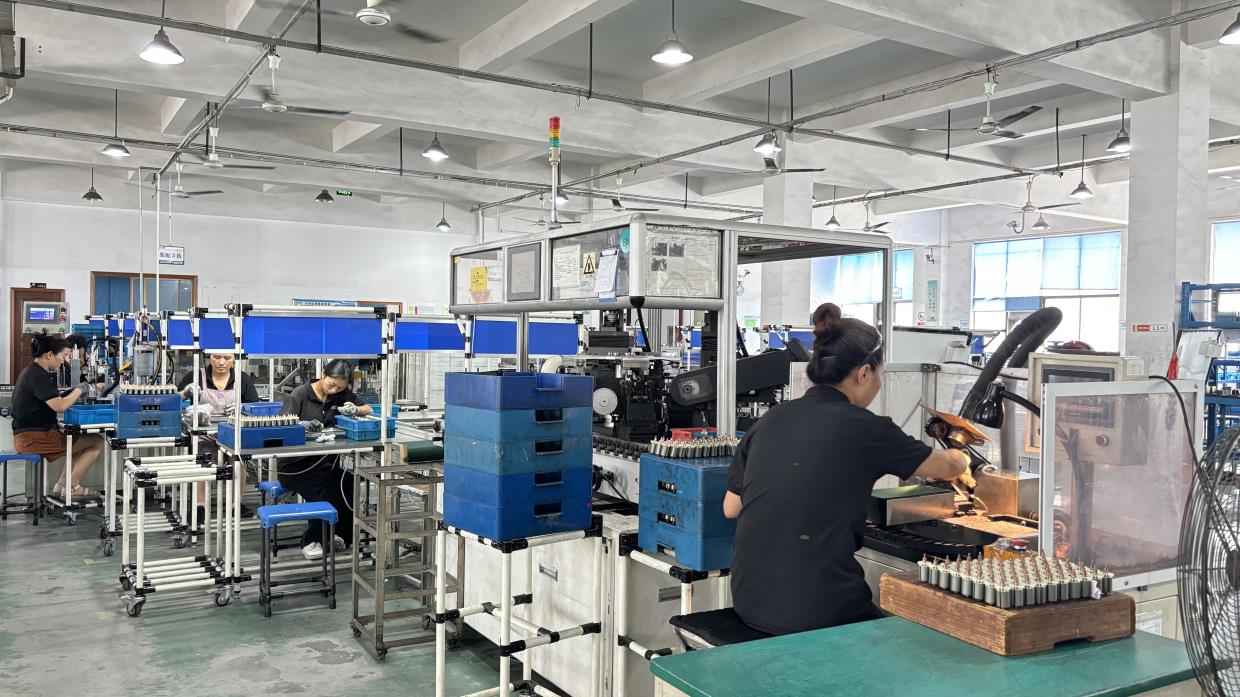
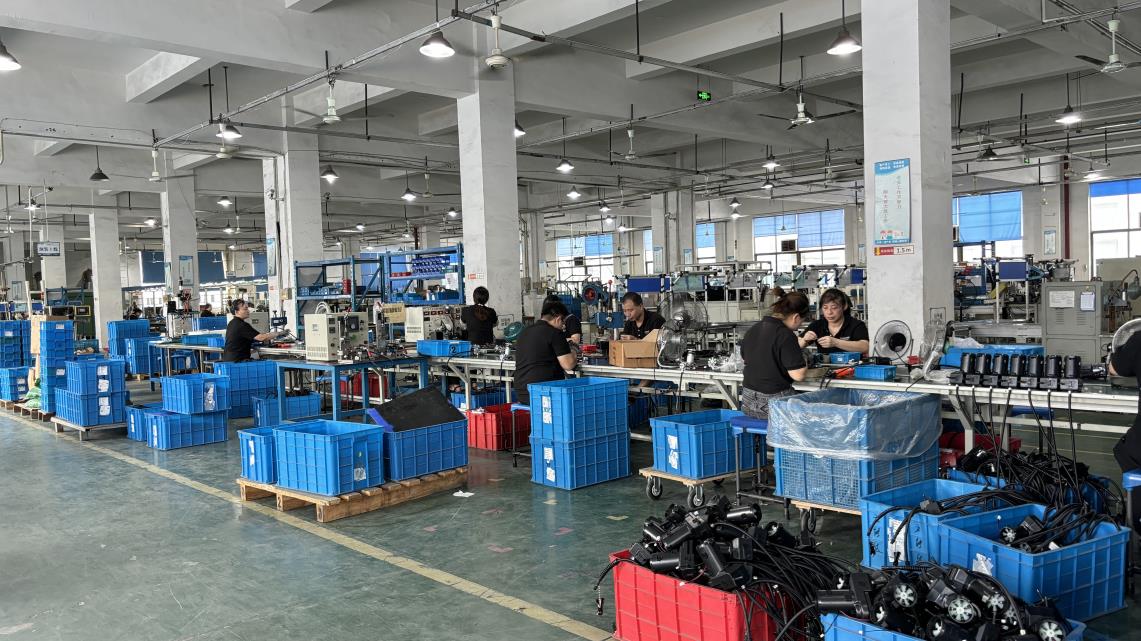
Our ISO9001-certified facility uses automated rotor winding, CNC machining, commutator assembling, and automated drip painting machines to maintain consistent quality across high-volume production runs. This balance of advanced manufacturing and local supply chains ensures TQC remains resilient against global shipping disruptions, offering reliable lead times and cost efficiency.
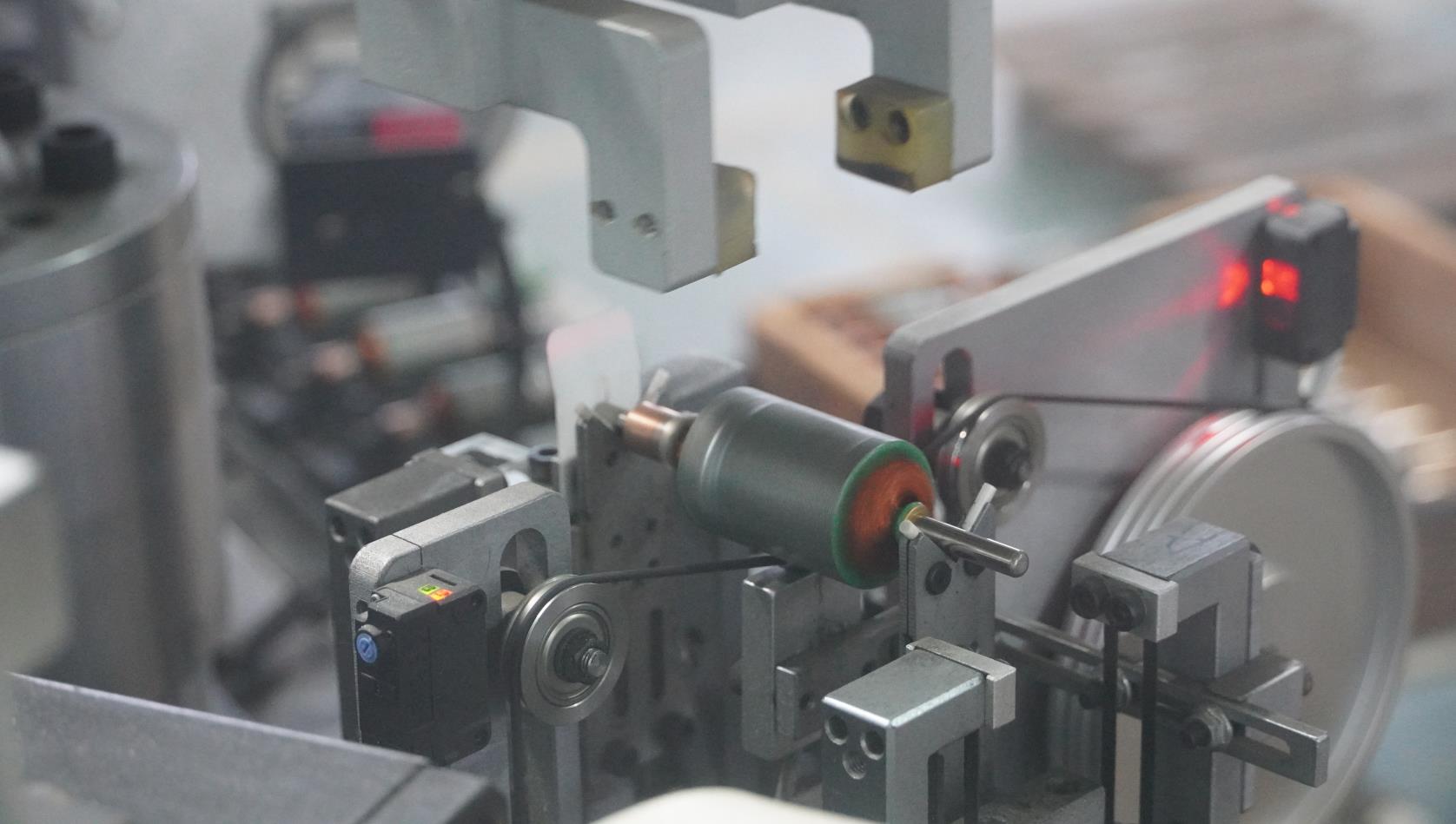
A pictorial walkthrough of TQC Micromotor's advanced manufacturing and quality testing workflows.
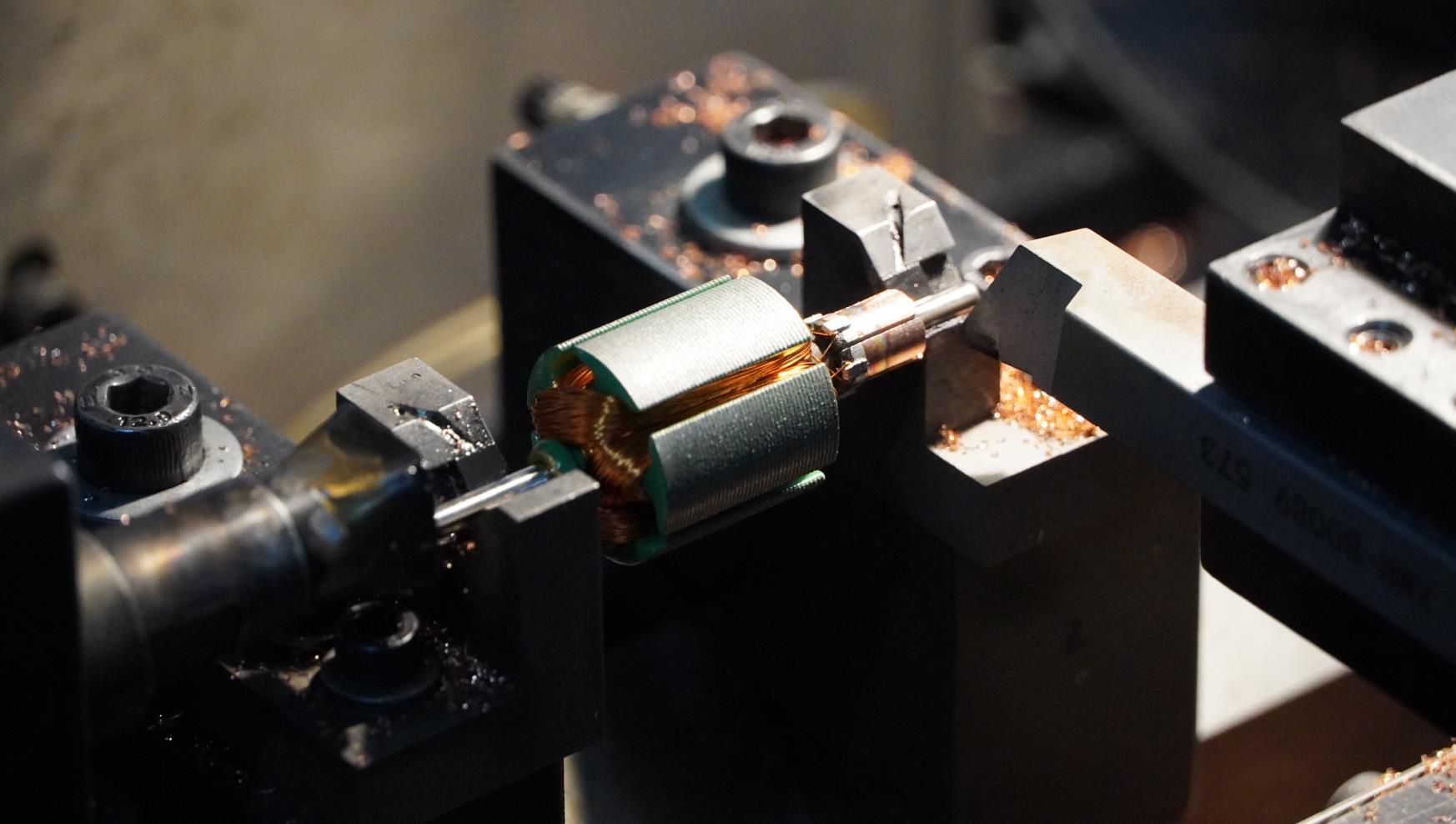
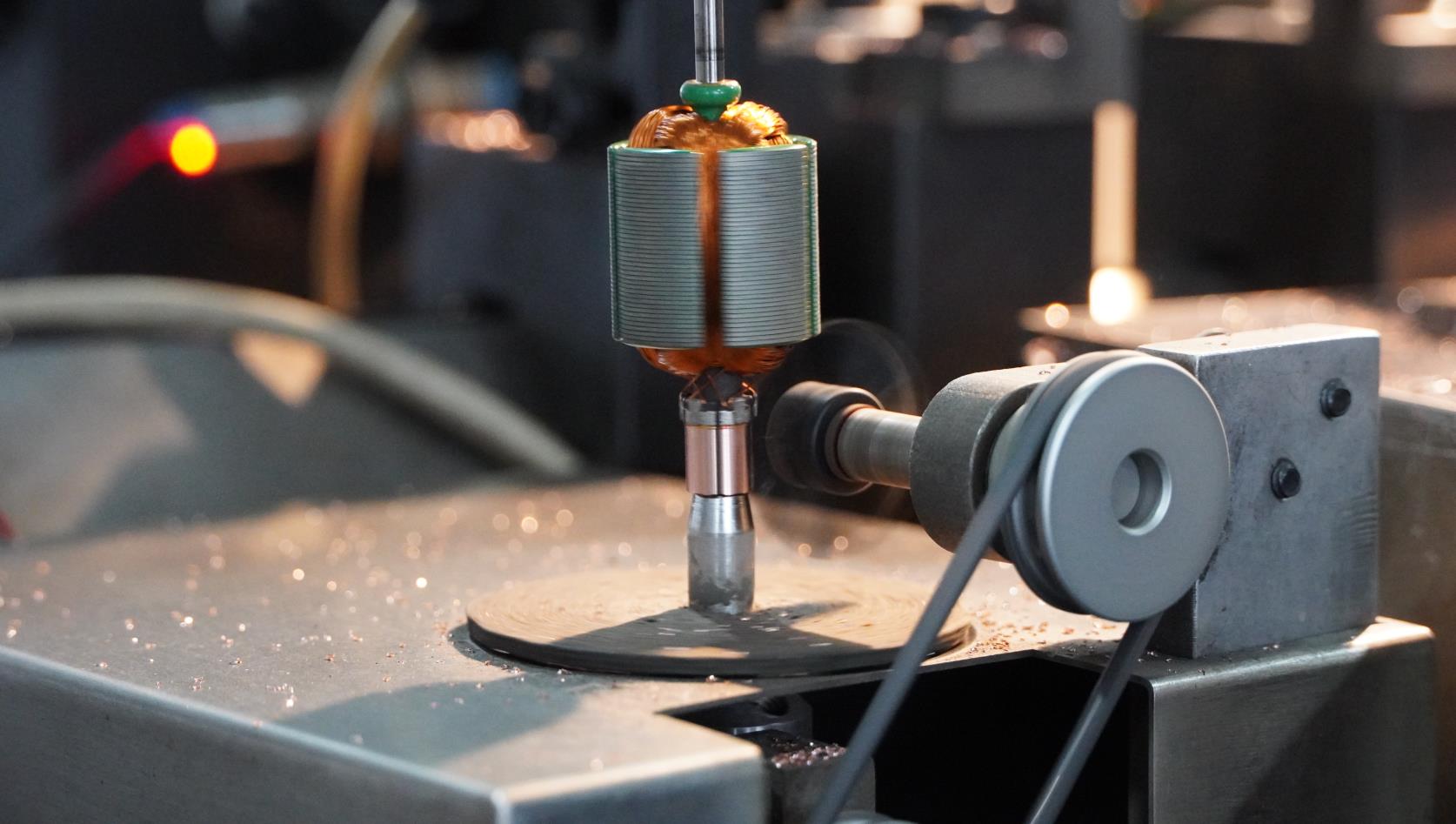
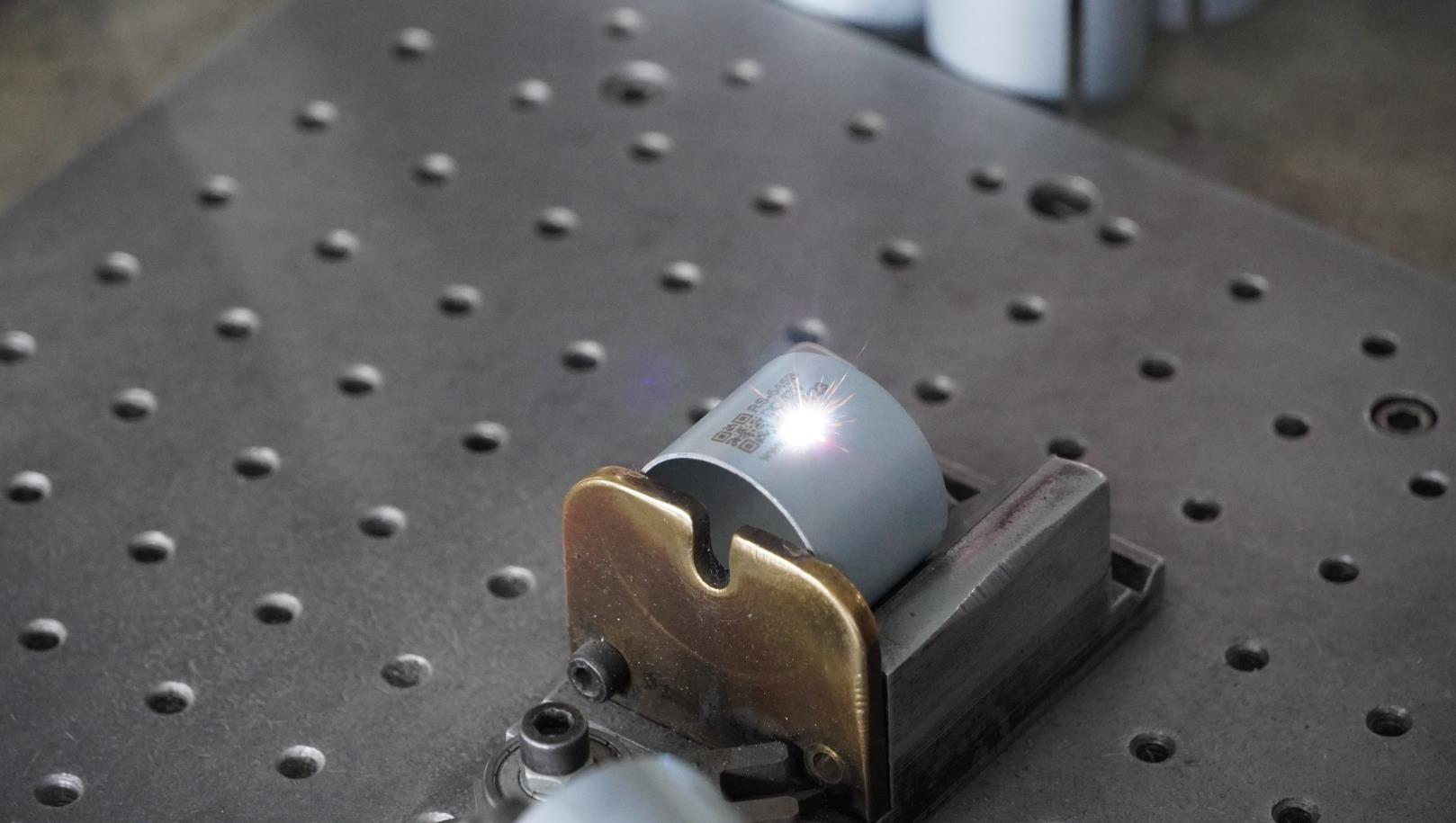
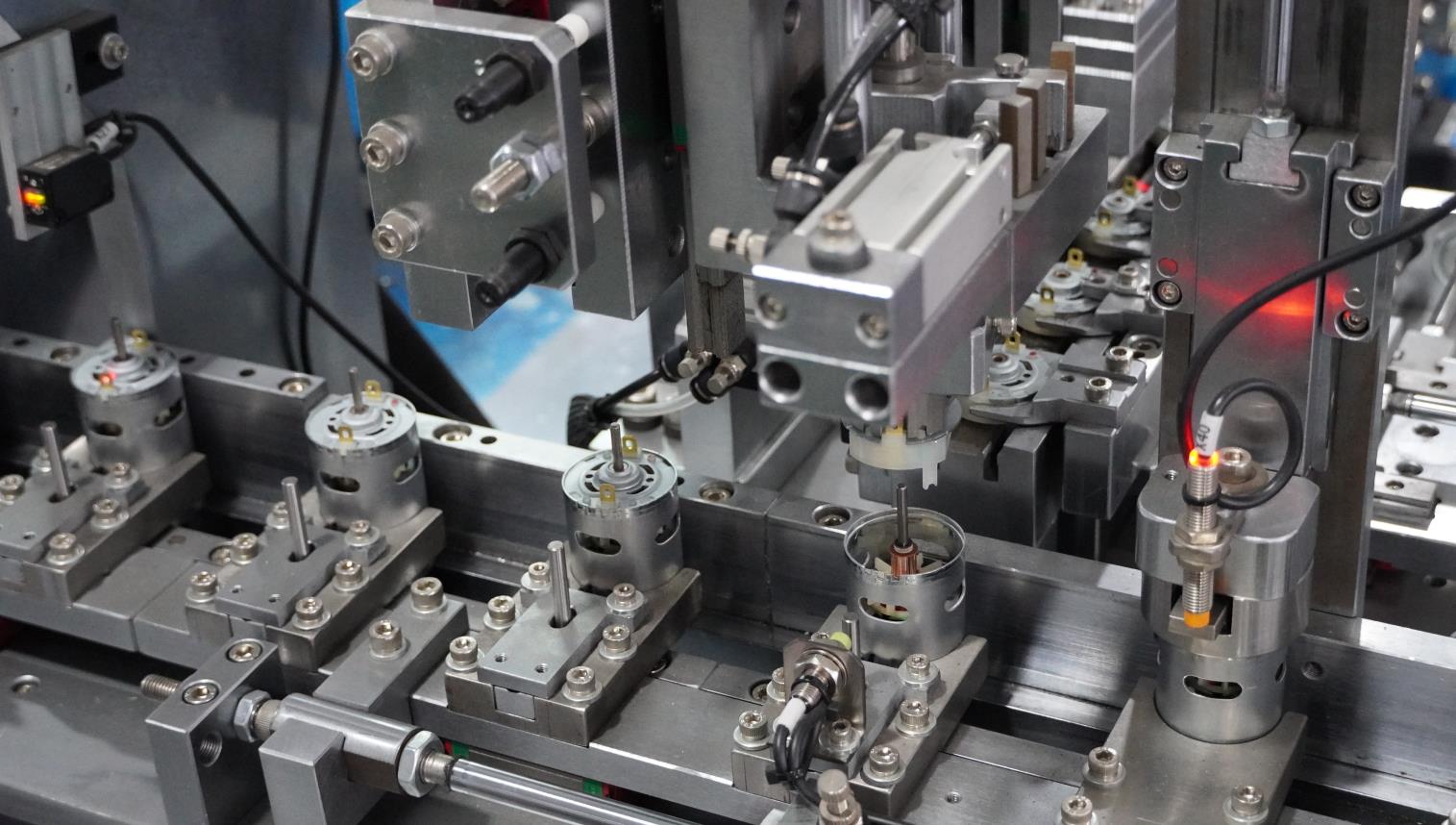
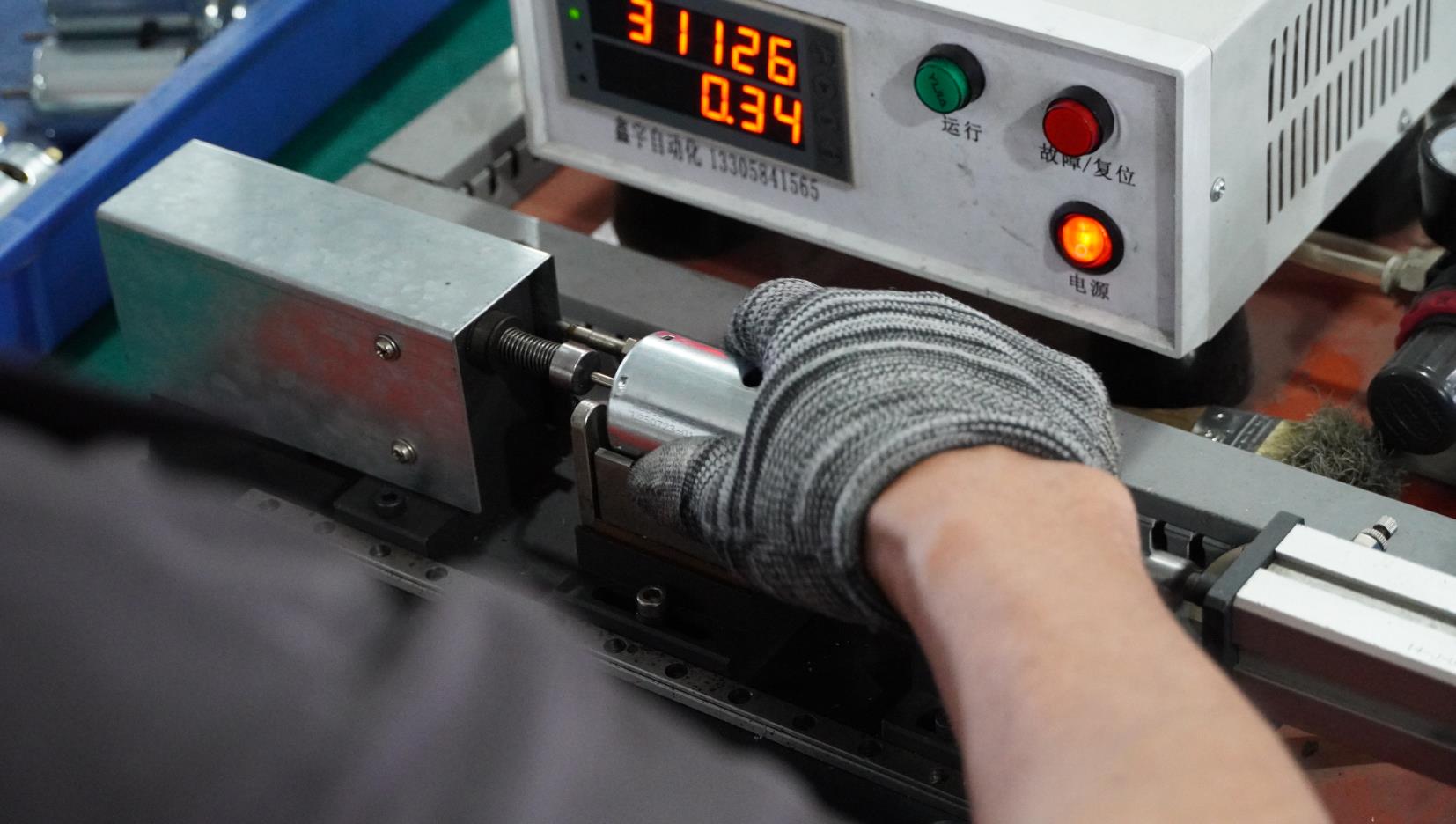
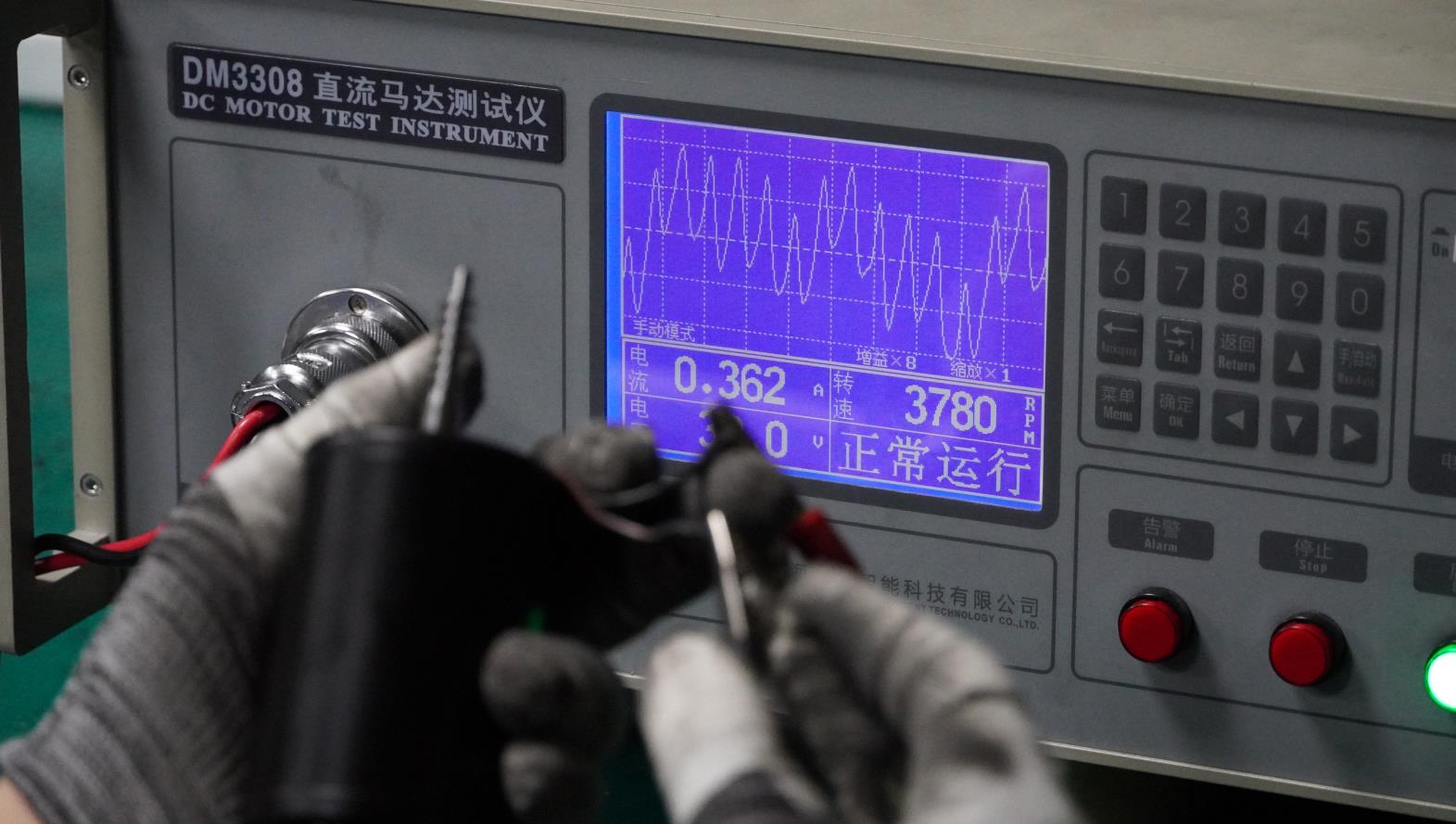
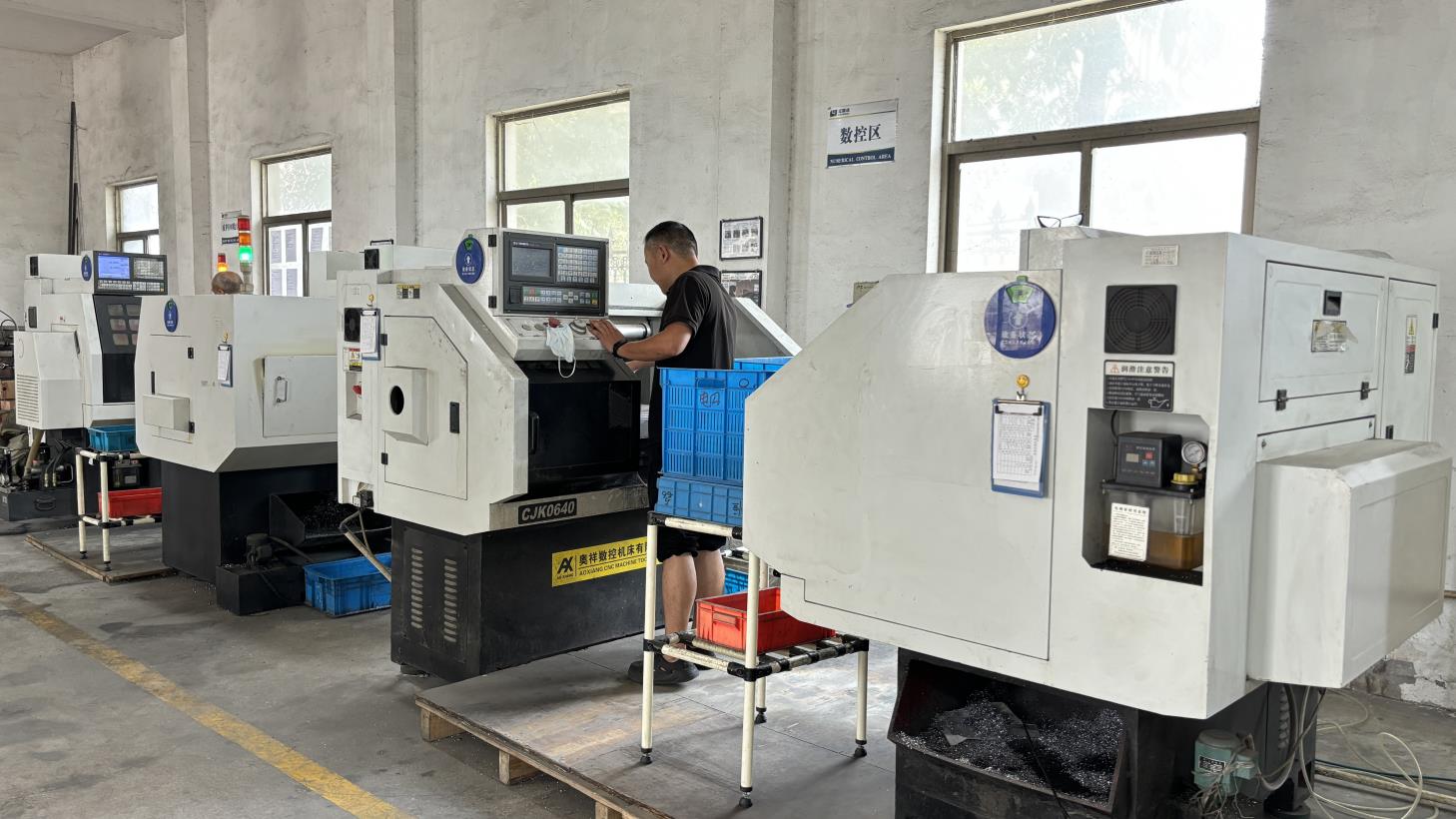
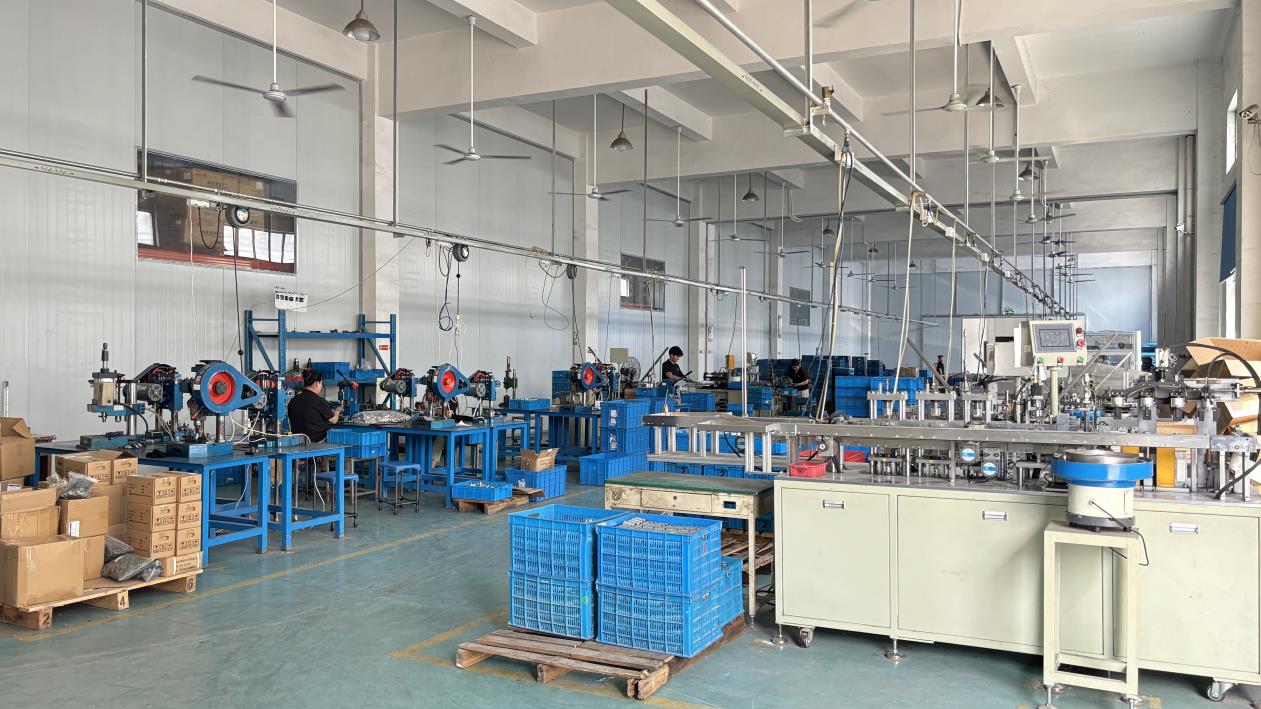
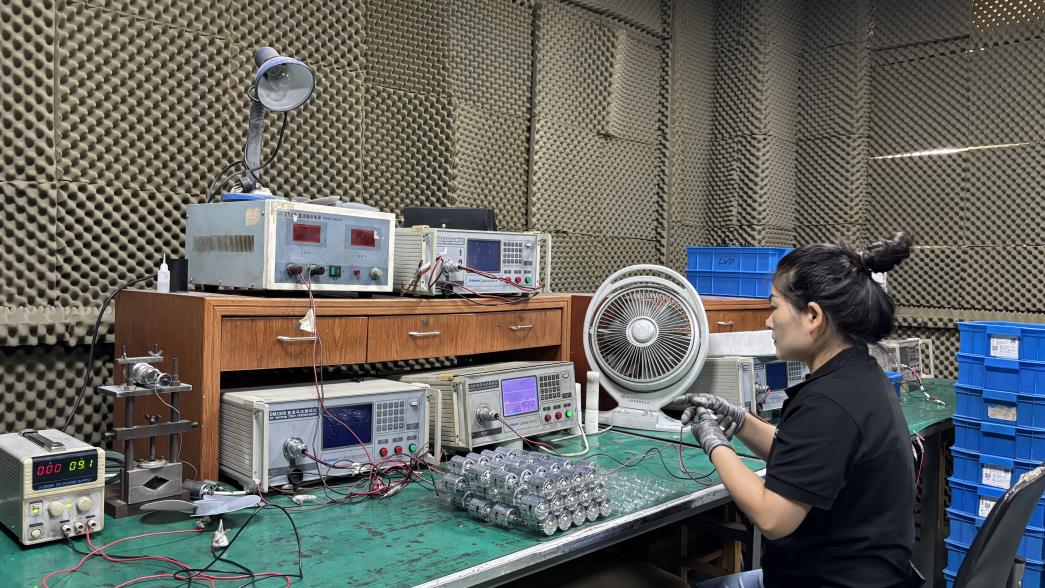
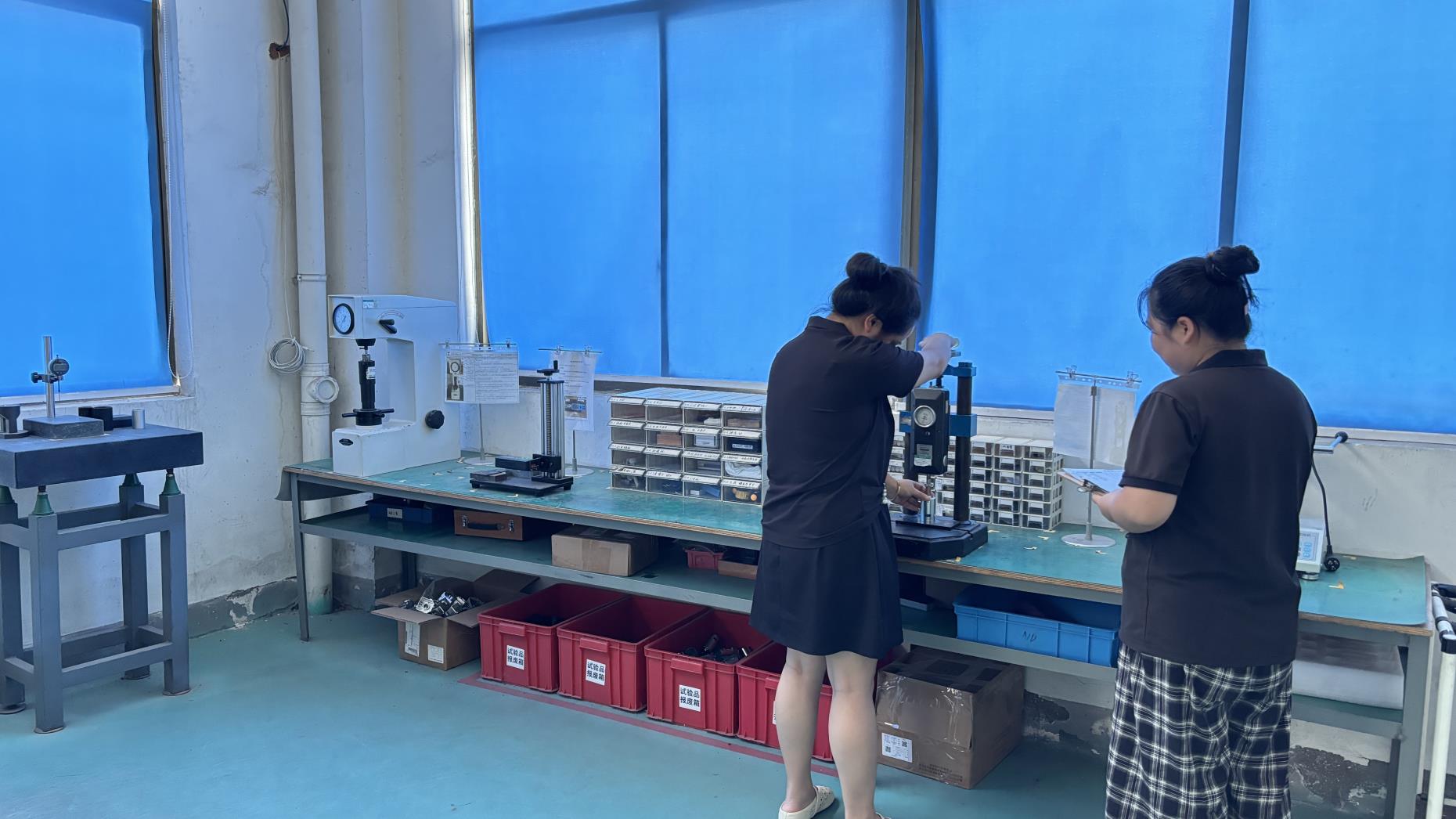
How TQC Micromotor guarantees compatibility with international regulatory frameworks and provides direct regional assistance.
Deploying micro-drives in international markets requires adhering to local safety, environmental, and electro-magnetic compatibility guidelines. Our factory operates under strict ISO 9001 guidelines, and all products meet CE, RoHS, and REACH requirements. This ensures that when our gear motors are integrated into smart consumer electronics, automotive assemblies, or medical devices, they pass global import and safety checks without delay.
We work with distribution partners and regional technical support agents to help overseas engineers during the design-in process. Our team provides dynamic CAD drawings, quick custom-sample prototyping, and testing parameters under varying load limits. This support simplifies integrating a remote control gear motor into complex mechanical setups, helping speed up your product's time-to-market.
Direct technical answers from TQC Micromotor’s engineering division about DC gear motor integration and performance.
Planetary gearboxes offer high efficiency (typically 80-90%) and great power density, making them ideal for high-speed, high-torque applications where space is limited. Worm gearboxes are slightly less efficient due to sliding friction but provide built-in self-locking properties, which prevents back-driving when power is off. This is a crucial safety benefit for automated gates, blinds, and vehicle hoists.
Brushed DC motors are cost-effective, easy to control, and perfect for applications with intermittent use. Brushless DC (BLDC) motors are best for applications requiring long lifespans, low noise, high speeds, and continuous operation. BLDC motors also eliminate brush dust, which is critical for medical devices and cleanroom environments.
Yes. As a dedicated R&D partner, TQC specializes in custom OEM/ODM designs. We can adjust shaft dimensions (including D-cut, splines, and cross-holes), modify voltages, customize lead wire lengths, and adapt mounting flanges to fit your existing product assembly.
Our ISO9001-certified factory runs 100% in-house quality inspections. We test stator insulation, rotor balance, commutator alignment, waveform consistency, and final speed/current limits to ensure every micro motor meets our performance standards before packaging.
Yes. All TQC micro motors comply with international directives, including CE, RoHS, and REACH. This ensures your products can be imported and distributed globally without regulatory delays.
Motor noise is influenced by gear material (e.g., steel vs. plastic), lubrication quality, commutation style (brushed vs. brushless), and rotor balancing. TQC optimizes these factors using high-grade synthetic greases, precision-balanced rotors, and helical gear teeth configurations inside our dedicated silent test rooms.
High temperatures can increase winding resistance, which reduces overall torque and efficiency. TQC uses high-temp copper enamelled wires, rare-earth magnets that handle heat, and optimized housings to keep motors running reliably under tough conditions.
Standard samples are typically prepared within 7 to 10 working days. For custom prototypes that require specialized tooling, it takes about 15 to 25 days. Bulk production runs are generally completed within 30 to 45 days, depending on materials and order volume.
Explore our industrial worm gear solutions and wheelchair-rated drive systems built for high starting torques.