TQC Micromotor
TQC Micromotor
TQC Micromotor
Engineered for smart automation, marine, automotive, and industrial applications requiring precise motion control.
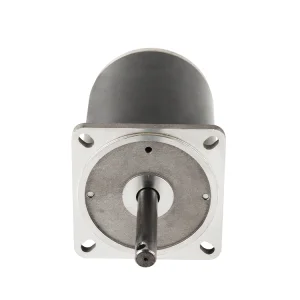
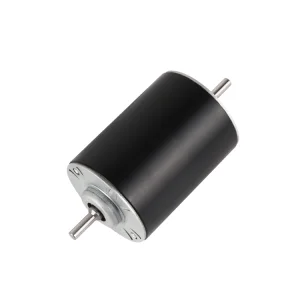
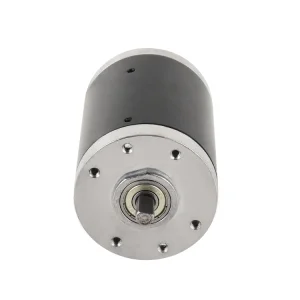
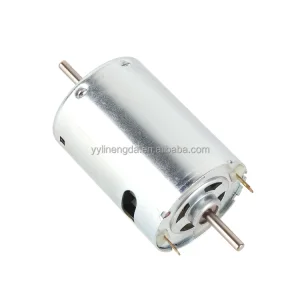
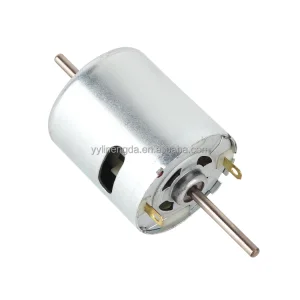
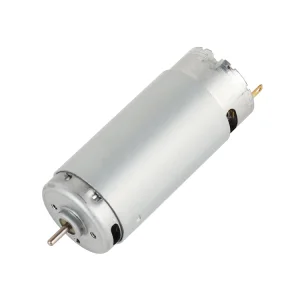
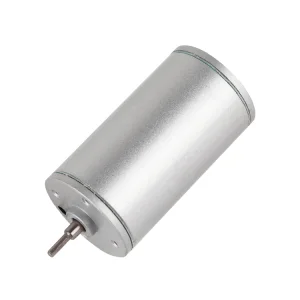
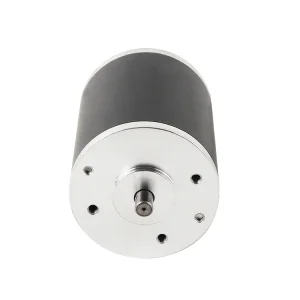
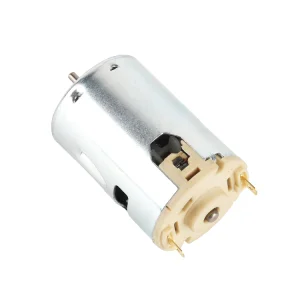
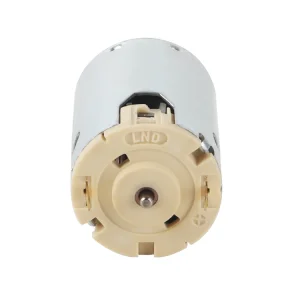
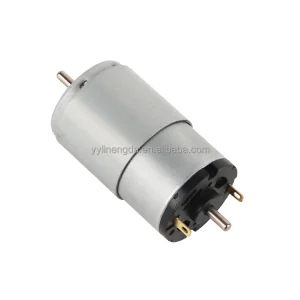
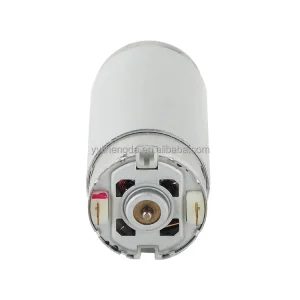
At TQC Micromotor, we believe that global innovation shouldn't be limited by size. For two decades, we have dedicated ourselves to a single, relentless pursuit: designing, engineering, and manufacturing high-performance micro-drive solutions that keep modern industries moving forward. Based in China, we operate a state-of-the-art, ISO9001-certified production facility specializing in Micro DC Motors, DC Gear Motors, and Brushless DC Motors (BLDC).
The name TQC represents our foundational pillars: Top Quality & Customization. We understand that applications like smart home automation, medical devices, automotive electronics, and precision robotics demand uncompromised reliability. That is why every TQC micro motor is built with an exceptional power-to-size ratio, ultra-low noise acoustics, and an extended operational lifespan, backed by strict 100% in-house quality control and international certifications (CE, RoHS, REACH).
We don’t just supply standard hardware; we act as a strategic R&D partner. With a robust engineering team holding multiple industry patents, TQC thrives on solving complex mechanical challenges through flexible OEM/ODM custom solutions. From custom shaft configurations and custom voltage tuning to specialized bespoke gearheads, we turn your technical blueprints into high-volume, cost-effective reality.
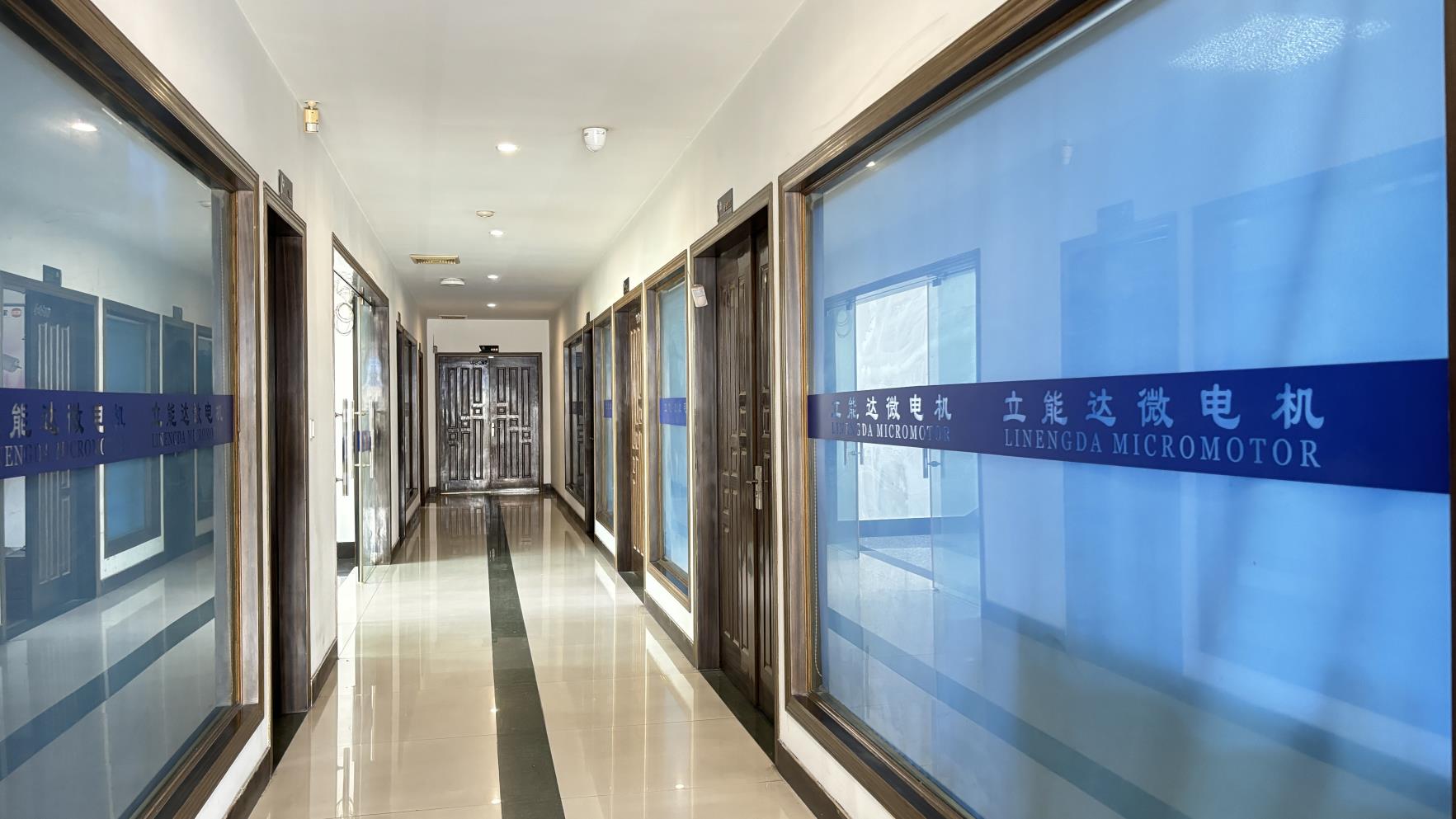
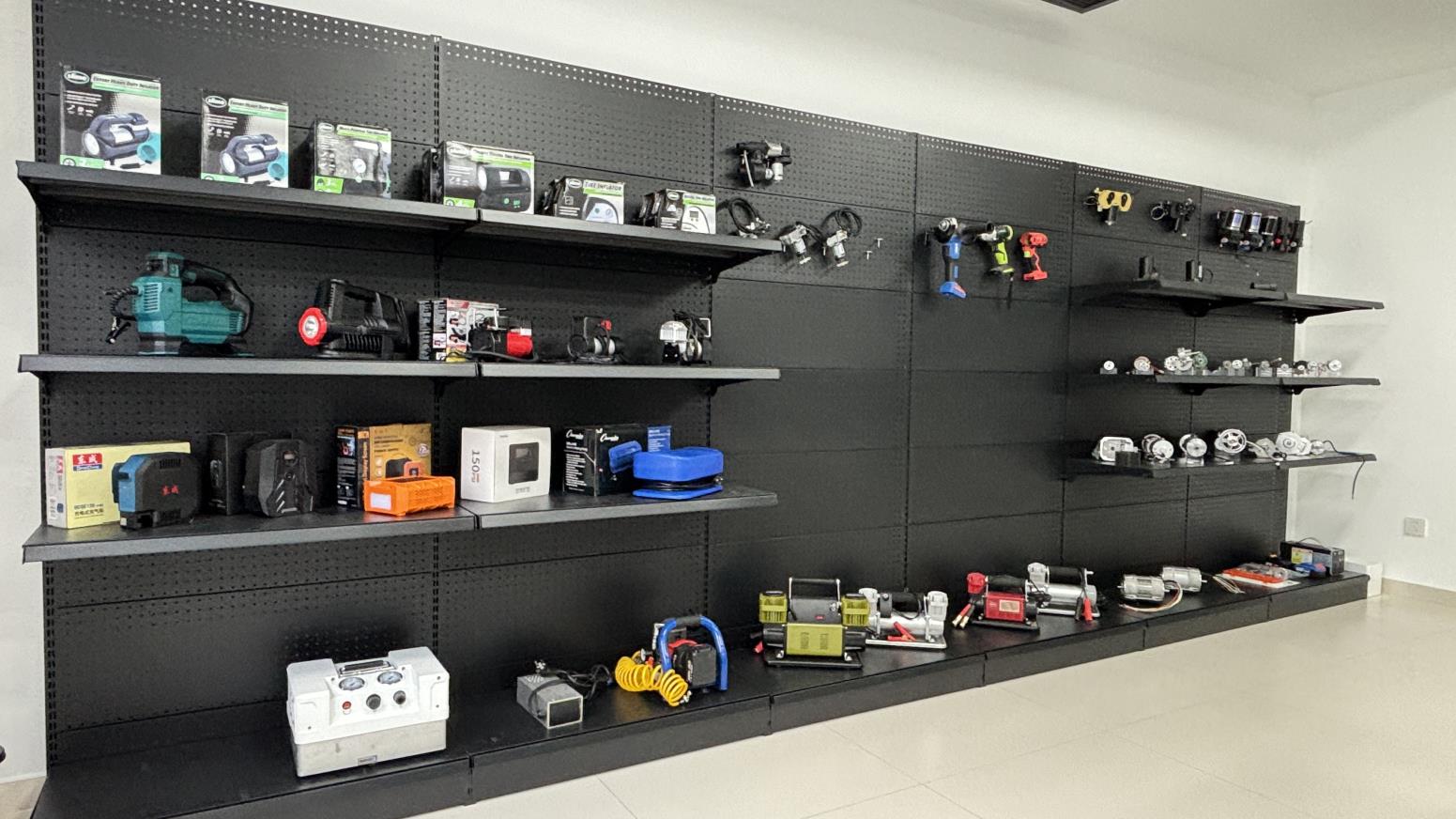
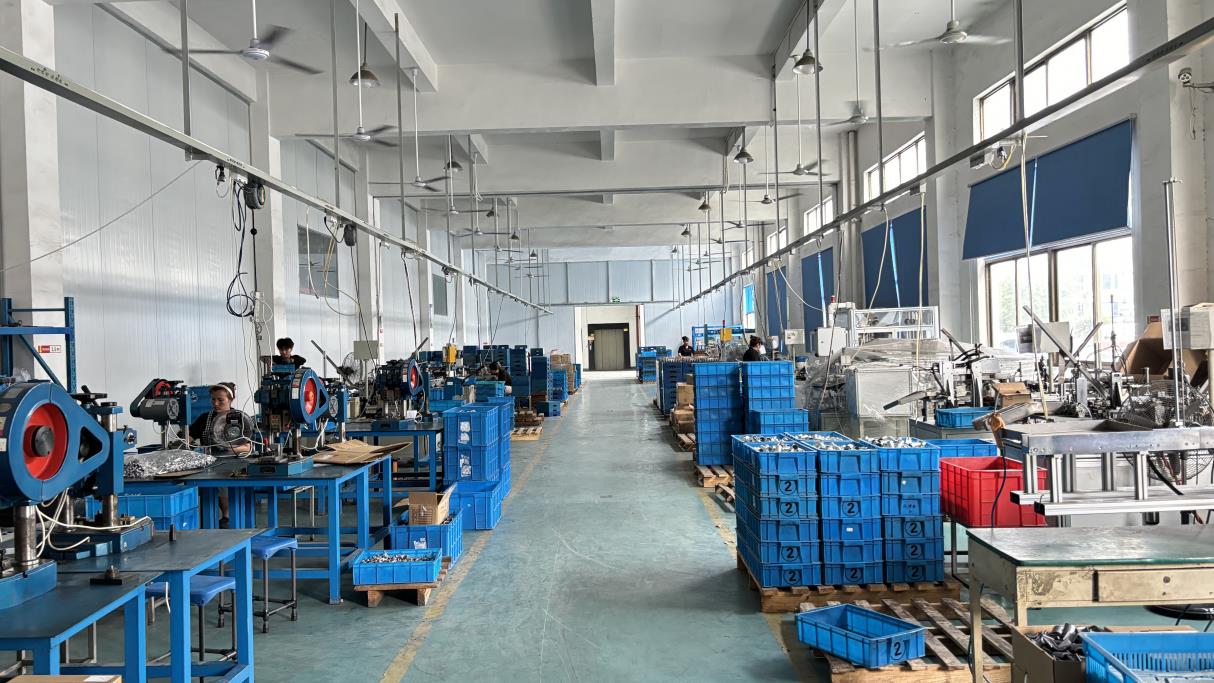
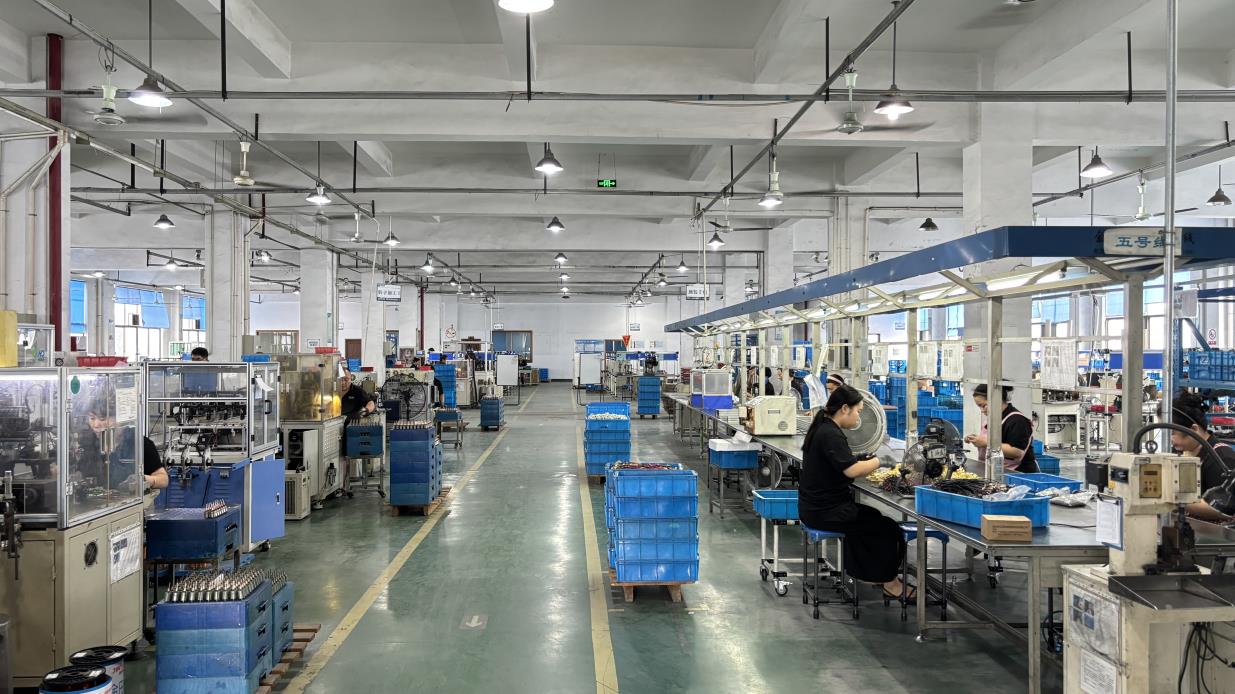
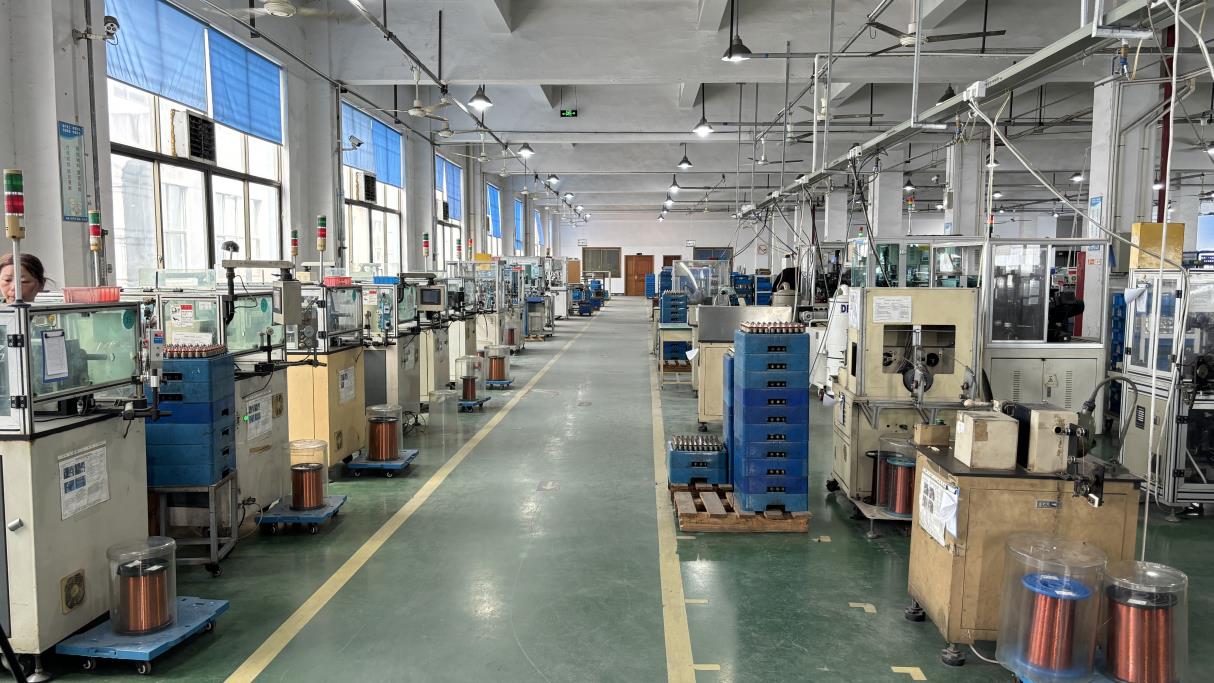
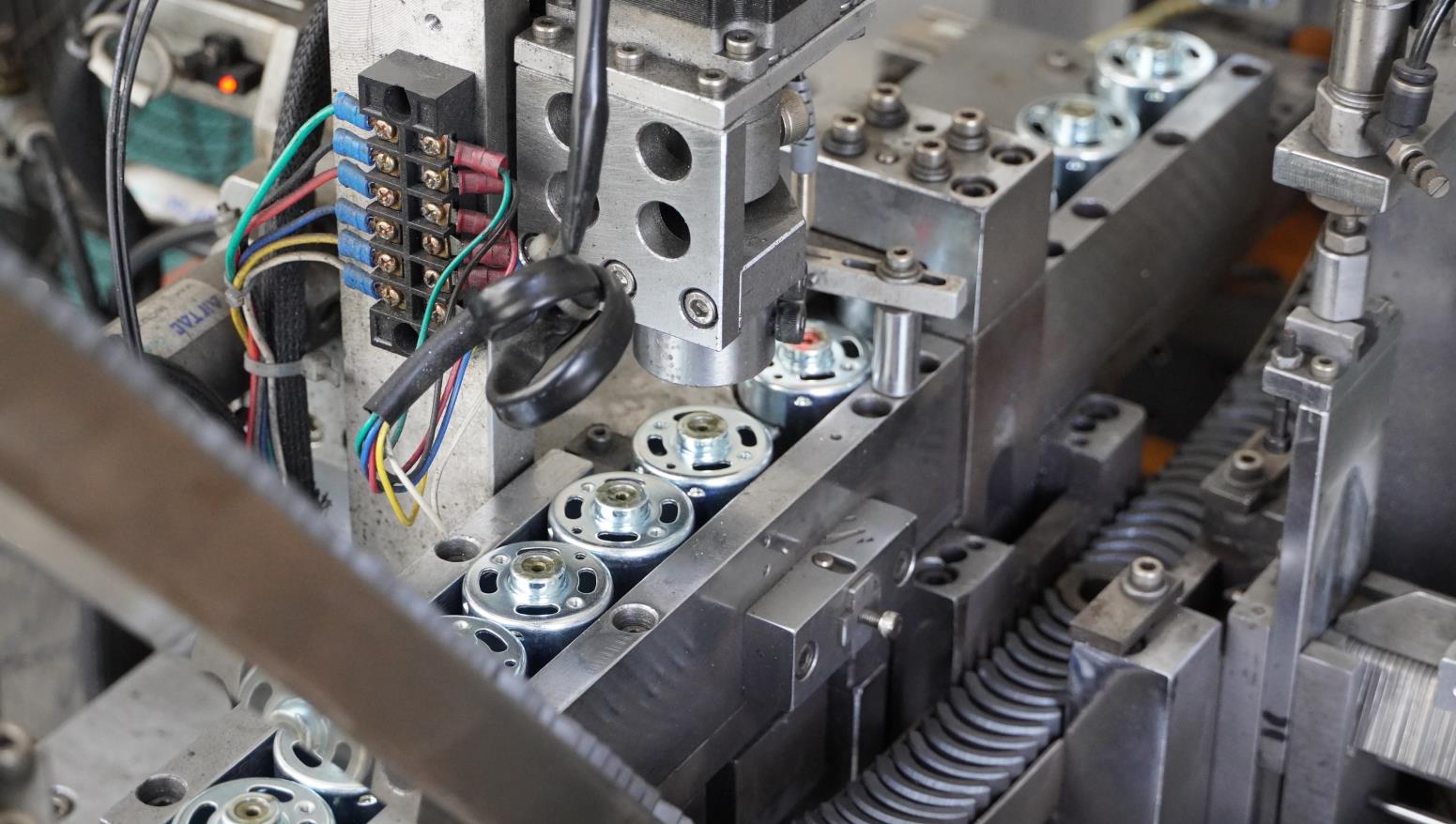
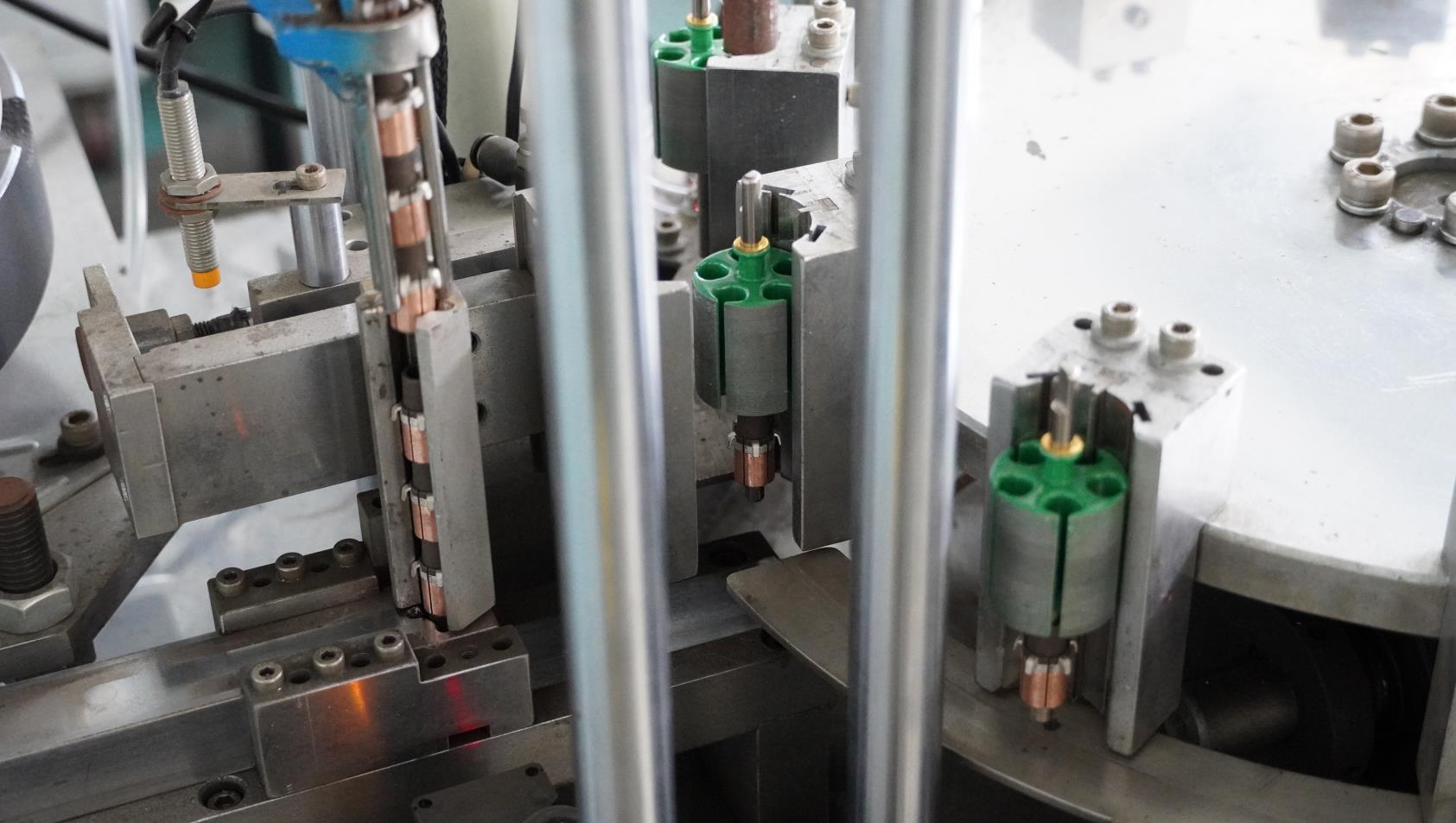
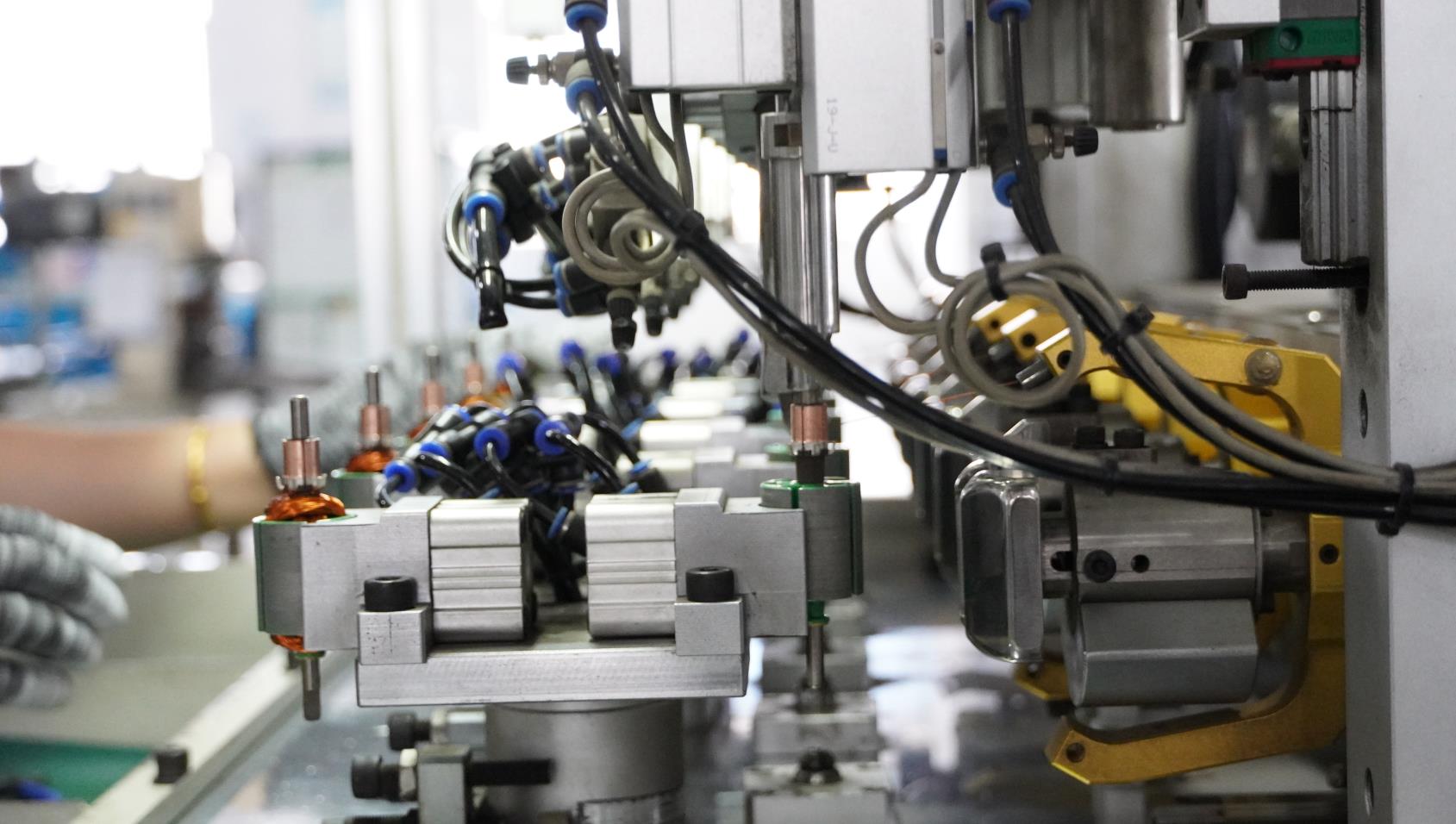
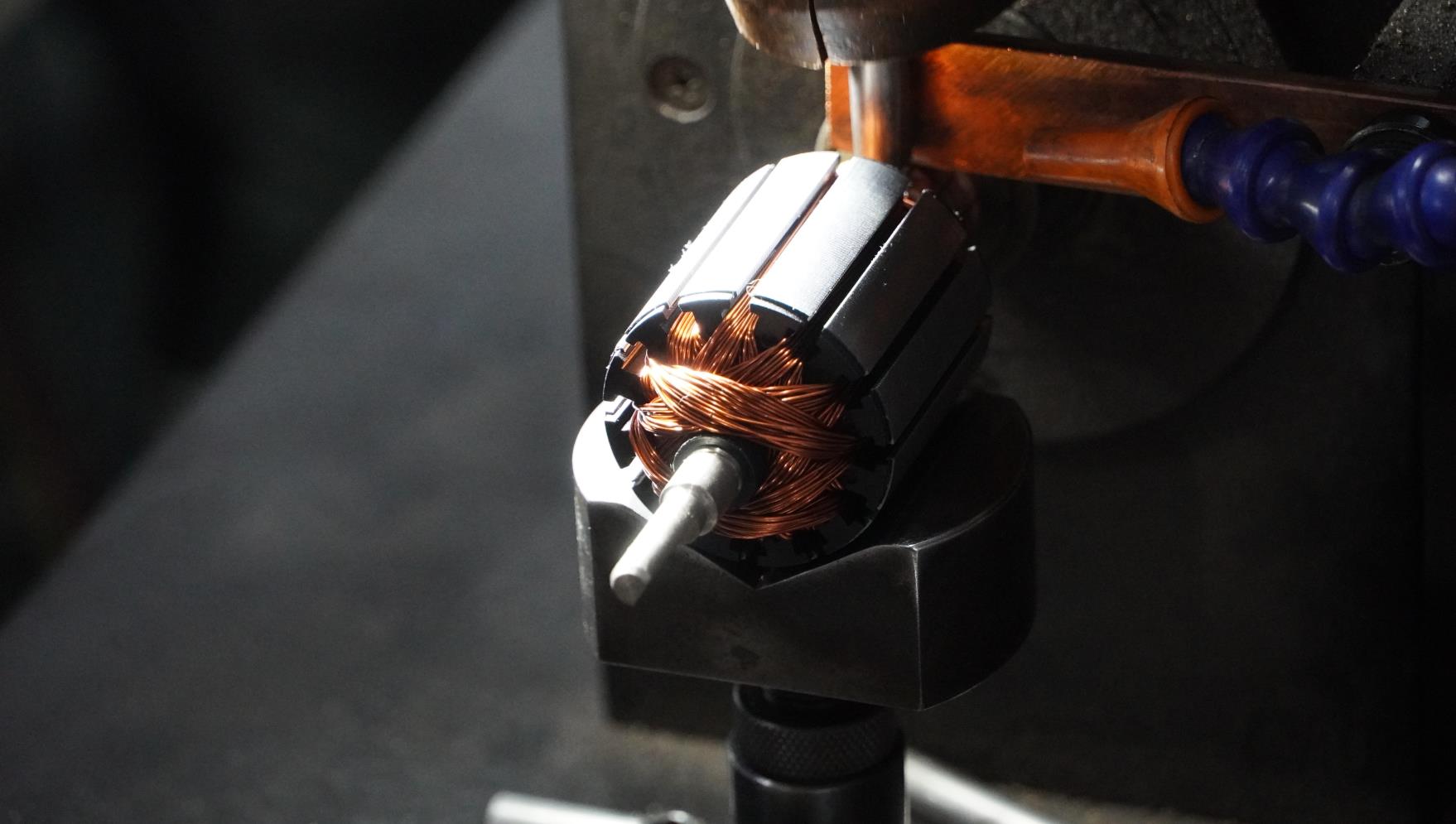
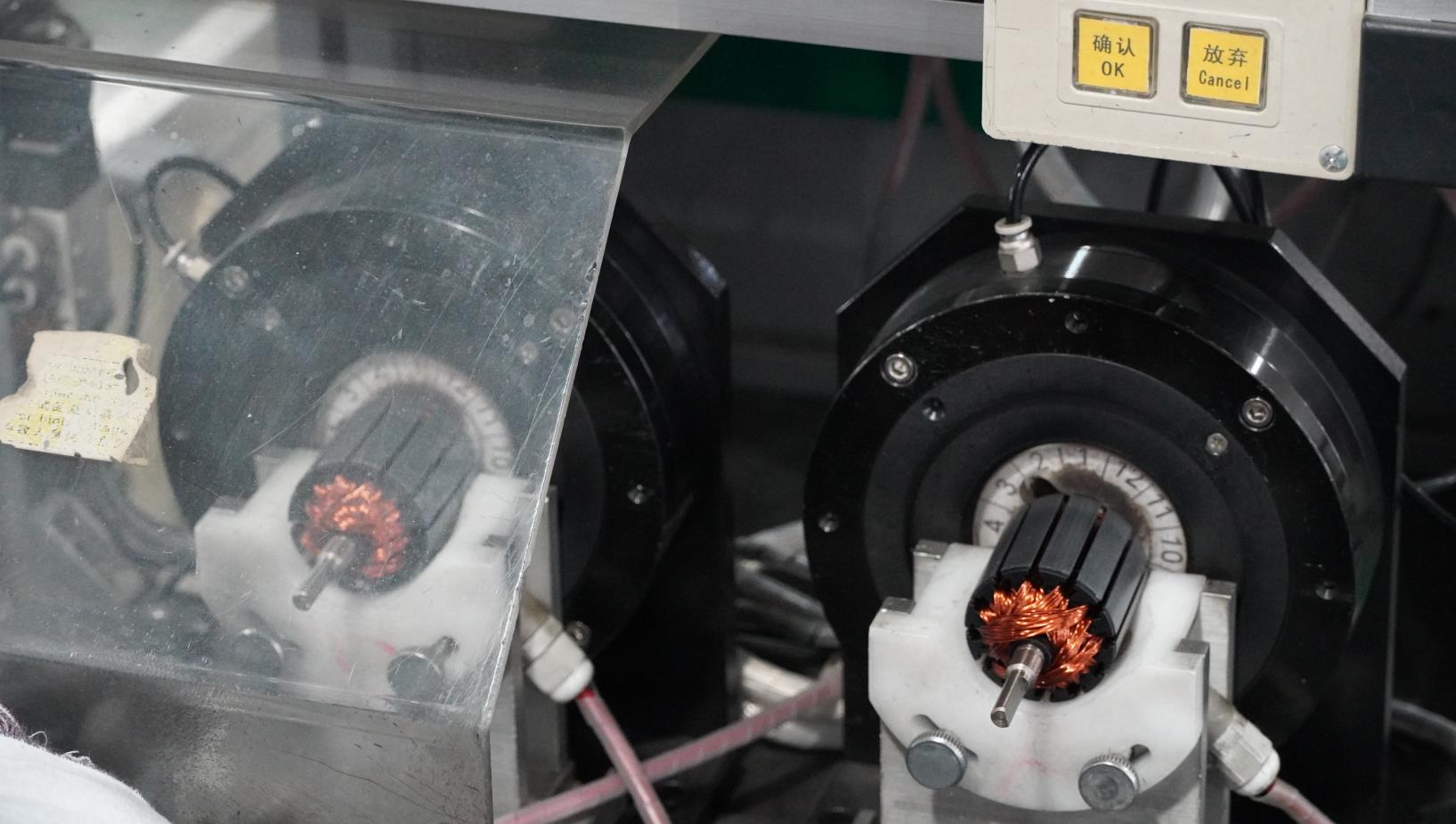
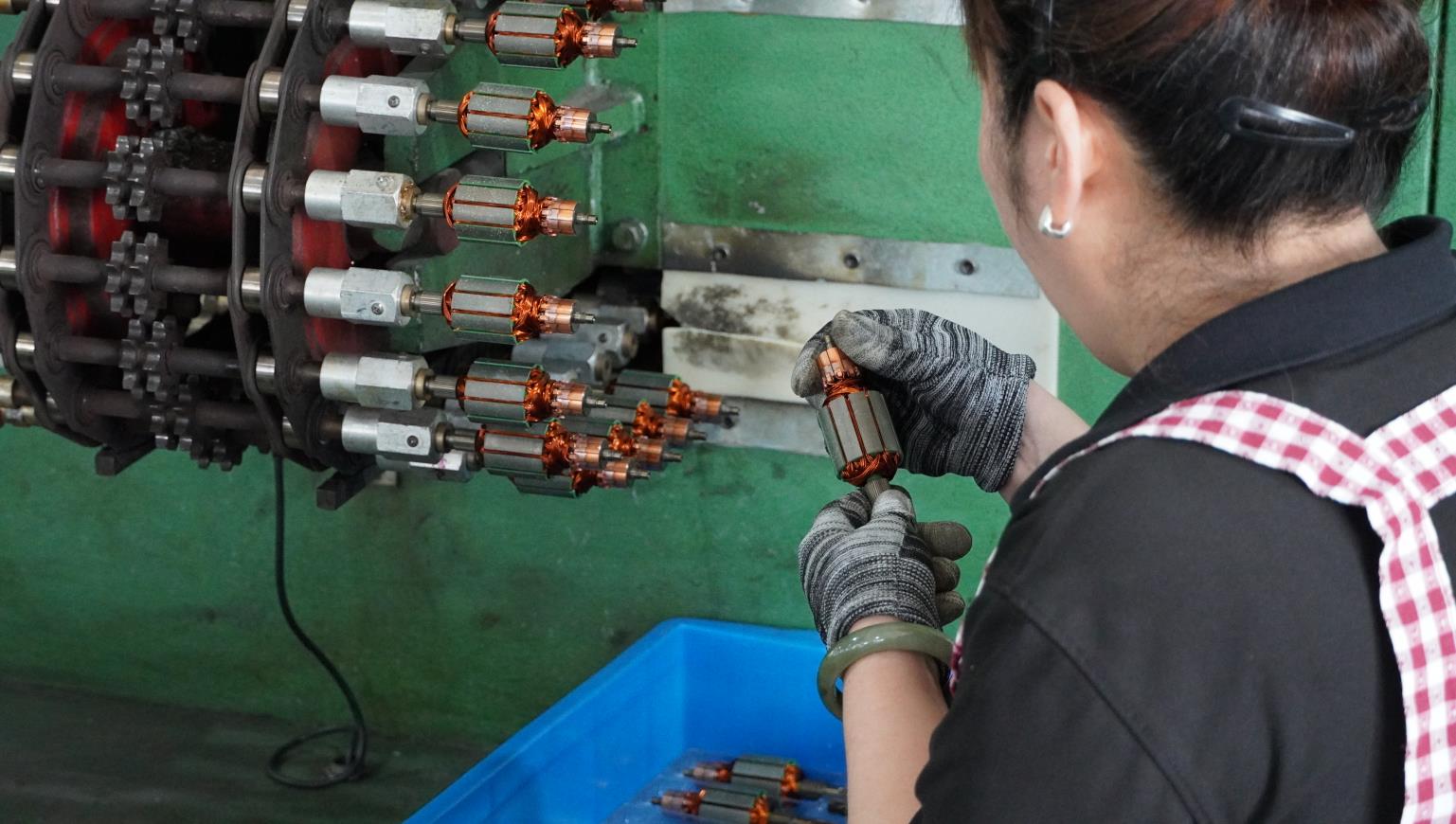
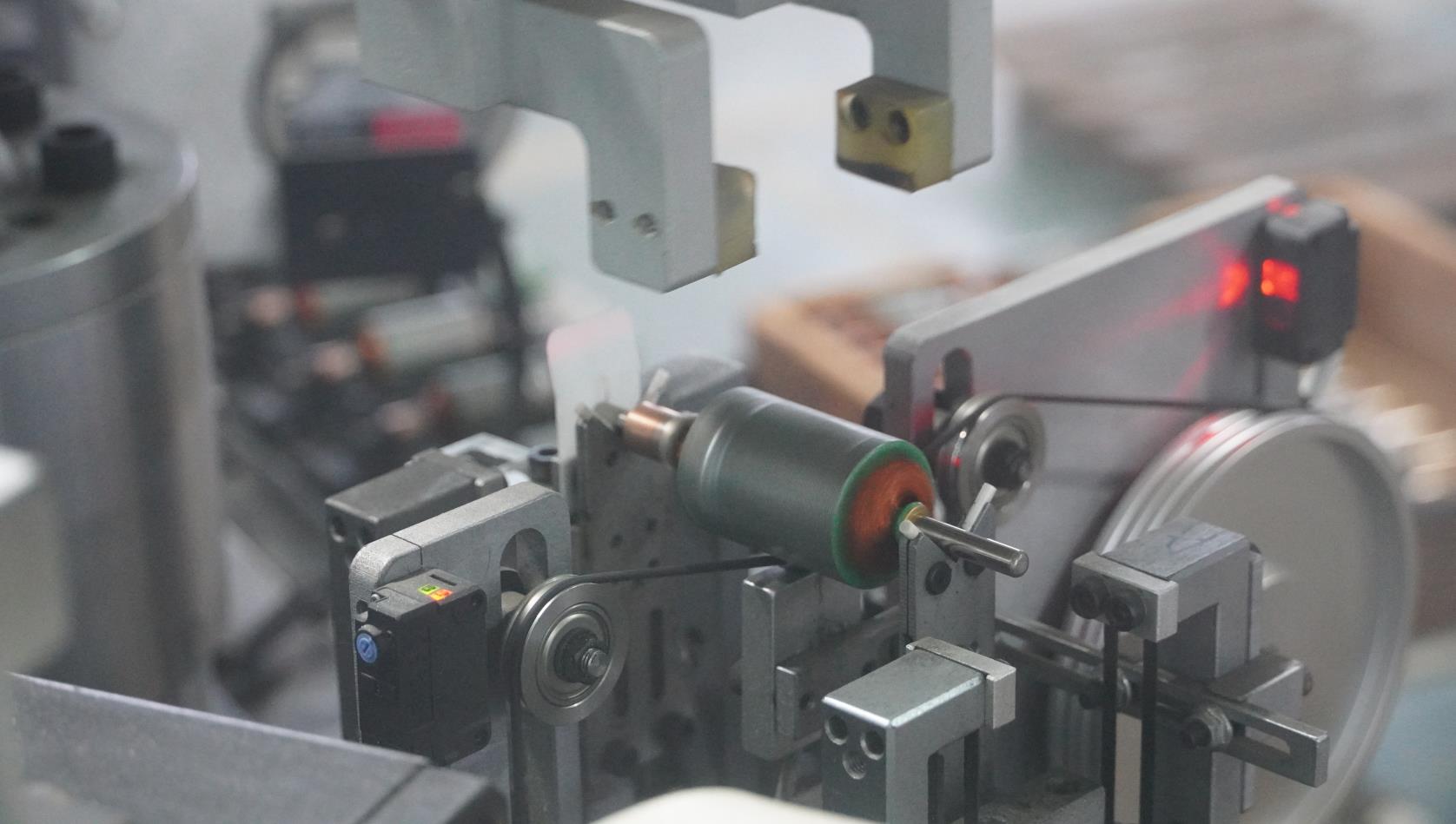
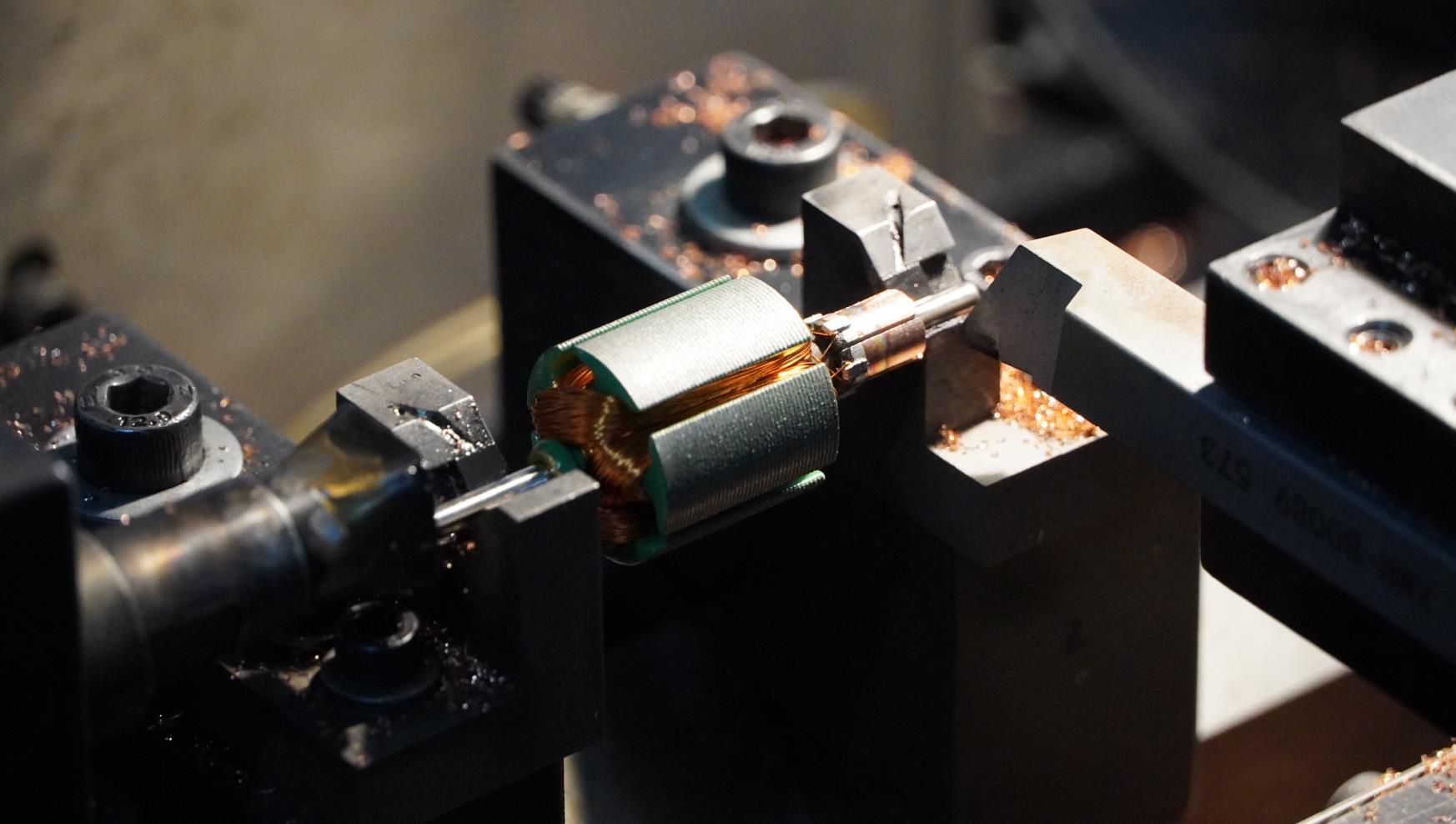
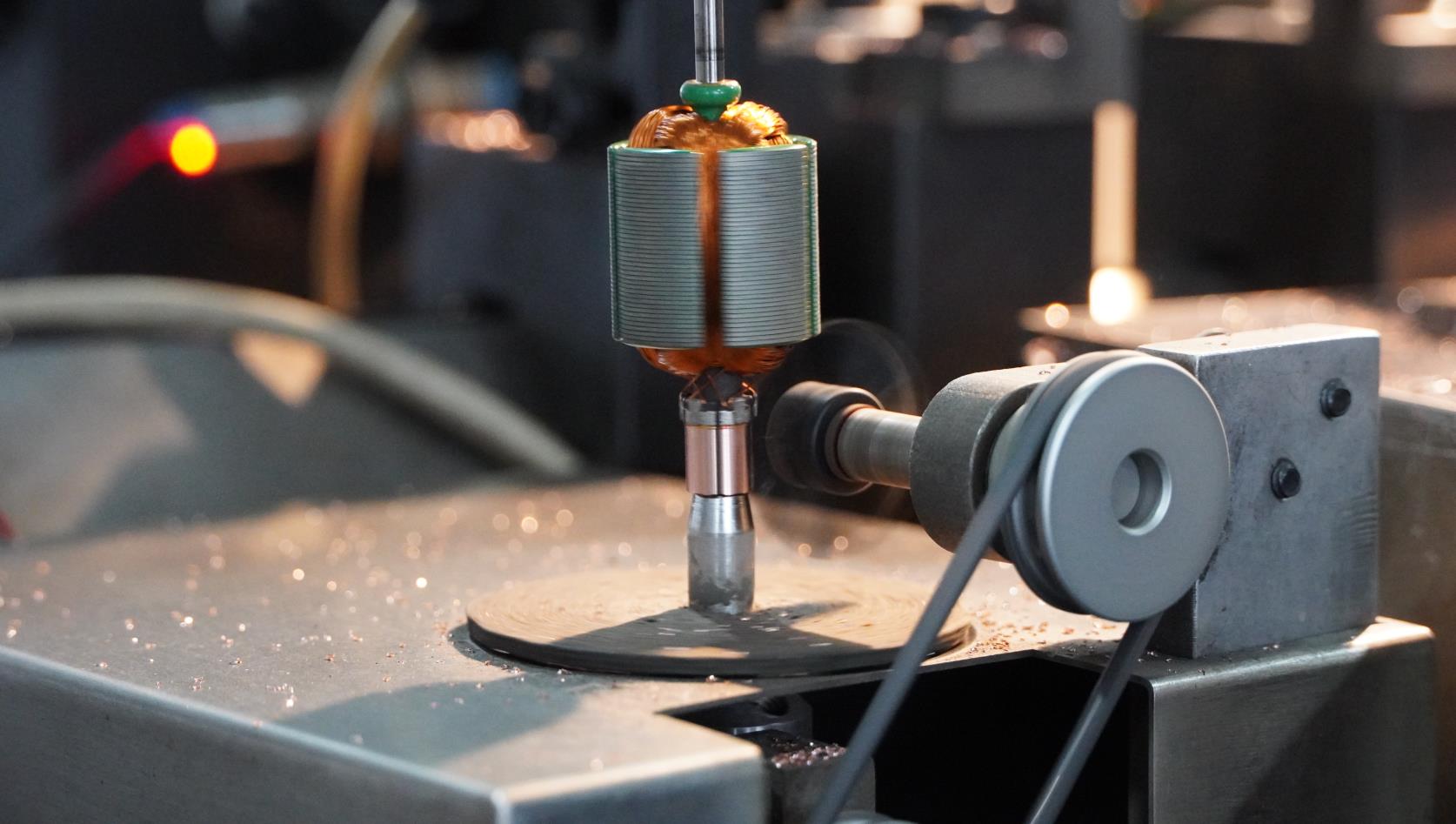
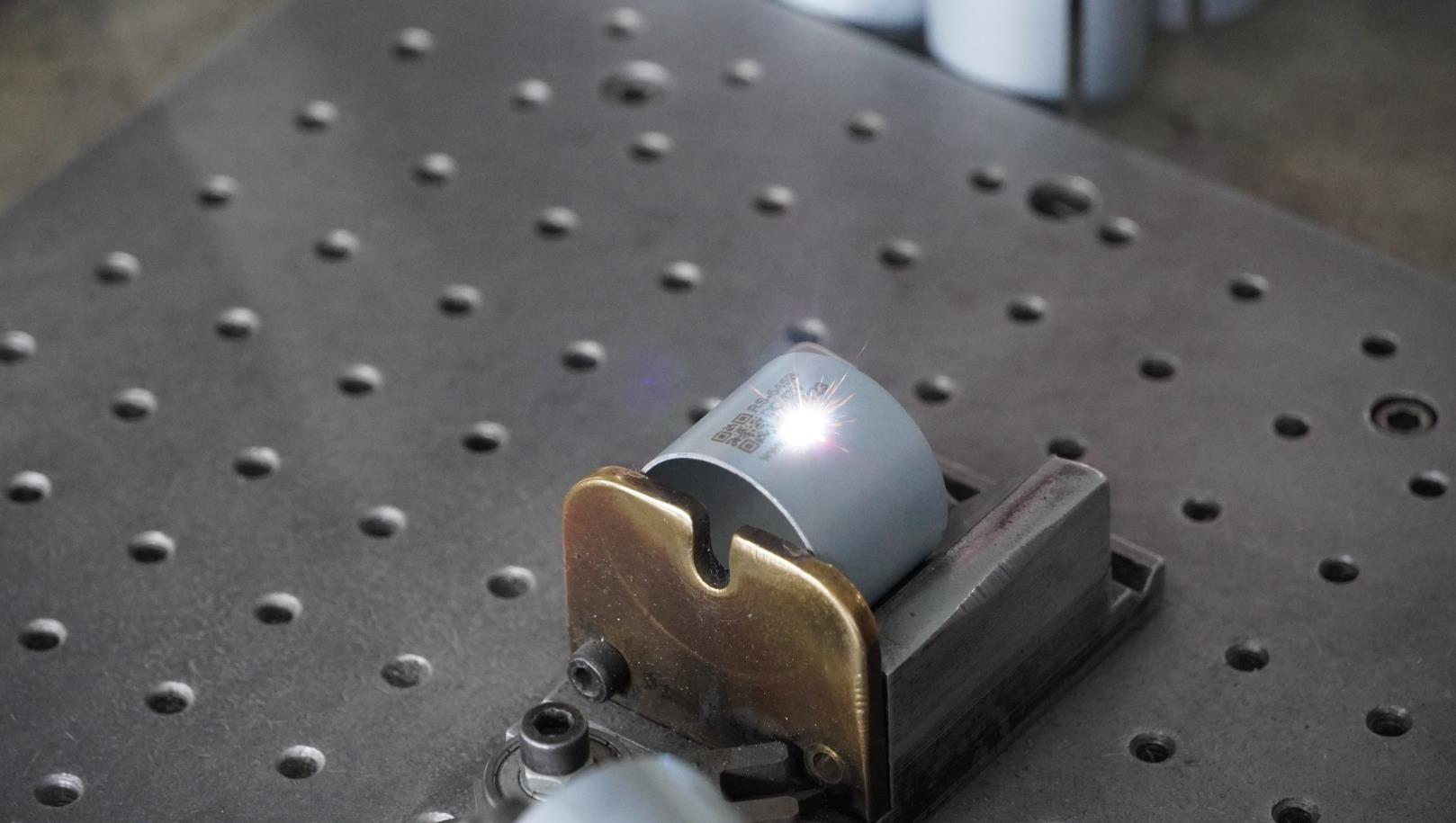
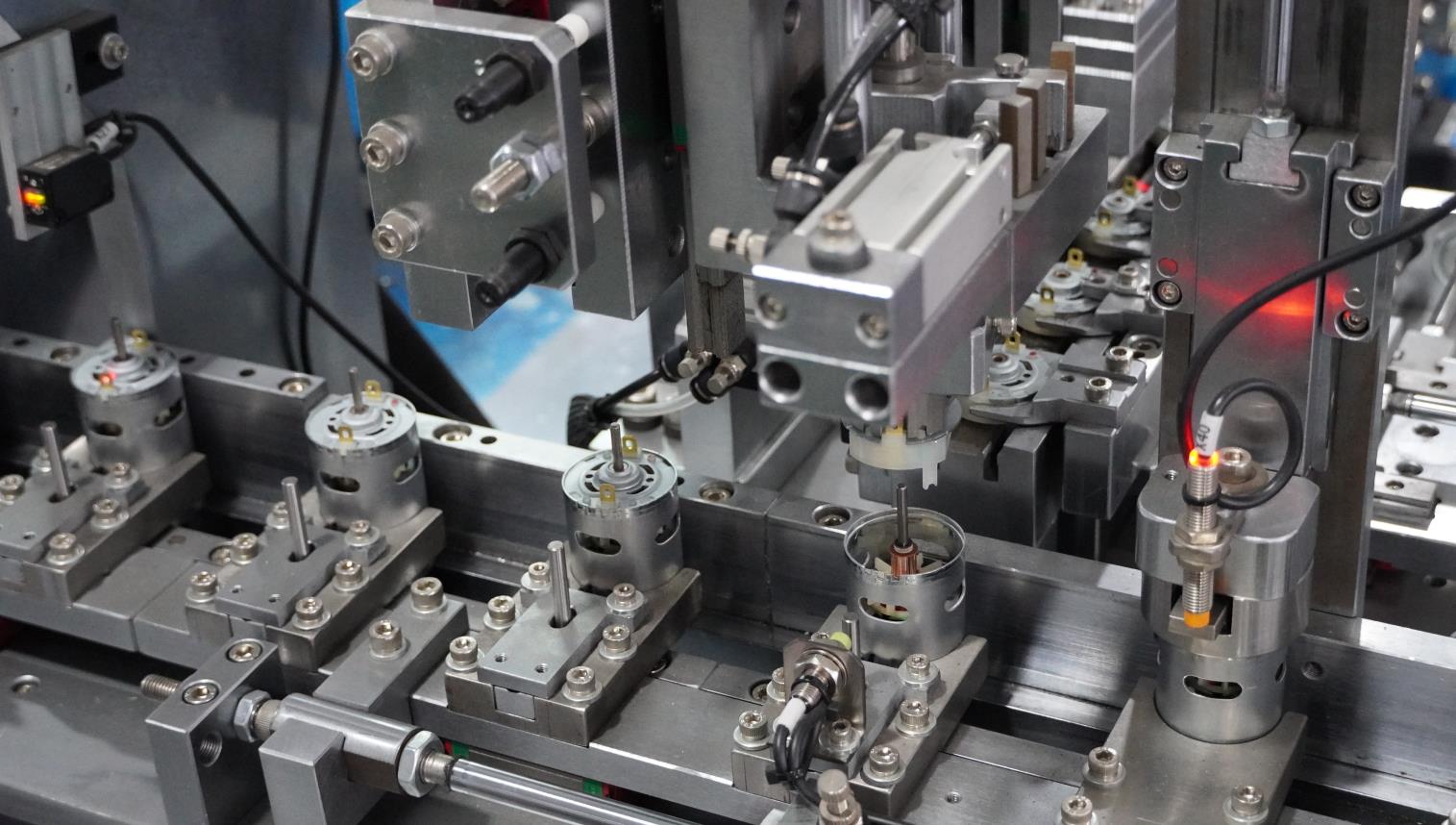
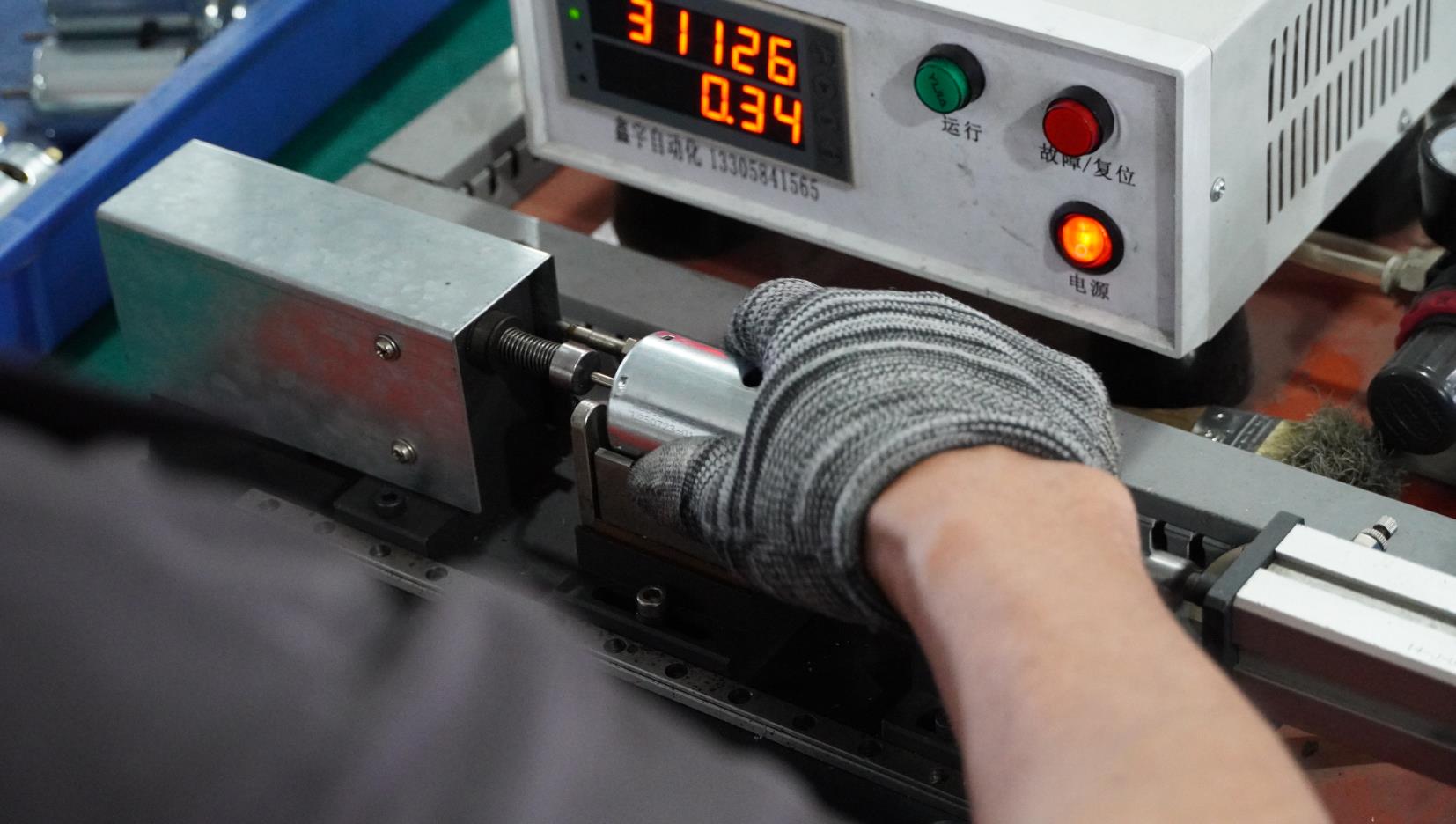
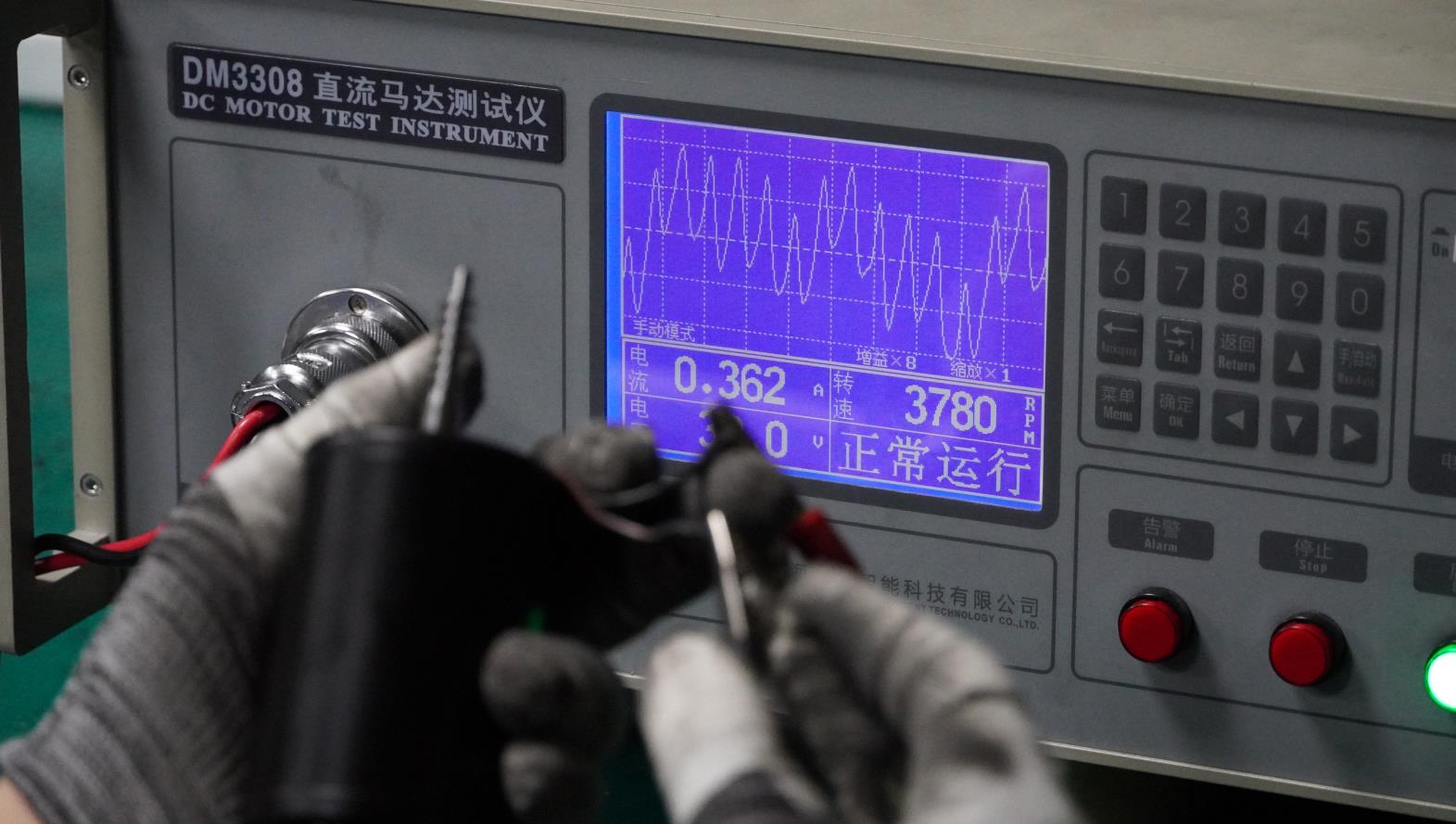
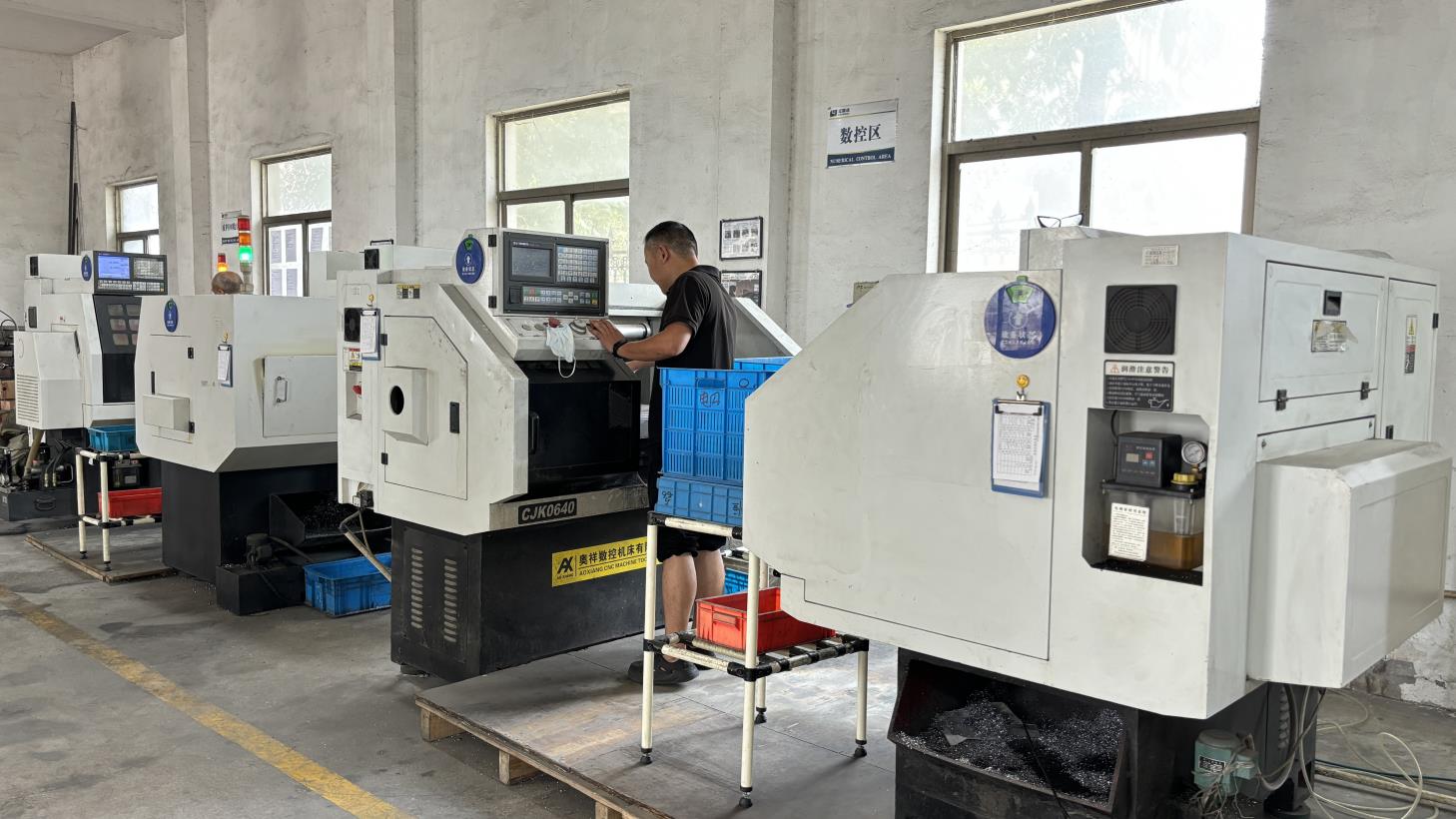
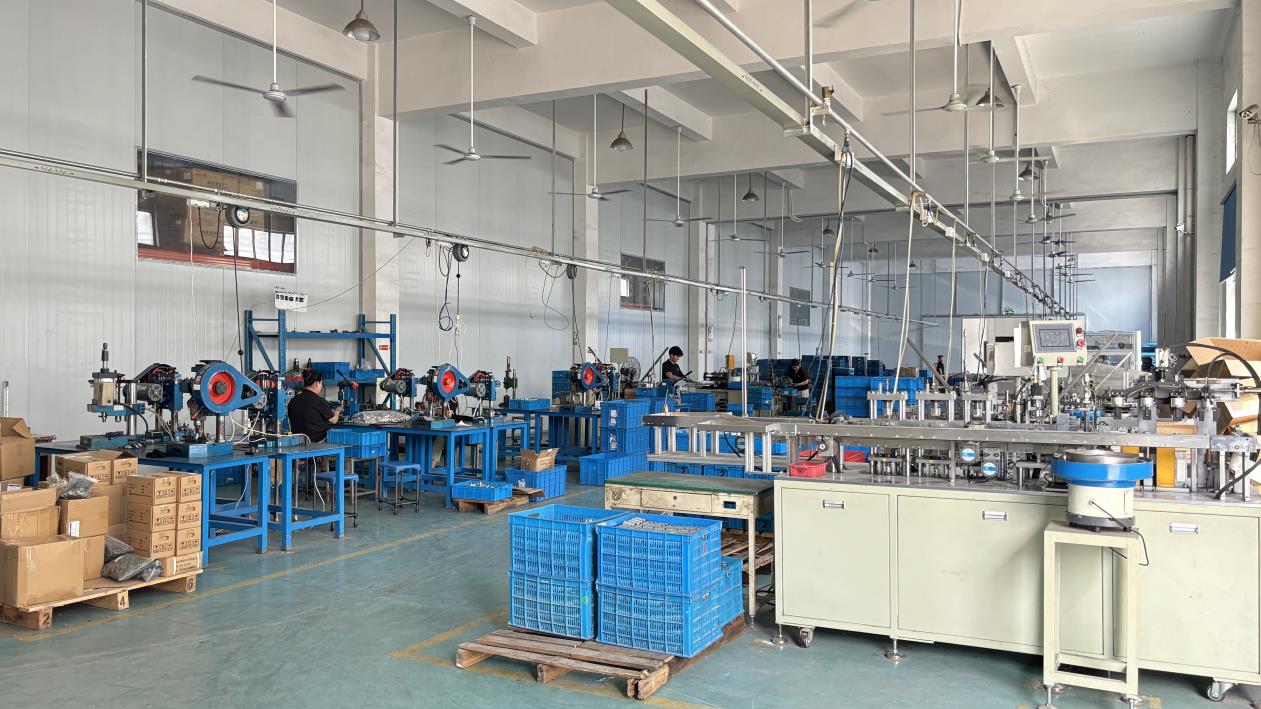
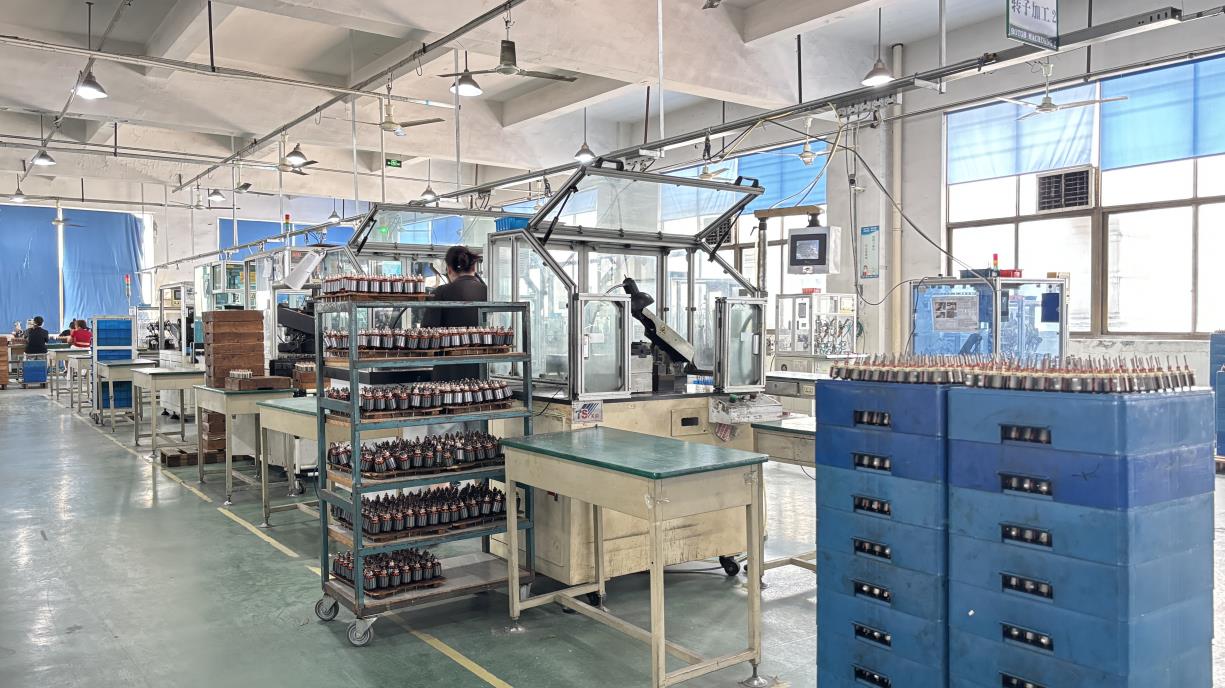
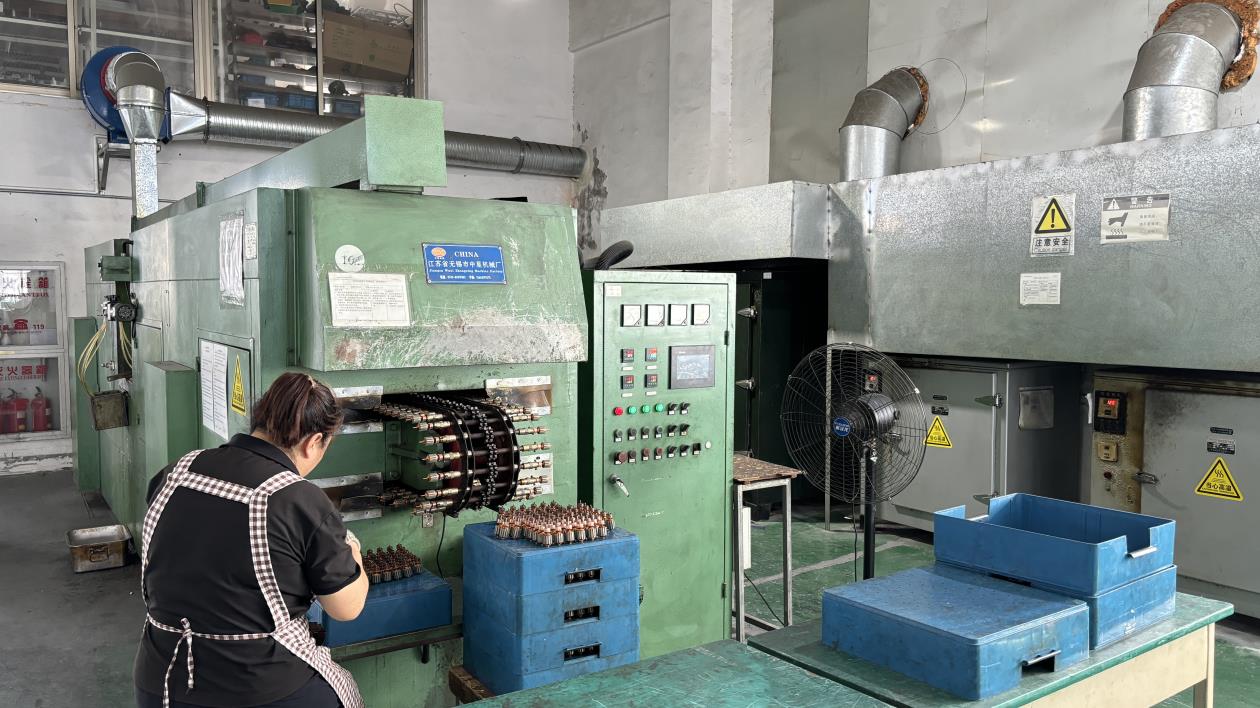
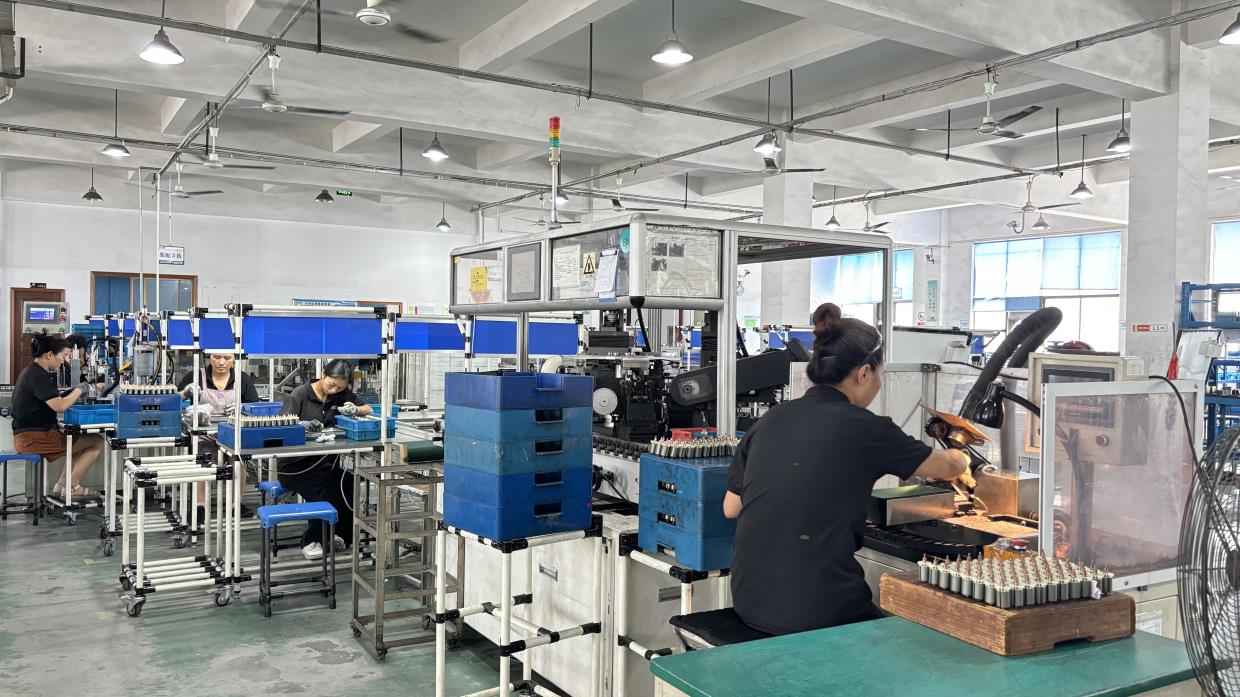
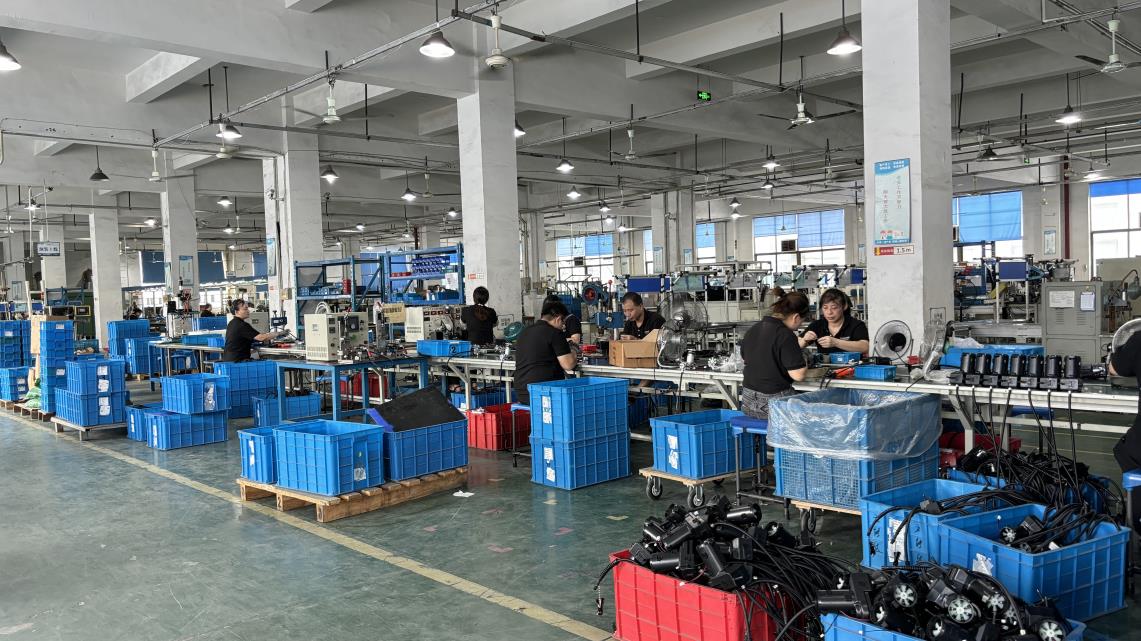
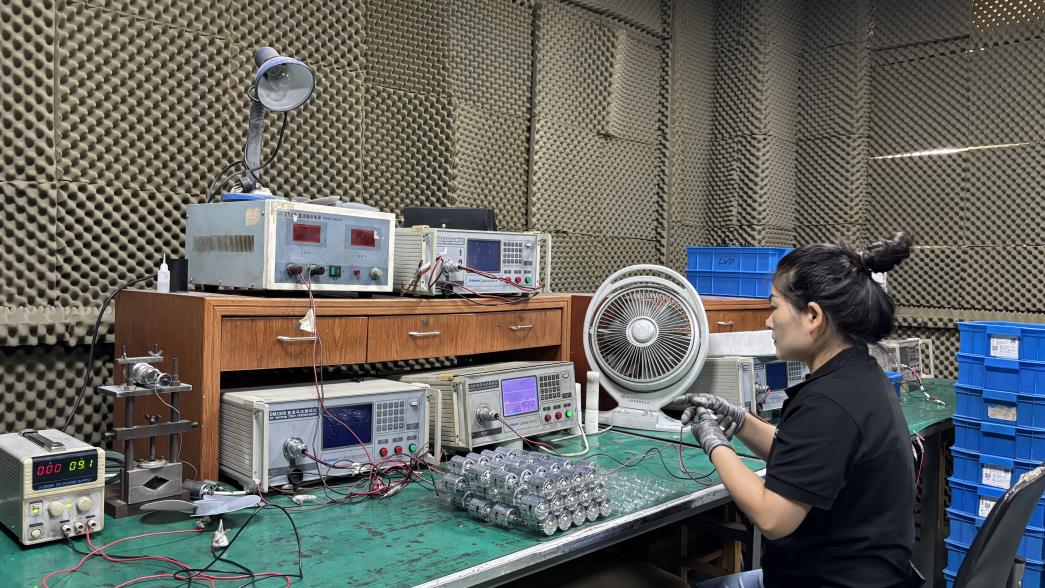
Our manufacturing plant features automated assembly, precision rotor balancing, and advanced acoustic chambers. Explore our facility steps:

Driven by automation and smart transit systems, the micro-drive engineering field is shifting toward high power density, digital commutation, and network-integrated control topologies.
By integrating high-remanence Neodymium (NdFeB) permanent magnets alongside advanced winding techniques, we achieve up to 35% higher torque-to-volume ratio. Our future designs employ self-lubricating sintered bronze bearings and specialized synthetic esters to guarantee zero-maintenance lifespans in extreme ambient thermal ranges (-40°C to +105°C).
Modern automotive and industrial applications demand smart feedback. Our R&D pipeline focuses on integrating Hall-effect encoders and localized microcontrollers supporting Local Interconnect Network (LIN) and Controller Area Network (CAN) protocols. This allows real-time diagnostics, soft-start ramping, and precise fractional-degree position adjustments.
To support high-precision medical pump mechanisms and smart home locks, we are refining our micro-gear manufacturing. Utilizing specialized polyoxymethylene (POM) and high-strength metal powder injection molding (MIM) processes, our gearboxes achieve tooth pitch errors under 5 arc-minutes, drastically reducing operational backlash and acoustic noise levels below 35dB.
Translating raw micro-power into reliable linear and rotational output across high-compliance domains.
| Industry Vertical | Primary Application Challenges | TQC Engineered Solution | Typical Performance Metrics |
|---|---|---|---|
| Automotive Comfort Systems | Space constraints, severe vibration profiles, and necessity for low audible noise during seat, mirror, or lumbar adjustment. | Custom low-profile permanent magnet motors with specialized carbon-brush materials to mitigate EMI emissions. | 12V/24V input, speed up to 20,000 RPM, torque outputs optimized via tailored gear ratios. |
| Smart Home Automation | High starting torque requirements for window motorized blinds, automated garage entry, and smart door deadbolts. | Compact spur and planetary gear configurations with reinforced output shafts and integrated thermal overload sensors. | High-torque-density gearmotors operating down to 6V, designed for >100,000 duty cycles. |
| Medical Device Engineering | Sterilization tolerances, fluid ingress risk, and high positional accuracy requirements in infusion systems. | IP65-rated micro-gearmotors with double-shielded ball bearings and custom shaft flats for encoder coupling. | Ultra-low current draw, precision voltage-to-RPM scaling, low magnetic signature. |
| Agricultural & Marine Automation | Exposure to humidity, corrosive salt air, dust, and continuous operation in remote environments. | Corrosion-resistant treated steel housing, customized sealing rings, and heavy-duty planetary gearboxes. | IP67 compliance options, dynamic torque preservation across extended run-times. |
Unifying automated manufacturing processes, strategic sourcing, and deep industrial integration to mitigate sourcing risks for global partners.
By shifting traditional production methods toward CNC-driven automation, our assembly plant utilizes automated armature winding, laser commutator welding, and computerized rotor insulation drip varnishing. Automation eliminates human variable errors, stabilizing the quality distribution curve across huge production runs.
Operating from China's primary industrial motor cluster, TQC maintains instant access to raw copper wiring, precision-graded electrical steel laminations, custom-formulated polymers, and high-precision sintered metals. This localized ecosystem dramatically shortens production lead times and reduces component transport costs, passing the financial savings directly to our global customers.
We counter raw material cost volatility and shipping delays through strategic safety stock buffers of critical components and raw materials. Together with our dual-port logistics routes through Ningbo and Shanghai, TQC guarantees continuous delivery operations even amidst complex macroeconomic conditions.
Strict Quality Checks integrated directly into our Stator Assembly Line.
Understanding the strict procurement workflows, regulatory requirements, and technical verification standards of Fortune 500 engineering firms.
Standard catalog products rarely satisfy advanced design envelopes. Procurement leaders require a partner who offers rapid prototyping, customized shaft designs (D-cut, splined, threaded), matched gear ratios, and tailored mounting flanges to eliminate the need for secondary adapter plates.
Supplying micro-drive systems to automotive or medical industries requires complete trace-ability. Exporters must provide Production Part Approval Process (PPAP) Level 3 documentation, FMEA (Failure Mode and Effects Analysis) worksheets, and standard compliance certificates for raw materials.
Global enterprises need assurance that their supplier can scale production seamlessly from prototype batches to mass-market quantities (100k+ units per month). TQC's automated assembly lines guarantee scale, and our healthy credit rating ensures long-term operational viability.
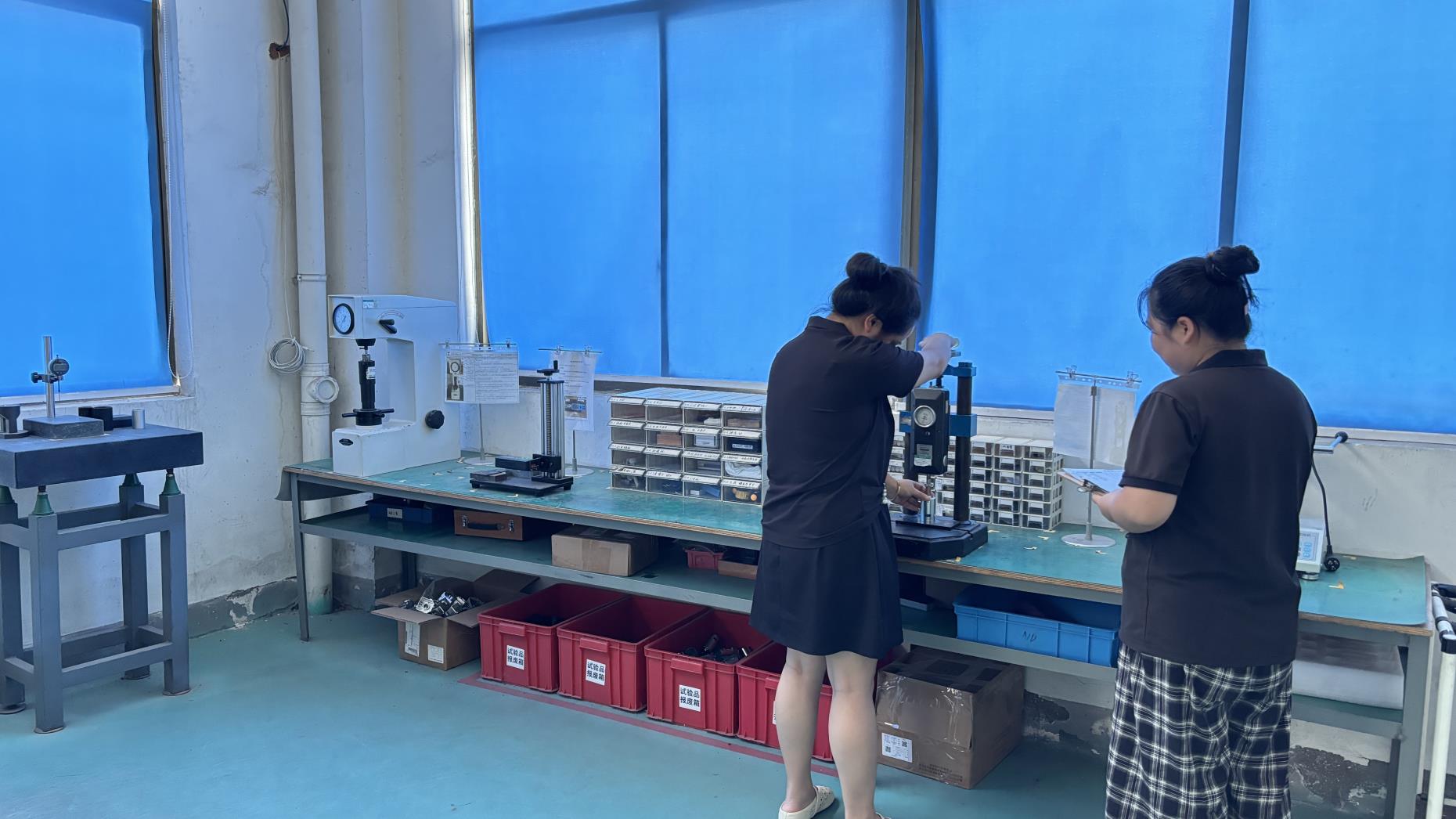
High-throughput automated quality validation for absolute compliance.
Expanding into foreign markets requires absolute compliance with local regulations. TQC ensures all products satisfy the environmental and safety standards of key importing regions, including RoHS, REACH, CE, and UL certifications.
Our engineering team is fluent in international drawing standards (such as ISO, ASME, and DIN), which eliminates translation friction and speeds up CAD sign-off stages. Additionally, we provide localized support through dedicated account managers who understand regional import codes, customs requirements, and local warehousing strategies (including DDP and JIT delivery arrangements).
To make sure our components integrate perfectly into your systems, we offer testing support. This includes providing dynamic motor performance graphs (torque/speed/current curves) and 3D step files to support your packaging simulation processes.
Answers to crucial technical questions concerning micro motor design, lifespan optimization, and material engineering.
Continuous-duty motors, custom voltages, and micro-drive engineering configurations built to OEM parameters.