TQC Micromotor
TQC Micromotor
TQC Micromotor
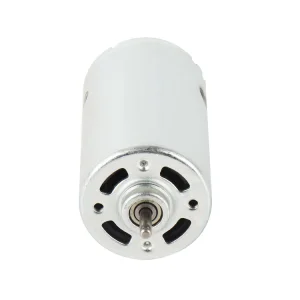
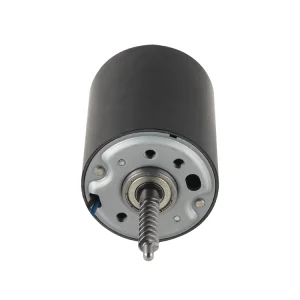
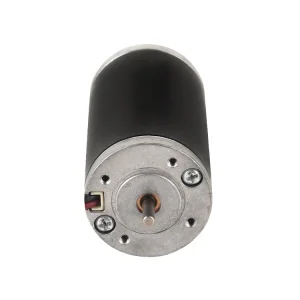
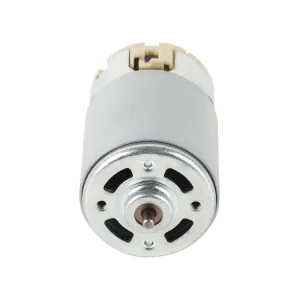
In the modern industrial landscape, acoustic optimization has transitioned from a localized design feature to a key global compliance standard. As automation moves closer to human interaction zones—through applications like medical rehabilitation pumps, smart home assistants, personal mobility devices, and precision logistics cobots—minimizing mechanical whine and structural resonance has become a key competitive factor for system engineers.
According to recent industrial acoustic studies, mechanical components operating at noise thresholds exceeding 45 decibels (dBA) in localized zones can trigger early operator fatigue and degrade user experiences in consumer-facing environments. Consequently, top-tier global OEMs are increasingly specifying gearmotors that satisfy noise requirements under 35 dBA at a 30cm measurement distance. Achieving this requires strict control over electromagnetic harmonics, gear tooth profile errors, dynamic balancing, and tribological efficiency.
Integrating advanced tooth profile modifications (helical and spur geometries) to minimize transmission errors and maximize torsional contact ratio.
Implementation of synthetic elastomeric damping elements and noise-absorbent gear enclosures that reduce high-frequency structural vibration.
Strict adherence to ISO 9001, CE, RoHS, and REACH guidelines, ensuring chemical, structural, and electromagnetic compatibility across markets.
At TQC Micromotor, we believe that global innovation shouldn't be limited by size. For two decades, we have dedicated ourselves to a single, relentless pursuit: designing, engineering, and manufacturing high-performance micro-drive solutions that keep modern industries moving forward. Based in China, we operate a state-of-the-art, ISO9001-certified production facility specializing in Micro DC Motors, DC Gear Motors, and Brushless DC Motors (BLDC).
The name TQC represents our foundational pillars: Top Quality & Customization. We understand that applications like smart home automation, medical devices, automotive electronics, and precision robotics demand uncompromised reliability. That is why every TQC micro motor is built with an exceptional power-to-size ratio, ultra-low noise acoustics, and an extended operational lifespan, backed by strict 100% in-house quality control and international certifications (CE, RoHS, REACH).
We don't just supply standard hardware; we act as a strategic R&D partner. With a robust engineering team holding multiple industry patents, TQC thrives on solving complex mechanical challenges through flexible OEM/ODM custom solutions. From custom shaft configurations and custom voltage tuning to specialized bespoke gearheads, we turn your technical blueprints into high-volume, cost-effective reality.
To guarantee zero-defect acoustic consistency across production runs, we run integrated, automated fabrication lines. Each component of the gearmotor—from the rotor wind to the final gear train housing—undergoes structured testing. Below is an overview of our specialized engineering workshops and testing operations.

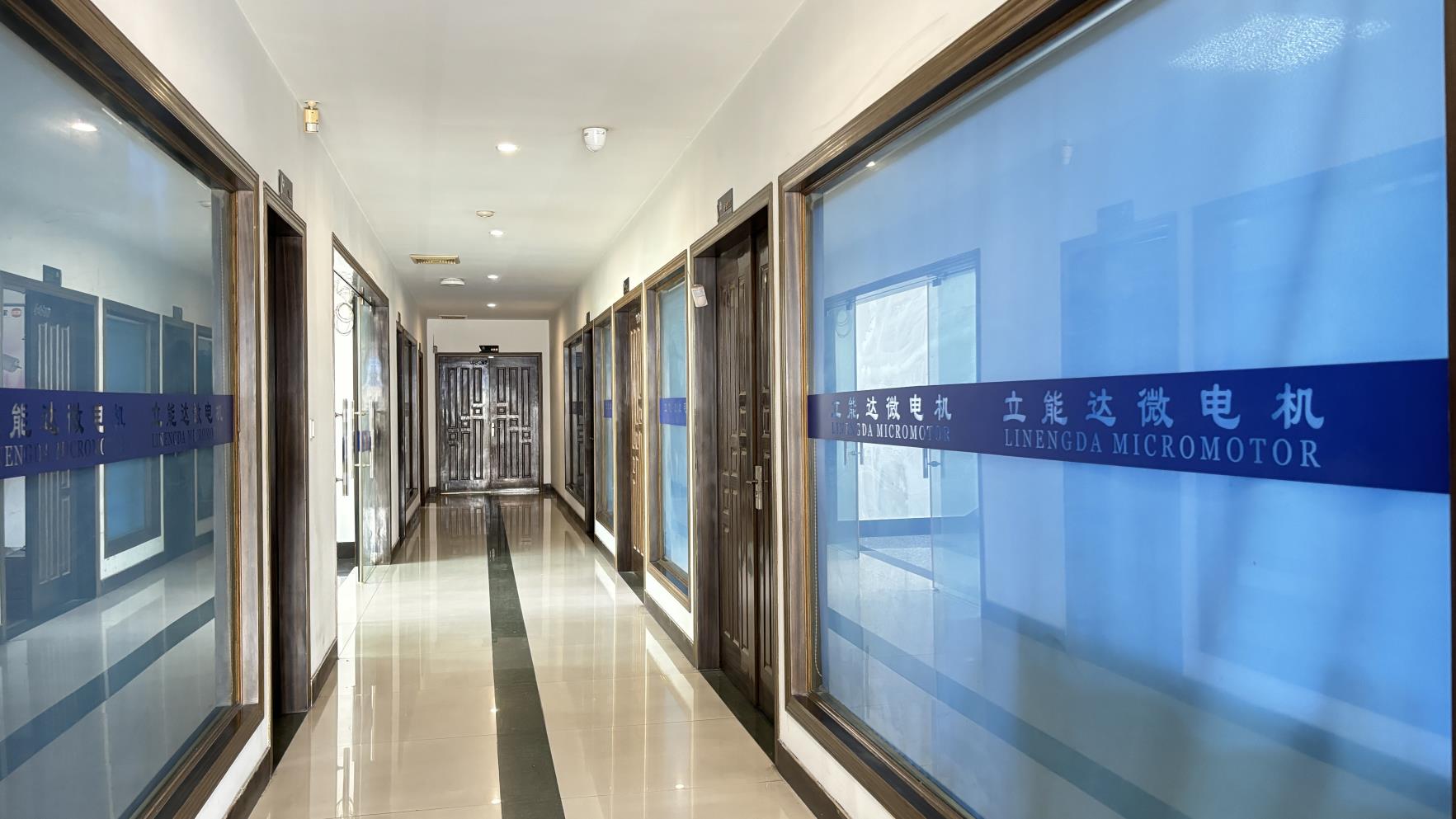
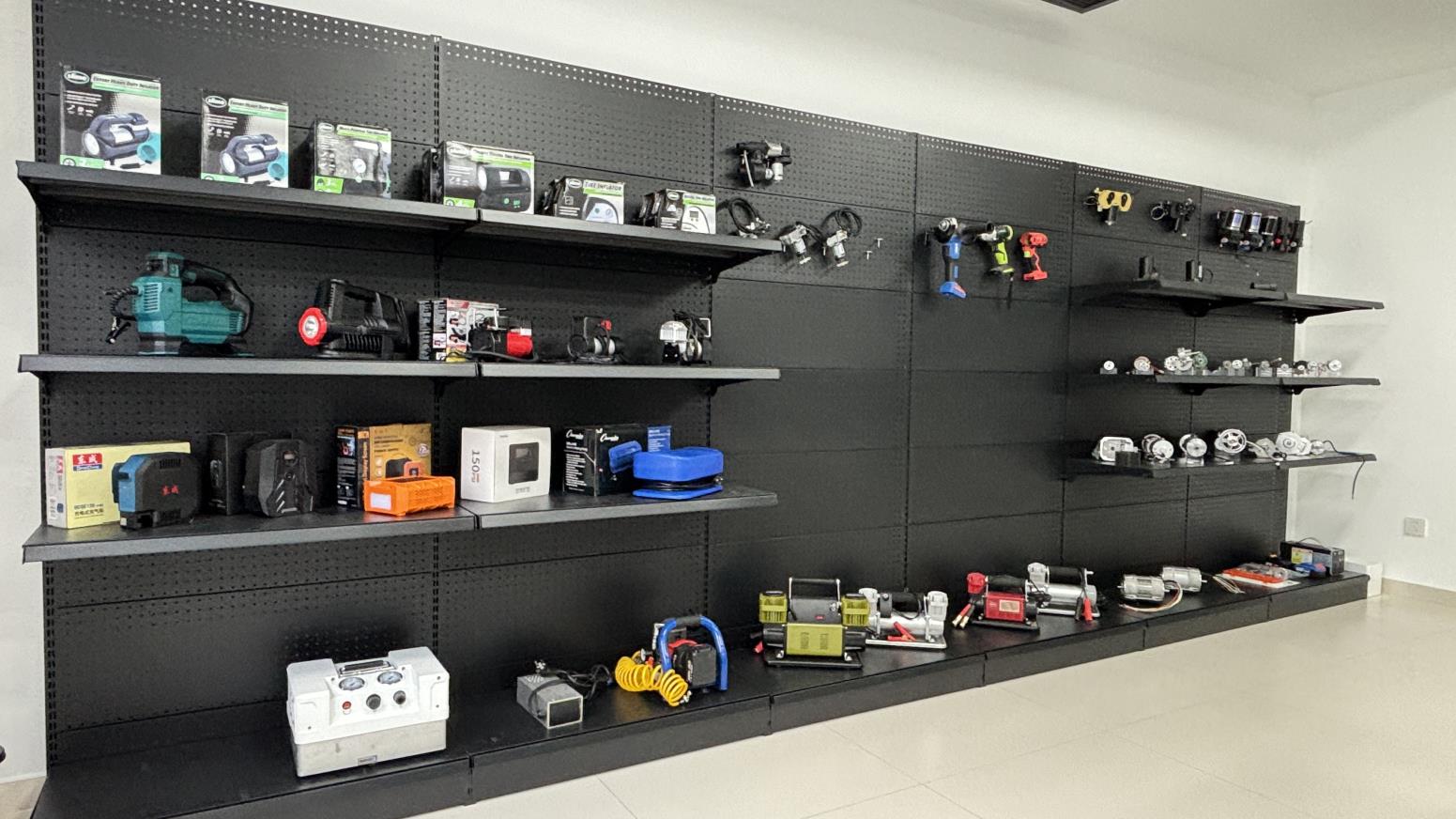
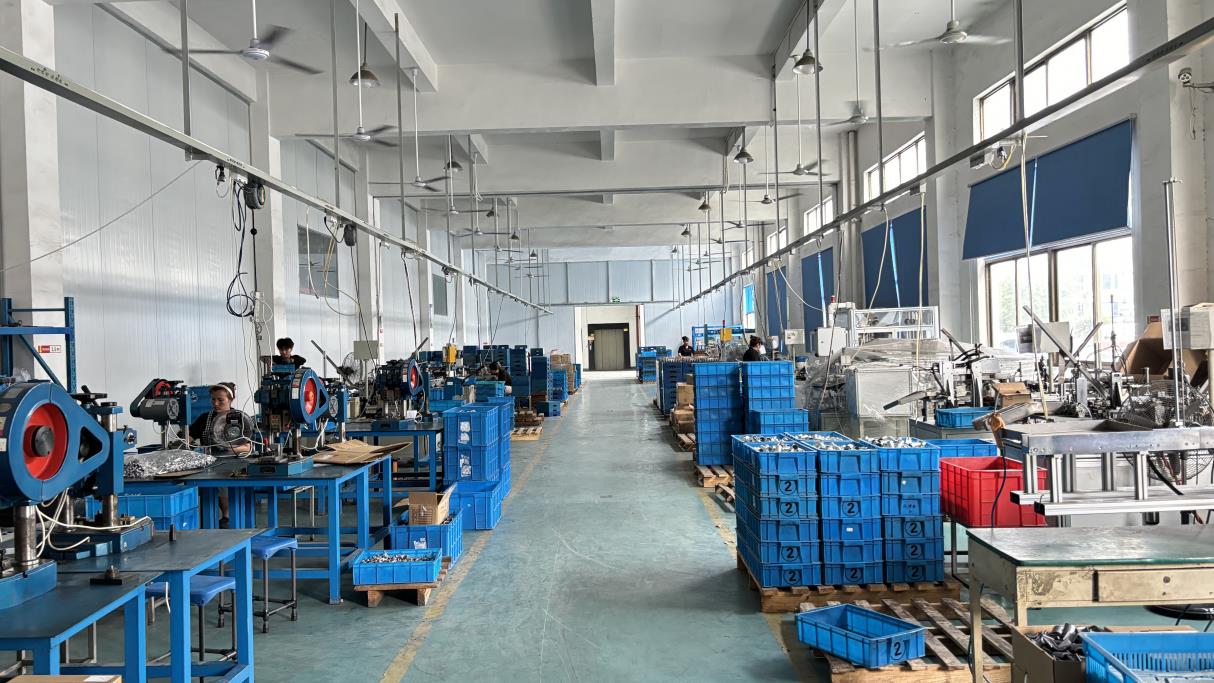
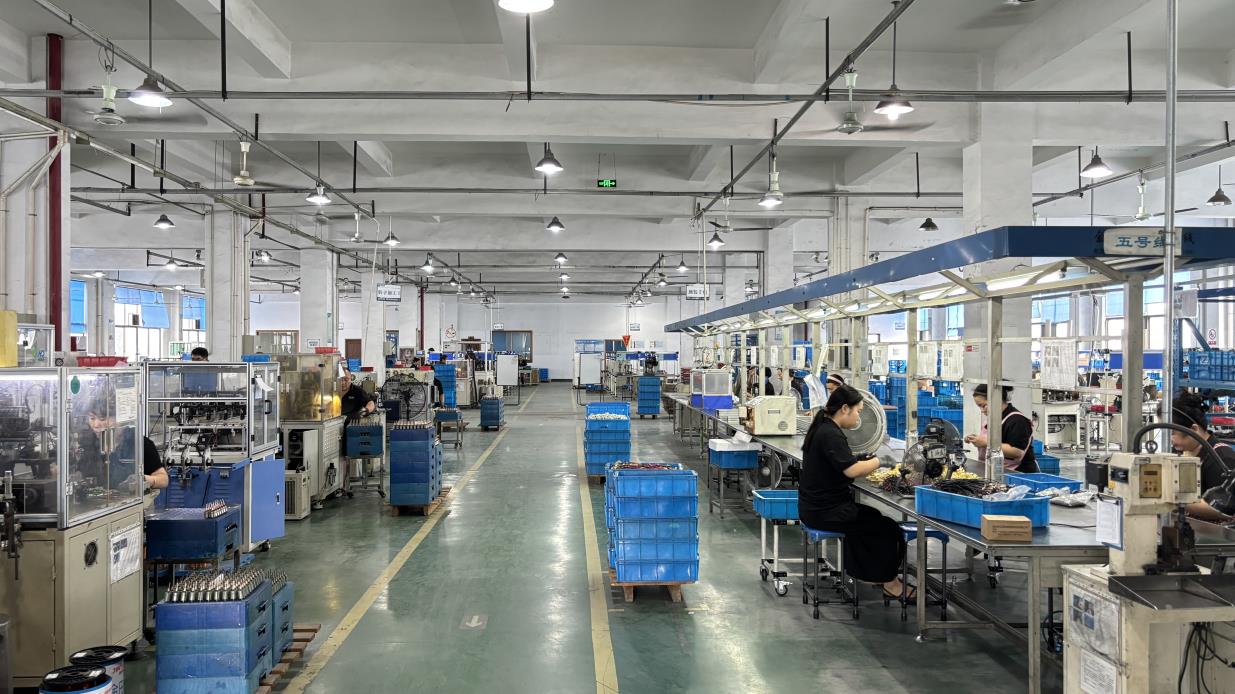
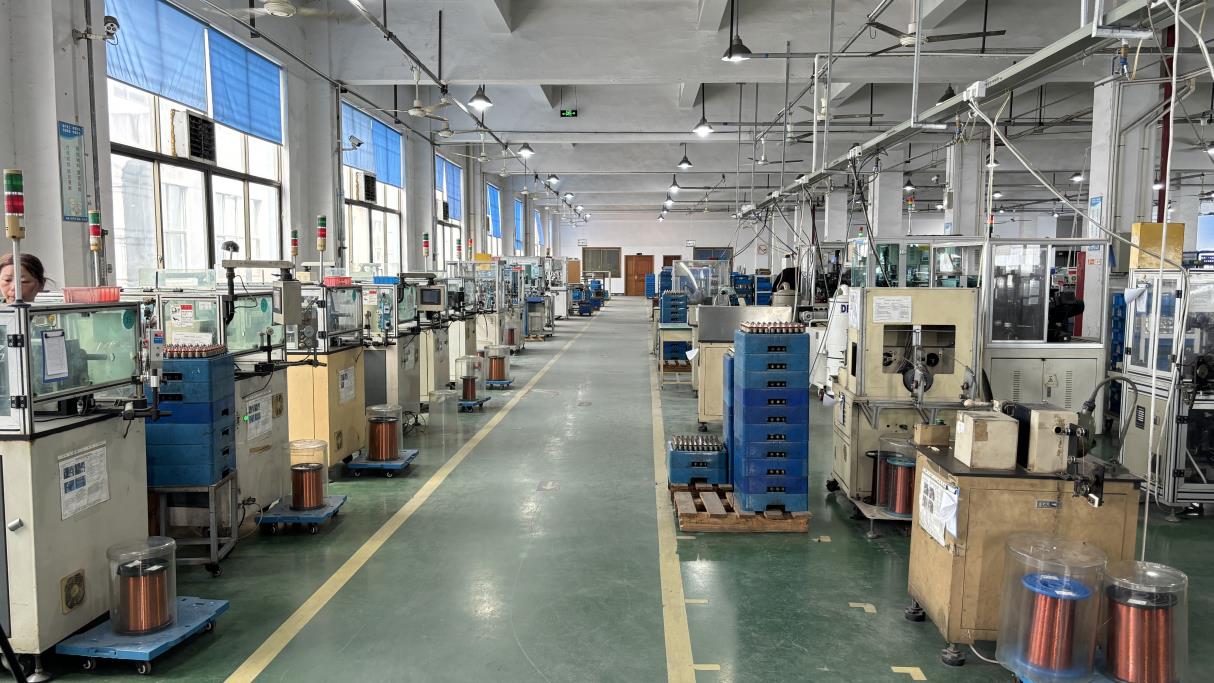
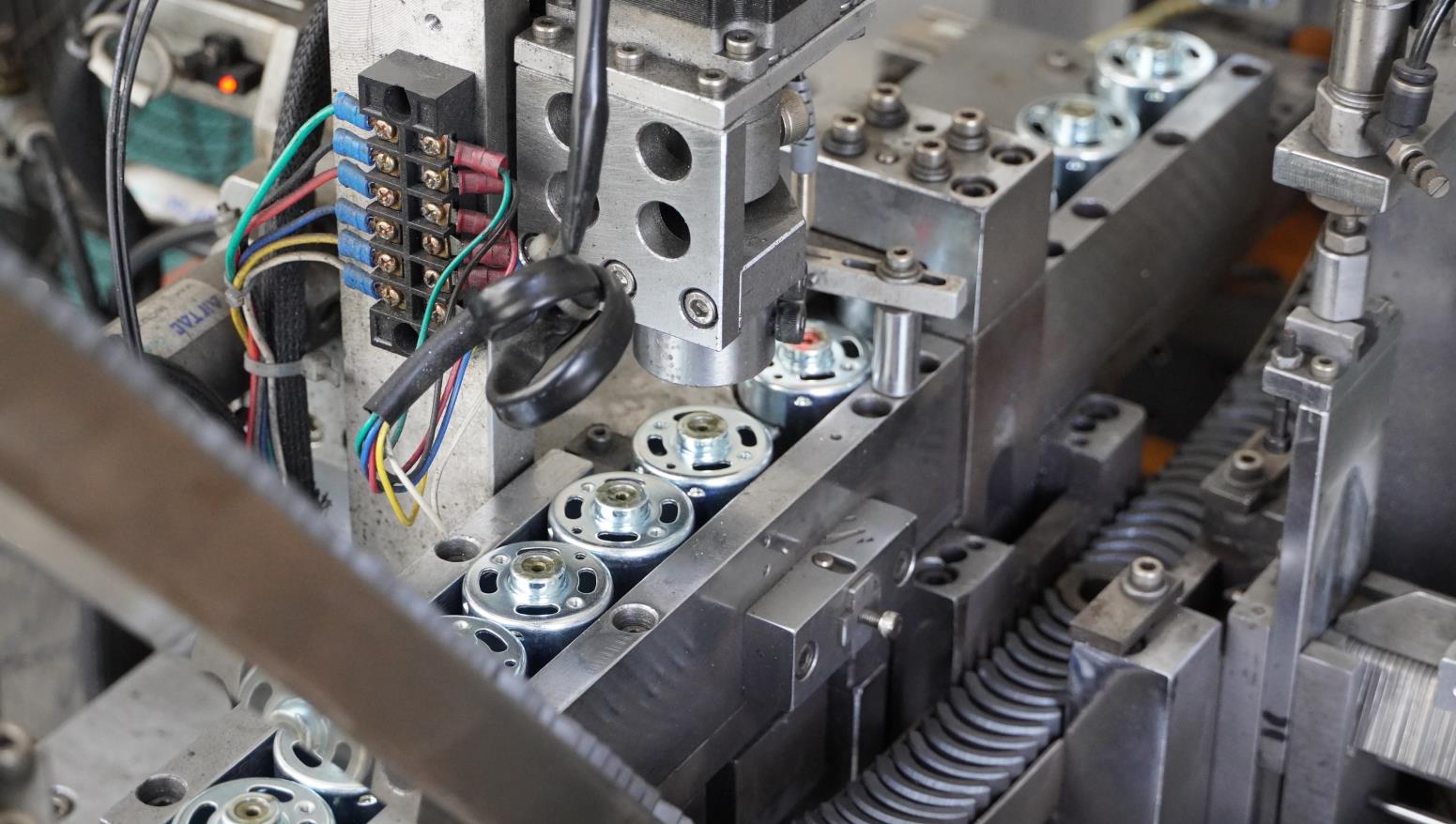
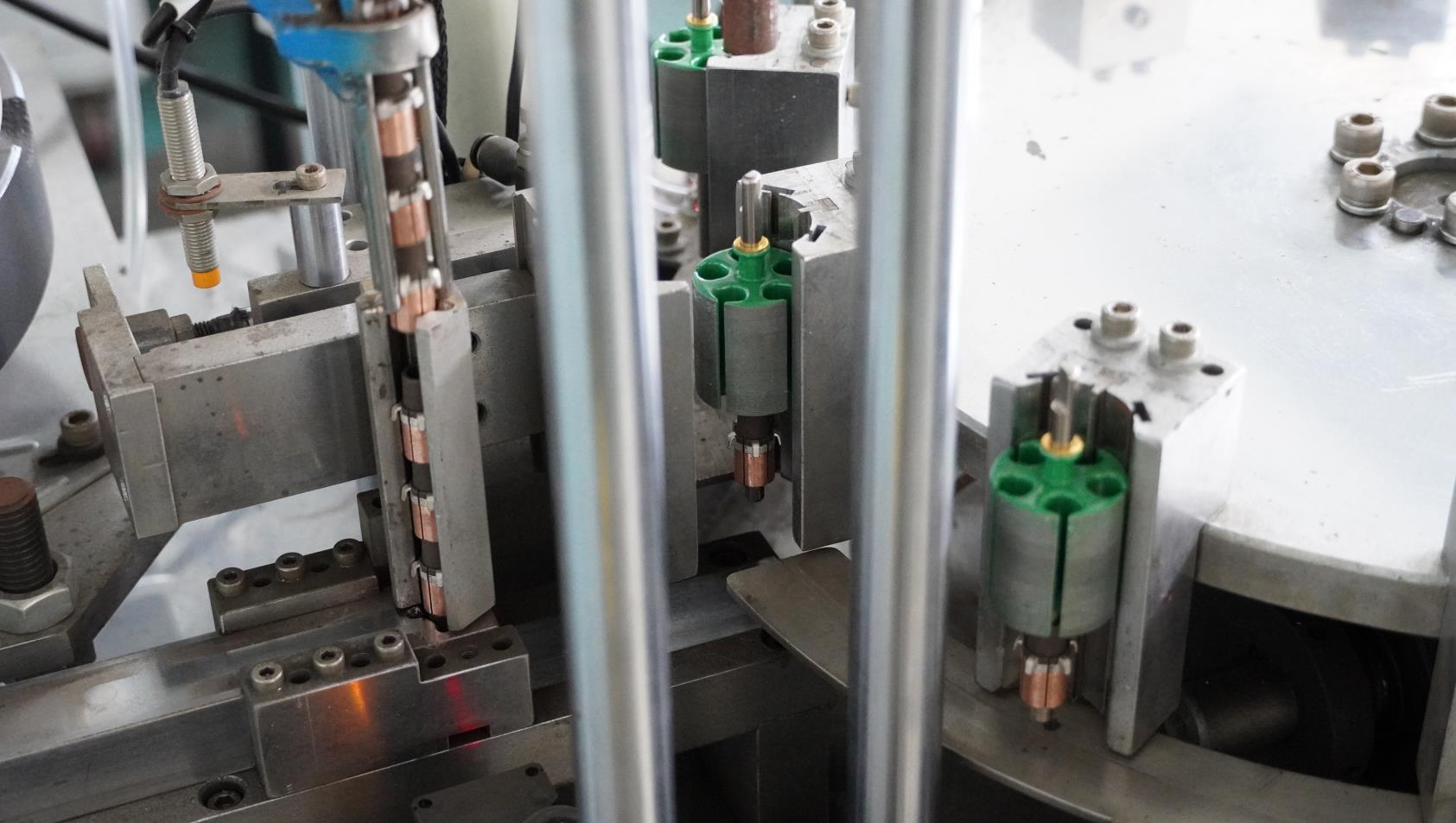
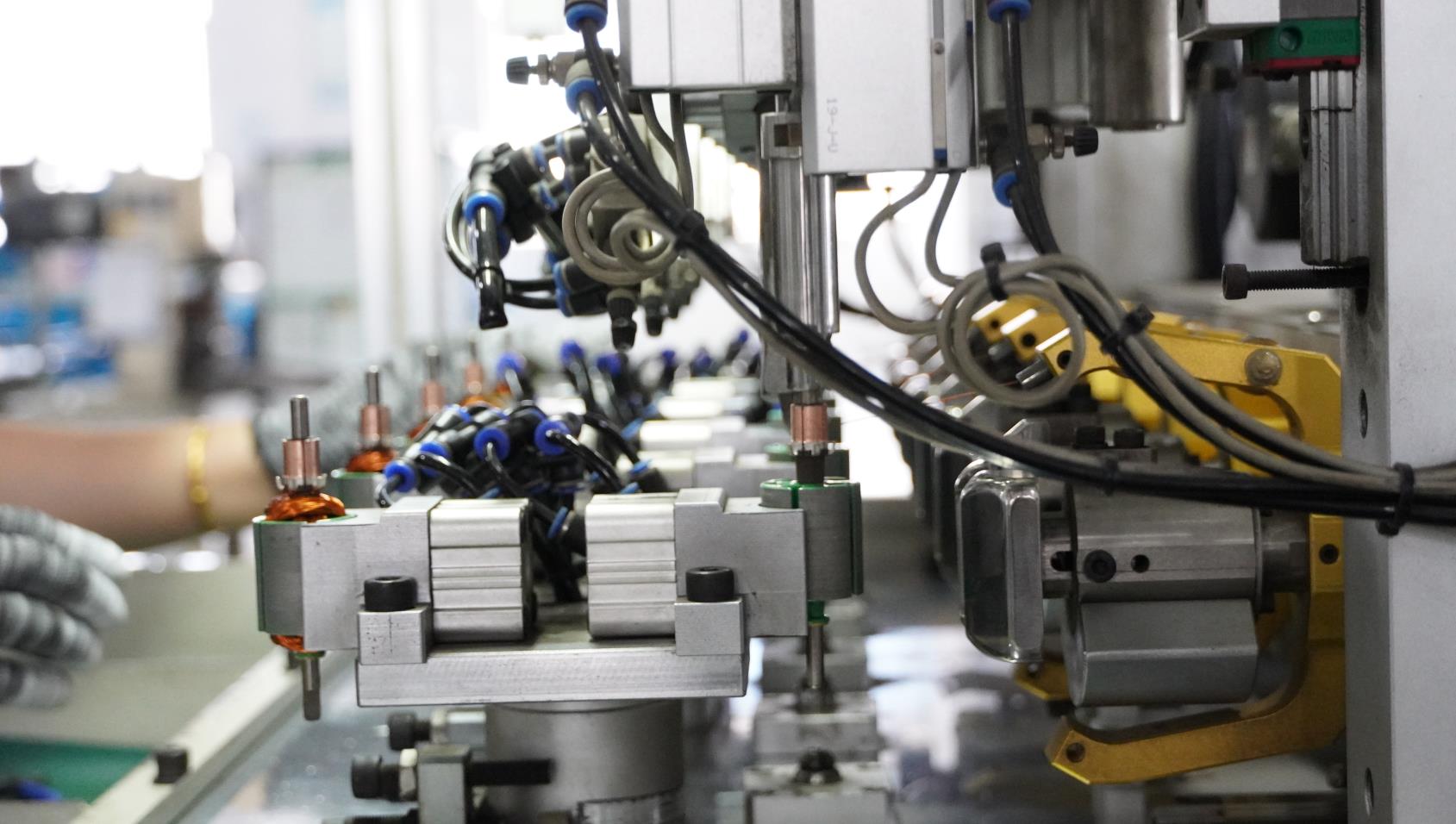
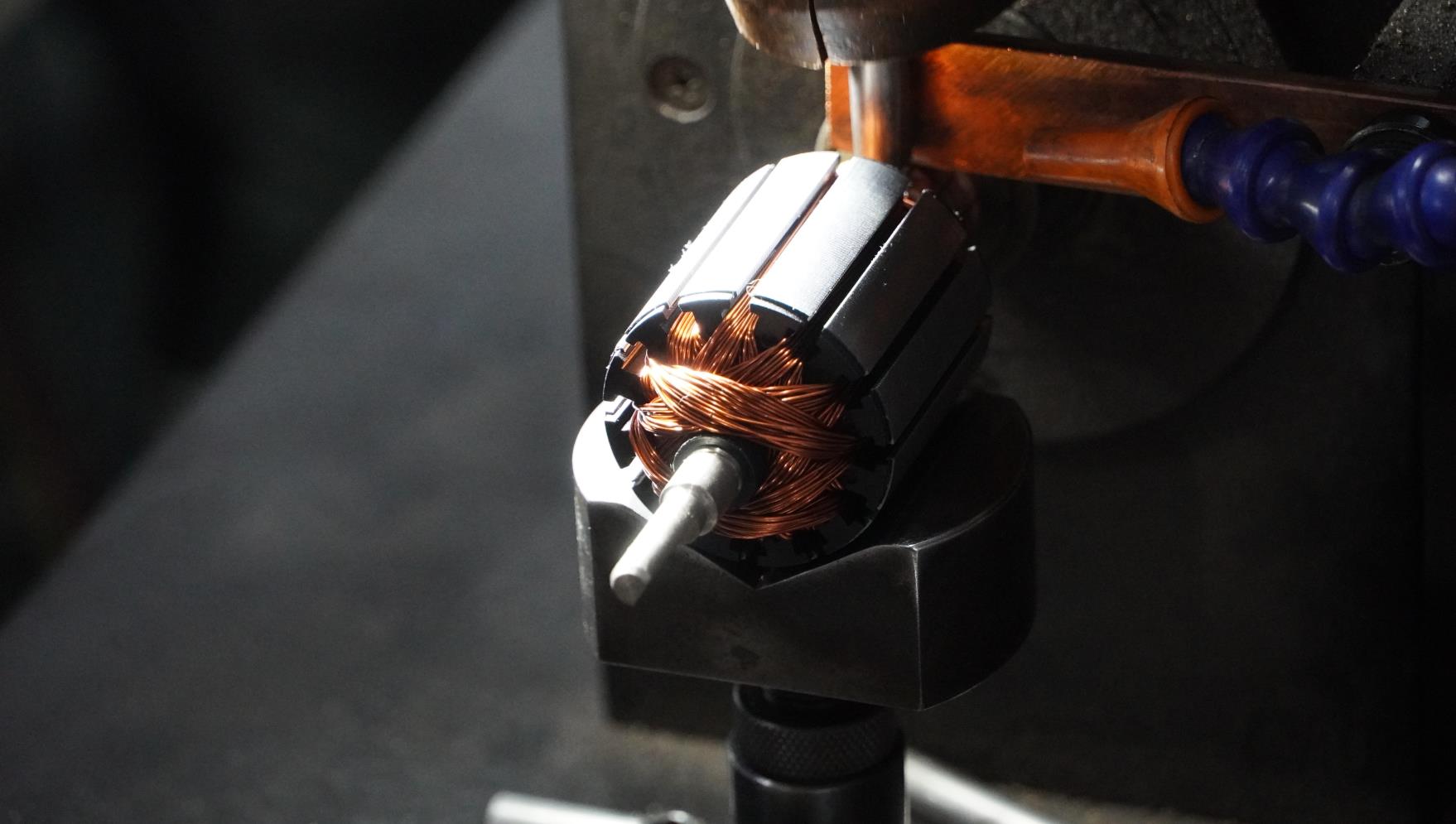
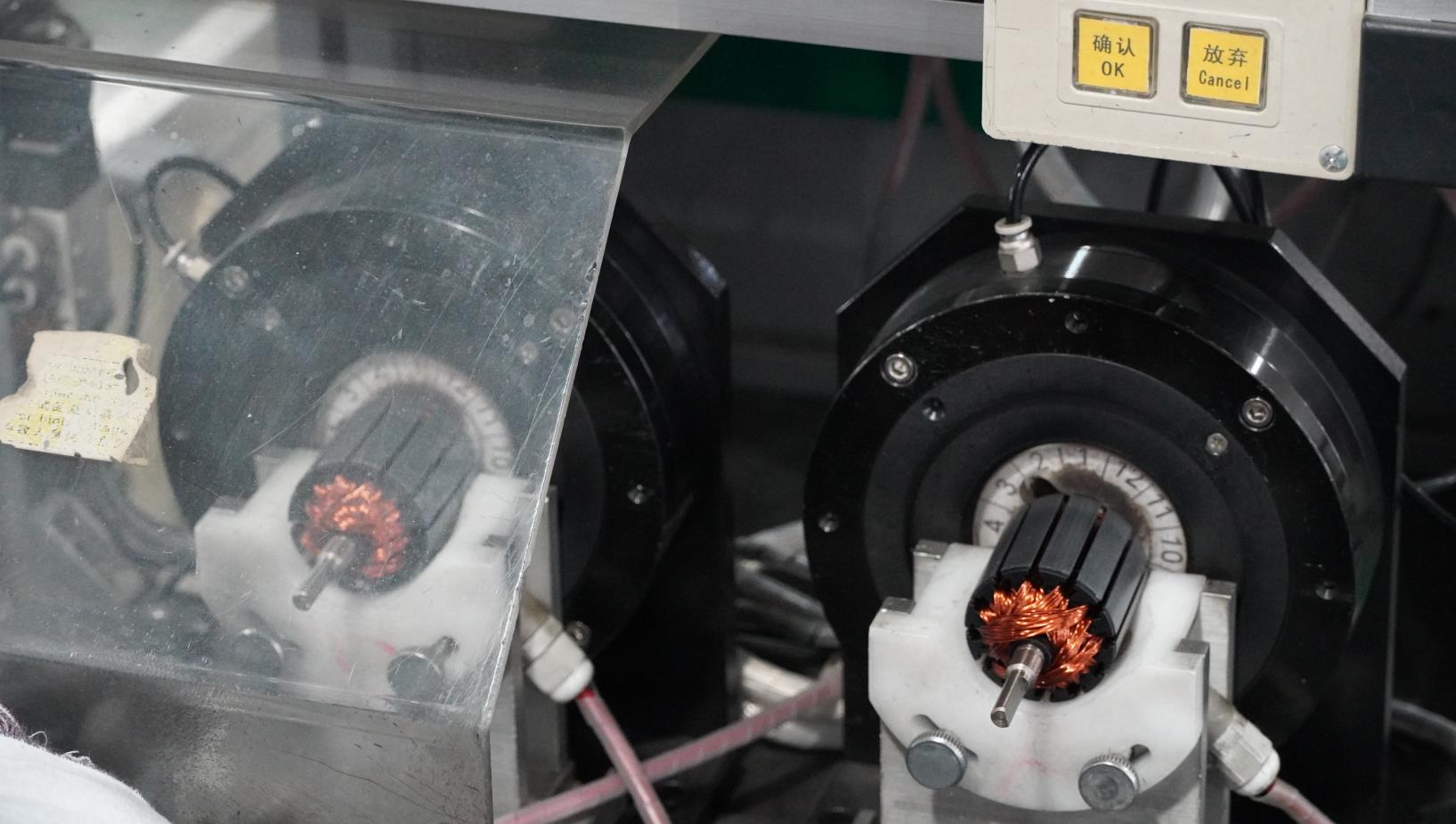
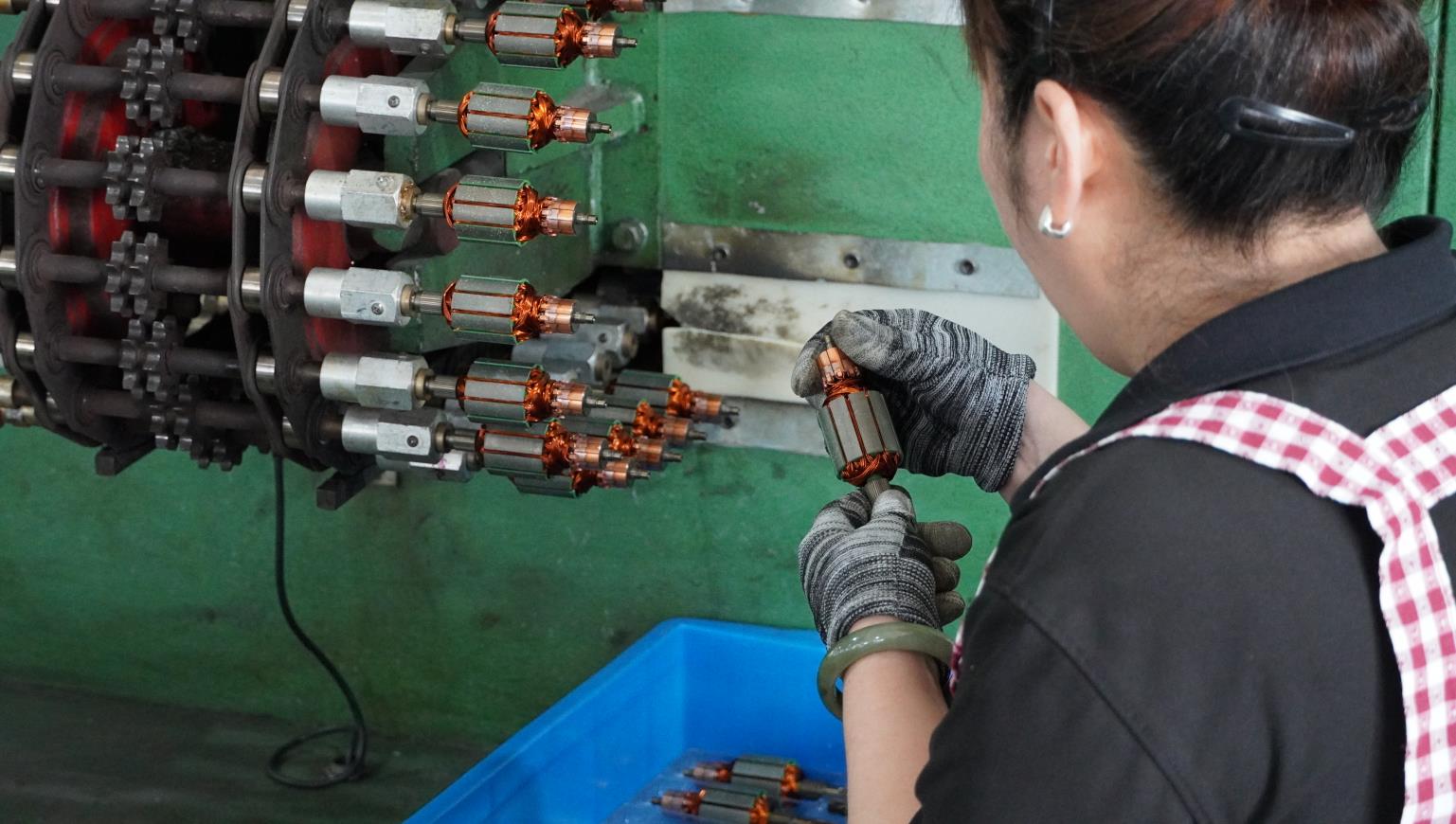
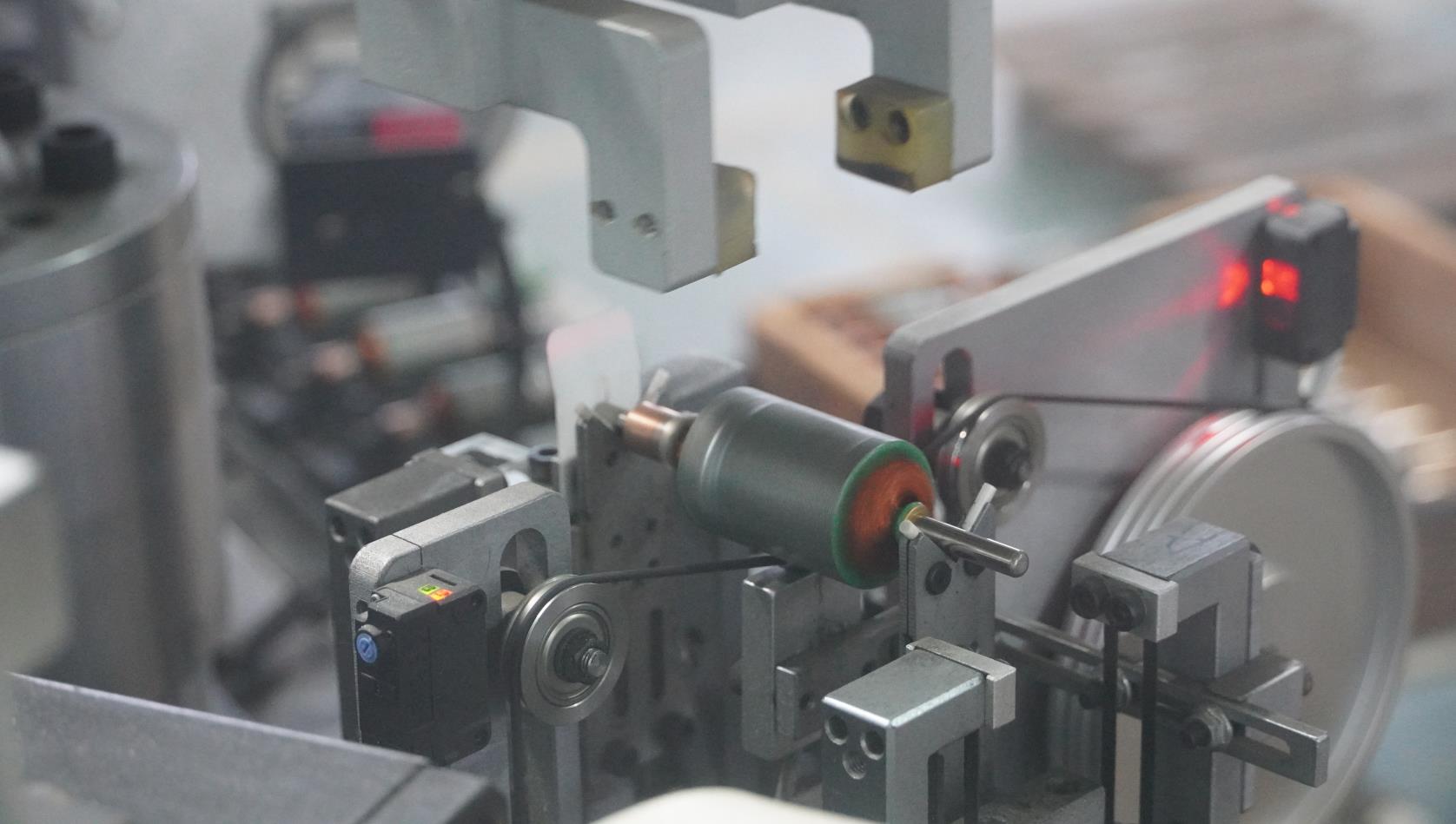
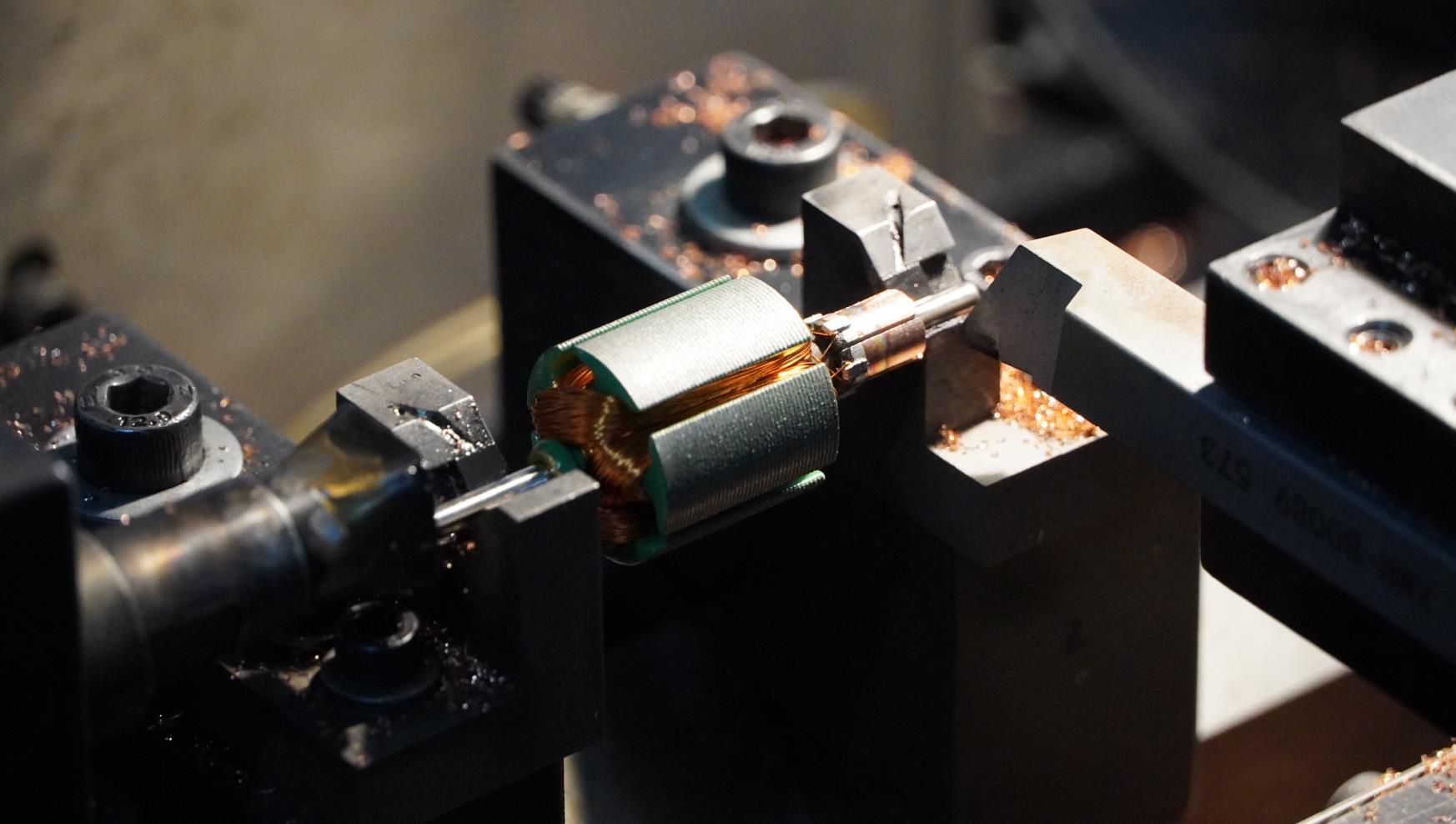
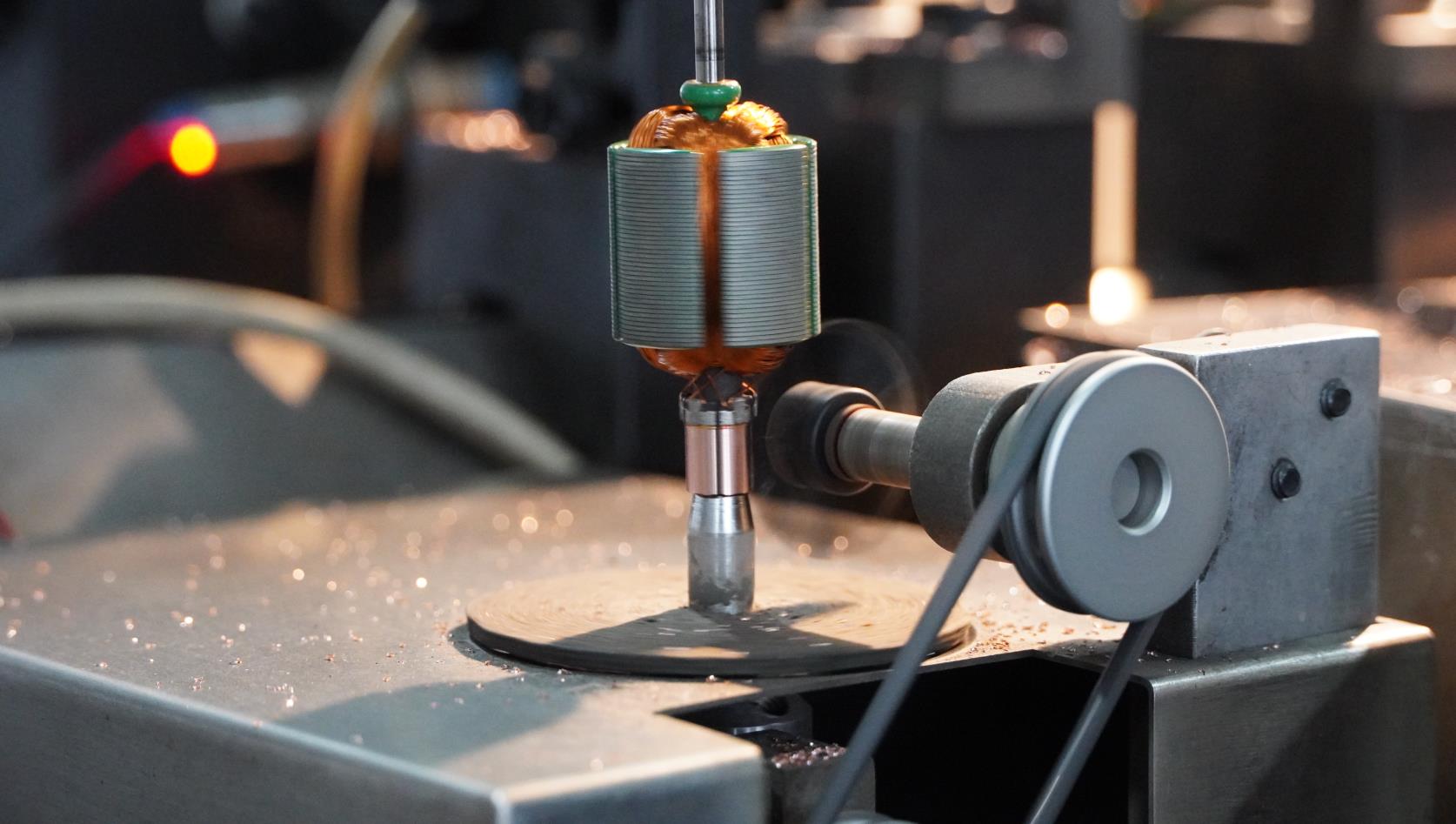
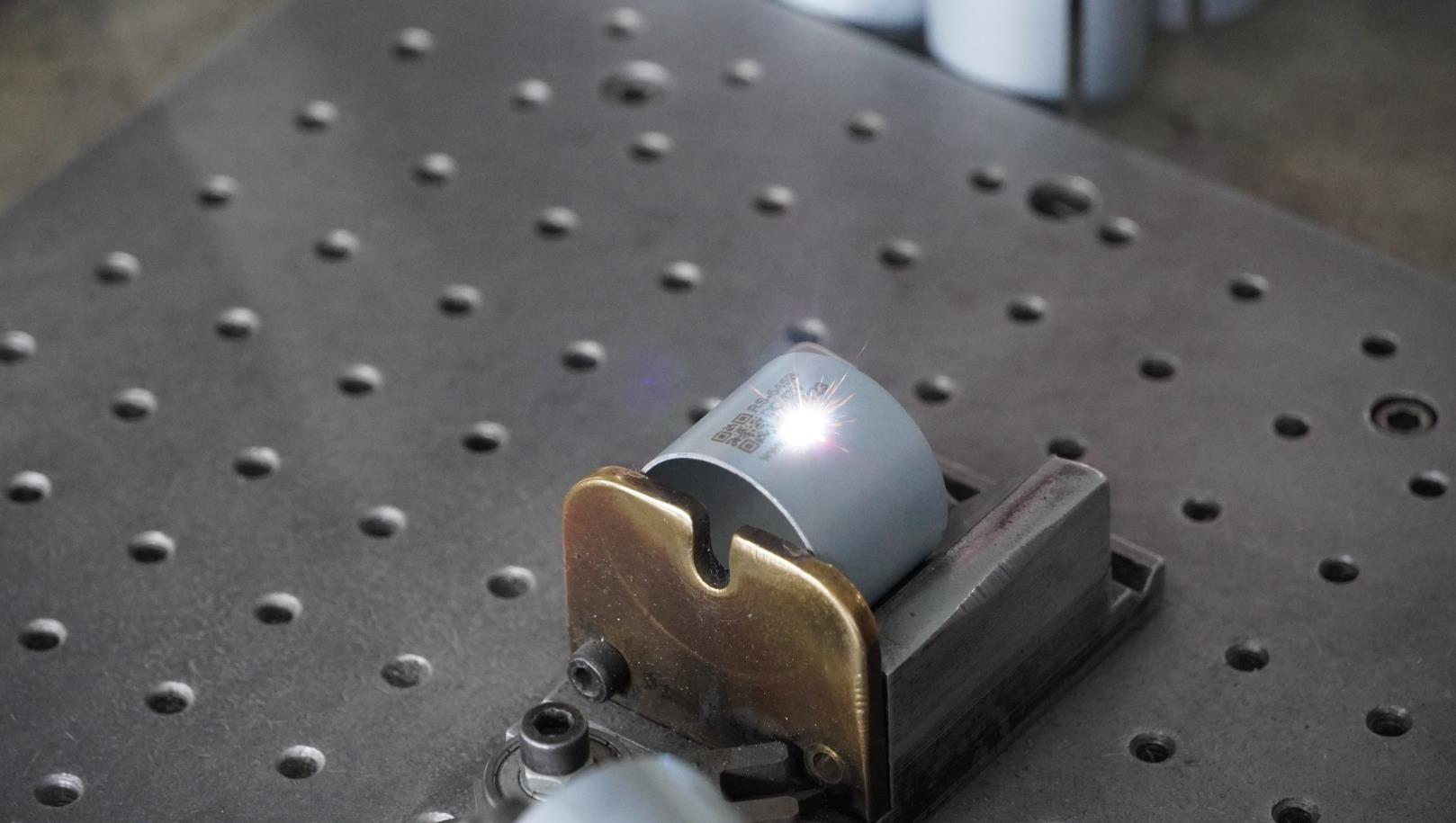
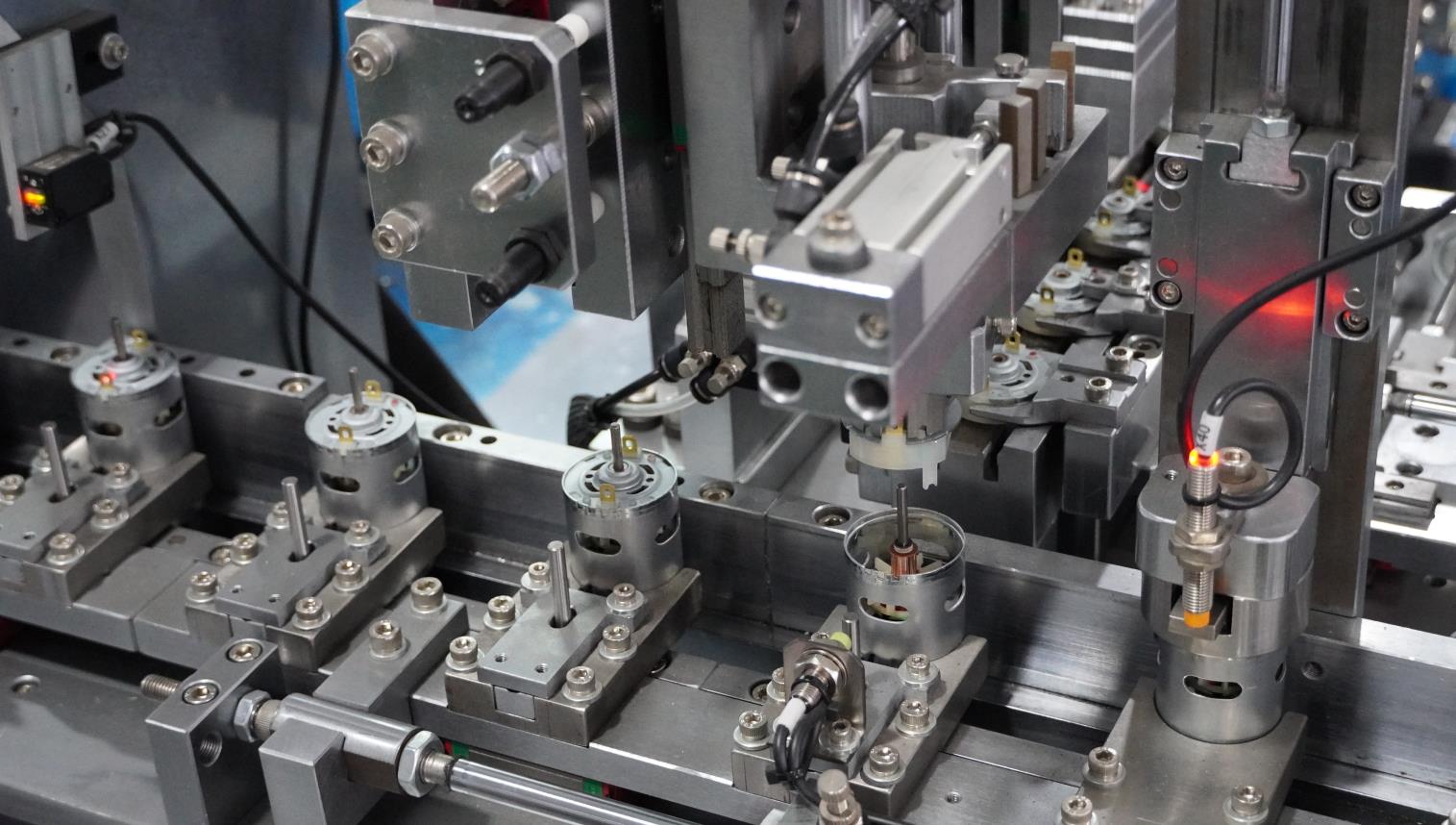
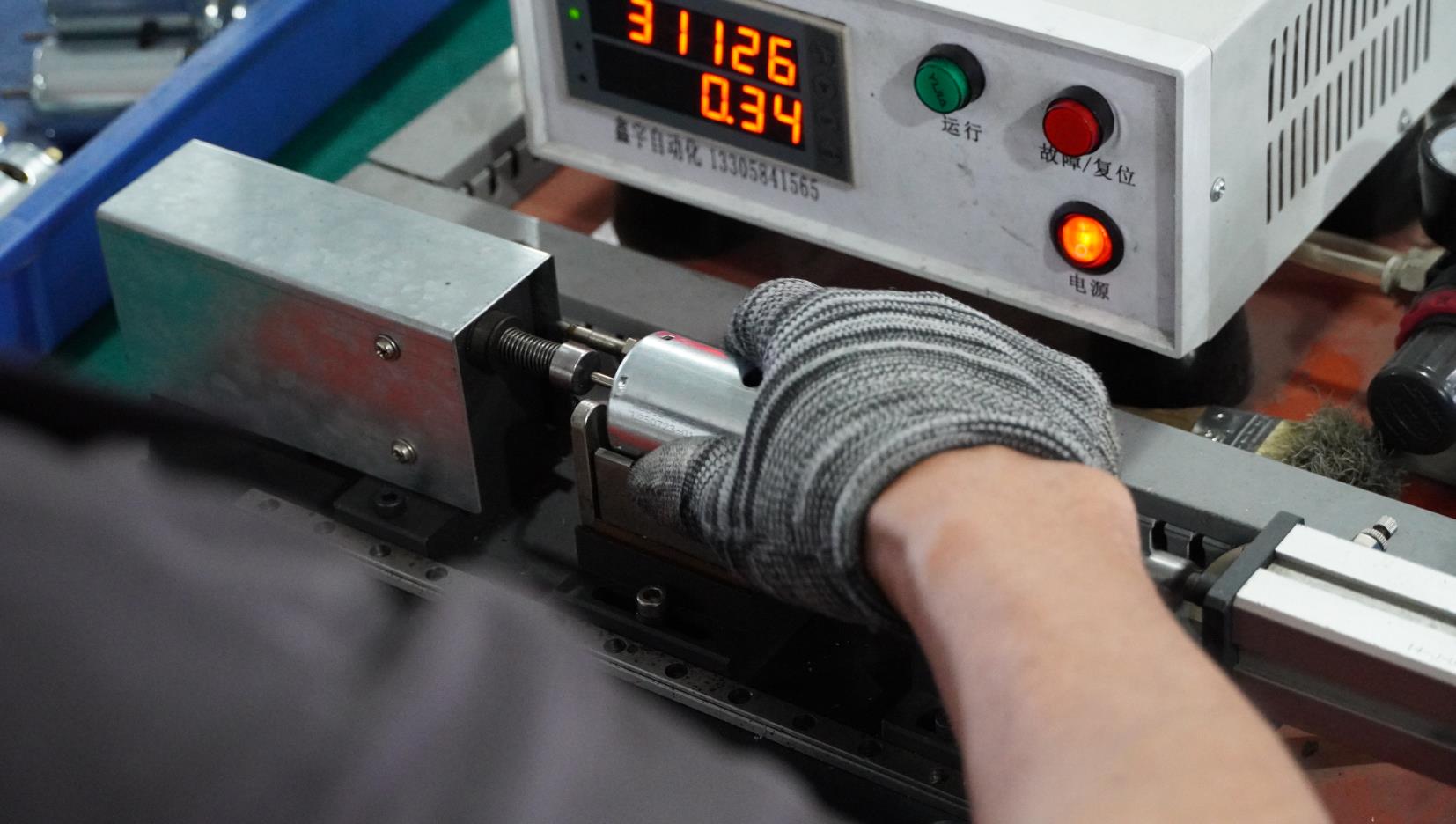
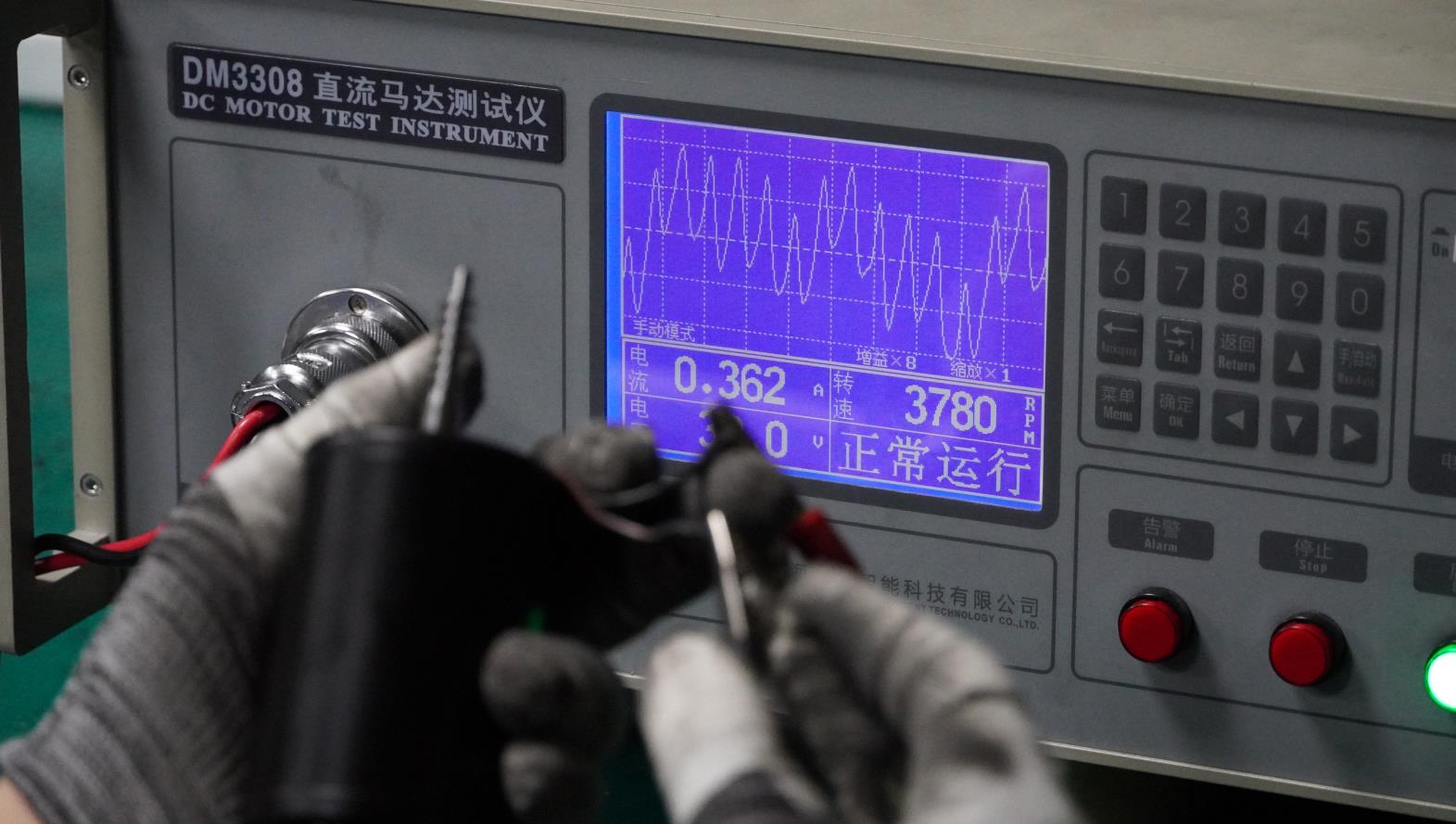
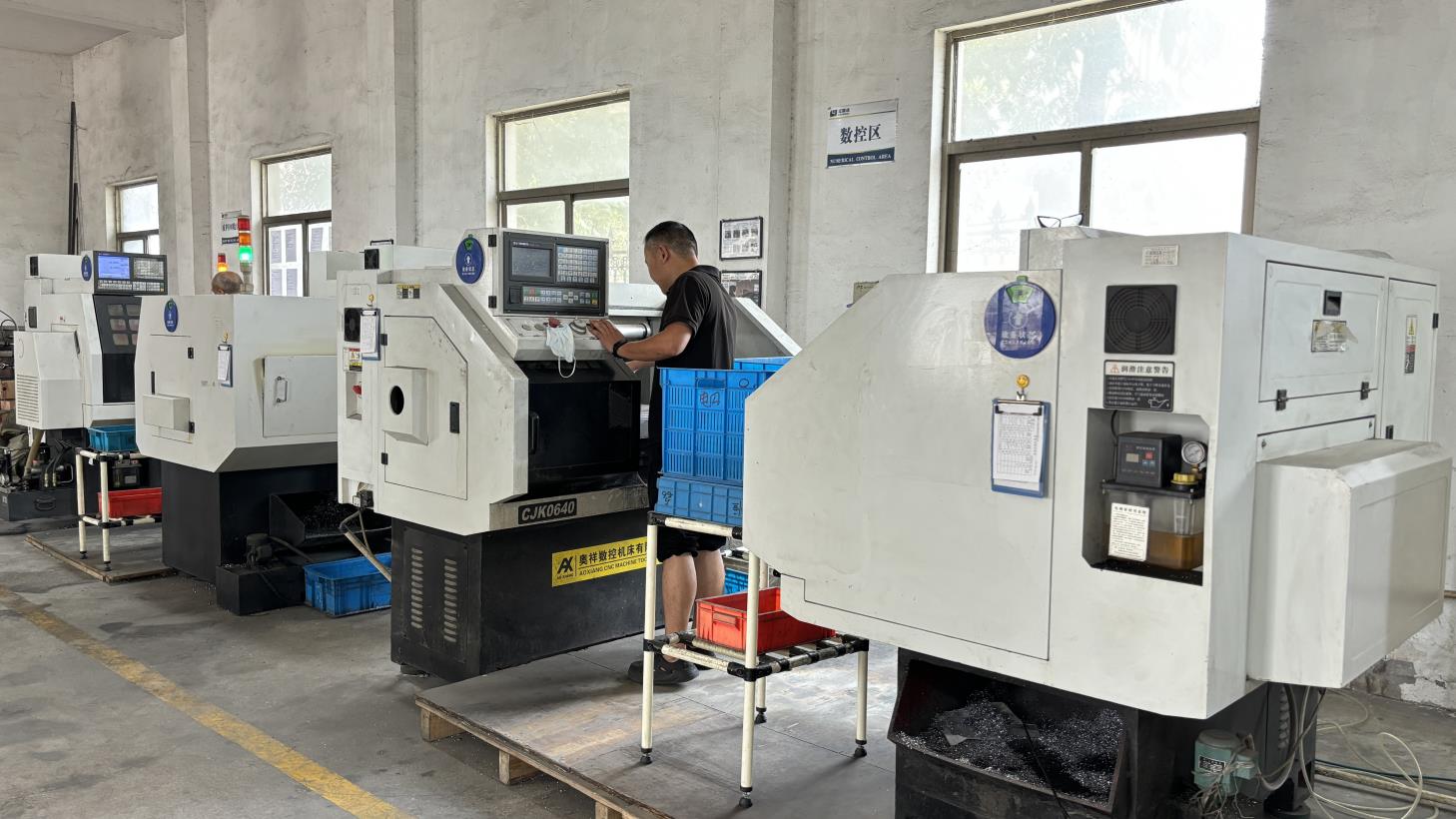
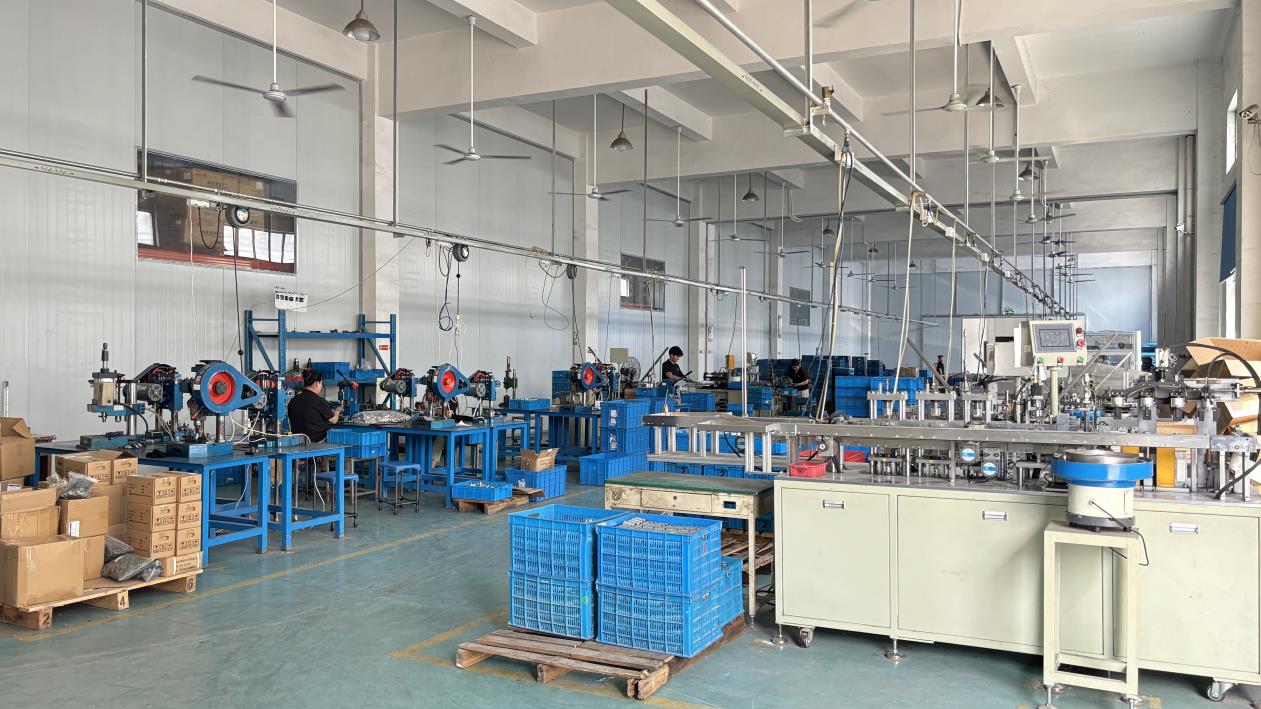
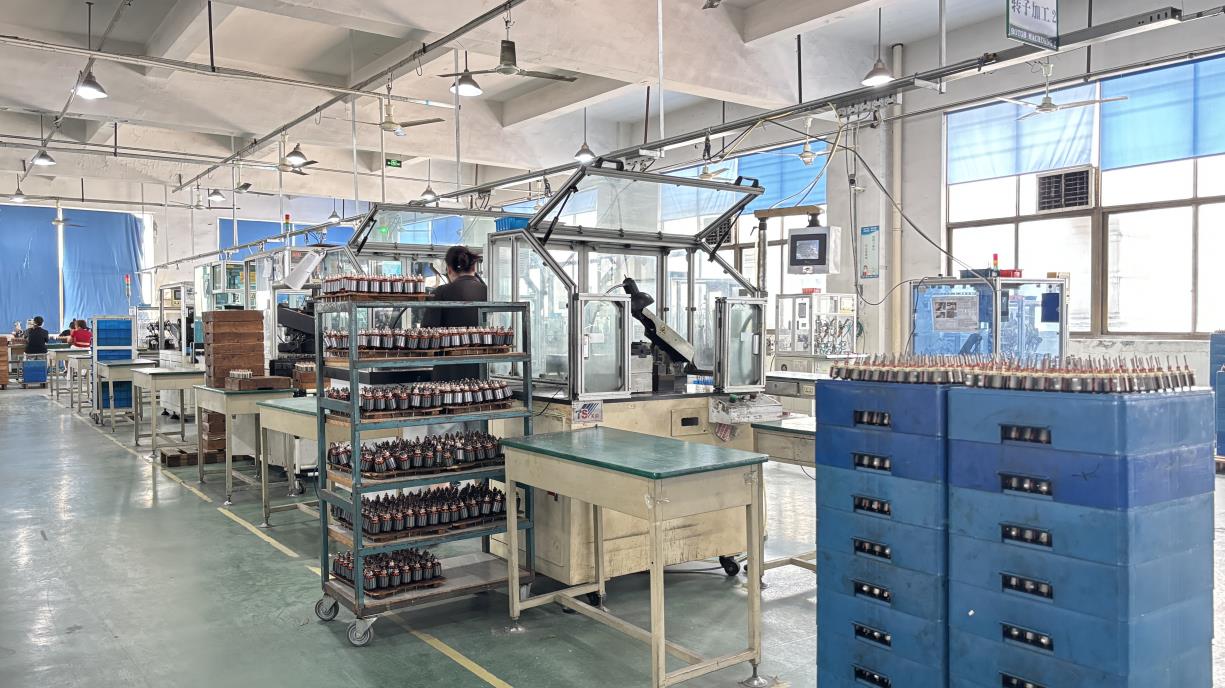
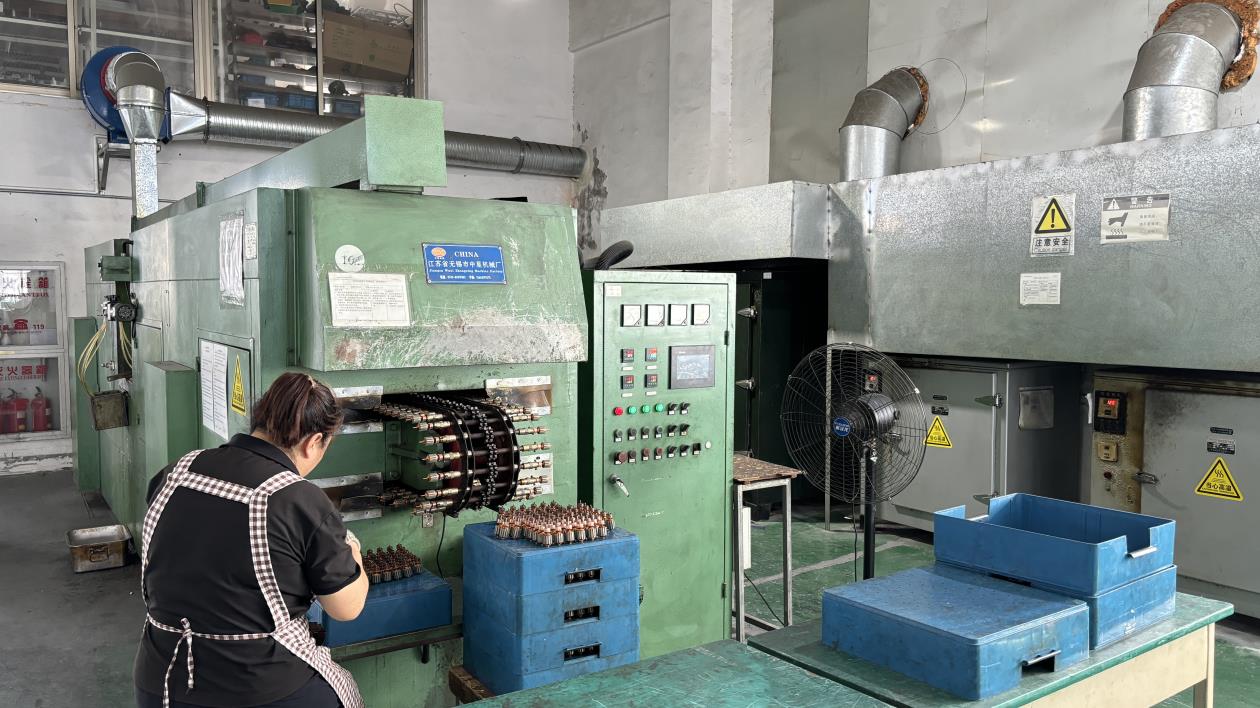
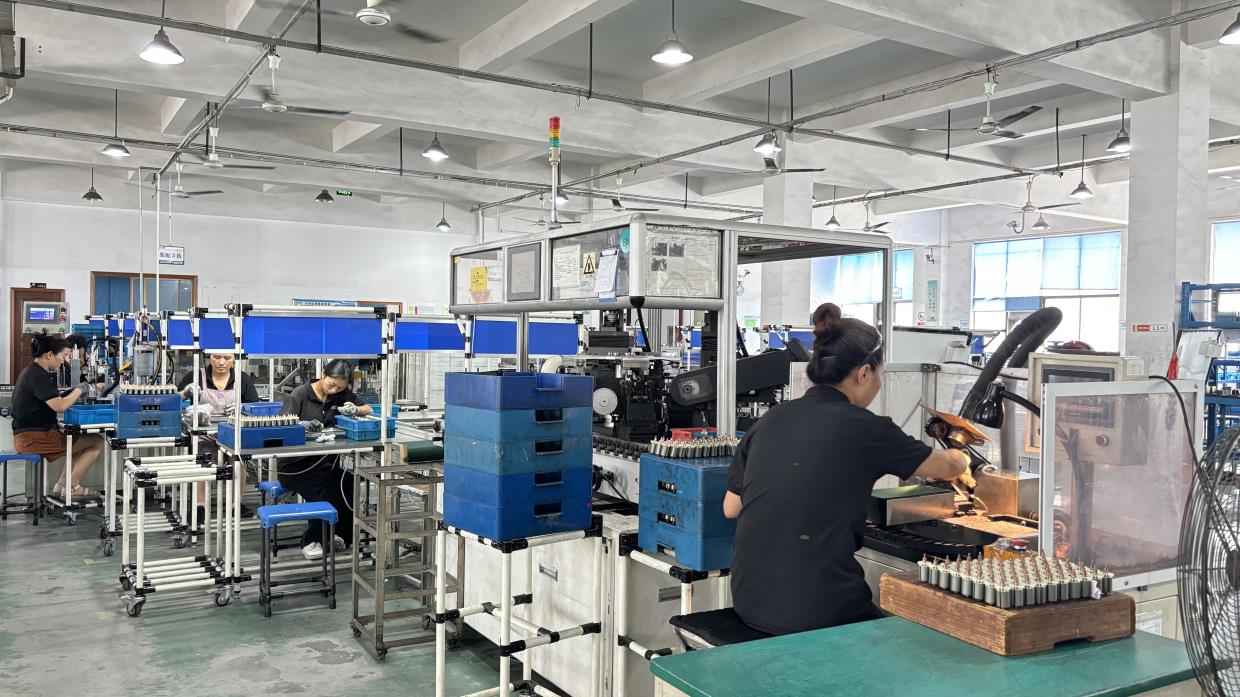
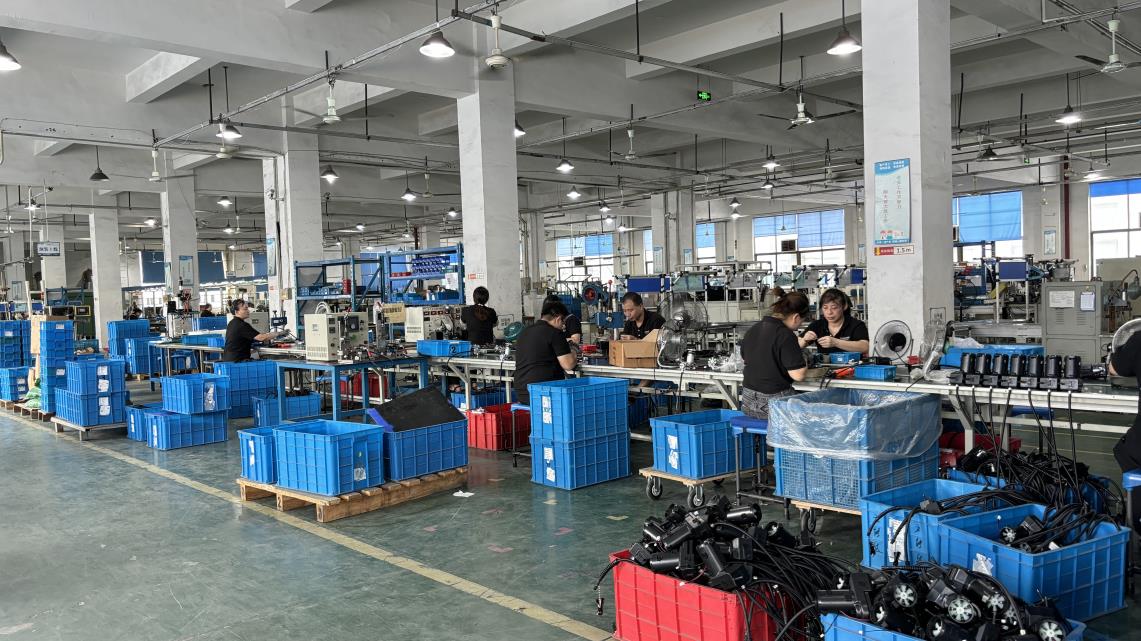
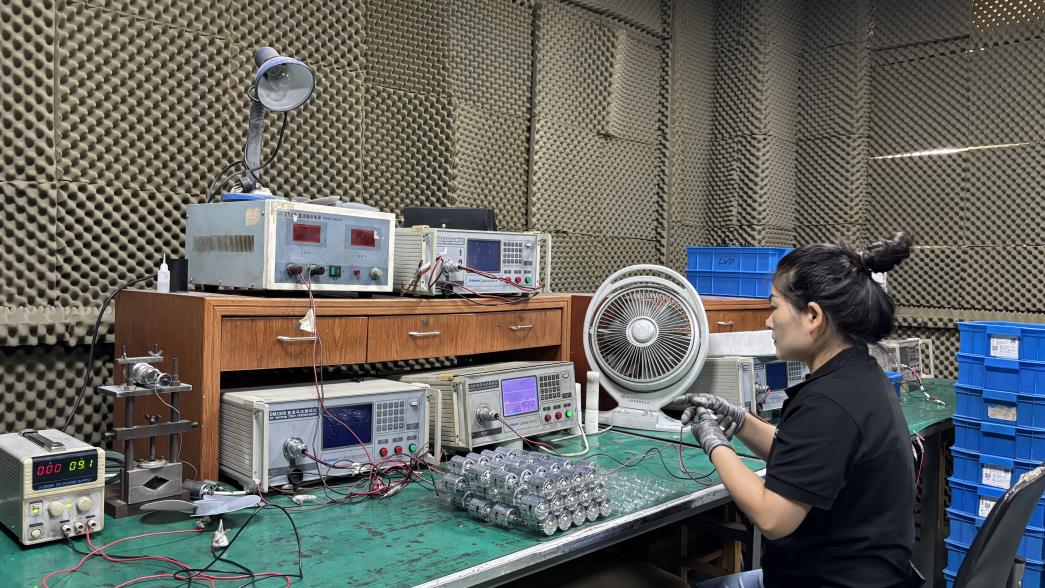
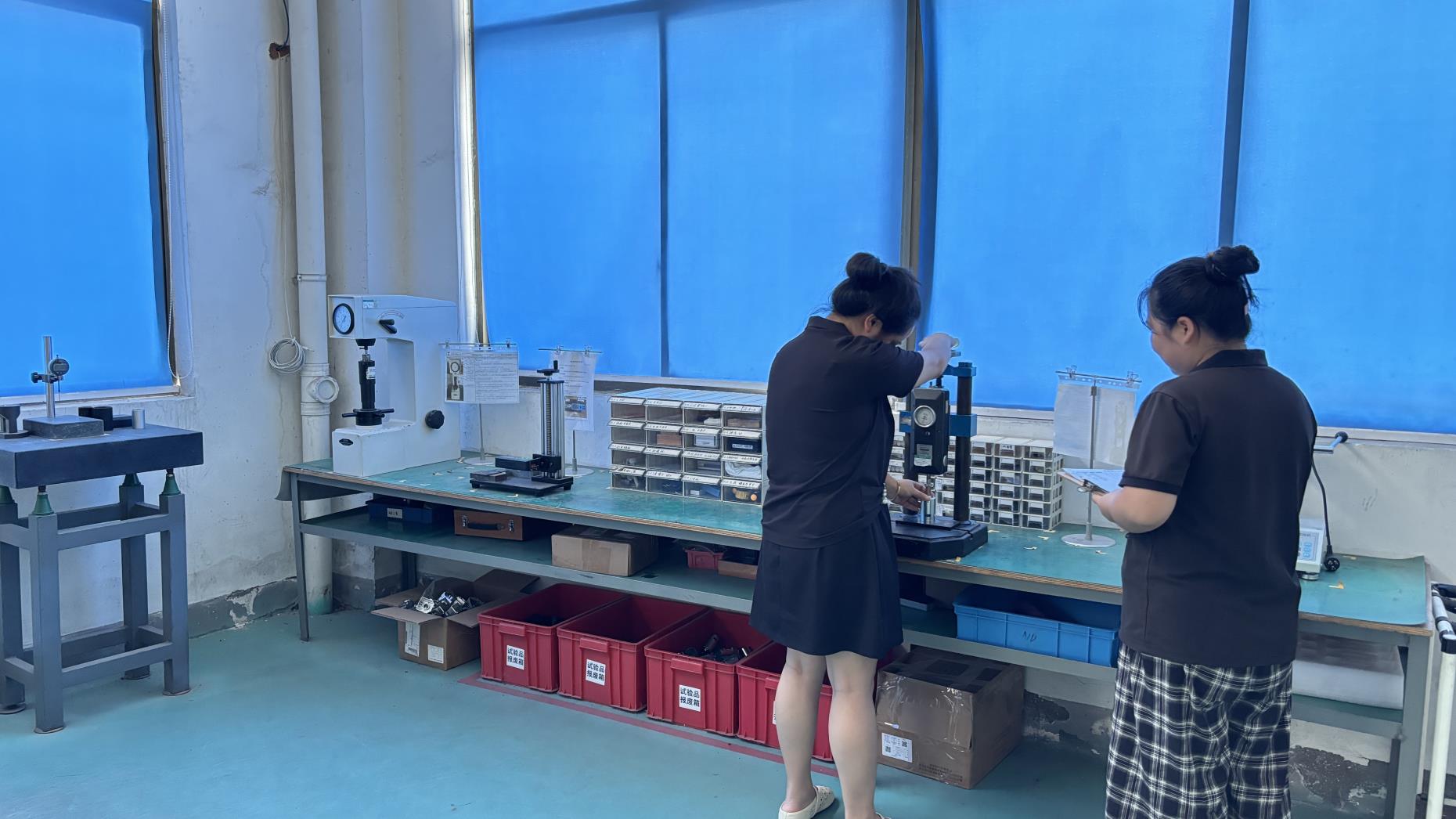
Low noise gear motors do not result from mere optimization; they require structured engineering solutions designed to eliminate acoustic resonance. High noise in micro gearmotors is caused by three key factors: electromagnetic cogging, gear-mesh contact mechanics, and bearing friction. Below is an engineering breakdown of how TQC Micromotor mitigates these factors.
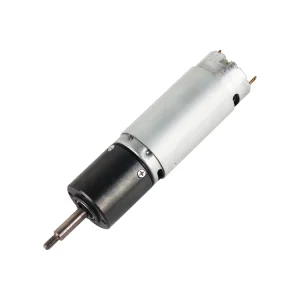
Standard spur gears contact along a single line of engagement, causing sudden load transfers and acoustic ticking. By utilizing customized helical gearheads, TQC ensures that teeth engage gradually. This design results in a higher contact ratio (typically >1.5) and distributes loads across multiple gear teeth simultaneously. This modification reduces structural vibration by up to 12 dBA.
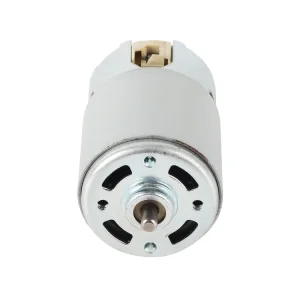
Even minor imbalances in the armature can generate substantial radial forces at 10,000 RPM. This imbalances translate to high-frequency humming through the motor mounts. Using automated dynamic rotor balancing systems, TQC micro-armatures are trimmed to G2.5 balance grades. This precision prevents structural housing resonance.
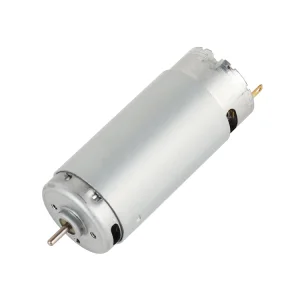
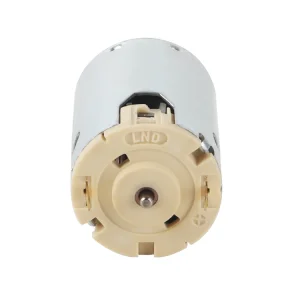
Sliding contact between the carbon/precious metal brushes and the copper commutator is a primary source of high-frequency white noise. By implementing diamond-tip commutator fine turning, TQC achieves surface roughness (Ra) levels under 0.2 micrometers. This reduces mechanical brush chatter and electromagnetic sparking (EMI).
Low-noise micro-drives operate under distinct load and acoustic conditions depending on their application sector. TQC engineers customized torque, velocity, and mounting specifications to match these specific requirements:
Key Requirements: <32 dBA, zero EMF noise, aesthetic Integration.
Common Uses: Automated motorized blinds, HVAC air valves, robotic vacuum cleaners, pan-tilt security cameras, and automated window openers.
Key Requirements: Extreme temperature operation (-40°C to +105°C), high startup torque.
Common Uses: Tailgate lift actuators, power seat adjusters, motorized side mirrors, and electronic throttle valves.
Key Requirements: Sterility compatibility, zero electromagnetic interference, consistent torque profiles.
Common Uses: Peristaltic pumps, surgical micro-drills, lab liquid handling systems, and robotic prosthetics.
Shipping products globally requires strict adherence to international mechanical, electrical, and environmental compliance frameworks. As an ISO 9001:2015 certified manufacturer, TQC ensures all customization processes conform to local standards.
Our raw material supply chains undergo regular chemical testing via RoHS (Restriction of Hazardous Substances) and REACH protocols. This testing prevents hazardous heavy metals and plastics from entering production lines. For medical and smart-home applications, our gearmotors are designed to meet CE (Conformité Européenne) and FCC Part 15 electromagnetic compatibility requirements, preventing interference with nearby sensors and communication modules.
We also offer full localized technical engineering support. This includes customized motor mounting brackets, specialized lead wire terminations (JST, Molex connectors), and custom shaft end designs (D-cuts, cross-holes, keyways). These options facilitate seamless integration into customer assembly lines in North America, Western Europe, and the Asia-Pacific region.
As requirements for power density and efficiency increase, micro-drives are evolving. TQC is currently developing and testing several key technologies:
By pairing carbon-fiber reinforced polyetheretherketone (PEEK) gears with precision steel pinions, we reduce dry friction and acoustic transmission while maintaining high load capacities.
Transitioning high-precision applications to Brushless DC (BLDC) motors utilizing Field-Oriented Control (FOC) sinusoidal driver chips. This eliminates brush noise and electromagnetic harmonics.
Integrating micro-hall sensors directly into the motor end-bell. This allows for real-time tracking of rotor health and vibration anomalies before failures occur.
The acoustic profile is primarily determined by: (1) Gear quality and tooth geometry (helical gears run quieter than spur gears). (2) Rotor balance, which mitigates high-frequency vibration. (3) Housing and bearing types, where sintered bronze sleeve bearings generally run quieter than ball bearings under light loads. (4) Tribological optimization using specialized synthetic dampening greases.
Yes. Our engineering team designs custom gear stages to achieve specific gear ratios. For applications requiring low noise, we optimize the input stage with helical or plastic gears. This design handles the highest rotational speeds while mitigating mechanical vibration.
All materials undergo incoming quality control (IQC) testing to verify RoHS and REACH compliance. Finished motor designs are verified for electromagnetic interference (EMI) and electrical safety in certified chambers, allowing us to supply CE-marked and FCC-compliant assemblies.