TQC Micromotor
TQC Micromotor
TQC Micromotor
Engineered for extreme duty cycles, local compliance standards, and demanding regional applications.
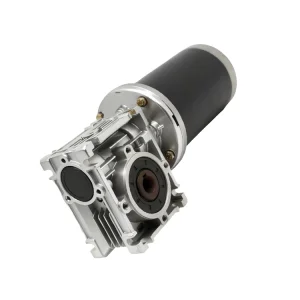
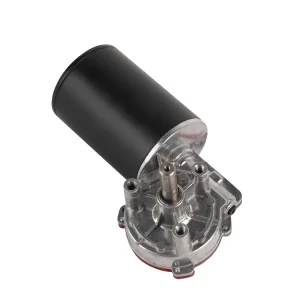
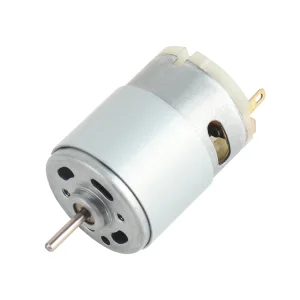
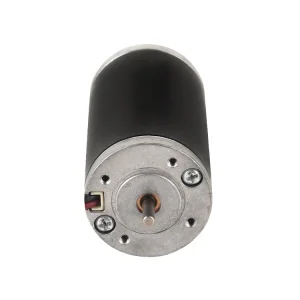
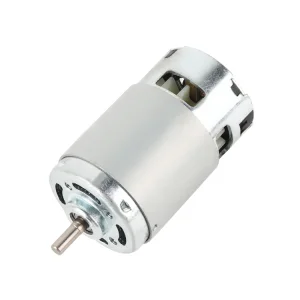
Australia's industrial structure is undergoing a rapid, technology-driven evolution. From the highly automated mining infrastructure in Western Australia (the Pilbara region) to the precision agricultural tech (AgTech) in the Murray-Darling Basin, the need for robust, efficient, and precise motion control solutions has never been more urgent. Standard, off-the-shelf electric motors fail prematurely under the extreme environmental pressures of the Australian continent, which include high dust exposure, significant ambient temperature swings, and severe saline environments in coastal marine installations.
In response to these conditions, design engineers across Melbourne, Sydney, and Brisbane are shifting their focus to specialized gear motors with specific Ingress Protection (IP) ratings, custom thermal dissipation paths, and highly optimized gear reduction designs. Micro DC motors, worm gearbox drives, and brushless DC (BLDC) motors form the silent backbone of automated valve systems, solar tracking arrays, advanced medical diagnostics equipment, and heavy-duty industrial automation lines.
The global gear motor roadmap indicates a clear transition path. While permanent magnet brushed DC motors (PMDC) remain the commercial standard for cost-sensitive, high-torque applications, brushless DC (BLDC) solutions are gaining major traction in the Australian market. This shifts the focus toward energy efficiency and minimal maintenance requirements.
Choosing the correct gearbox configuration is critical for achieving optimal system performance and high efficiency:
Modern micro drives are no longer passive components. Integrating Hall-effect sensors and optical encoders directly into the back-end of micro brushed and brushless motors enables real-time velocity and position feedback, forming a core component of Industry 4.0 automation networks.
Request Technical ConsultationEngineering precision demands localized solutions. Here is how TQC Micromotor translates technical challenges into robust operational successes:
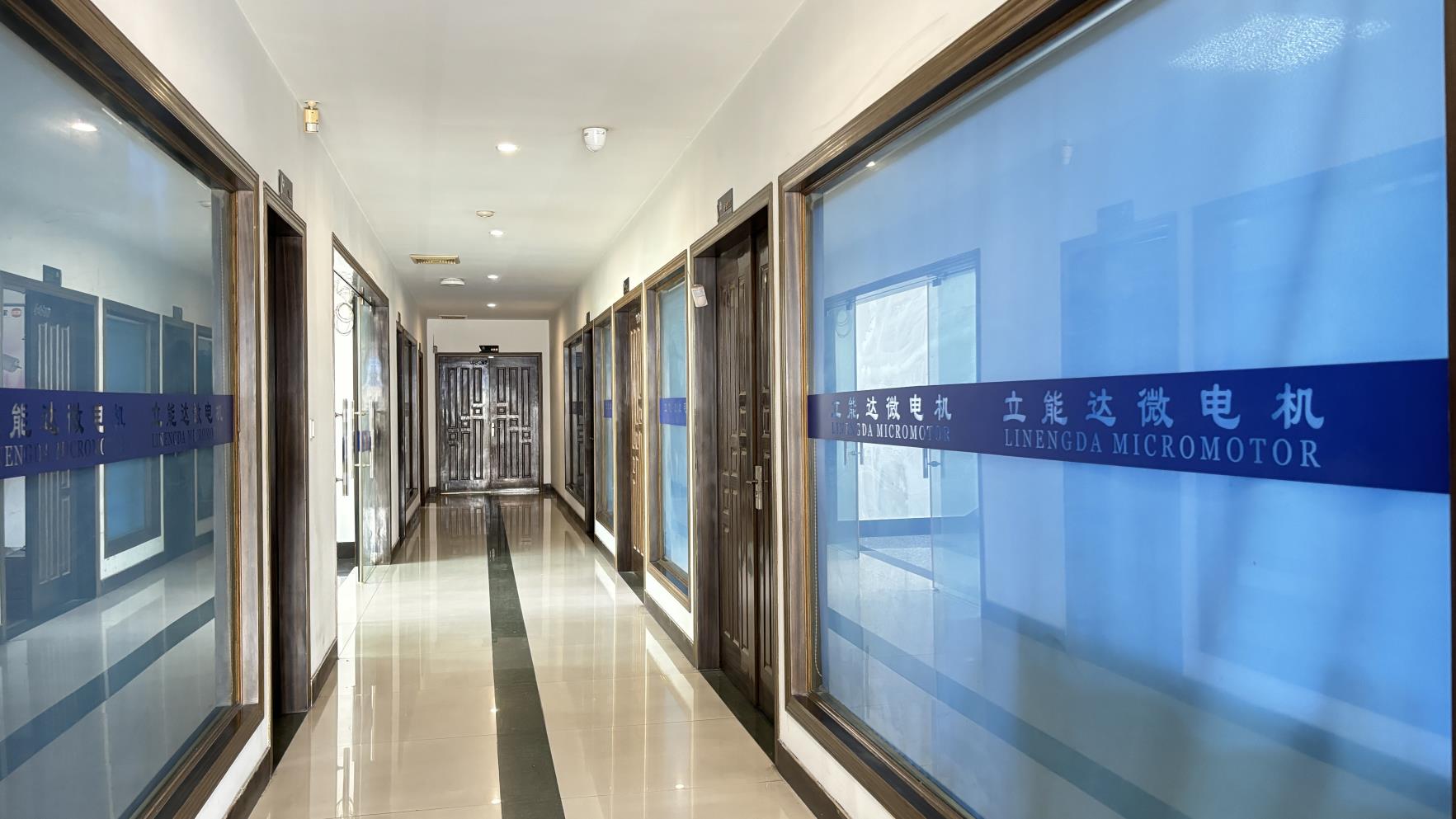
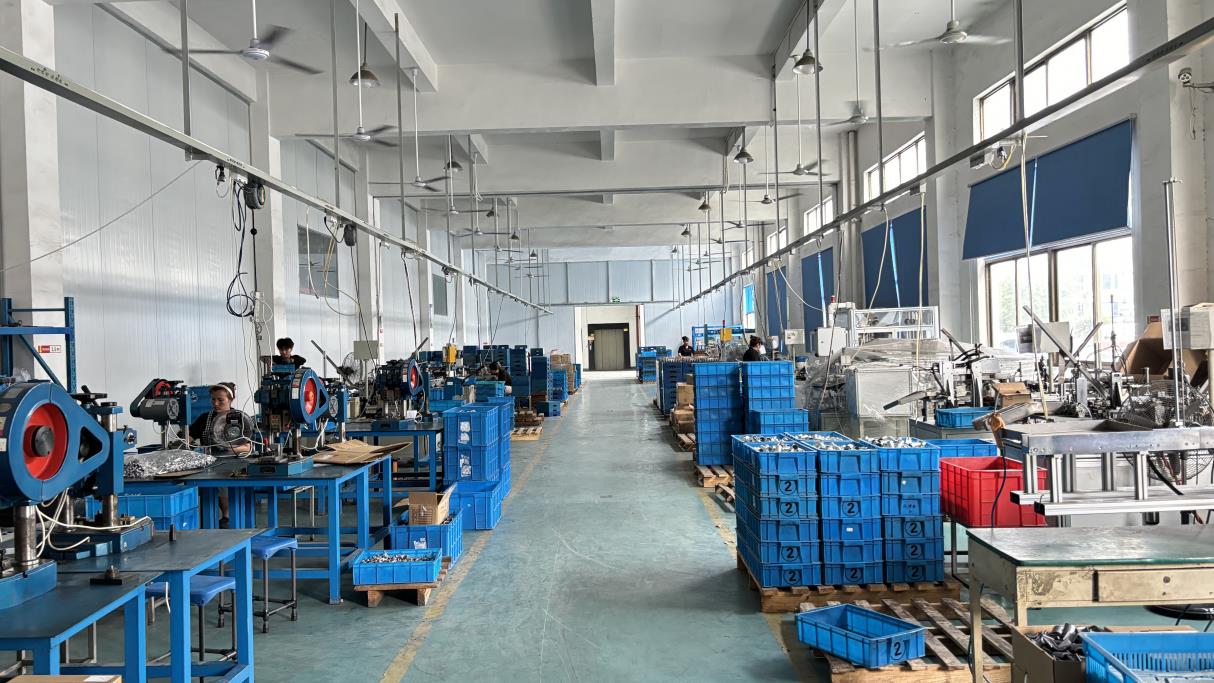
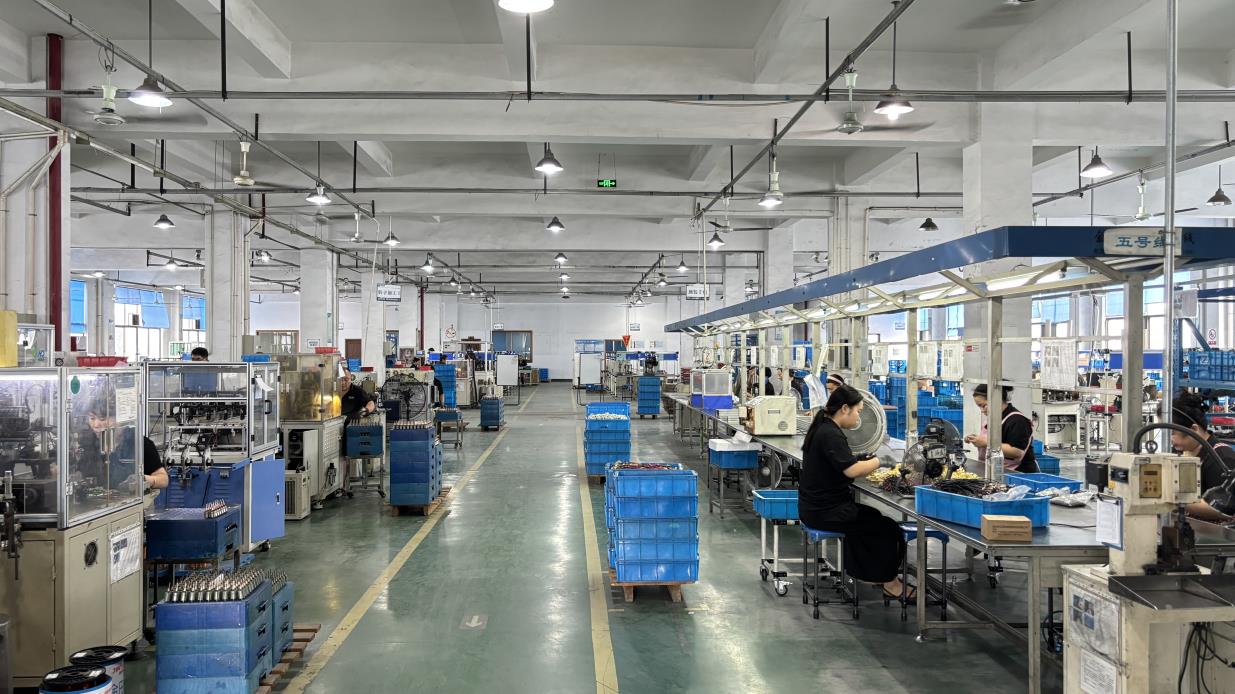
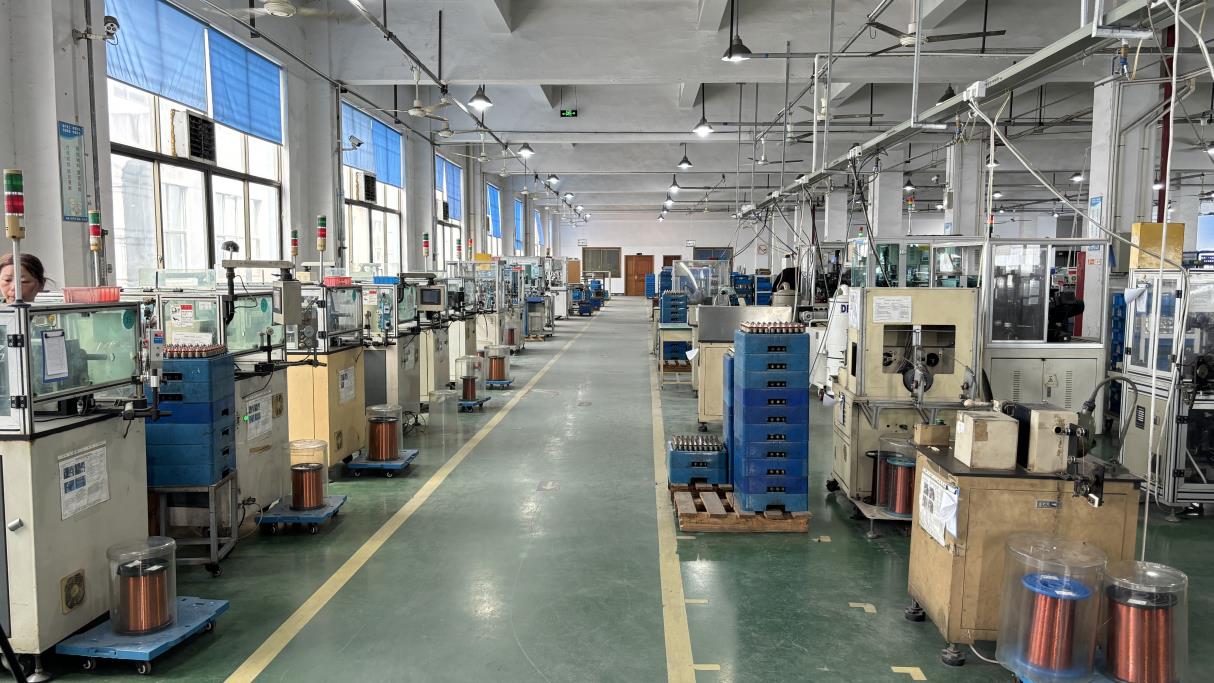
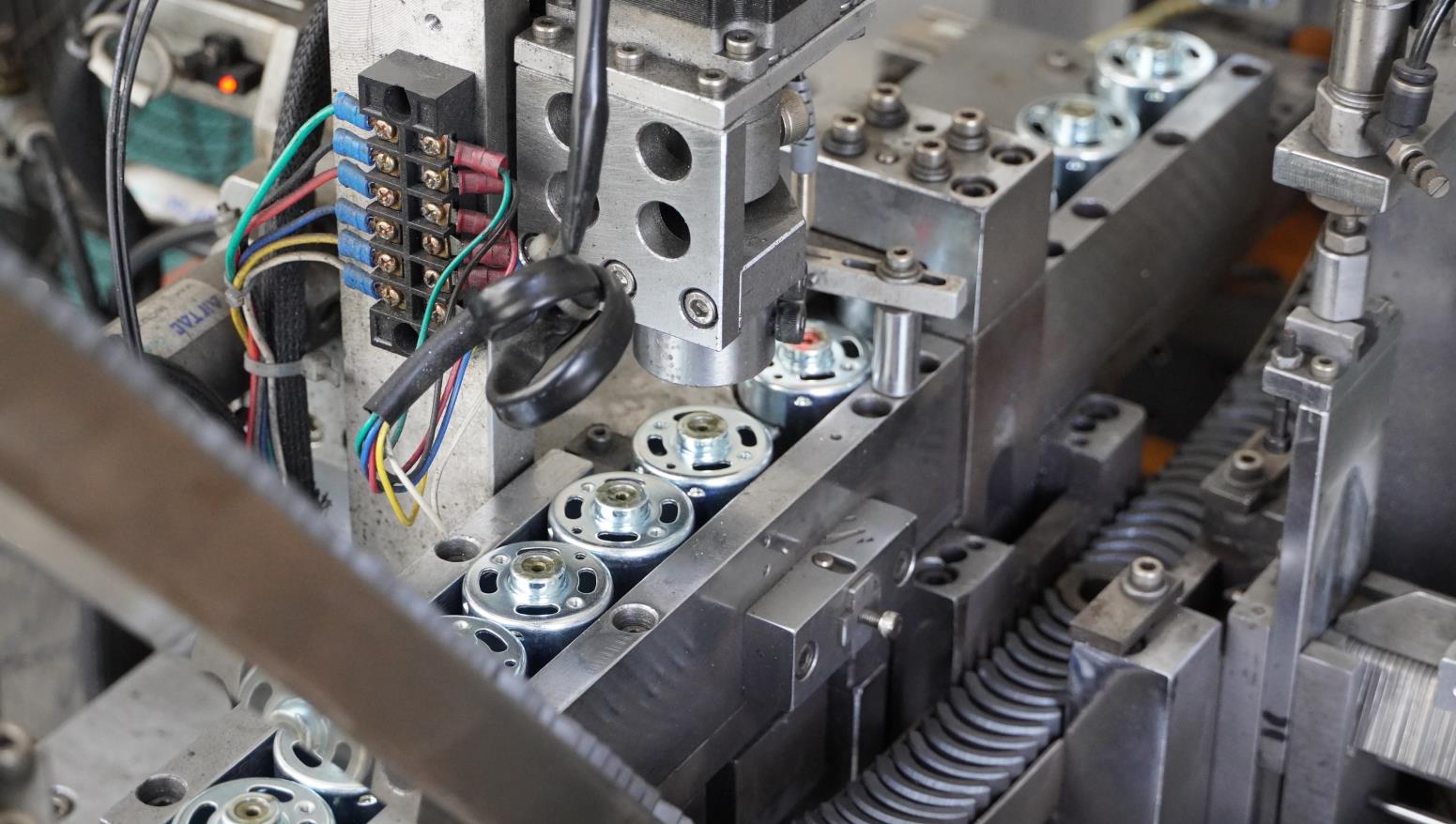
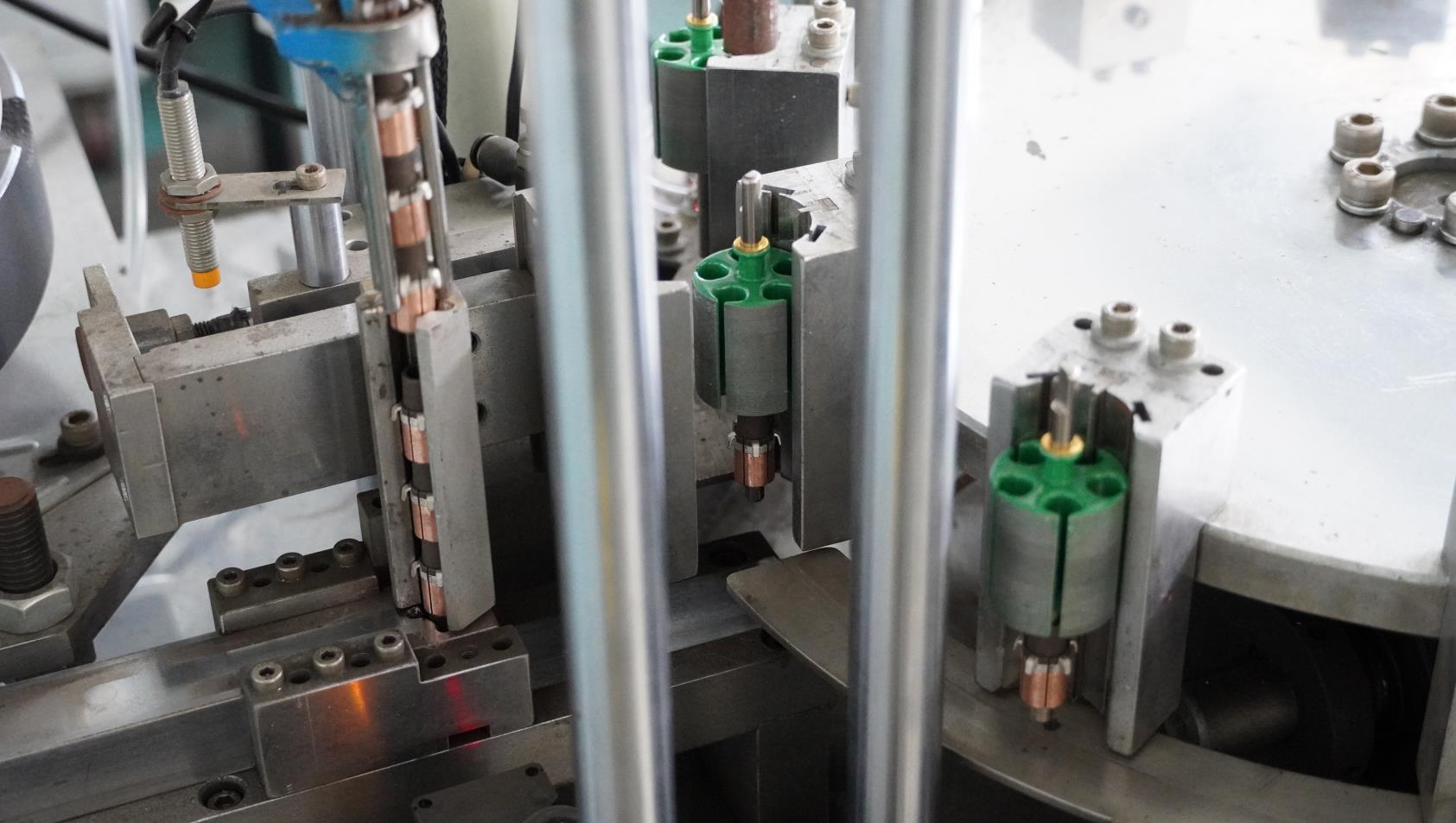
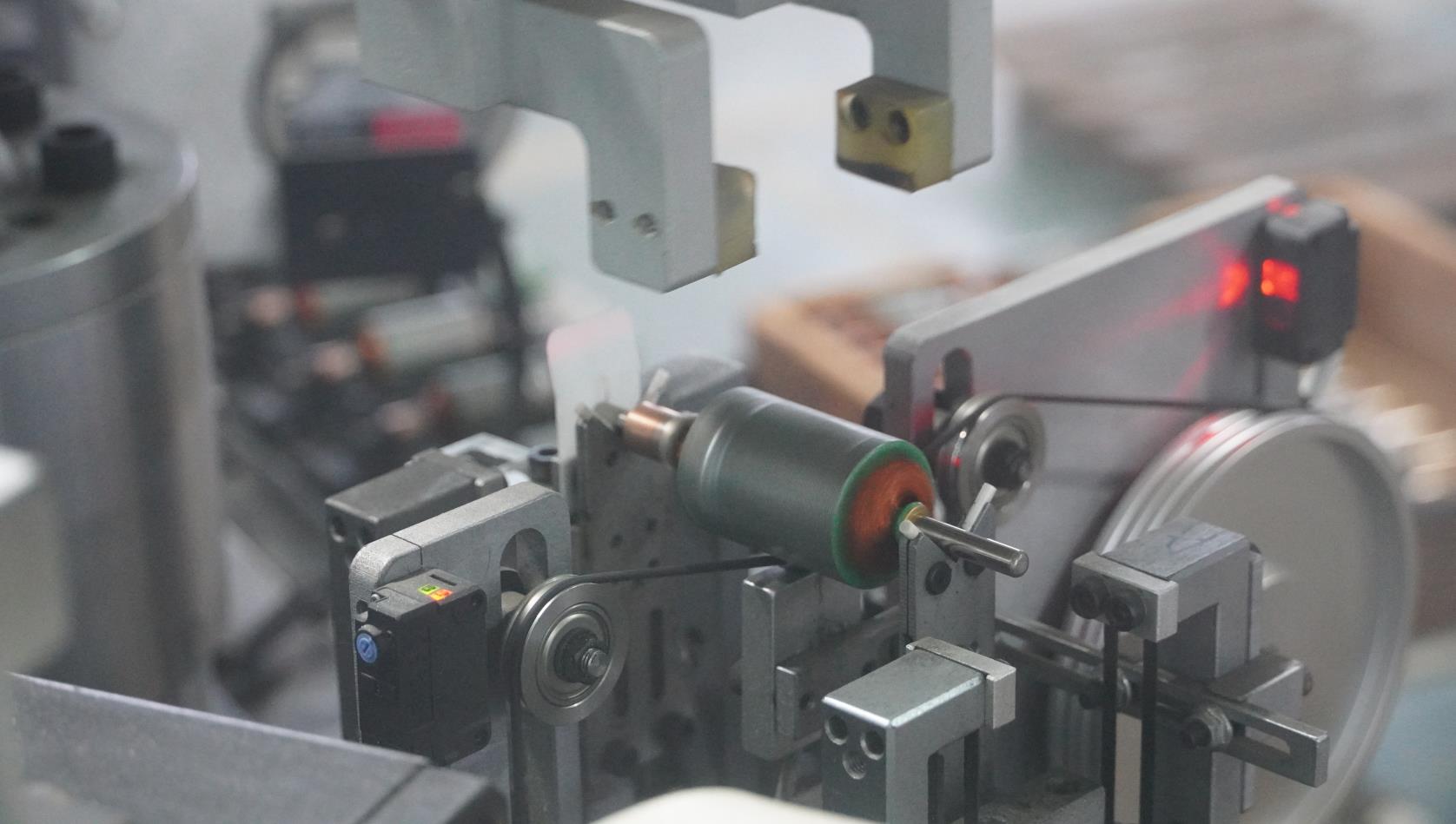
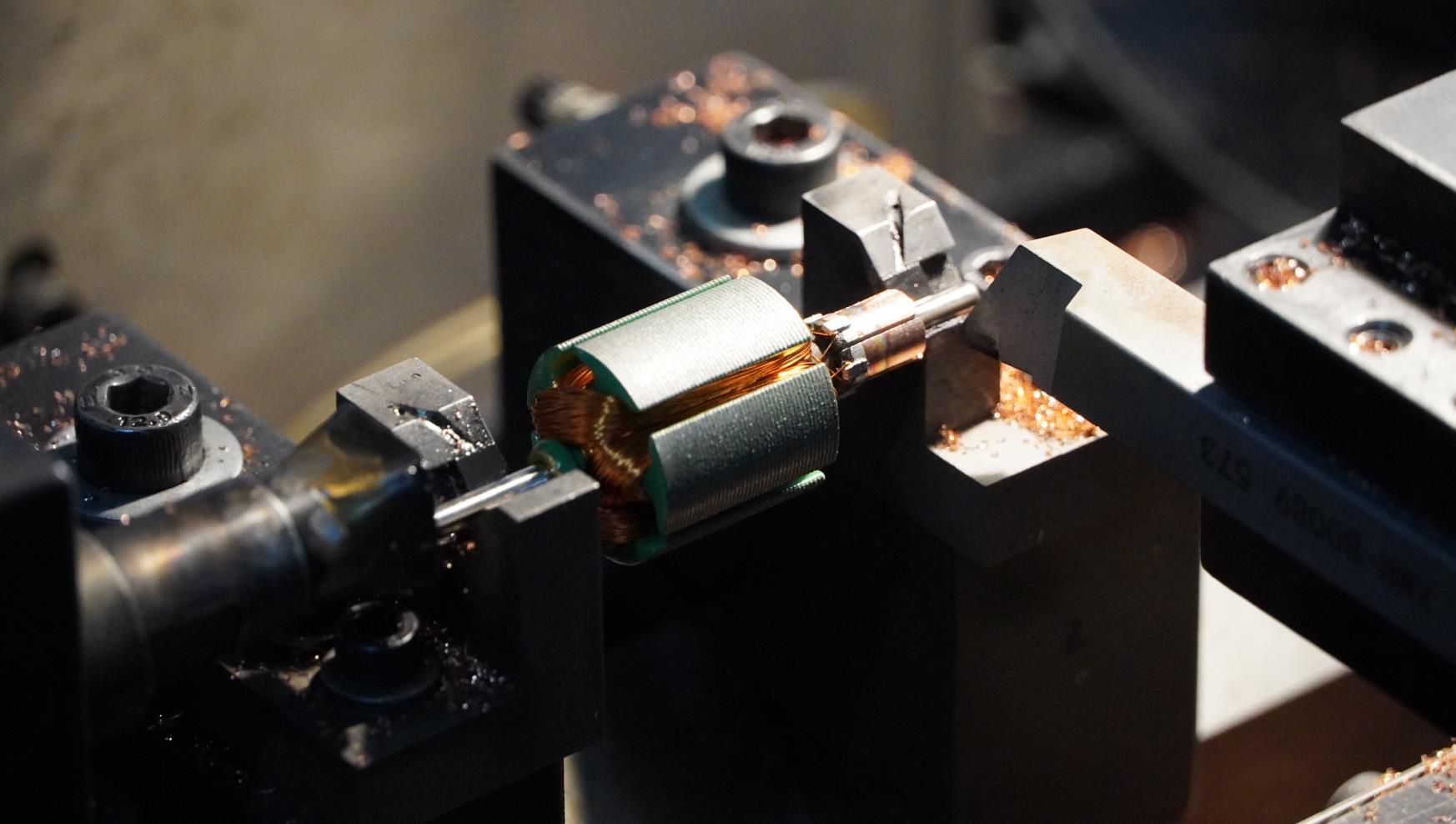
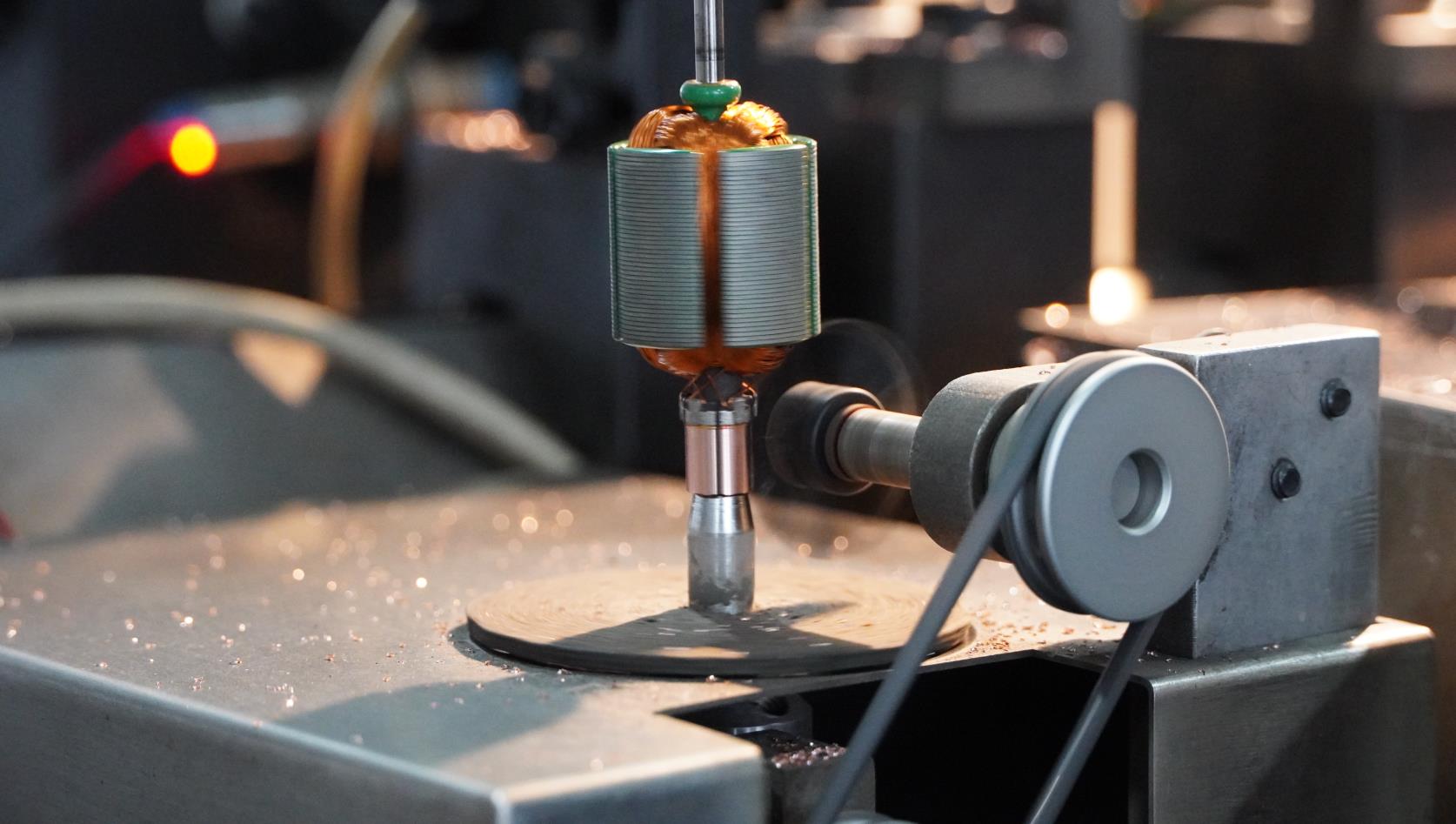
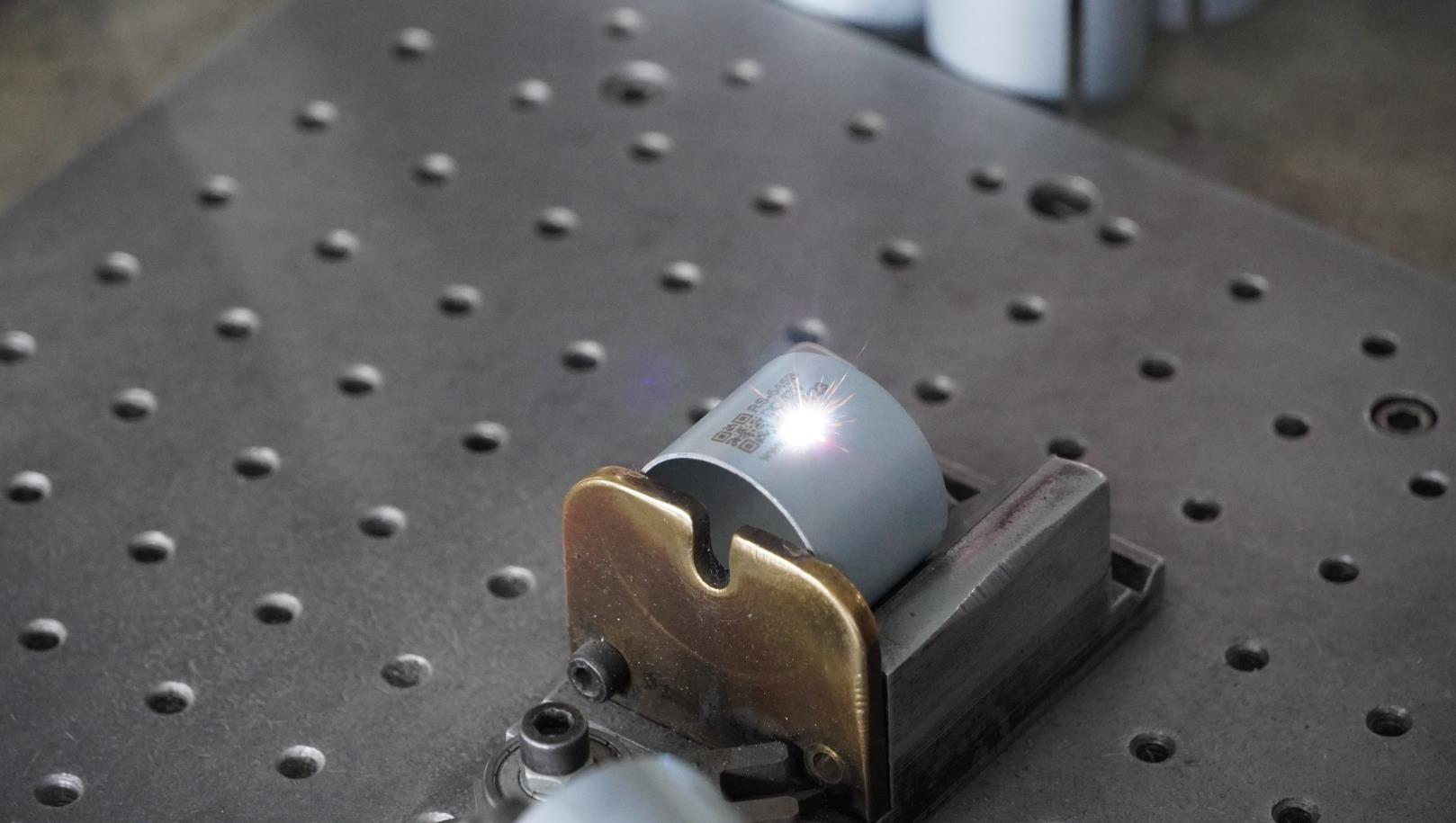
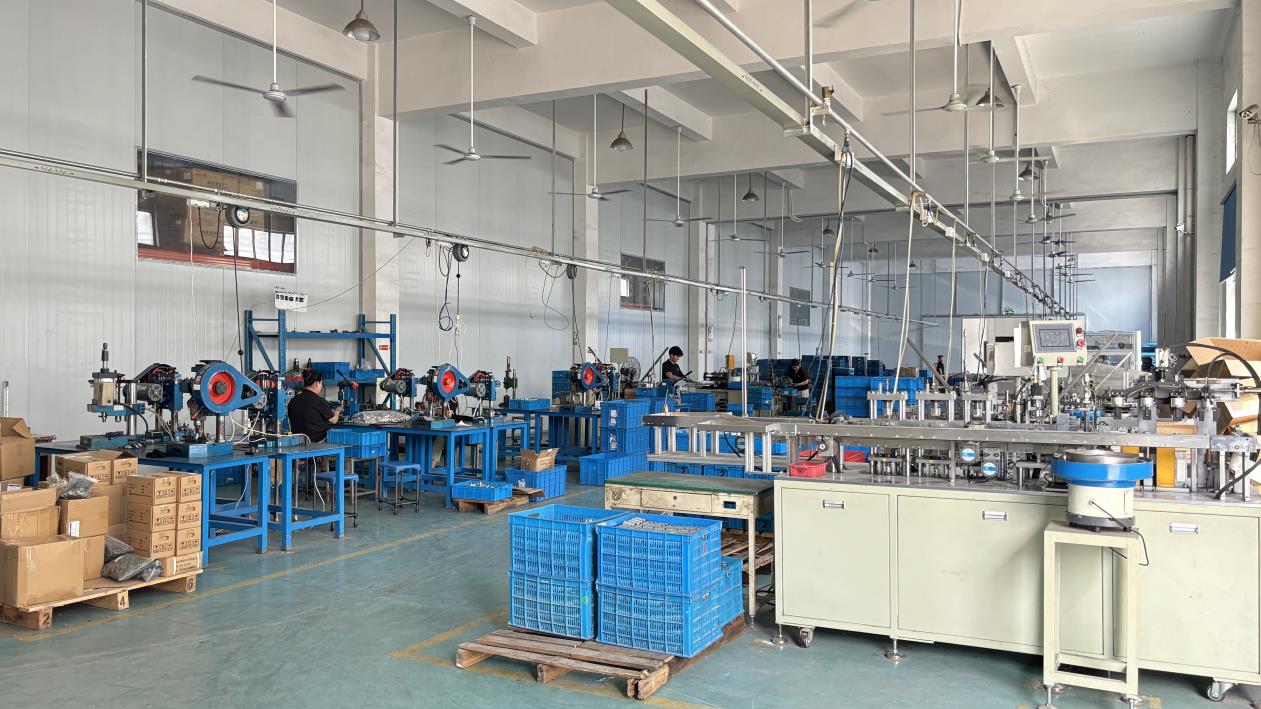
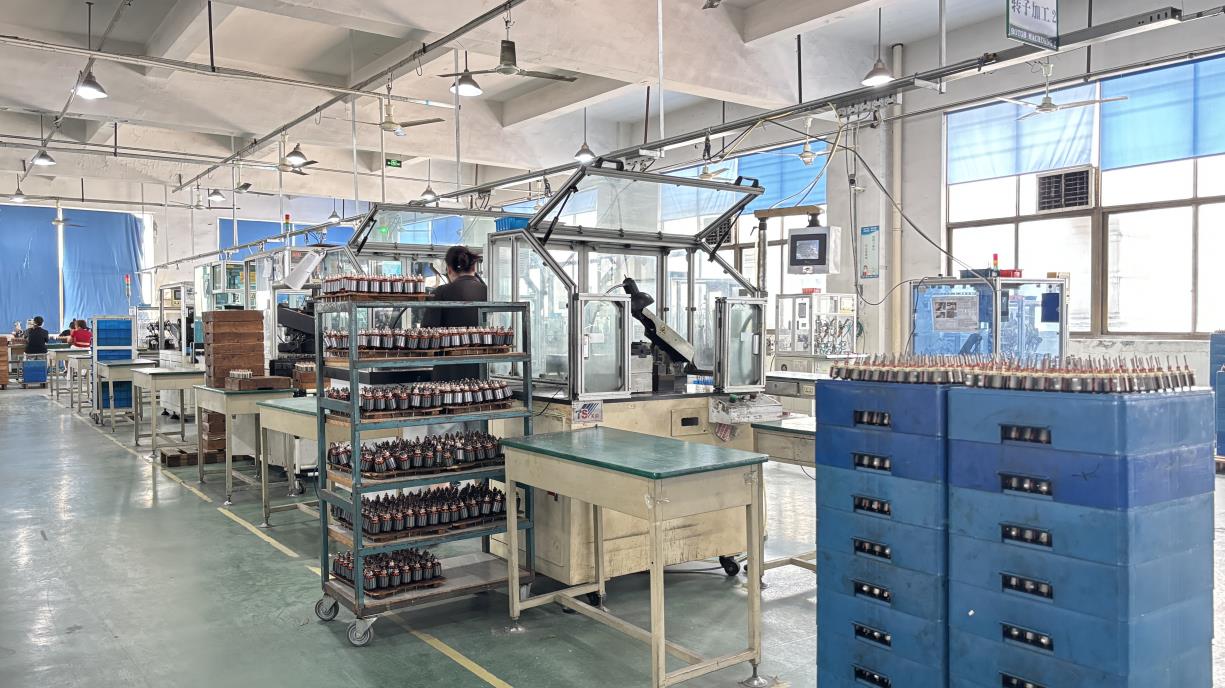
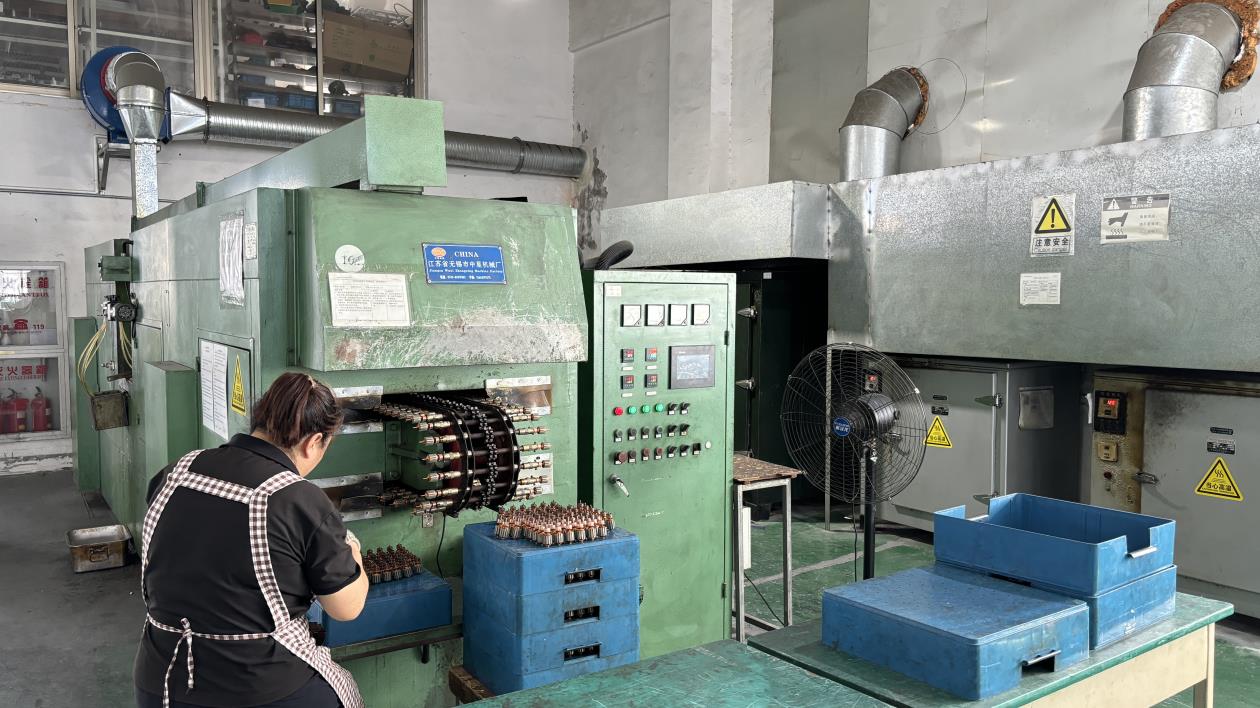
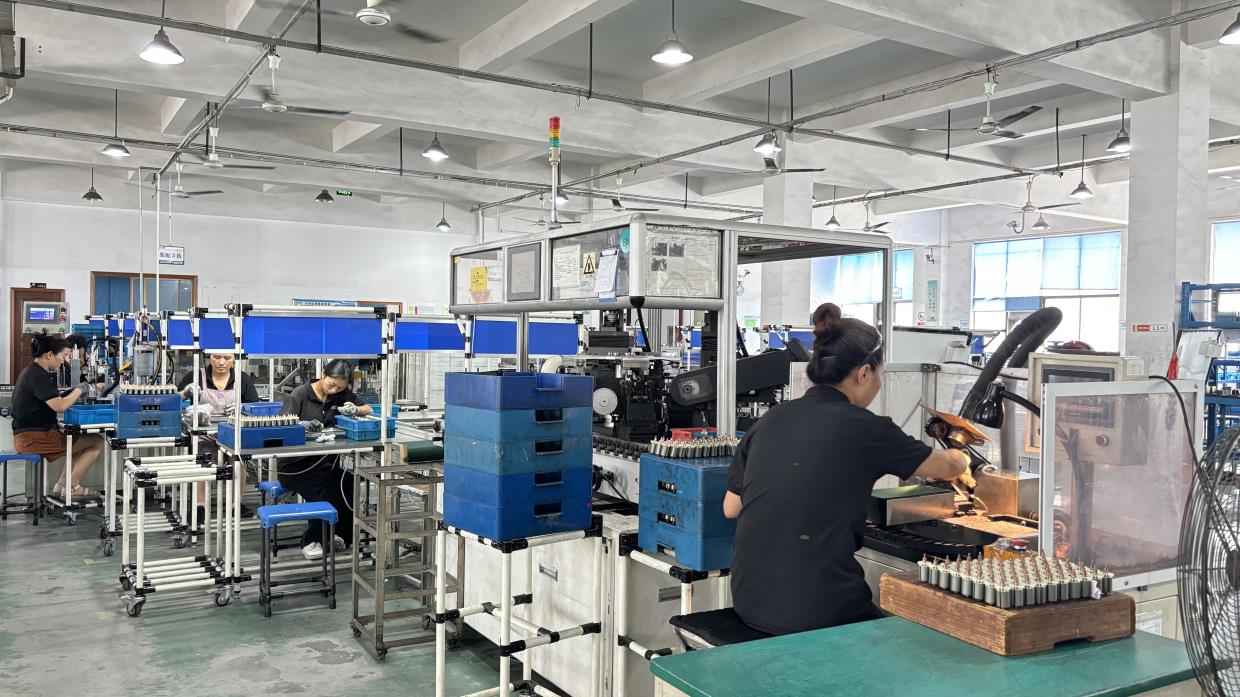
An inside look at the TQC Micromotor ISO9001-certified factory processes, showing how precision-machined micro drives are built from raw materials to final QC testing.
At TQC Micromotor, we believe that global innovation shouldn't be limited by size. For two decades, we have dedicated ourselves to a single, relentless pursuit: designing, engineering, and manufacturing high-performance micro-drive solutions that keep modern industries moving forward. Based in China, we operate a state-of-the-art, ISO9001-certified production facility specializing in Micro DC Motors, DC Gear Motors, and Brushless DC Motors (BLDC).
The name TQC represents our foundational pillars: Top Quality & Customization. We understand that applications like smart home automation, medical devices, automotive electronics, and precision robotics demand uncompromised reliability. That is why every TQC micro motor is built with an exceptional power-to-size ratio, ultra-low noise acoustics, and an extended operational lifespan, backed by strict 100% in-house quality control and international certifications (CE, RoHS, REACH).
We don’t just supply standard hardware; we act as a strategic R&D partner. With a robust engineering team holding multiple industry patents, TQC thrives on solving complex mechanical challenges through flexible OEM/ODM custom solutions. From custom shaft configurations and custom voltage tuning to specialized bespoke gearheads, we turn your technical blueprints into high-volume, cost-effective reality.

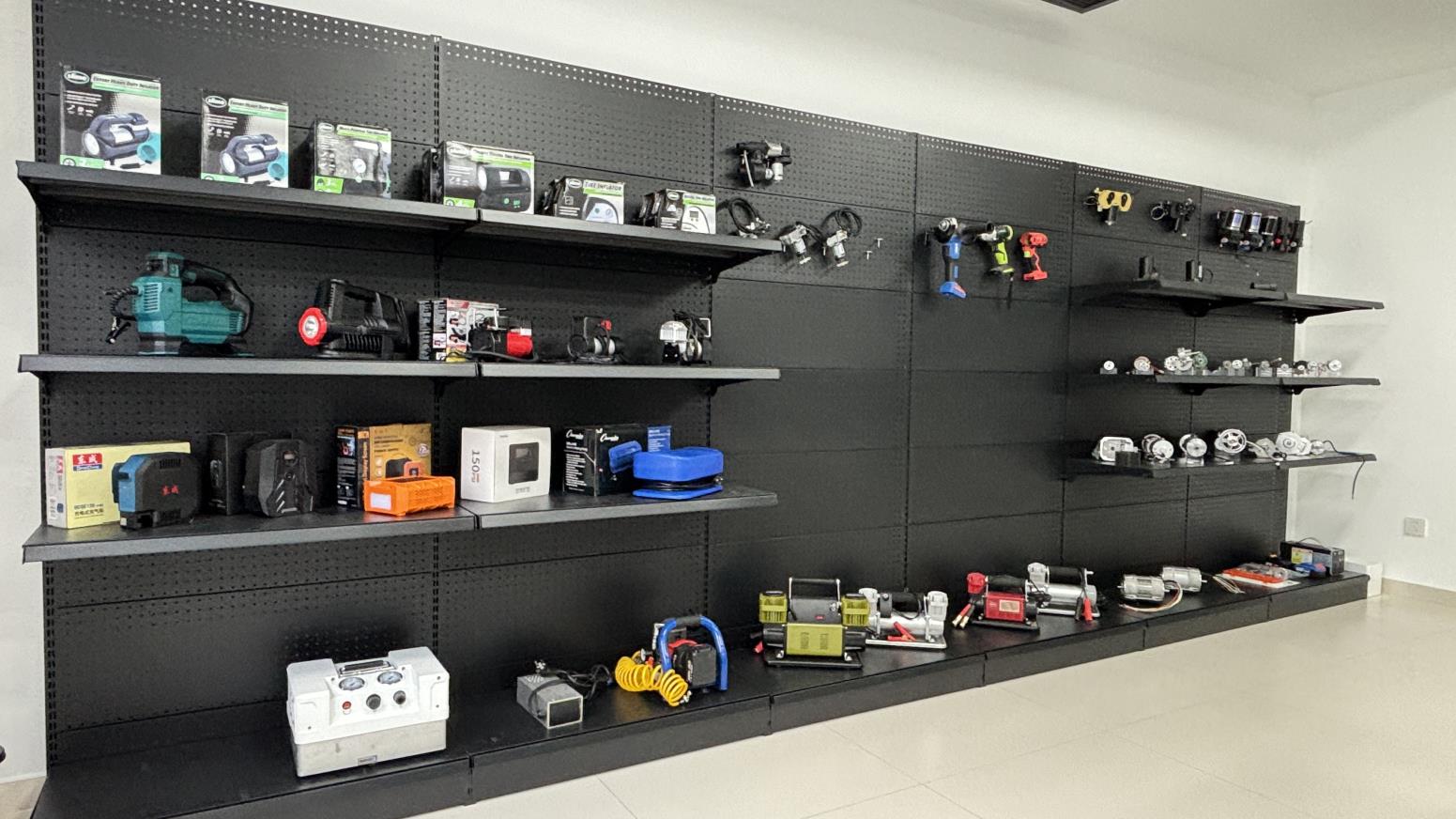
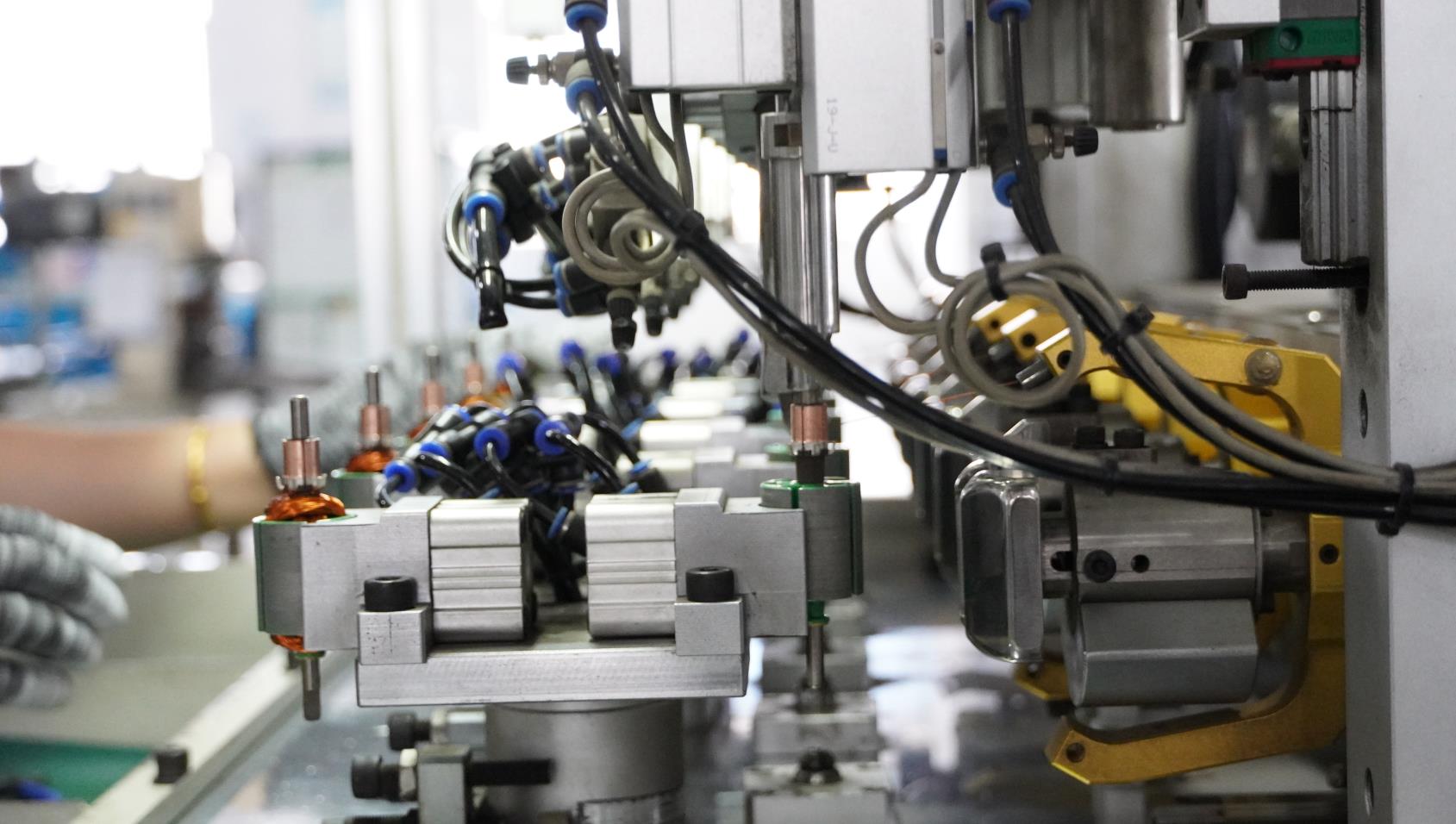
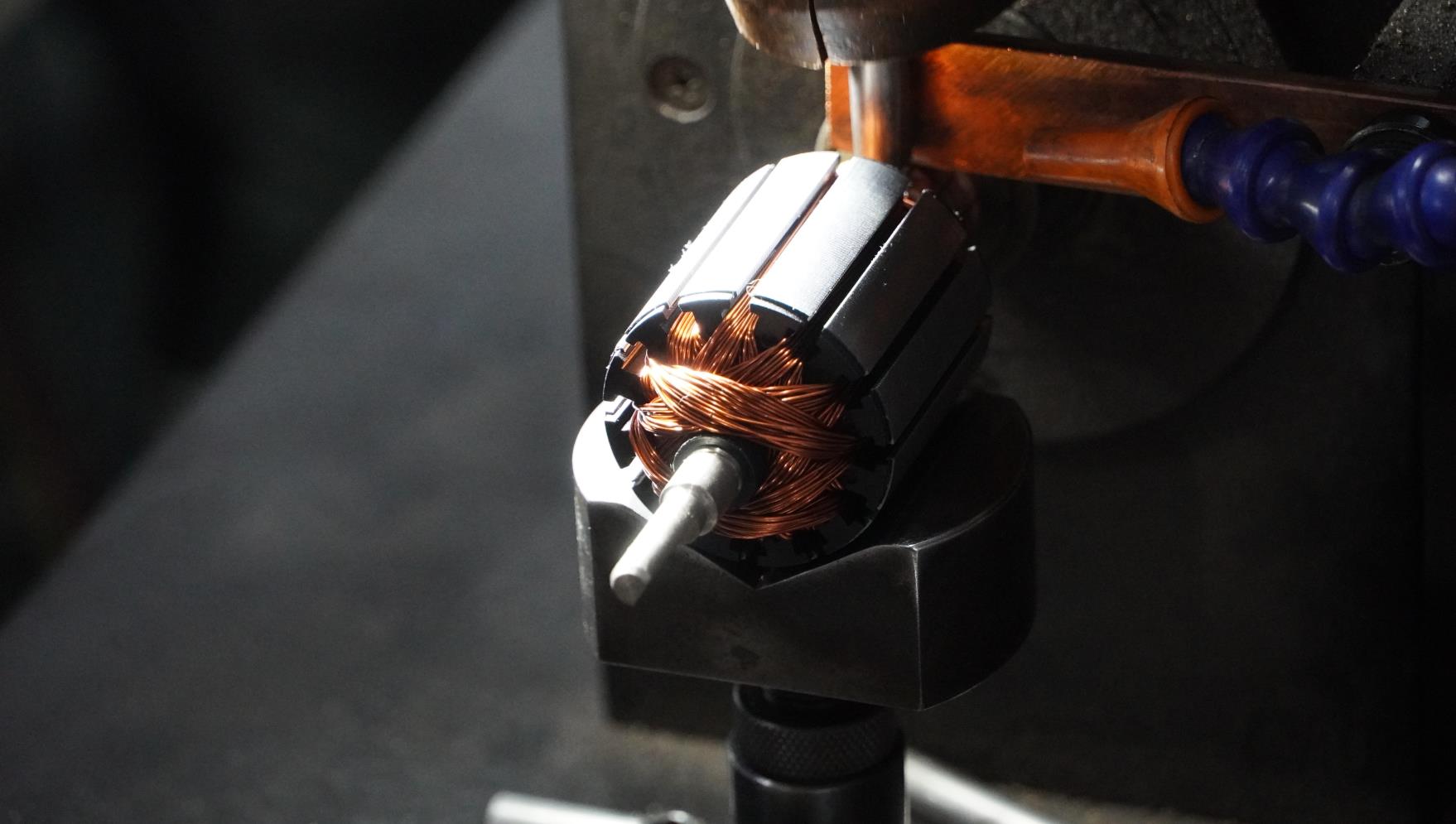
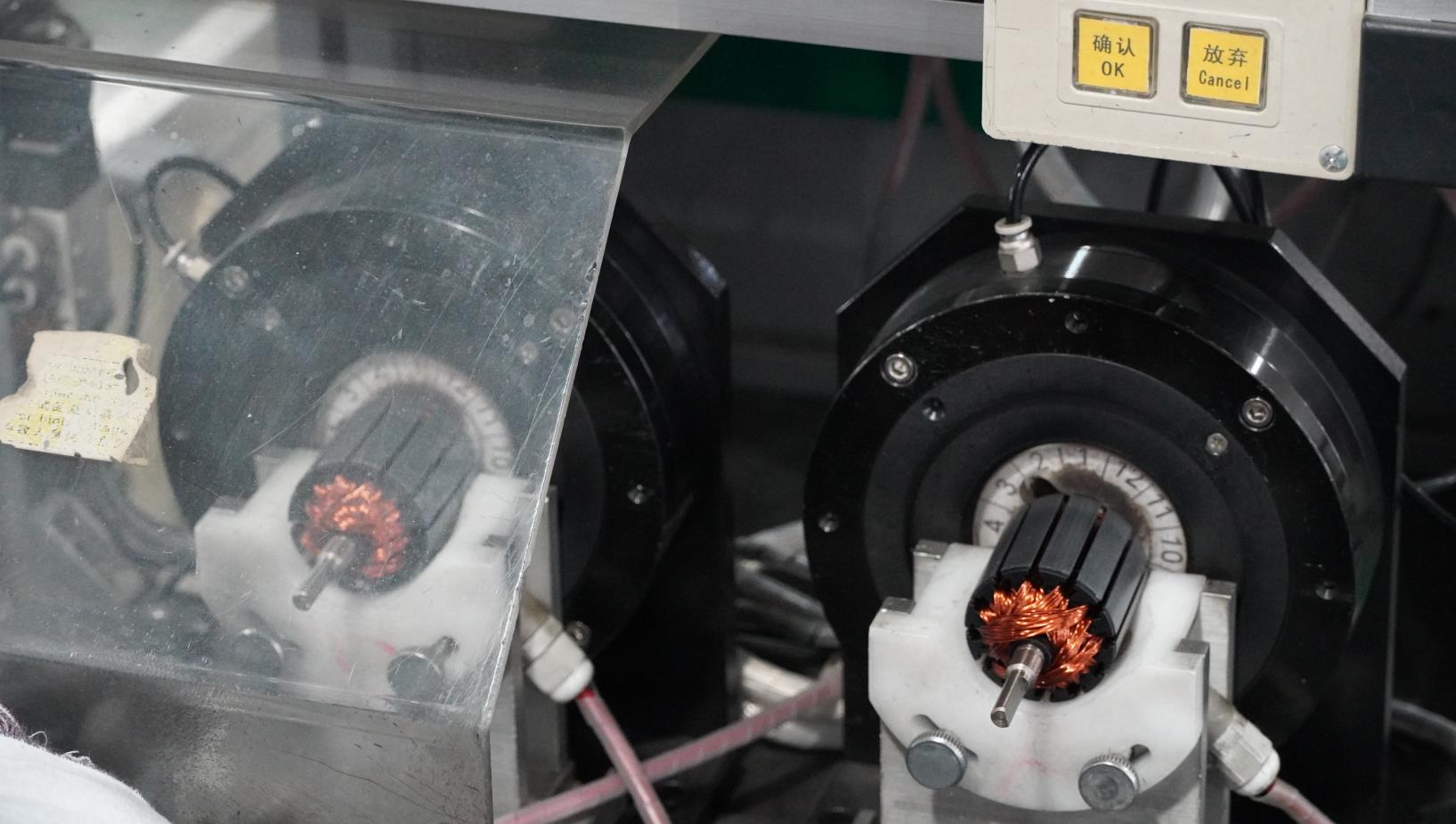
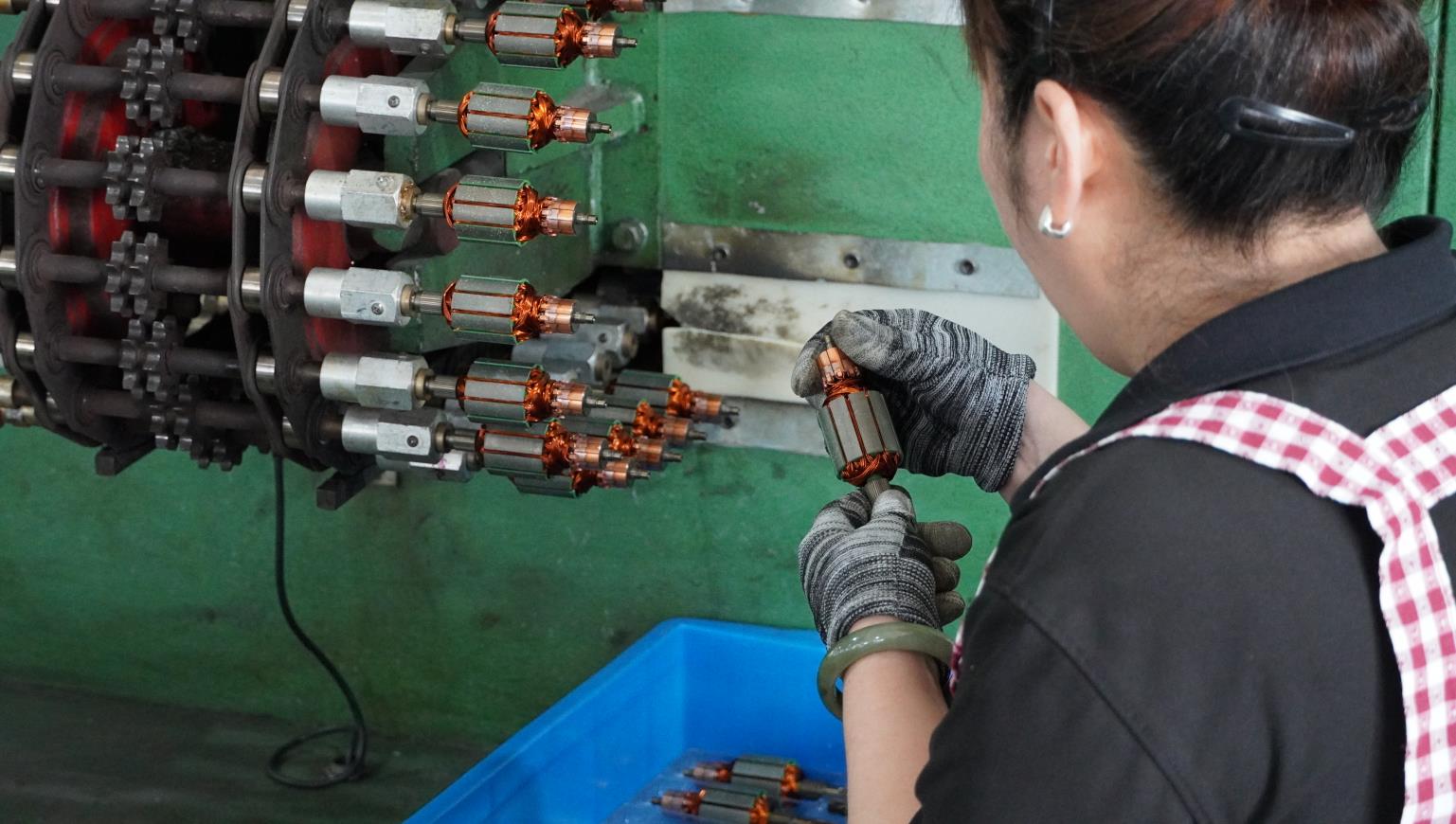
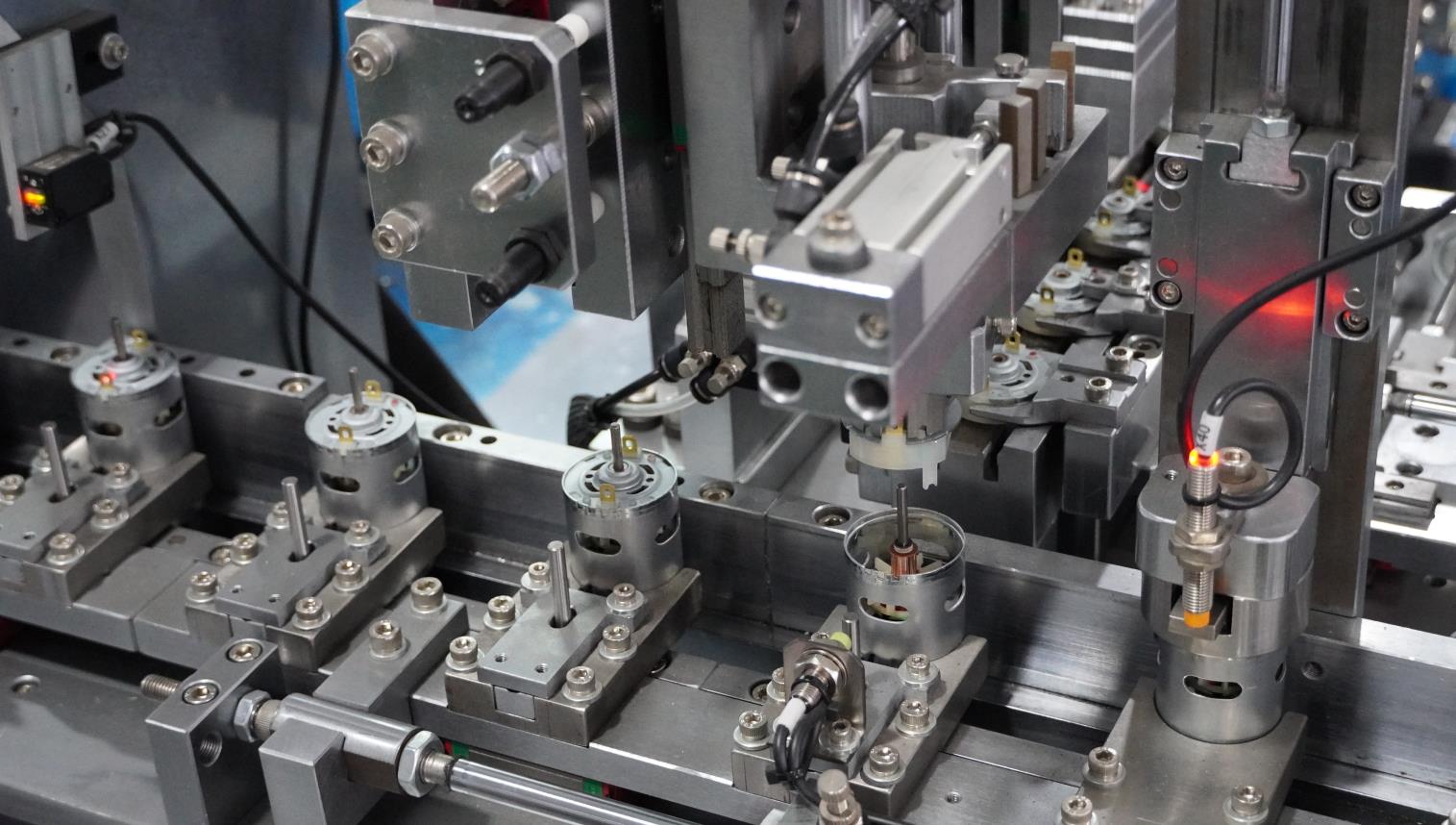
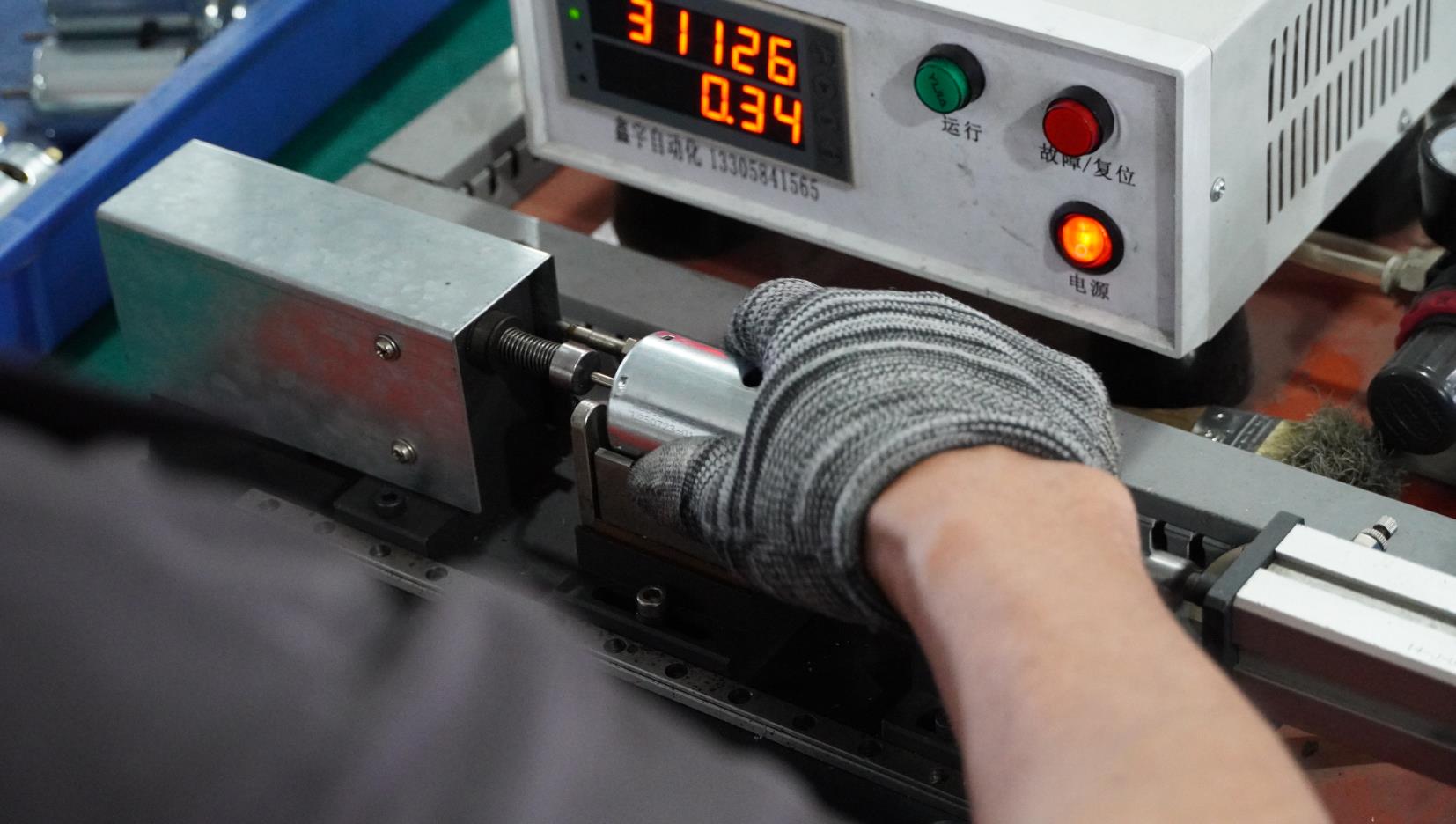
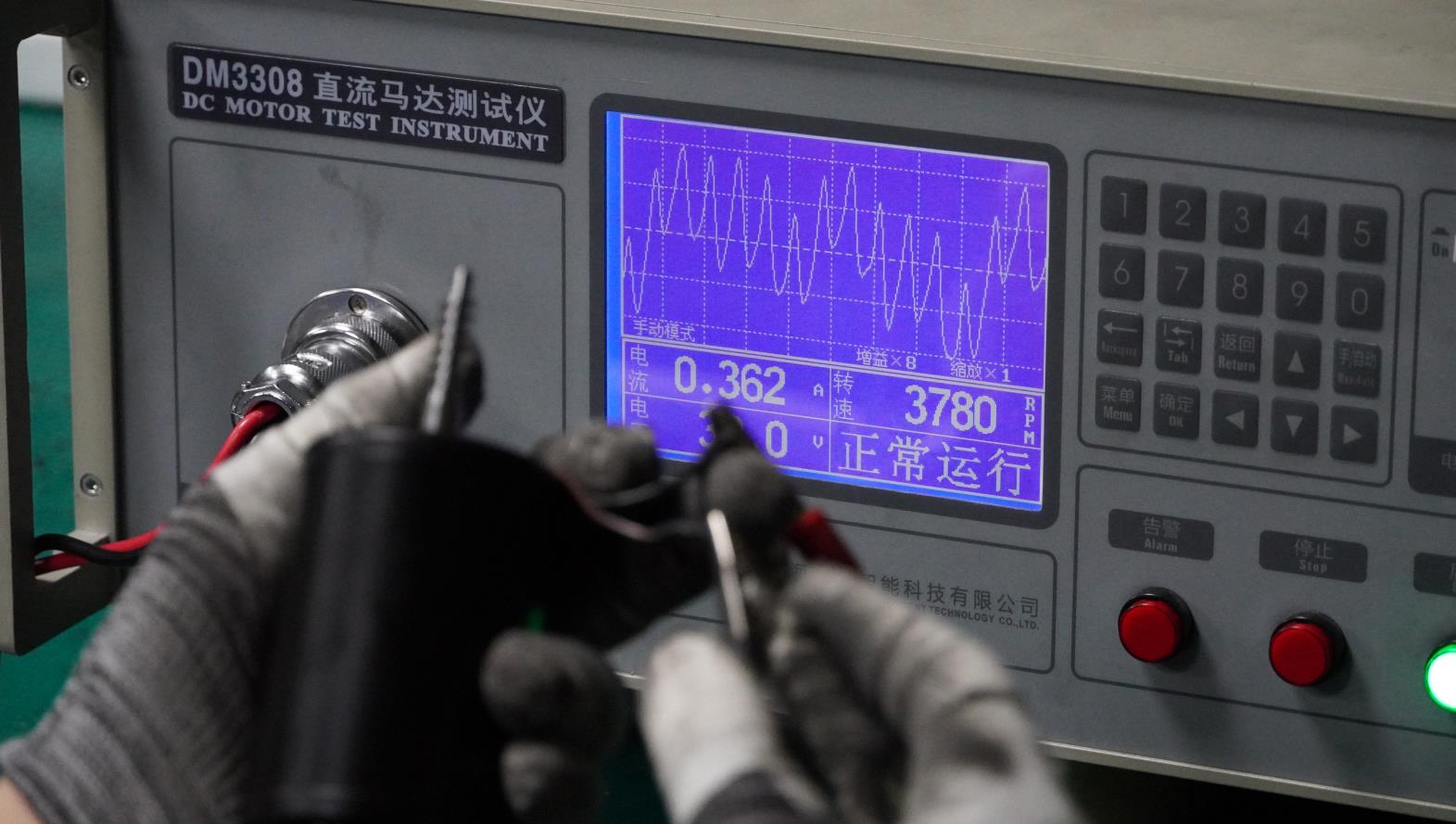
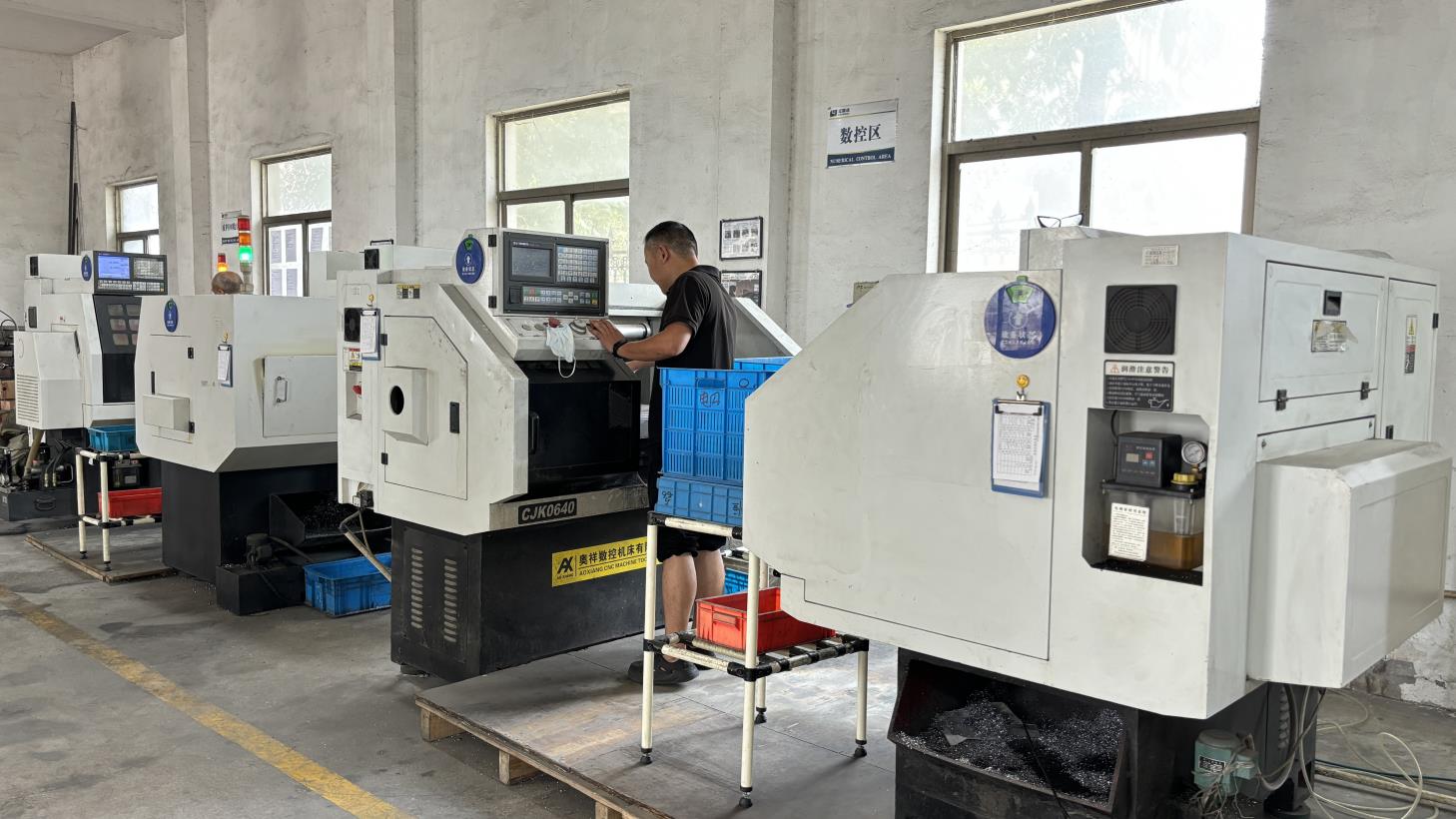
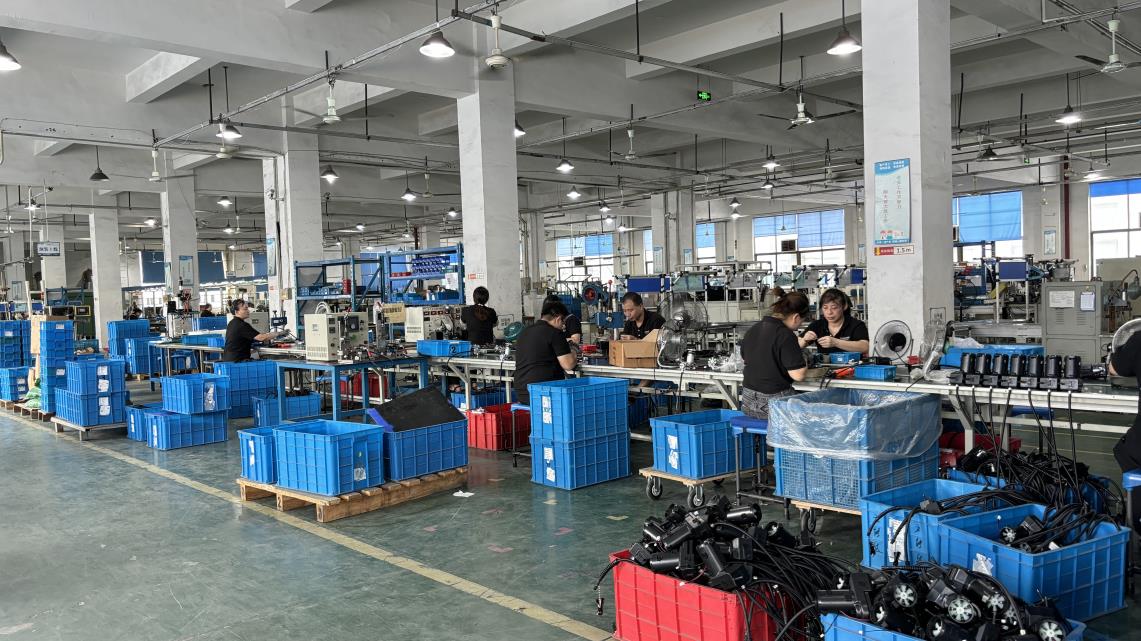
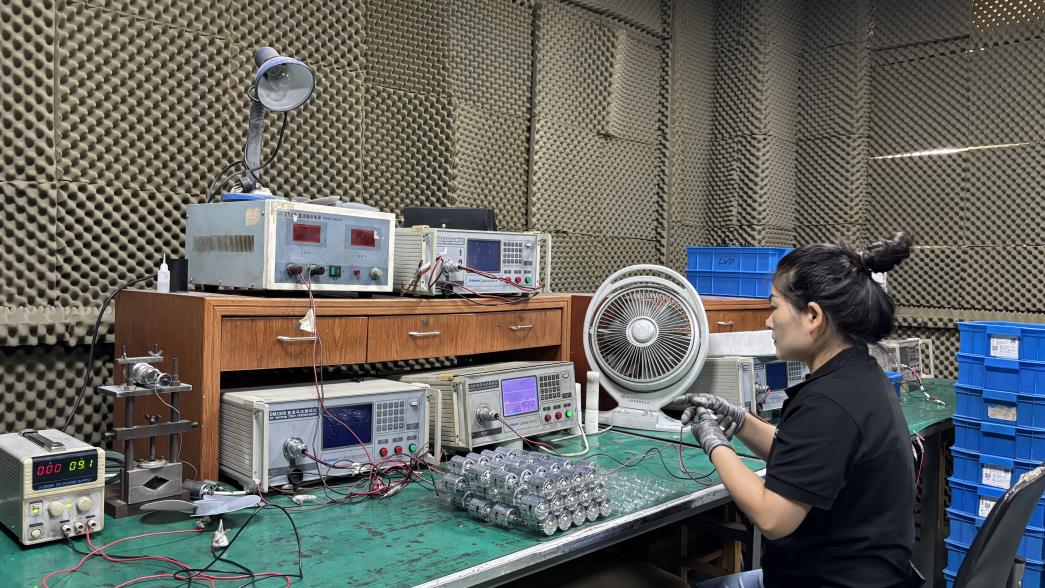
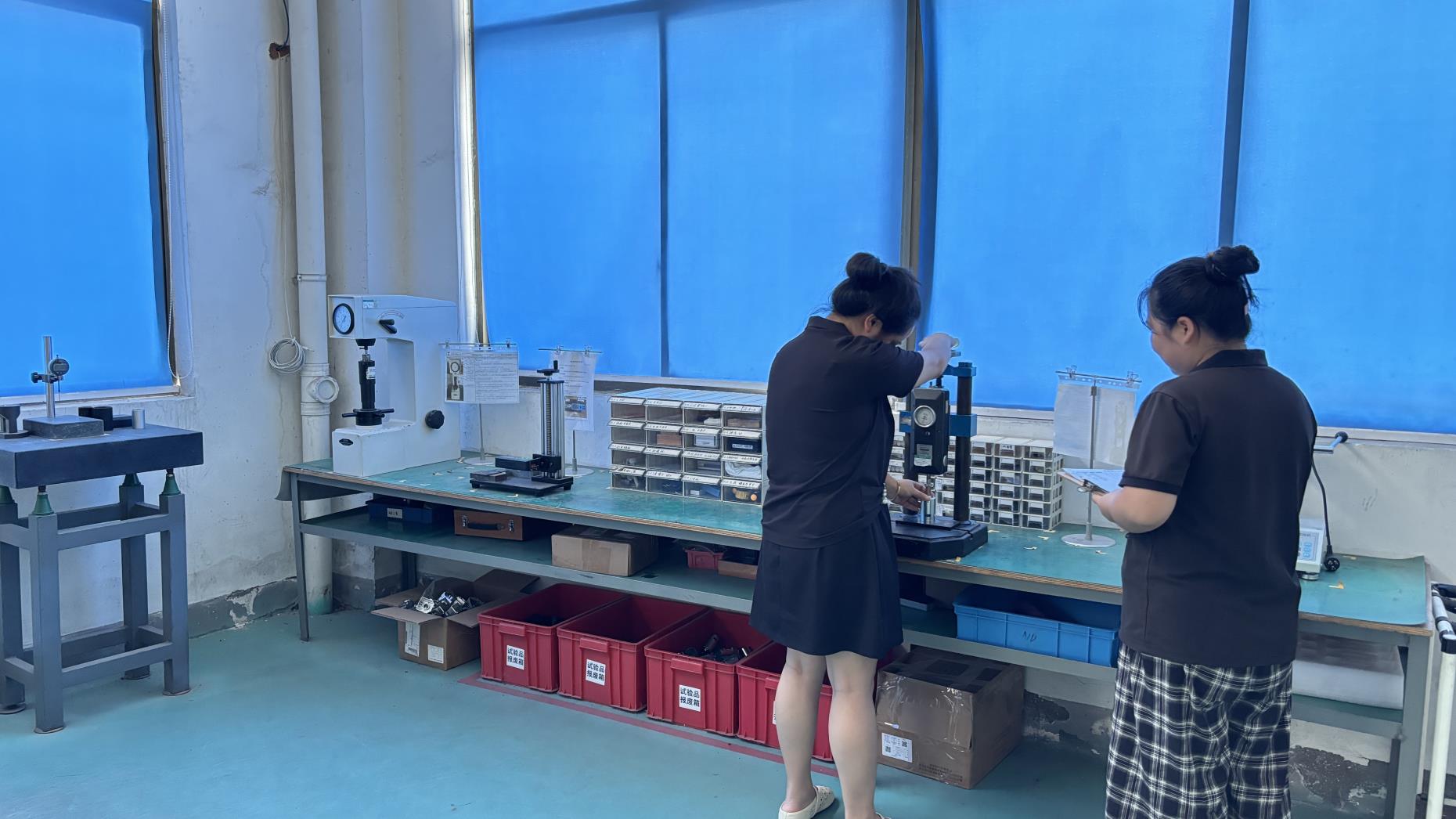
In the global components market, supply chain resilience is a key consideration for procurement teams. Shipping delays, raw material price fluctuations, and inconsistent quality audits can quickly stall local production runs. Developing a direct relationship with a verified manufacturer like TQC Micromotor helps mitigate these operational risks.
Industrial applications rarely allow for stock configurations. System performance depends on fine adjustments to physical and electrical parameters. Key customization parameters include:
All imported electrical equipment must comply with strict Australian Regulatory Guidelines. TQC Micromotor ensures all custom production runs meet CE, RoHS, and REACH criteria, with full documentation available to support local regulatory compliance audits (RCM/C-Tick).
Effective manufacturing requires dependable logistics. Whether shipping large batches via sea freight to major ports like Melbourne, Sydney, or Fremantle, or using express air freight for urgent prototypes, TQC coordinates all logistics to ensure smooth customs clearance and timely delivery.
Explore our complete range of high-efficiency brushed and brushless micro drive motors serving Australian engineering projects.
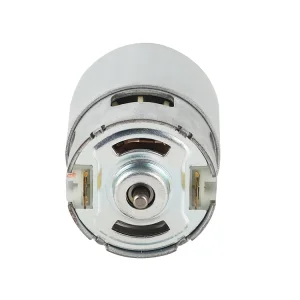
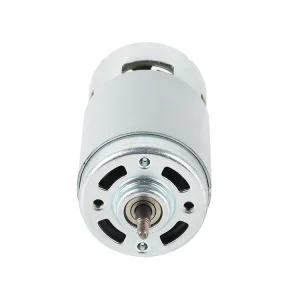
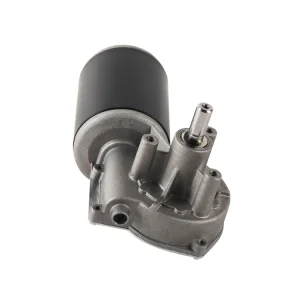
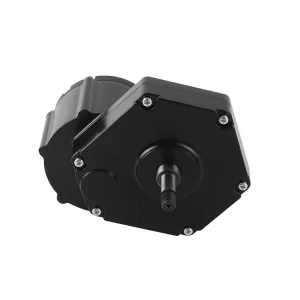
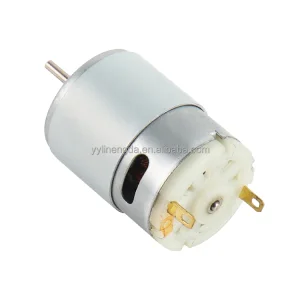
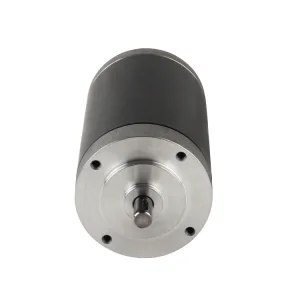
Technical and commercial answers to guide engineering and procurement decisions.
We configure our motors with upgraded IP65/67 ingress protection, high-temperature wire insulation (Class F or H), and synthetic lubricants that maintain proper viscosity in ambient temperatures above 45°C. This helps prevent internal dust buildup and reduces mechanical wear.
Our standard prototype sampling takes 7 to 15 days depending on the customization needed. Bulk production lead times range between 25 and 35 days. MOQs depend on the size of the motor, typically starting at 1,000 units for micro motors, with flexibility for custom engineering evaluations.
Yes, our factory processes comply with ISO9001 quality management standards. Our product lines are built to meet CE, RoHS, and REACH requirements, providing the necessary documentation to support local RCM/C-Tick compliance checks in Australia.
Yes. We specialize in custom motor configurations, including D-cut or splined shafts, specific voltage windings (from 3.6V to 48V), custom gear ratios, integrated encoders, and custom wire harnesses.
We work with international logistics providers to offer flexible delivery options, including DDP, FOB, and CIF, shipping to main ports like Melbourne, Sydney, Brisbane, and Adelaide via sea or air freight.