TQC Micromotor
TQC Micromotor
TQC Micromotor
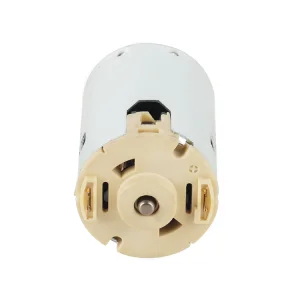
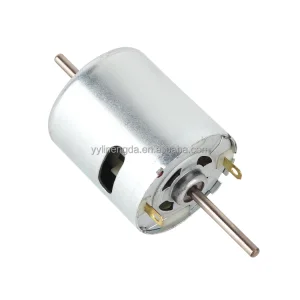
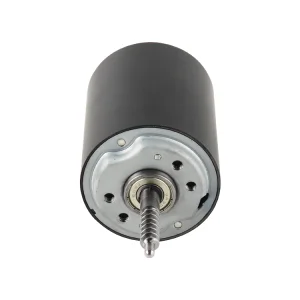
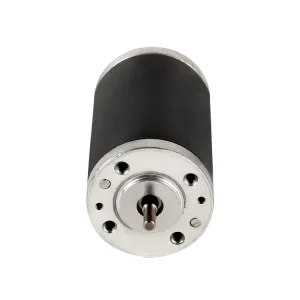
High-torque efficiency, custom shaft geometries, and optimized acoustic profiles designed for industrial, automotive, and smart appliance frameworks.
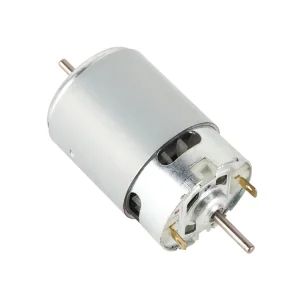
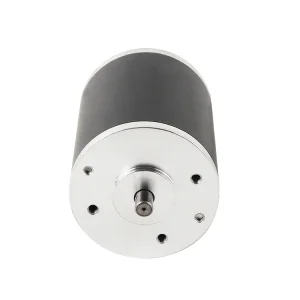
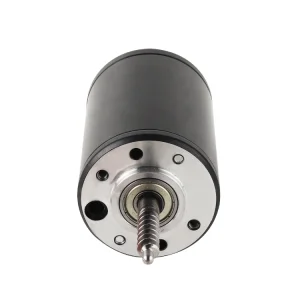
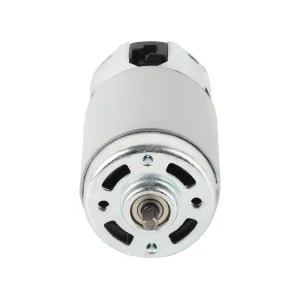
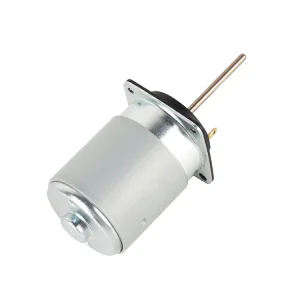
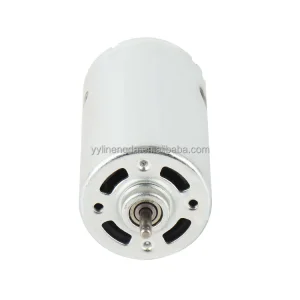
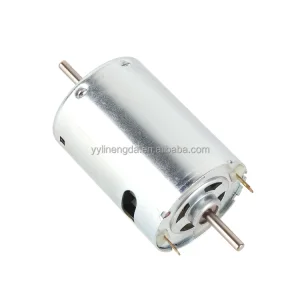
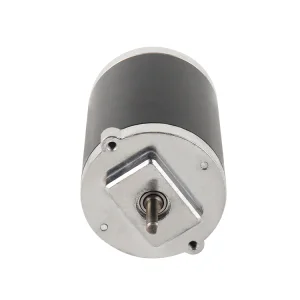
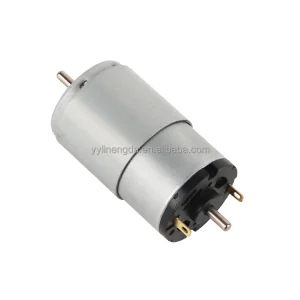
At TQC Micromotor, we believe that global innovation shouldn't be limited by size. For two decades, we have dedicated ourselves to a single, relentless pursuit: designing, engineering, and manufacturing high-performance micro-drive solutions that keep modern industries moving forward. Based in China, we operate a state-of-the-art, ISO9001-certified production facility specializing in Micro DC Motors, DC Gear Motors, and Brushless DC Motors (BLDC).
The name TQC represents our foundational pillars: Top Quality & Customization. We understand that applications like smart home automation, medical devices, automotive electronics, and precision robotics demand uncompromised reliability. That is why every TQC micro motor is built with an exceptional power-to-size ratio, ultra-low noise acoustics, and an extended operational lifespan, backed by strict 100% in-house quality control and international certifications (CE, RoHS, REACH).
We don’t just supply standard hardware; we act as a strategic R&D partner. With a robust engineering team holding multiple industry patents, TQC thrives on solving complex mechanical challenges through flexible OEM/ODM custom solutions. From custom shaft configurations and custom voltage tuning to specialized bespoke gearheads, we turn your technical blueprints into high-volume, cost-effective reality.
Unlocking industrial capability and device efficiency through micro-drive integration
The global industrial landscape is experiencing a massive paradigm shift towards decentralized intelligence. Traditionally, gear motors were passive mechanical execution units. Today, the inclusion of integrated optical/magnetic encoders, thermal sensors, and digital communication protocols (like Modbus, CAN Bus, or IO-Link) has transformed gear motors into "Smart Drive Systems". These technologies allow real-time diagnostic reporting on speed fluctuation, power utilization, and predictive maintenance schedules.
By integrating directly with smart-home systems, automotive micro-controllers, and smart factory mainframes, modern smart gear motors adjust torque profiles dynamically based on real-time loads. This adaptability improves performance, limits physical wear, and lowers power consumption in high-demand environments.
As devices become sleeker and more compact—ranging from smart medical automated drug pumps to modern blind putters and automotive hidden handles—demand has surged for high torque density. High torque density requires maximizing the magnetic flux within a reduced physical footprint.
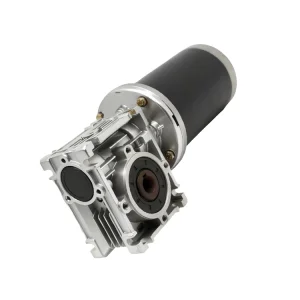
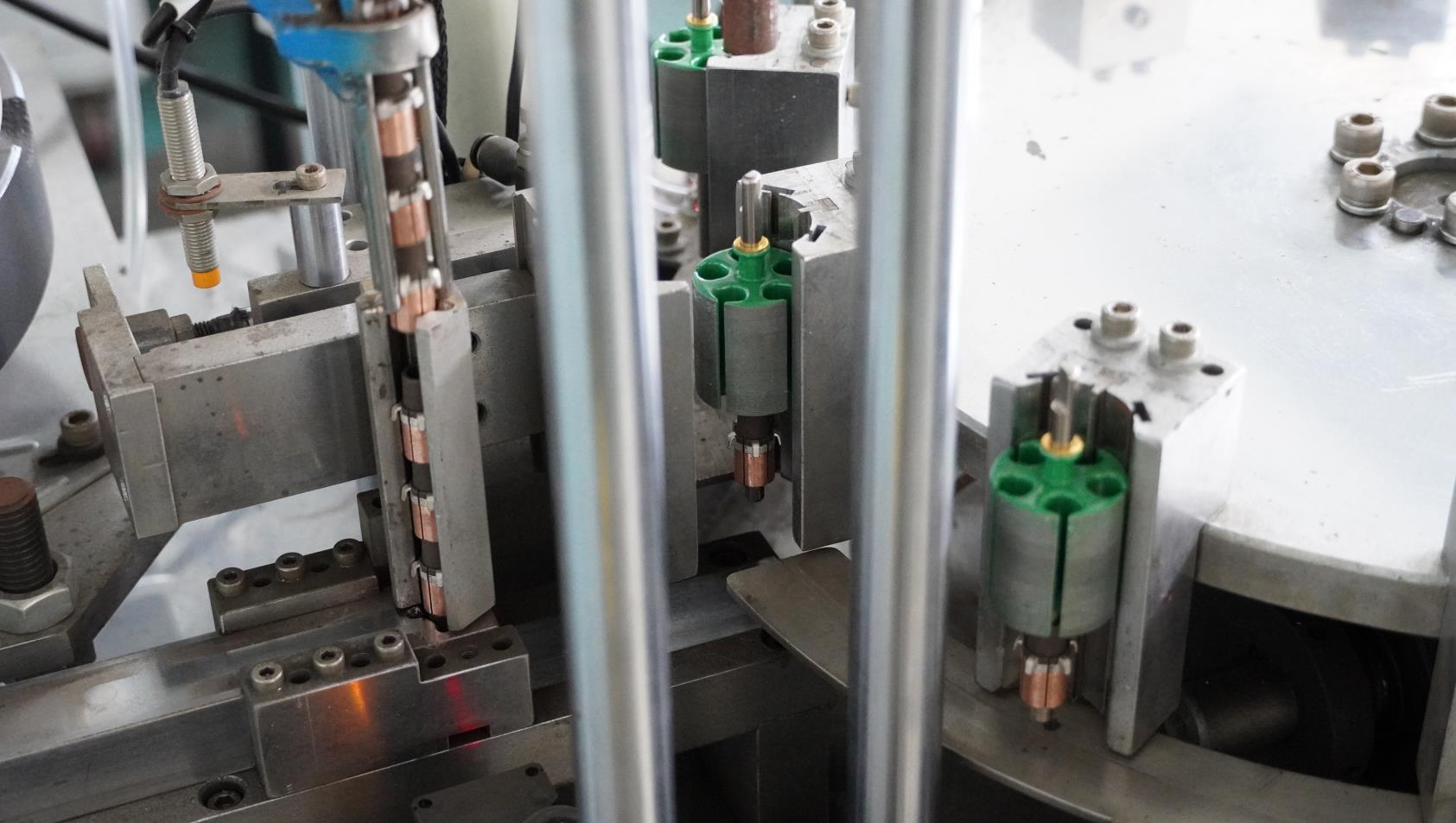
To achieve this, TQC engineers utilize high-grade Neodymium permanent magnets (NdFeB), optimize stator tooth geometry, and implement precision-wound automated rotor windings. The integration of high-precision worm and planetary gearboxes directly on the motor shaft reduces speed while multiplying output torque, resolving space limitations without sacrificing operational capacity.
In applications like residential automated shades, hospital medical beds, and automotive cabin comforts, acoustic management is a key differentiator. The standard noise target is now under 45dB, and in some applications, below 35dB. Achieving these targets requires dynamic balancing of the rotor, high-precision commutator turning, and using premium synthetic lubricants within the gearheads.
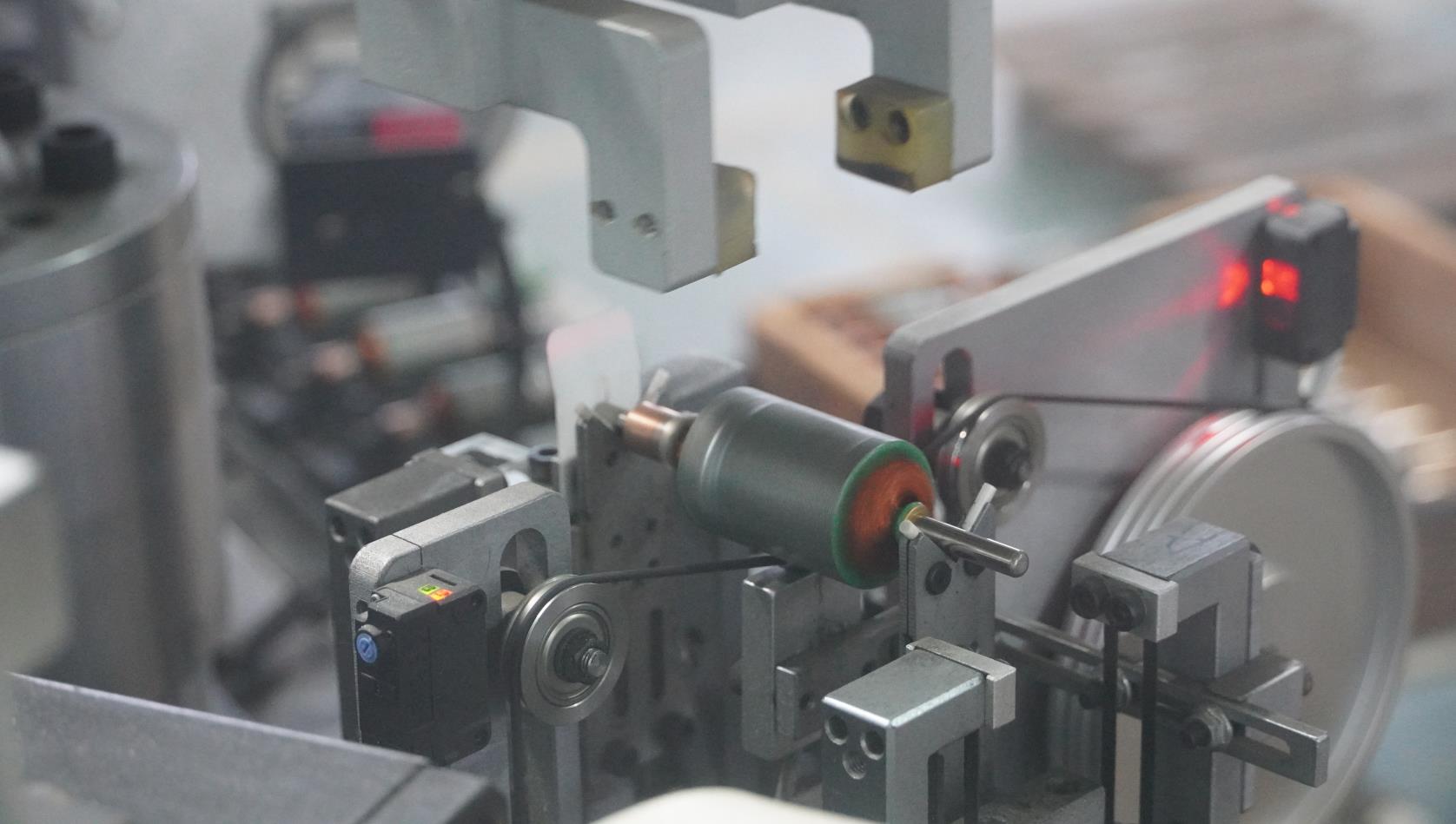
Through automated dynamic balancing, TQC limits structural vibrations that cause noise and wear. This structural optimization ensures compliance with stringent NVH (Noise, Vibration, and Harshness) requirements in the automotive sector.
Deciphering procurement expectations for international OEMs and system integrators
Global procurement of drive components is no longer based on price alone. Commercial purchasing managers and supply chain directors prioritize risk reduction, compliance, and custom design capabilities.
All products bound for the EU or North America must comply with RoHS, REACH, CE, and UL standards. A single non-compliant batch can halt production lines, leading to supply chain issues.
Standard motors rarely fit custom enclosures. OEMs require custom output shafts (D-cuts, keyways, splines), custom winding voltages (such as 12V, 18V, 24V, 55V, or 120V), and tailored gearbox reduction ratios.
With geo-economic shifts, buyers seek manufacturers with reliable raw material sourcing, automated quality control processes, and efficient logistics partners.
TQC Micromotor mitigates these procurement challenges by acting as an OEM/ODM partner. We offer direct-to-factory engineering communication, fast prototyping (often within 7-10 working days), and high-volume, automated production. This vertical integration guarantees consistent component quality and minimizes lead times.
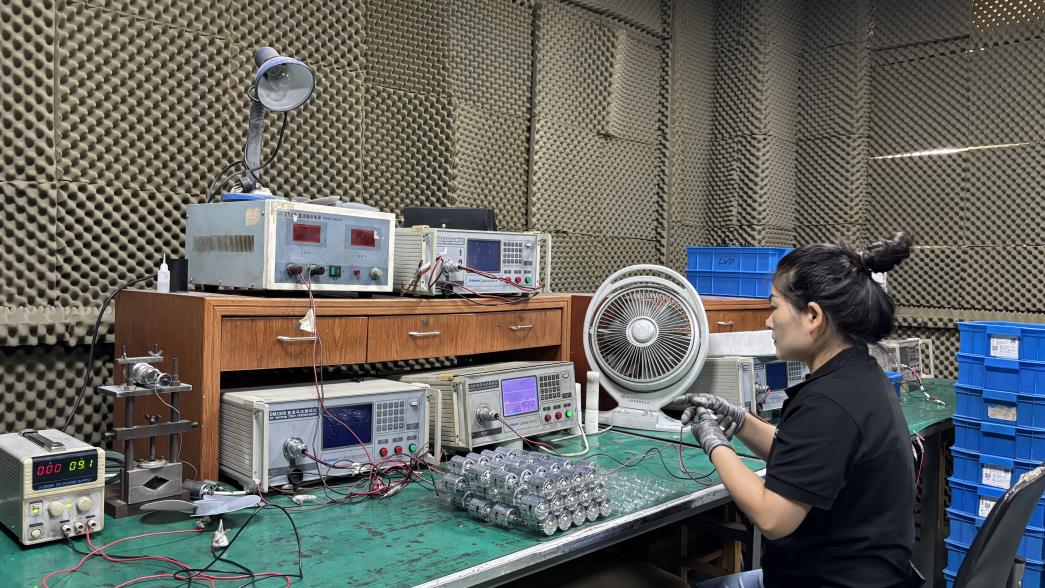
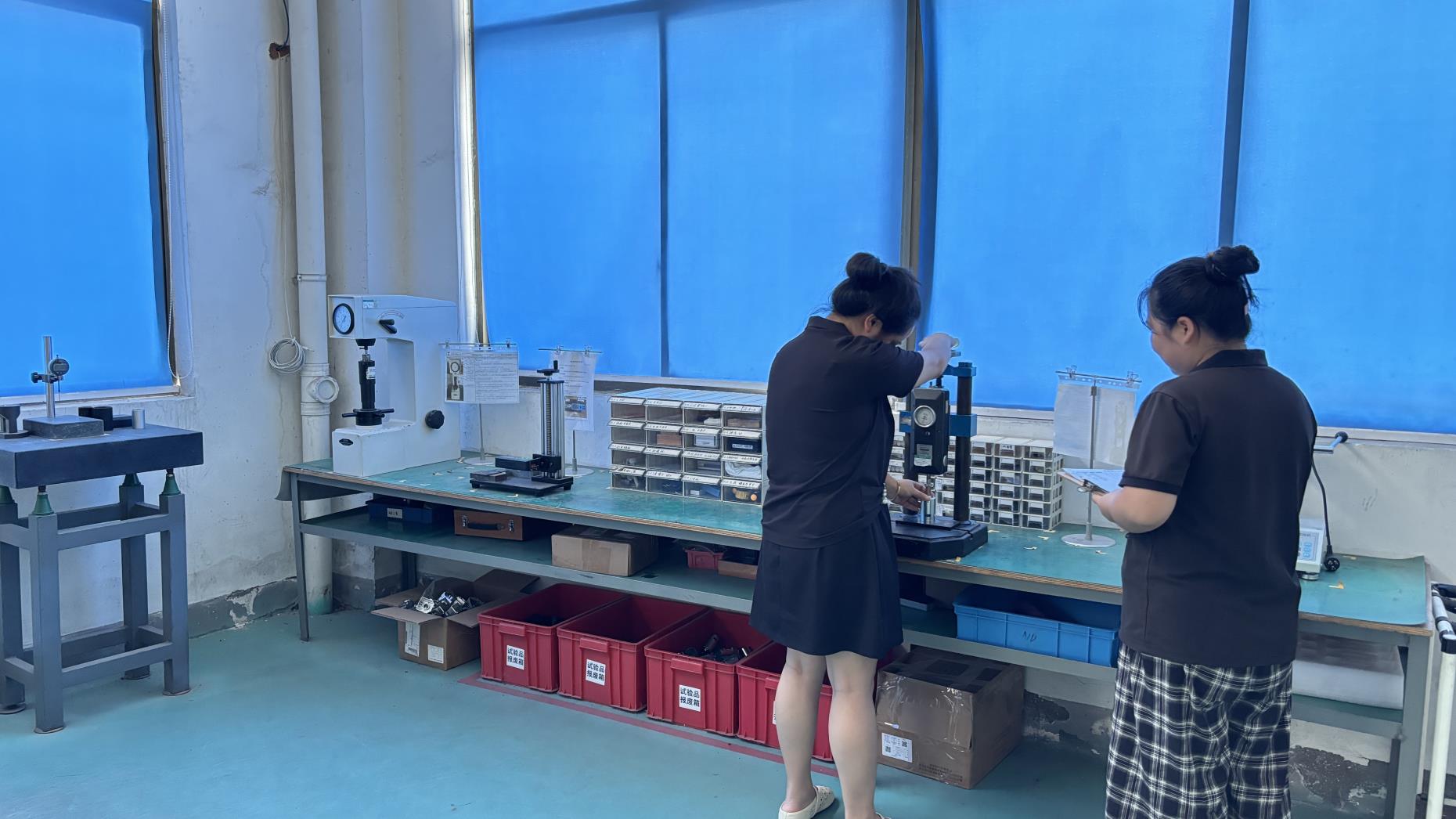
Under the hood of TQC’s advanced assembly, winding, and testing facility
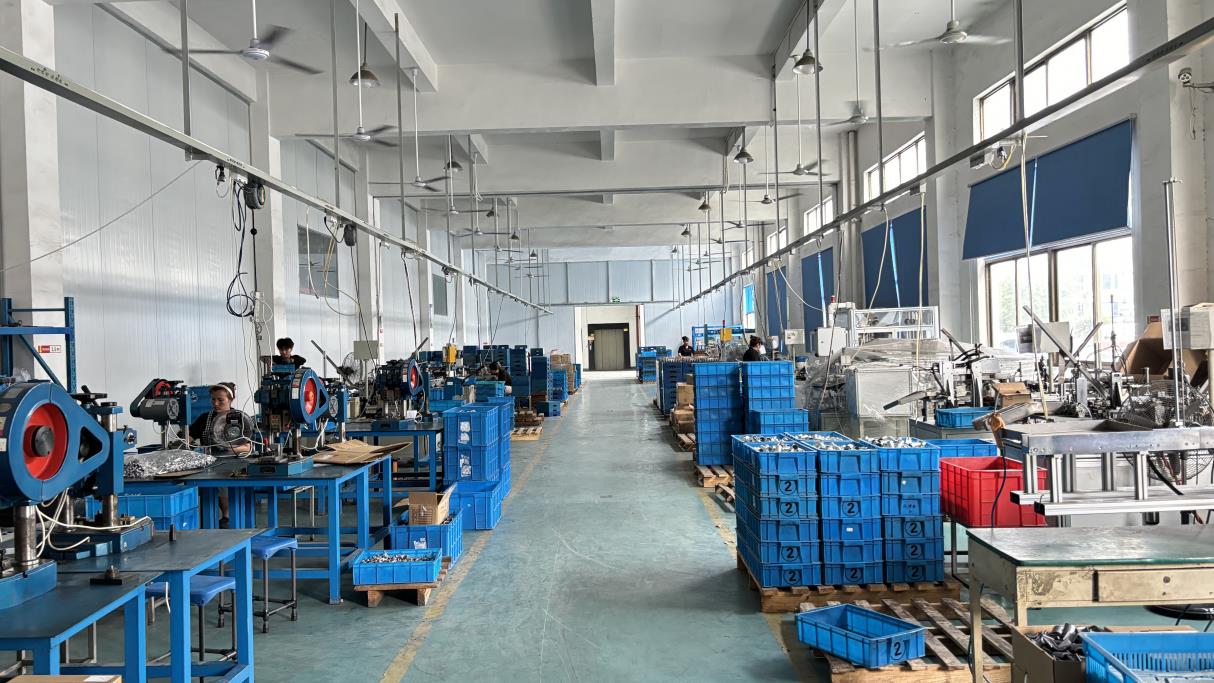
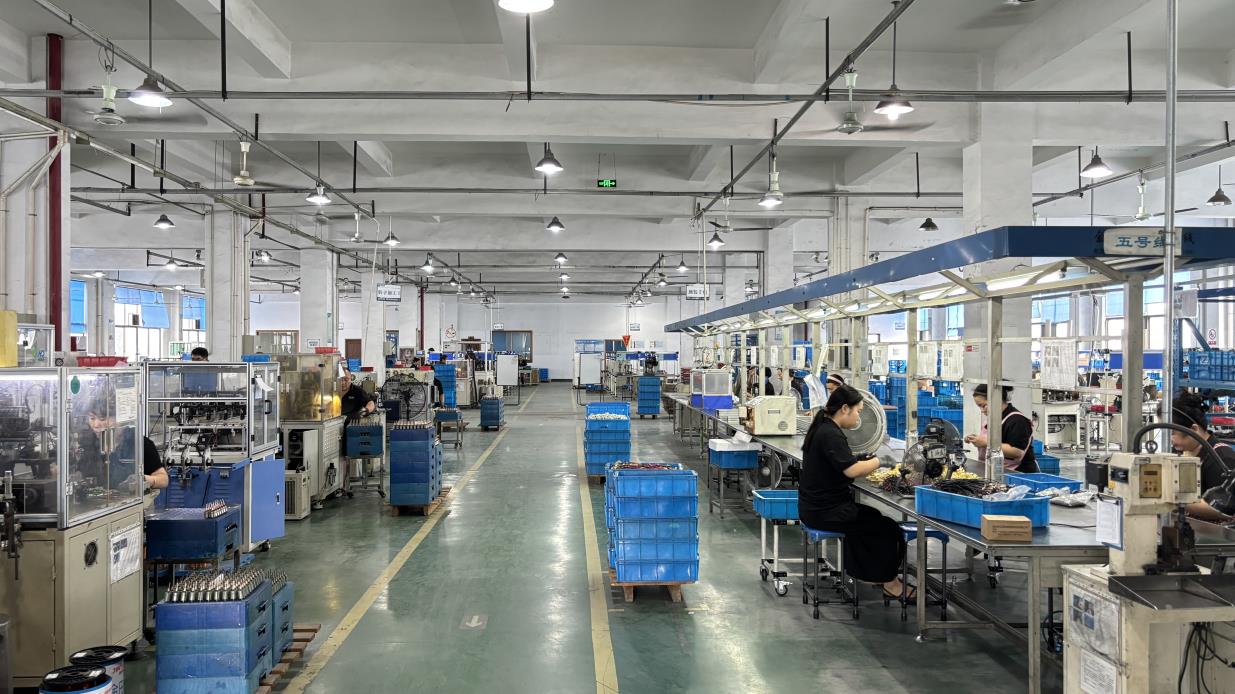
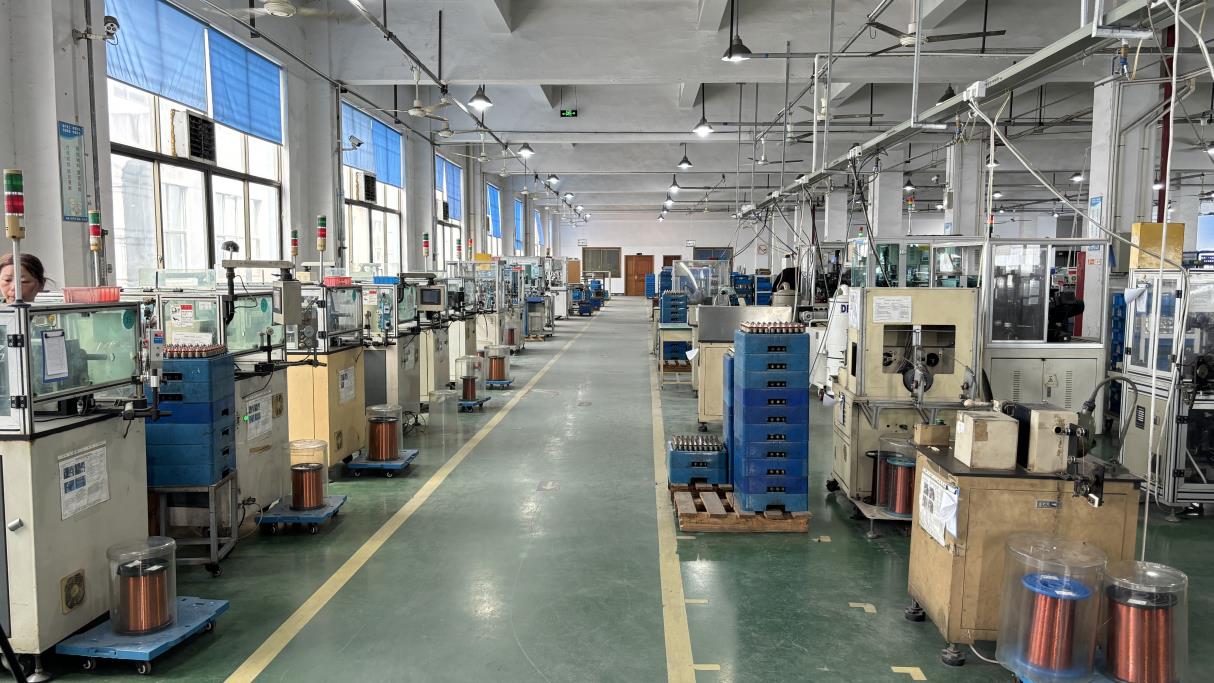
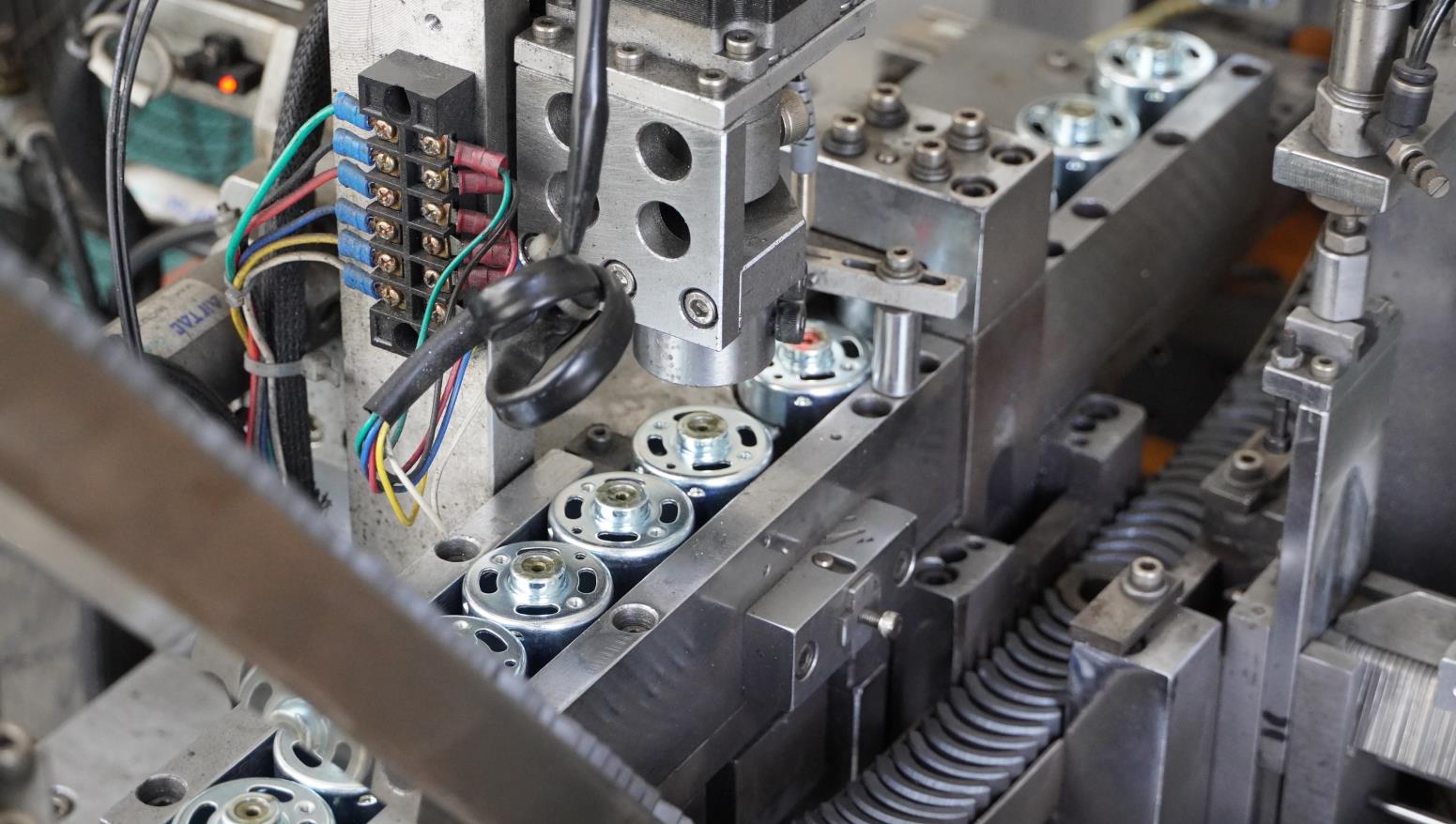
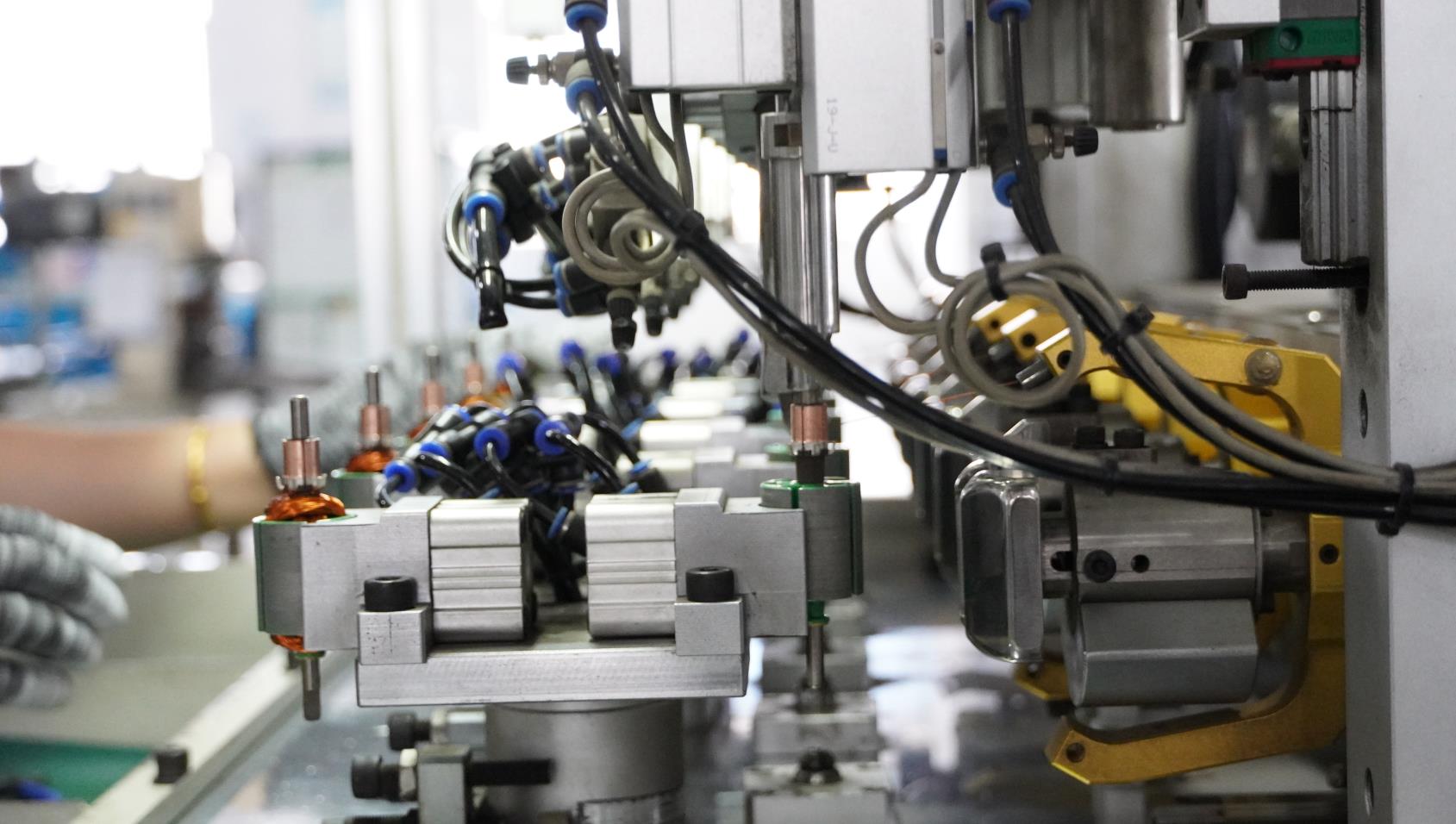
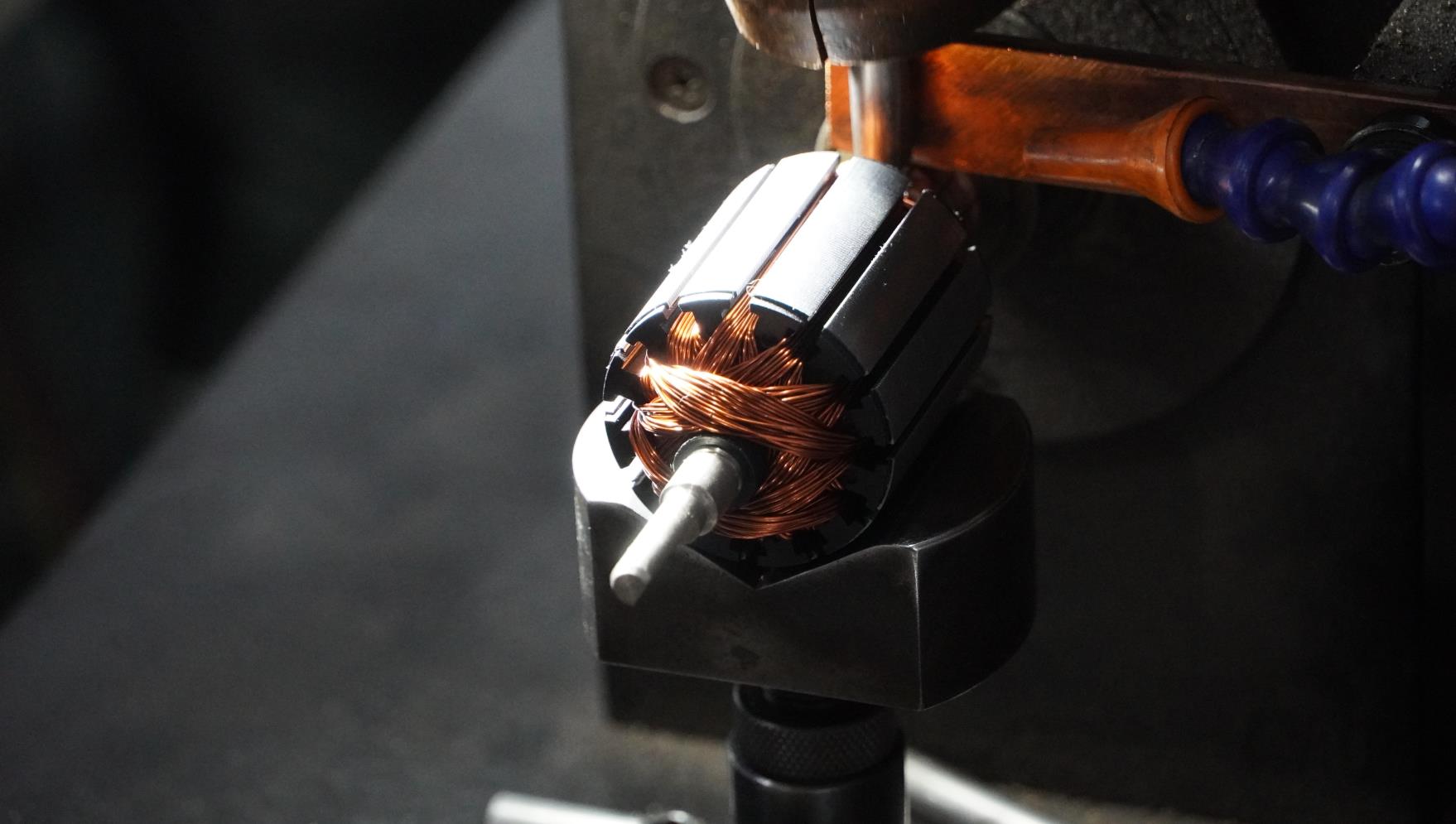
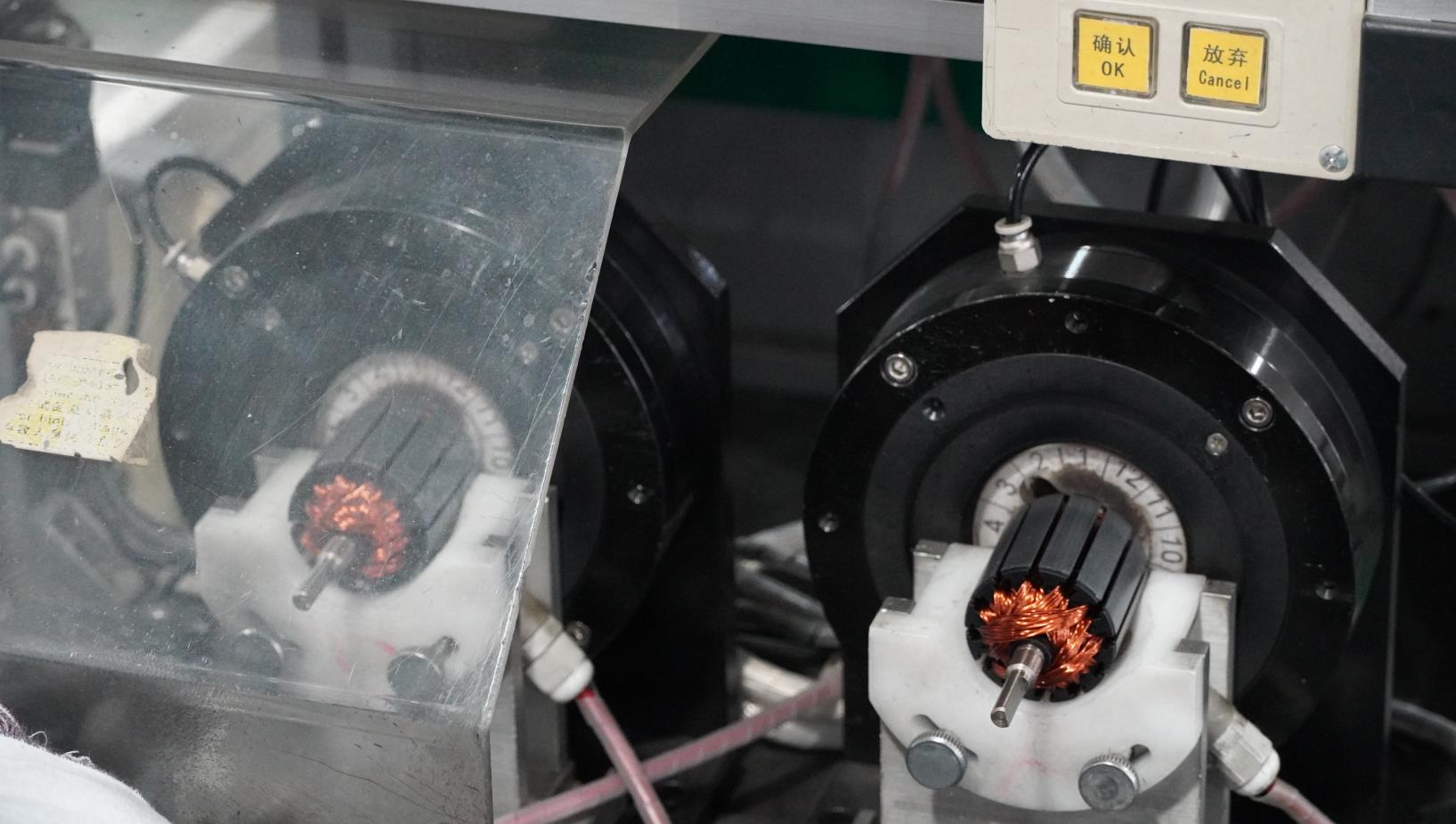
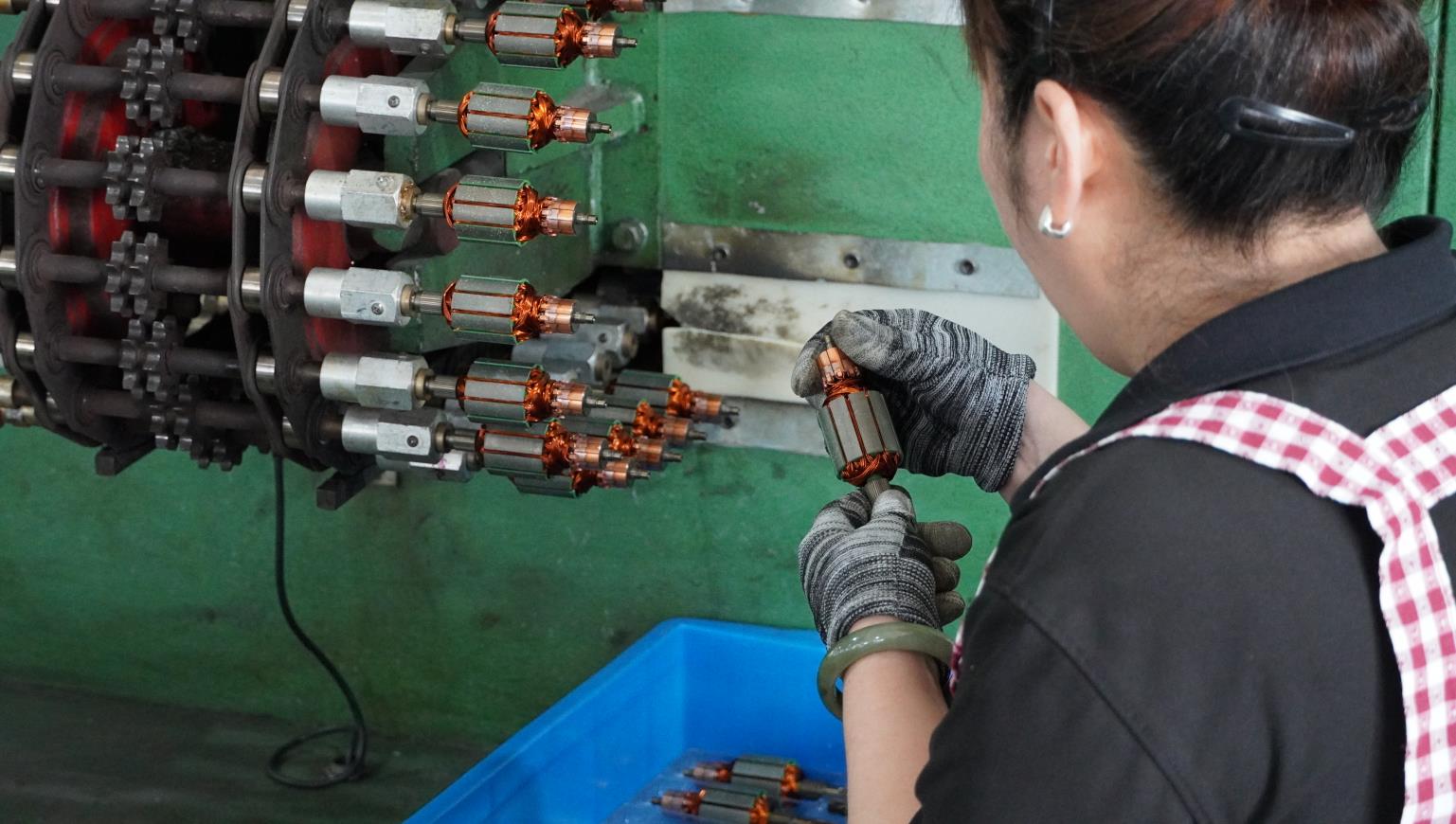
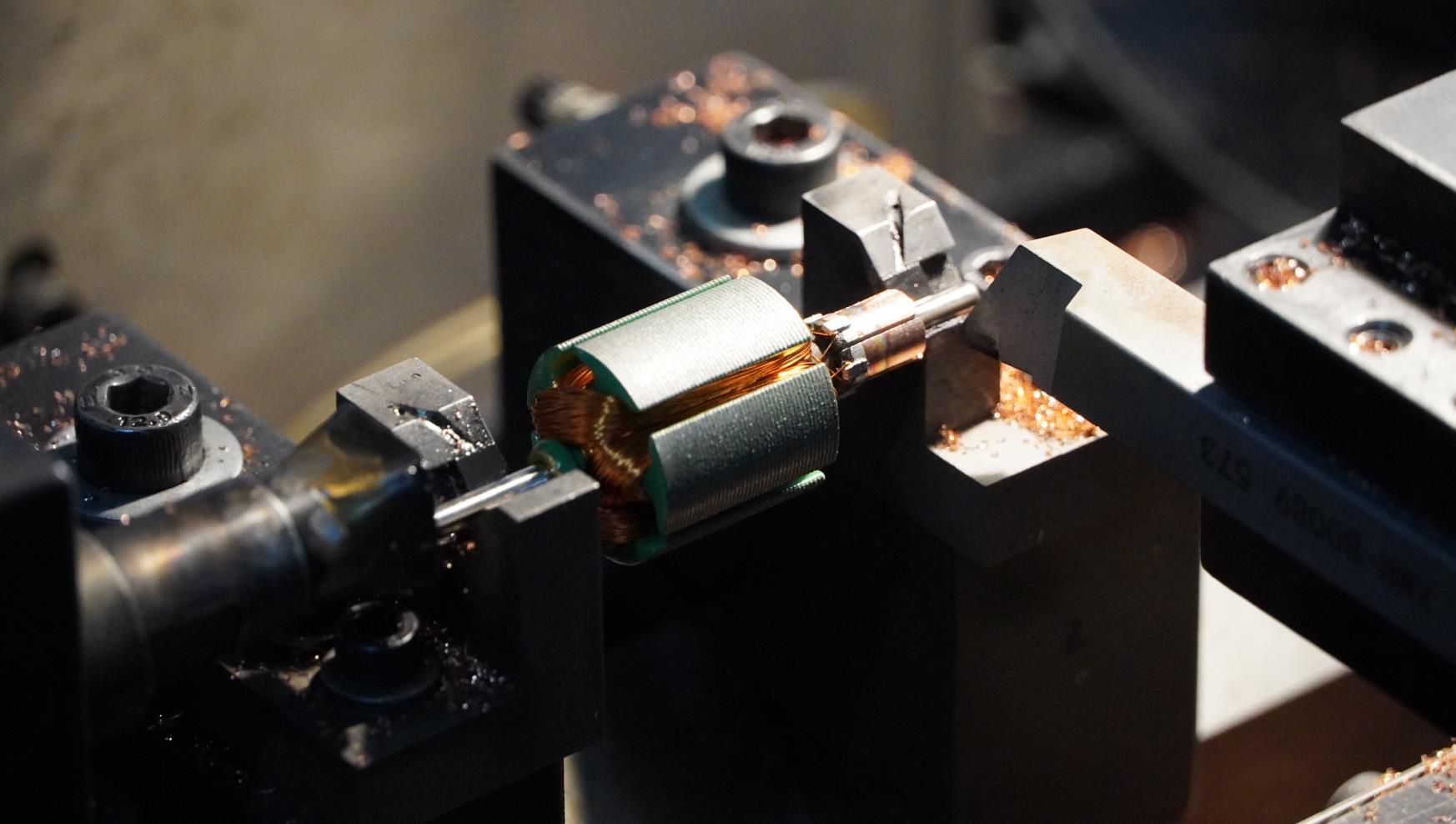
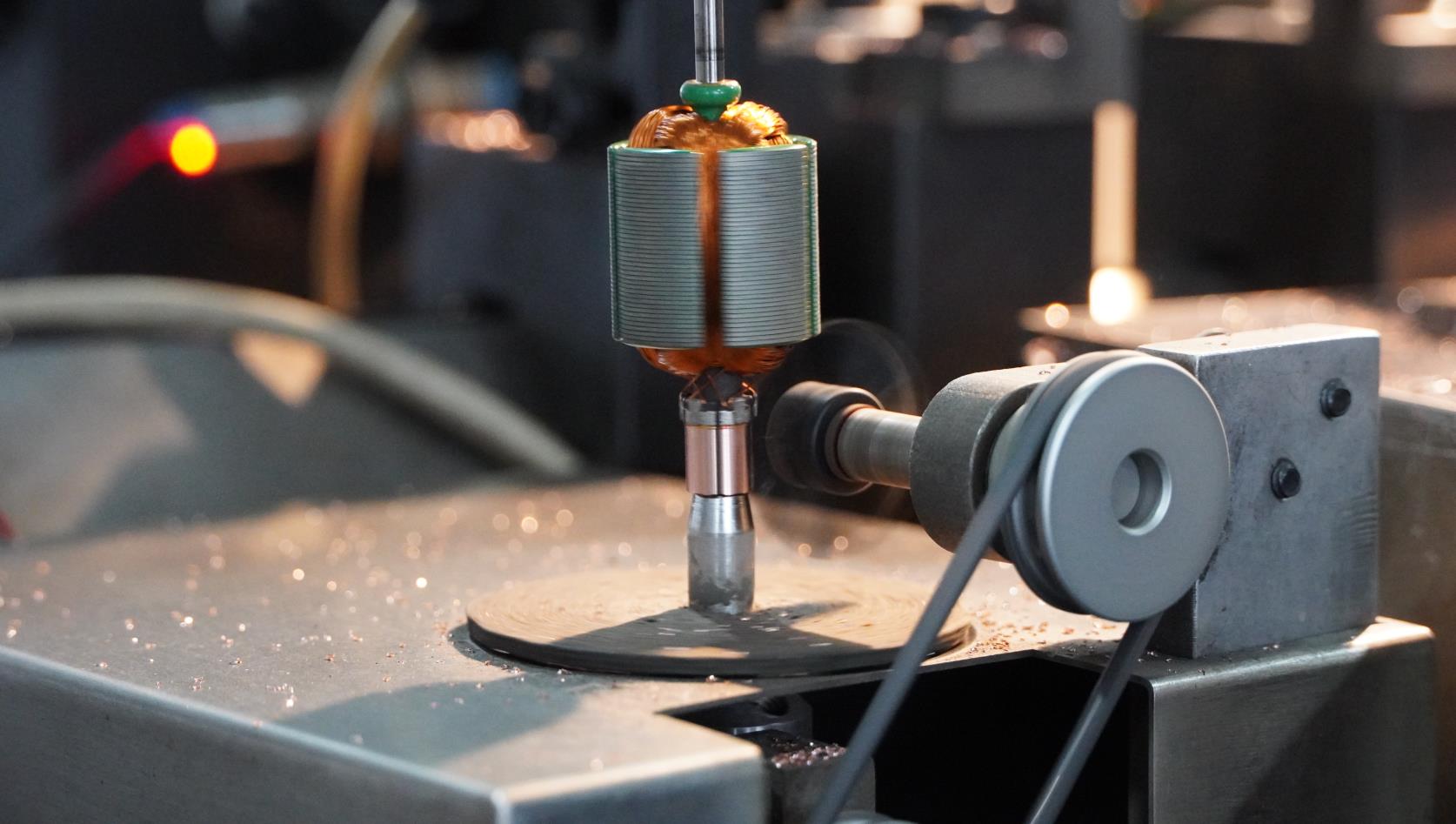
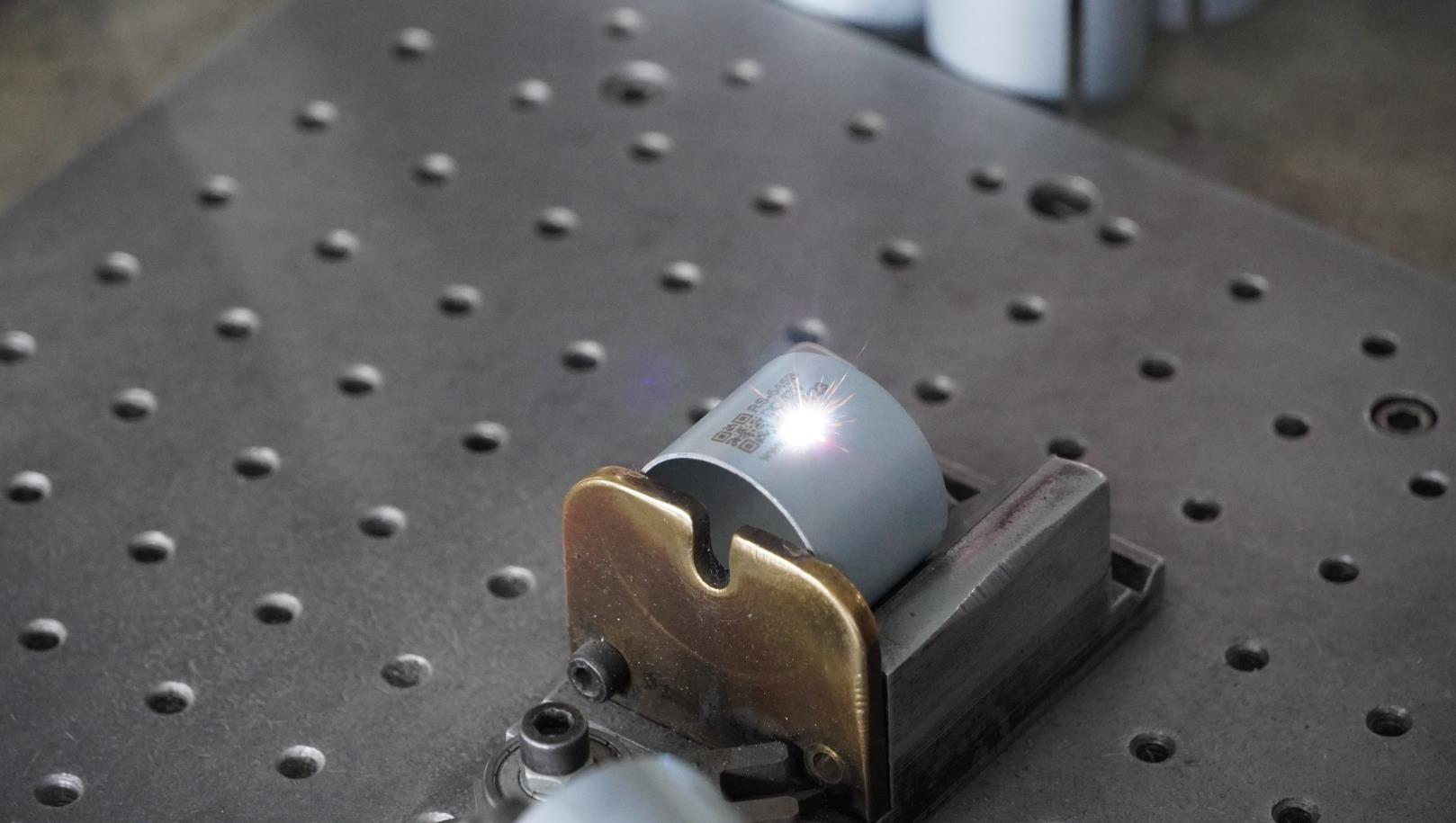
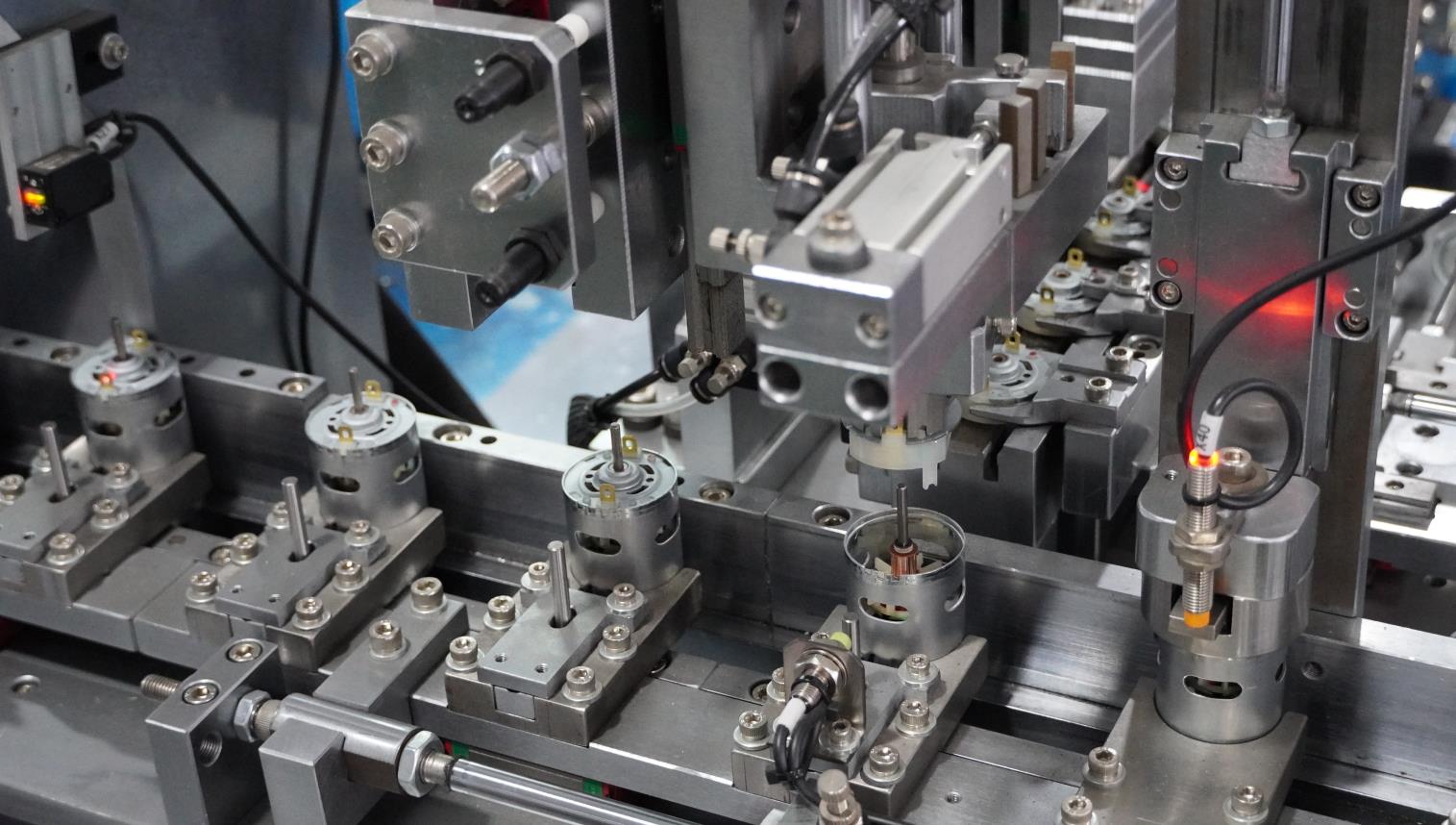
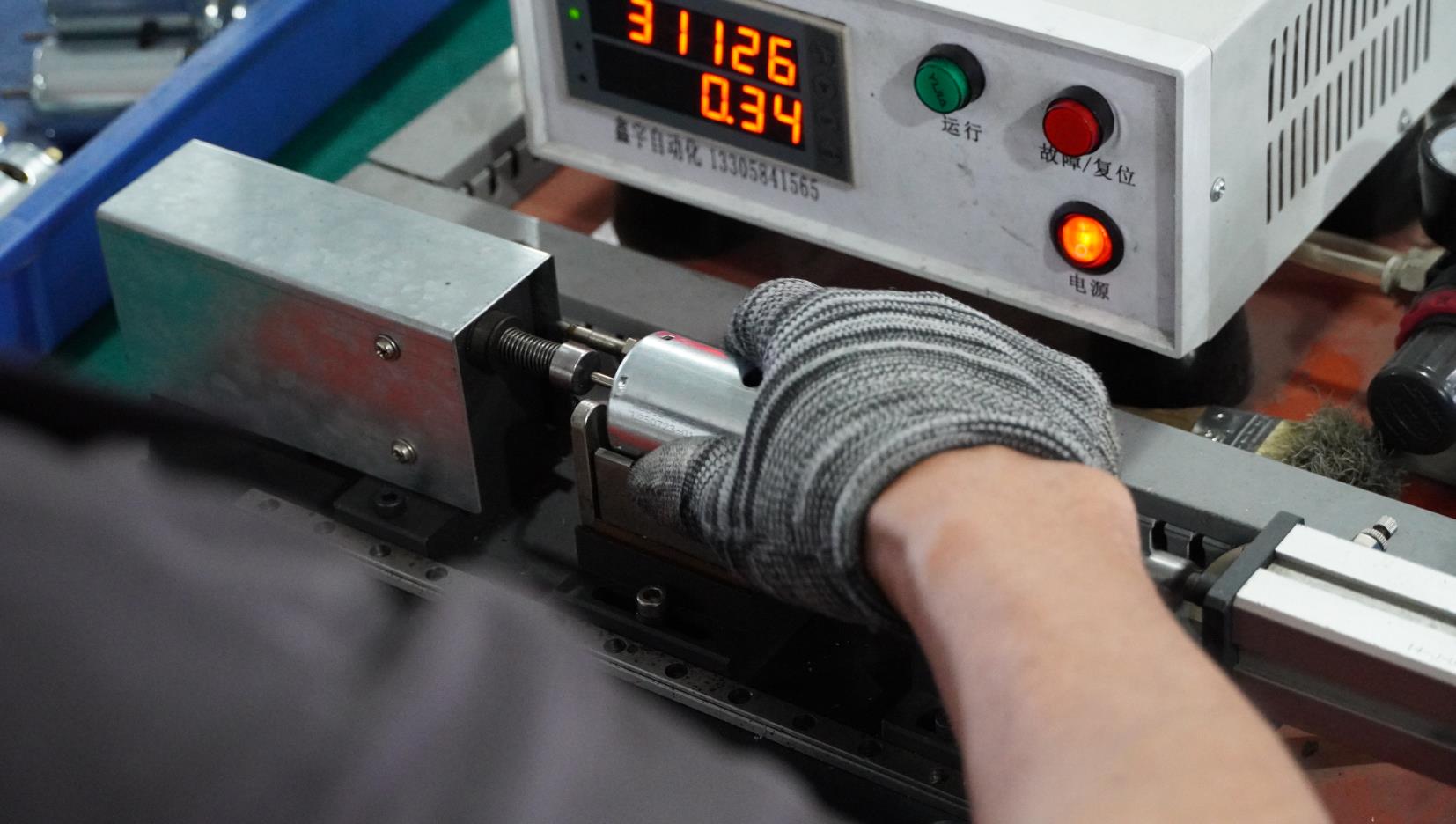
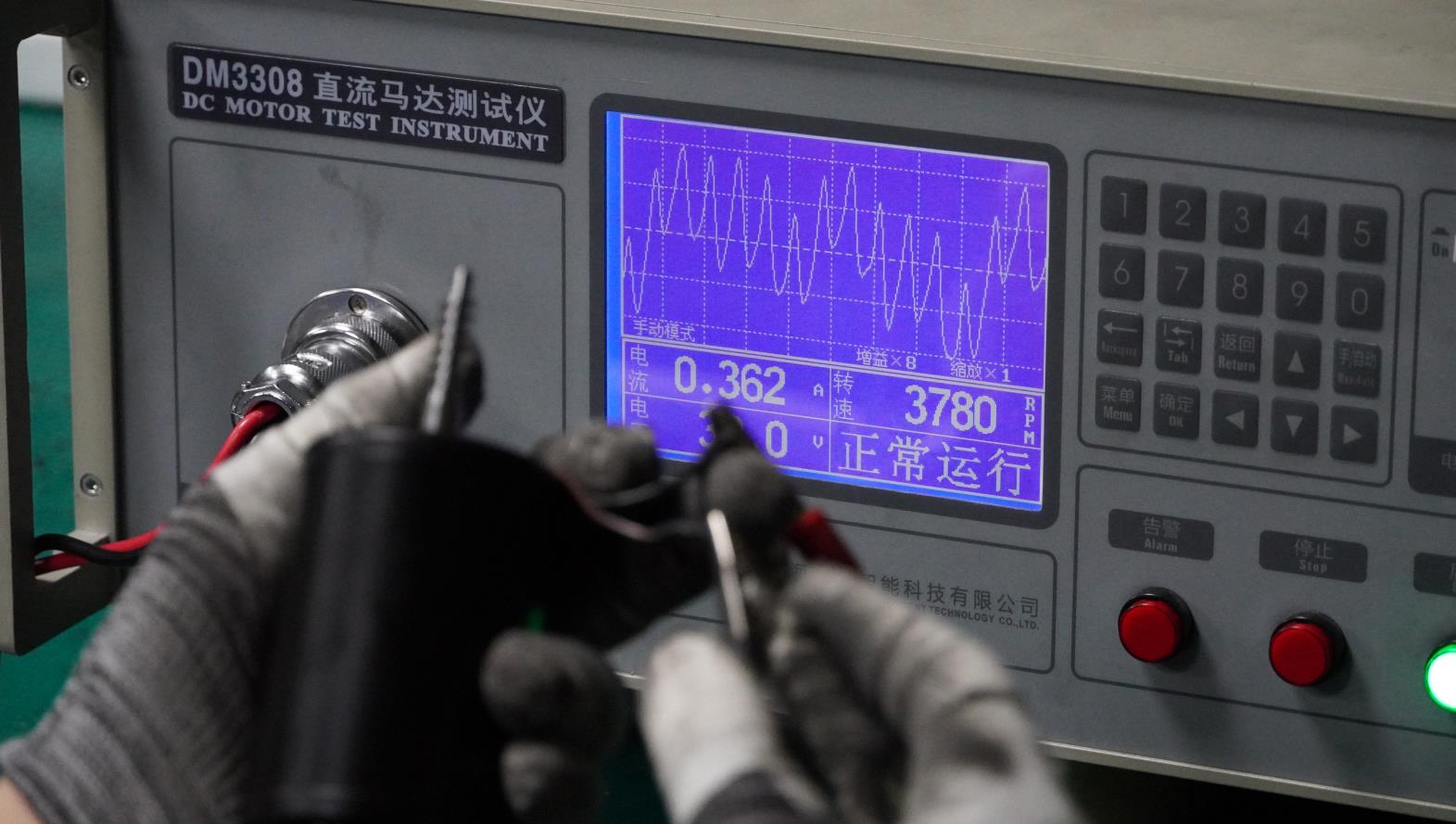
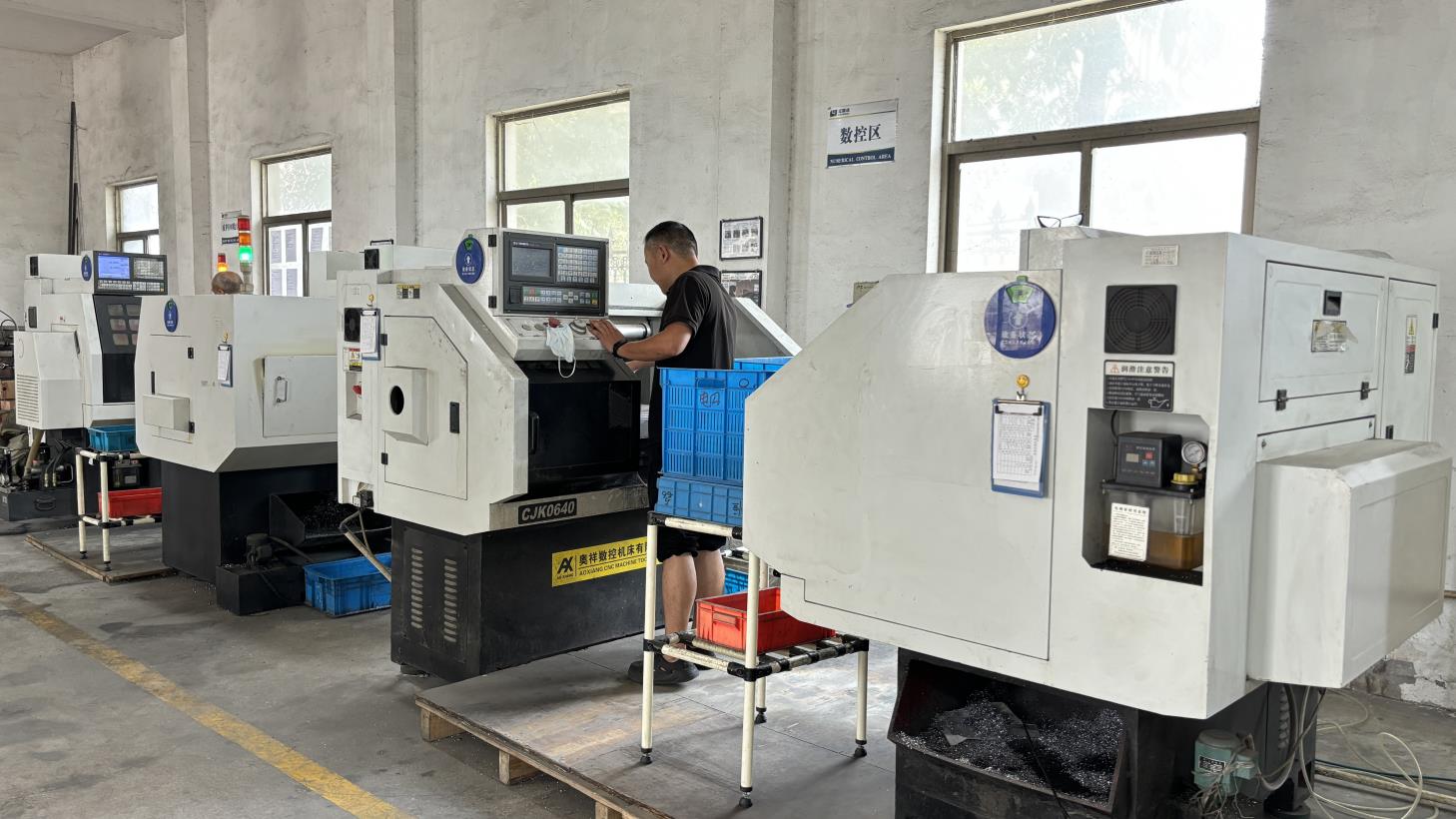
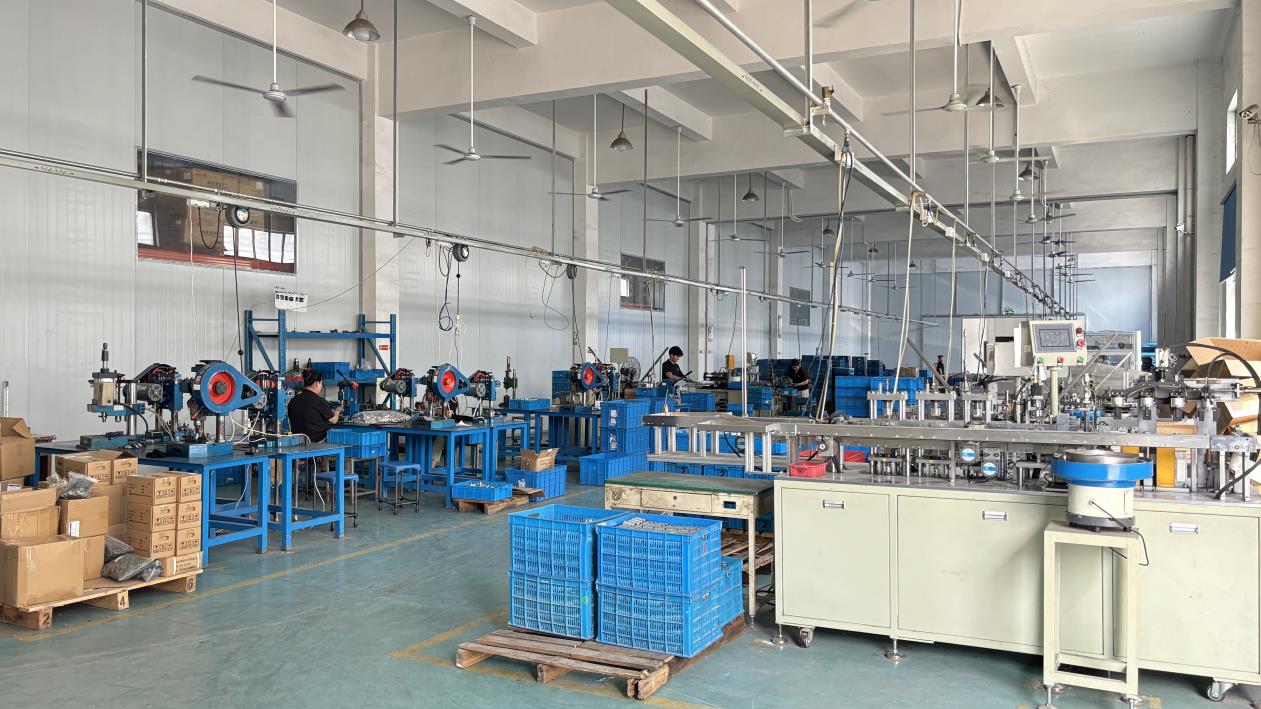
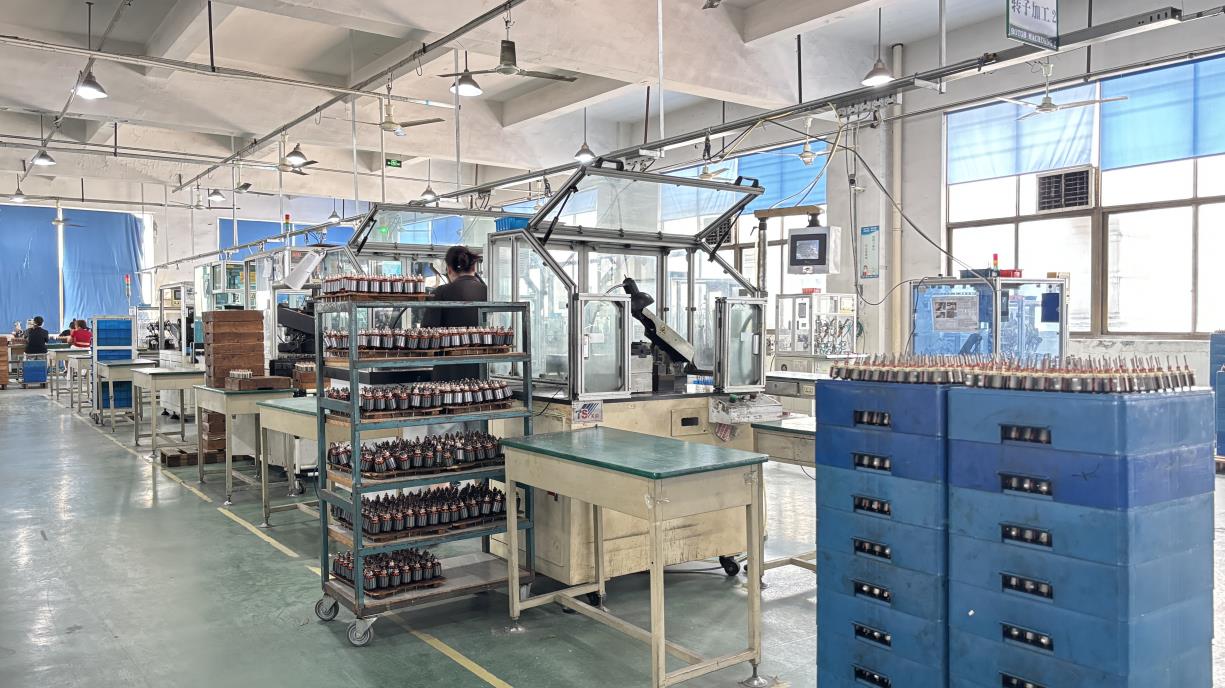
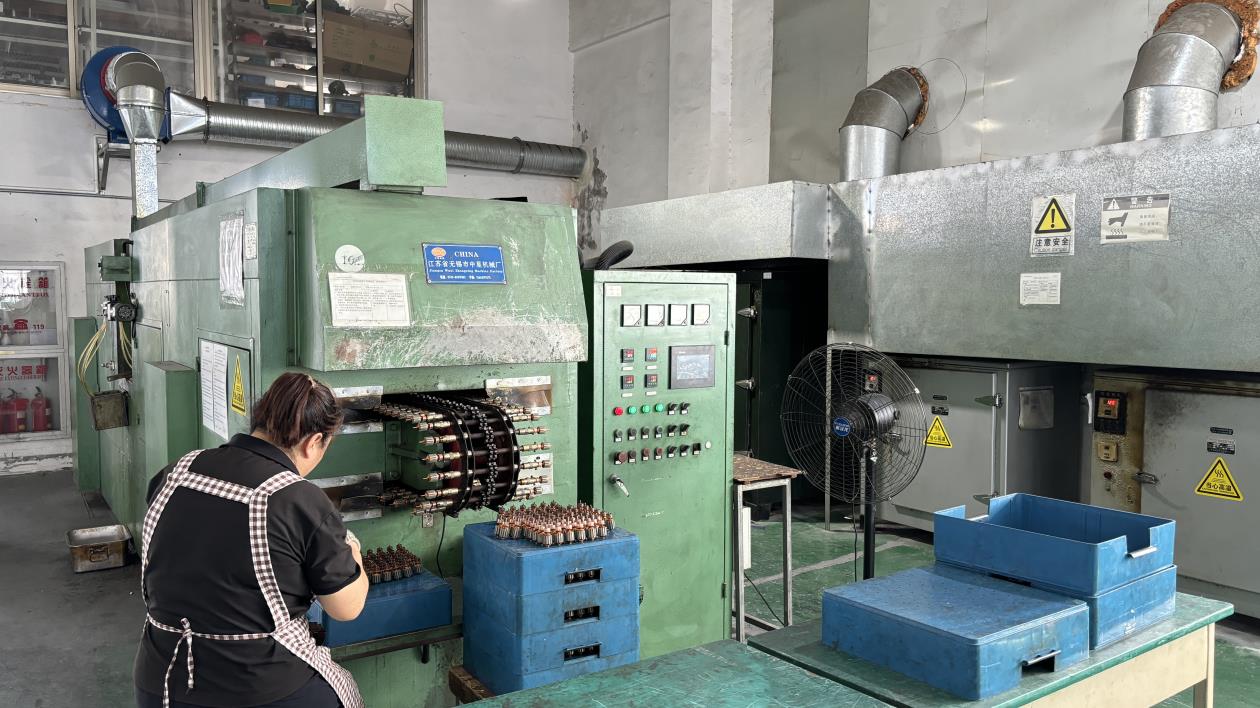
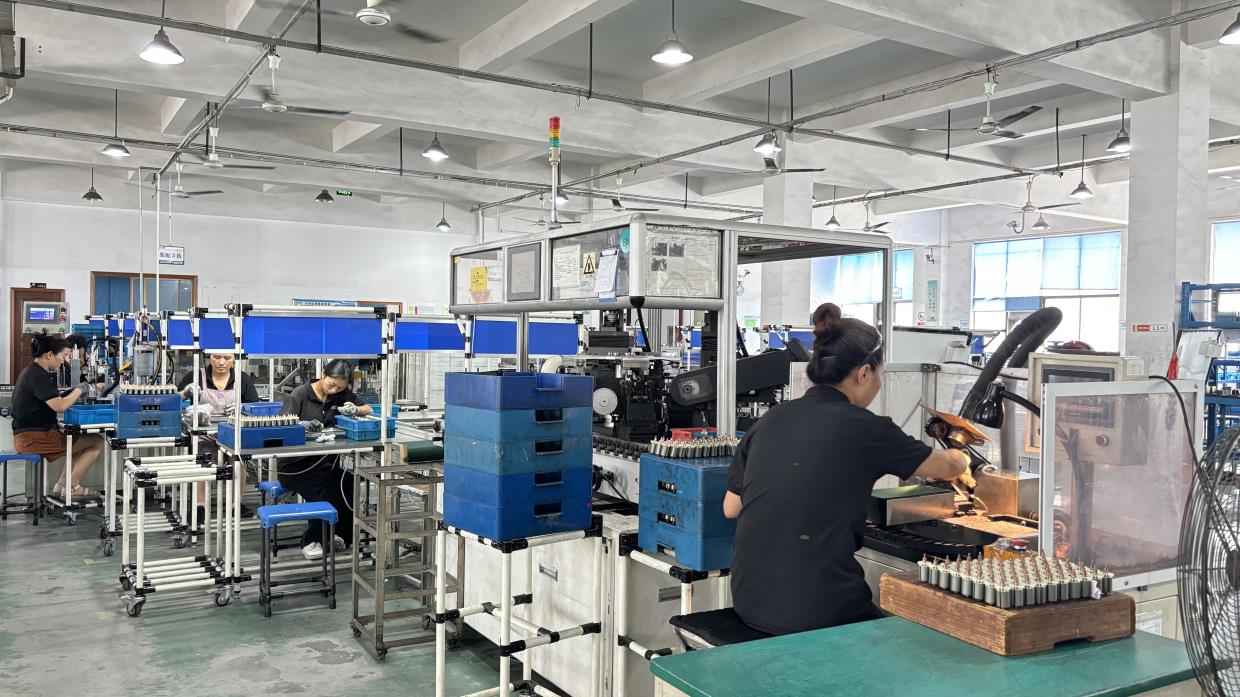
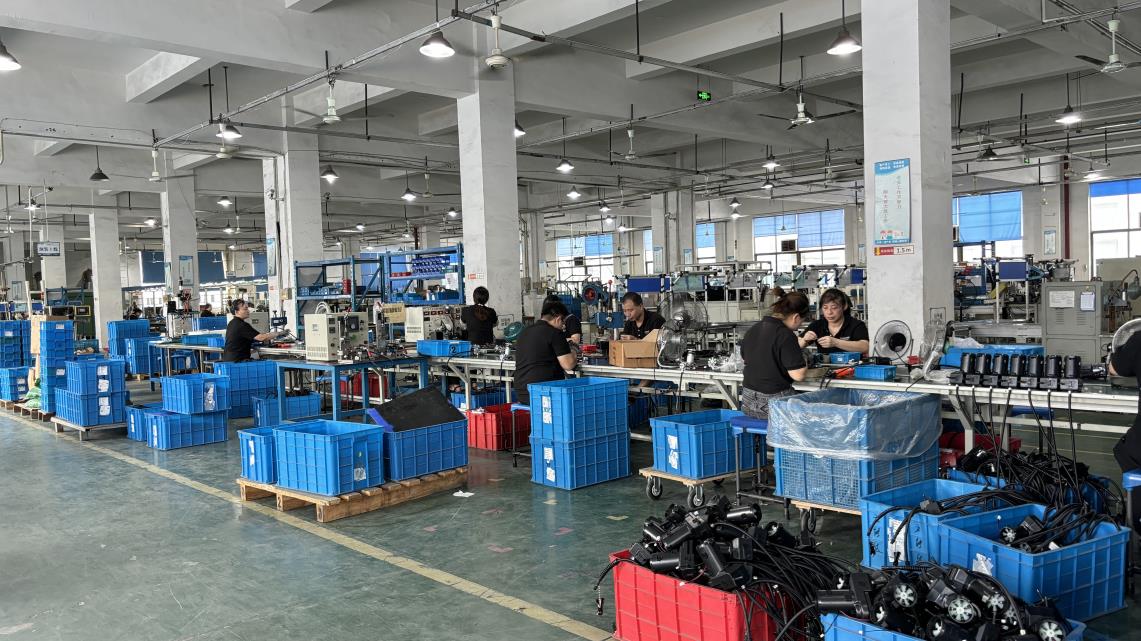
China's manufacturing sector has evolved from low-cost assembly to advanced precision engineering. At TQC, we utilize automated winding systems, computer-guided commutator alignment, and automated testing rigs. This automation ensures quality consistency and cost efficiency at scale.
Our vertical supply chain integration—from raw copper winding wires to steel laminations and precision gear cutters—enables rapid scaling. It also provides insulation against global supply chain interruptions. The visual walkthrough below outlines the steps in our manufacturing process:
Custom design requirements for smart systems, automotive platforms, and marine systems.
In modern residential systems, micro-motors power motorized window treatments, automated smart locks, high-end kitchen appliances, and ventilation systems. In these settings, noise mitigation is essential. Smart gear motors must deliver continuous torque at low RPMs while maintaining a compact size that fits inside window casing headers or slim wall cavities. TQC’s customized brushed and BLDC solutions provide the silent operation and longevity required for smart home environments.
Modern vehicles feature automated control systems throughout the cabin. These include electronic tailgate lifters, motorized seat adjustments, active steering dampers, and flush door handle actuators. These components must operate reliably across extreme temperatures, ranging from -40°C to +85°C. Utilizing reinforced metal gears and high-temperature insulation coatings on our rotor windings, TQC’s automotive-grade motors are engineered to meet these environmental demands.
Salt spray, high humidity, and water ingress represent hostile environments for micro-motors. Marine bilge pumps, wiper assemblies, and GPS navigation mounts require specialized seals and corrosion-resistant surfaces. TQC designs micro-motors with specialized housings, stainless steel shafts, and protective coatings (conformal coating on connectors and IP-rated housings) to resist corrosion and moisture intrusion in marine environments.
A look at the options available for OEM/ODM micro-drive integration
| Motor Series | Voltage Range | Speed (RPM) Range | Power Output | Primary Applications |
|---|---|---|---|---|
| RS Series (Brushed PMDC) | 6.0V – 120V DC | 2,500 – 21,000 RPM | 2.0W – 135W | Smart Appliances, Boat Fans, Automotive Mechanisms |
| L/LF Series (High Torque PMDC) | 12V – 55V DC | 2,600 – 4,500 RPM | 15W – 107W | Automation Appliances, Home Ventilation, Blinds |
| Gearbox Integrated Sets | 12V – 24V DC | Low Speed (High Reduction) | Up to 250W | Worm Gear Reducers, Actuators, Industrial Doors |
Prototyping & Testing Note: TQC provides specialized dynamometer and waveform data reports for all Custom OEM pre-production samples. This verifies that current draw, startup torque, and thermal dissipation match your operational criteria.
Technical and procurement answers from our engineering directors
Engineered for durability, consistency, and thermal efficiency.