TQC Micromotor
TQC Micromotor
TQC Micromotor
In the modern age of mechanical electrification and intelligent automation, the demand for precision torque gear motors has scaled rapidly. Industries are transitioning from basic rotational units to micro-drives capable of delivering high output torque in compact physical envelopes. Global commercial sectors—ranging from advanced smart home technologies (automated locks, motorized window actuators) to demanding industrial environments (robotic sorting systems, custom automated medical diagnostic stations)—rely on specialized micro gear motors to guarantee long operational life cycle and silent acoustic performance.
The shift towards IoT-enabled hardware, automated robotic warehouses, and portable battery-operated tools has placed torque density at the center of mechanical engineering design. System engineers require solutions that balance heat dissipation, power-to-size configuration, and load inertia management. Micro DC motors combined with planetary, spur, or worm gearboxes are critical to satisfying these criteria, particularly in battery-sensitive applications where maximum efficiency translates directly into extended device runtimes.
China remains the epicenter of the global micro motor supply chain, and for good reason. The capability of Chinese manufacturers is not merely rooted in cost efficiency, but in complete supply chain vertical integration. From high-grade NdFeB (Neodymium) permanent magnet sourcing and high-purity copper electromagnetic wire drawing to precision CNC shaft manufacturing, all processes are executed within tight geographic clusters. This proximity decreases lead times and enables rapid prototyping phase transitions.
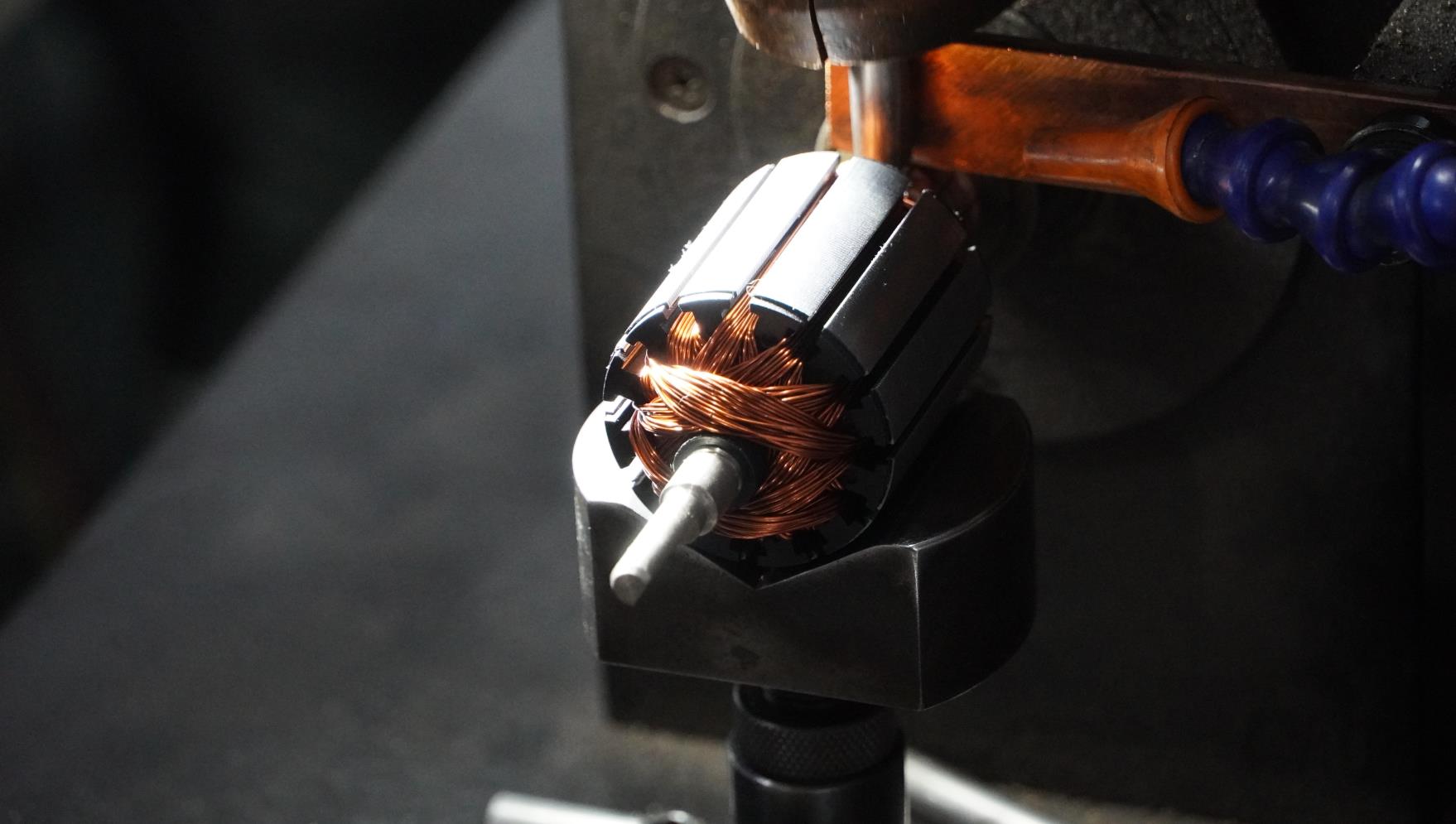
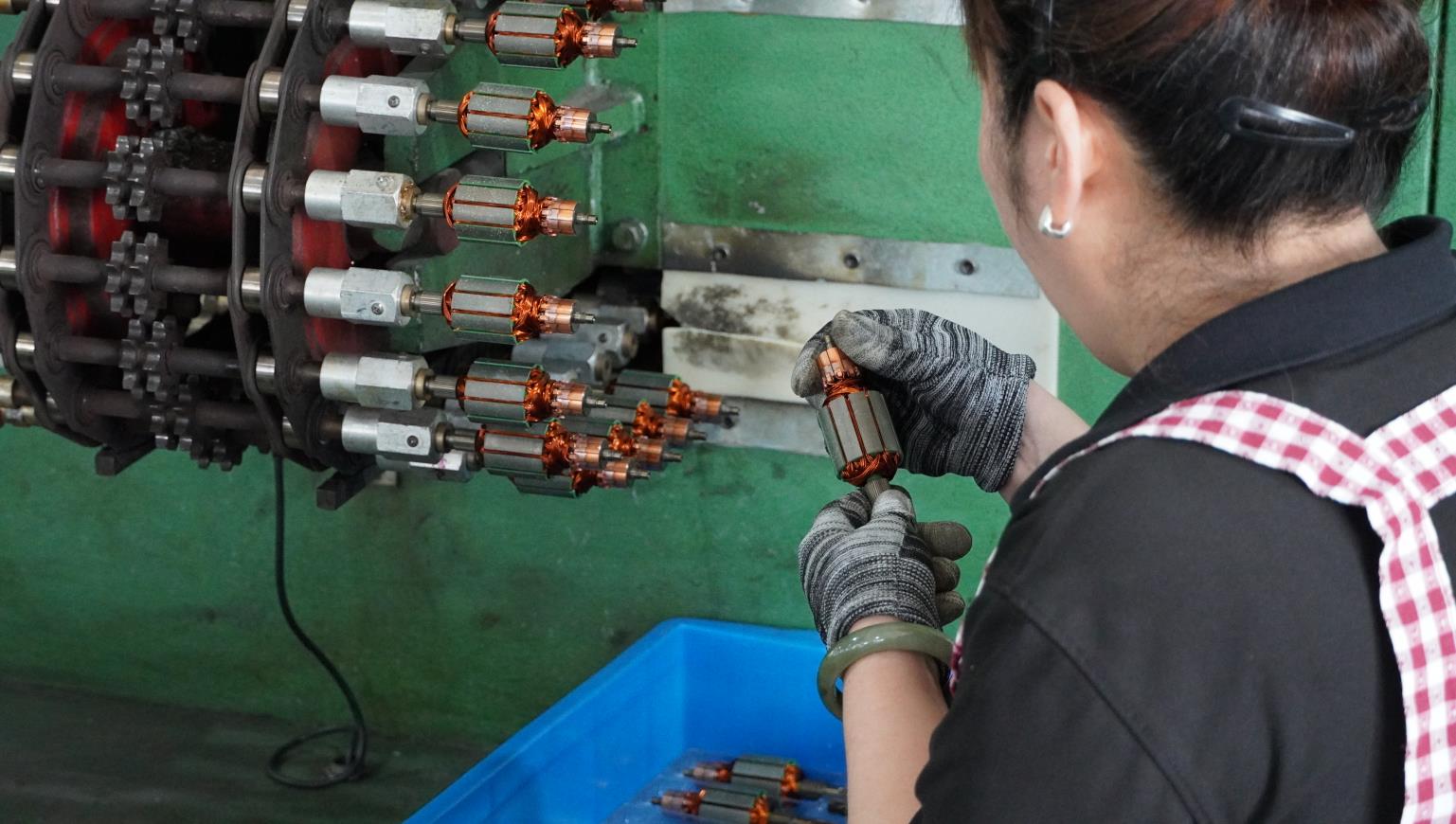
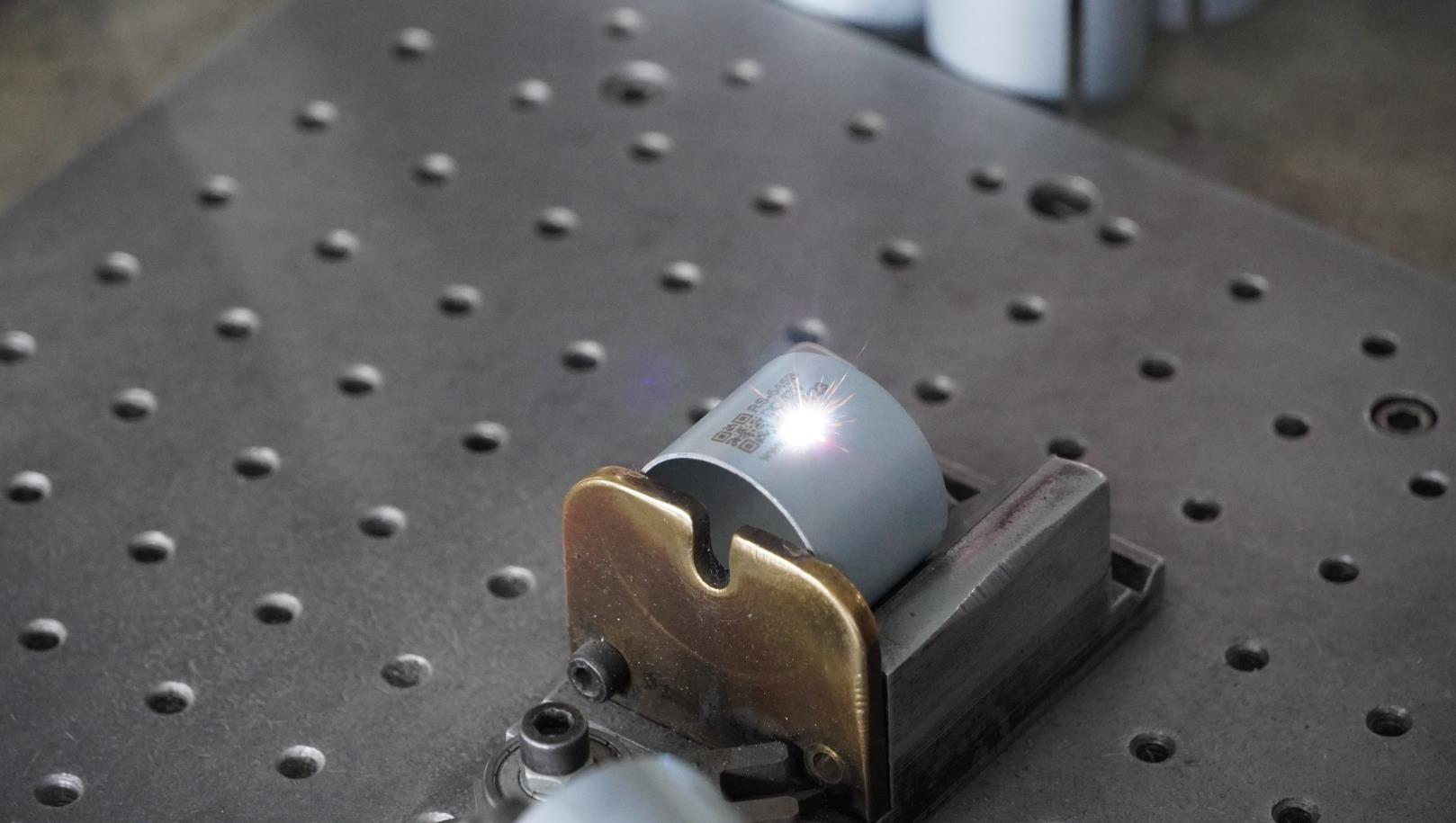
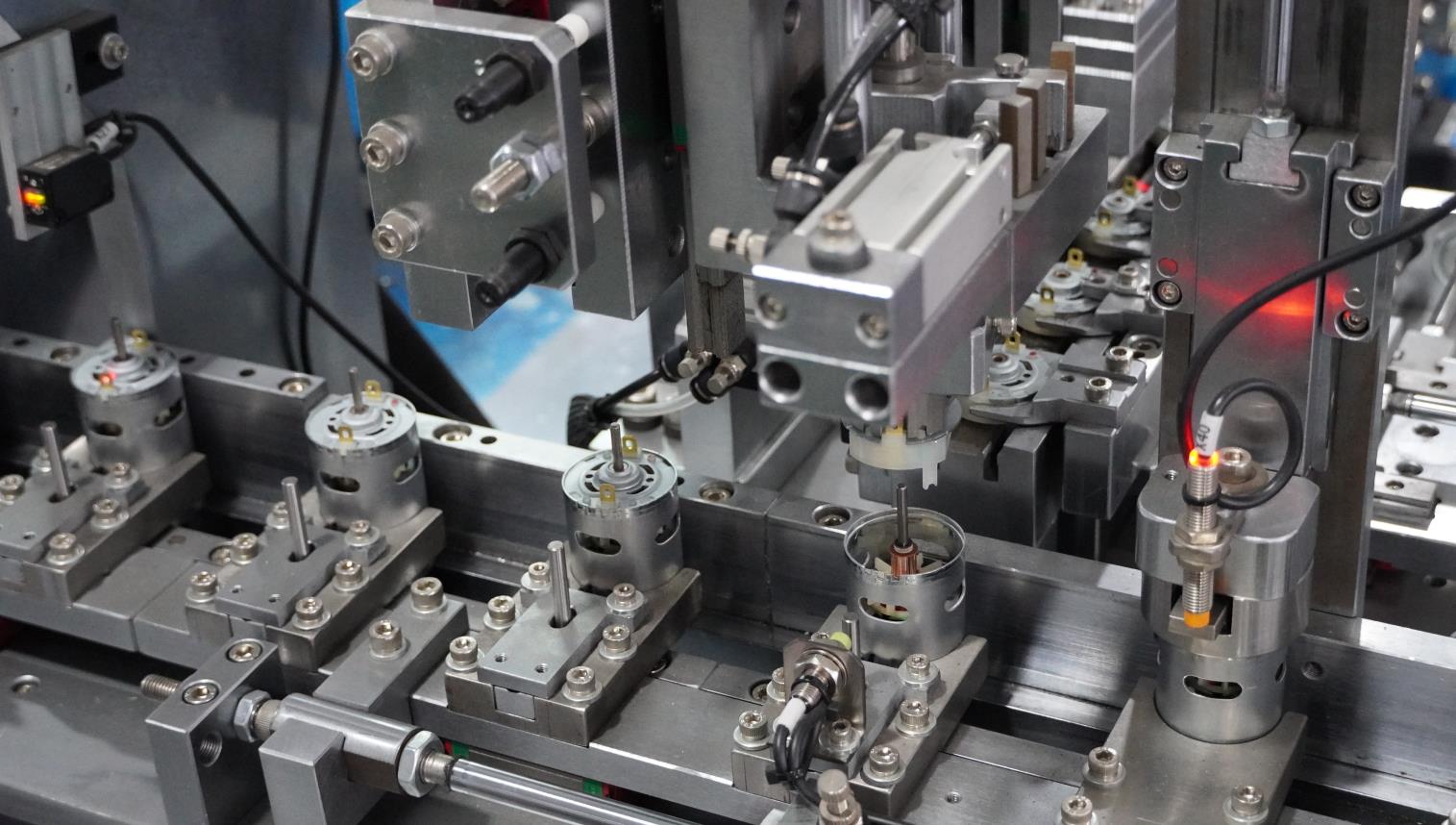
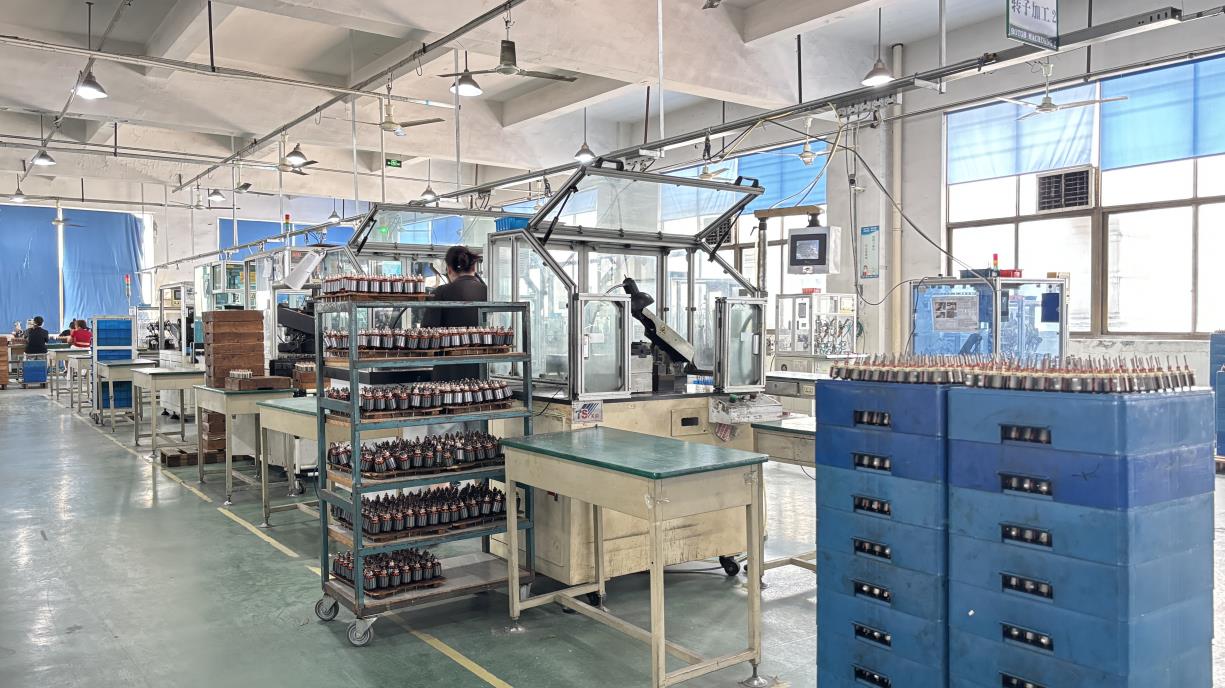
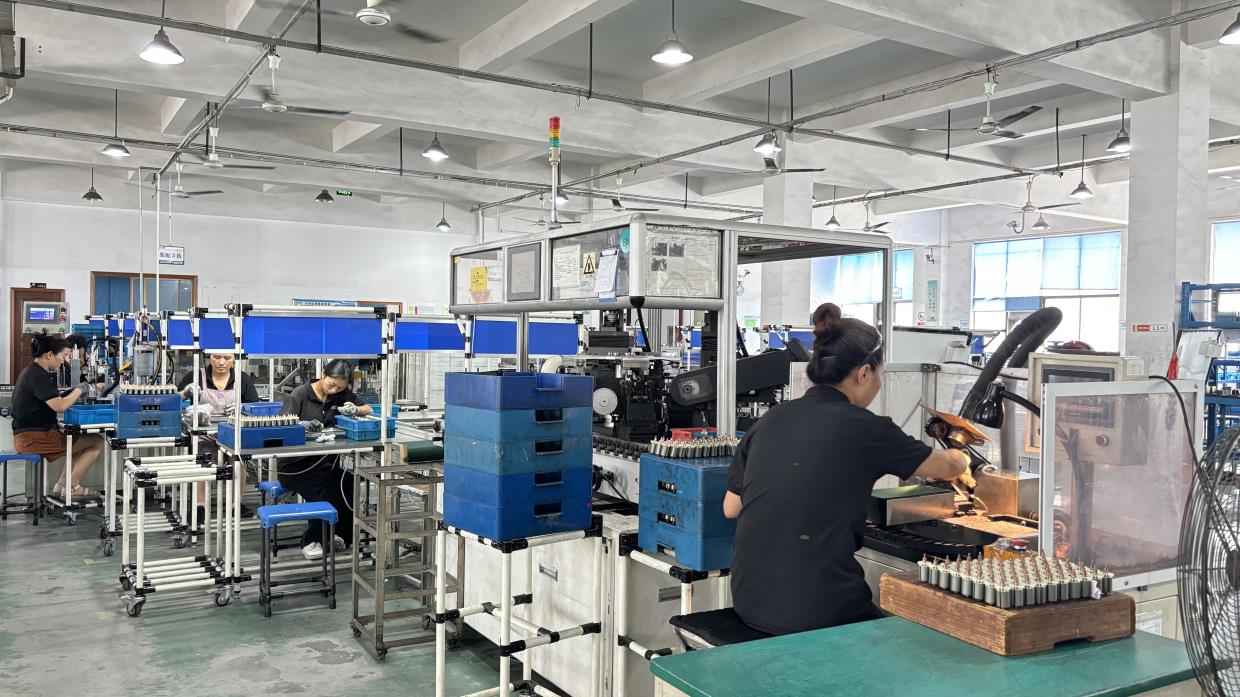
Additionally, leading factories in China, such as TQC Micromotor, have transitioned from manual, labor-intensive operations to highly automated assembly environments. The incorporation of fully automated rotor winding machines, precision stator positioning systems, and automated laser markings ensures that large-scale manufacturing runs can be achieved with near-zero defect rates. This technological capability allows China-based suppliers to deliver micro DC and BLDC motors that are fully competitive with European and American designs, at a fraction of the cost.
Immediate access to high-grade copper windings, advanced magnets, and precision gearboxes minimizes raw material shipping delay risks and reduces processing times.
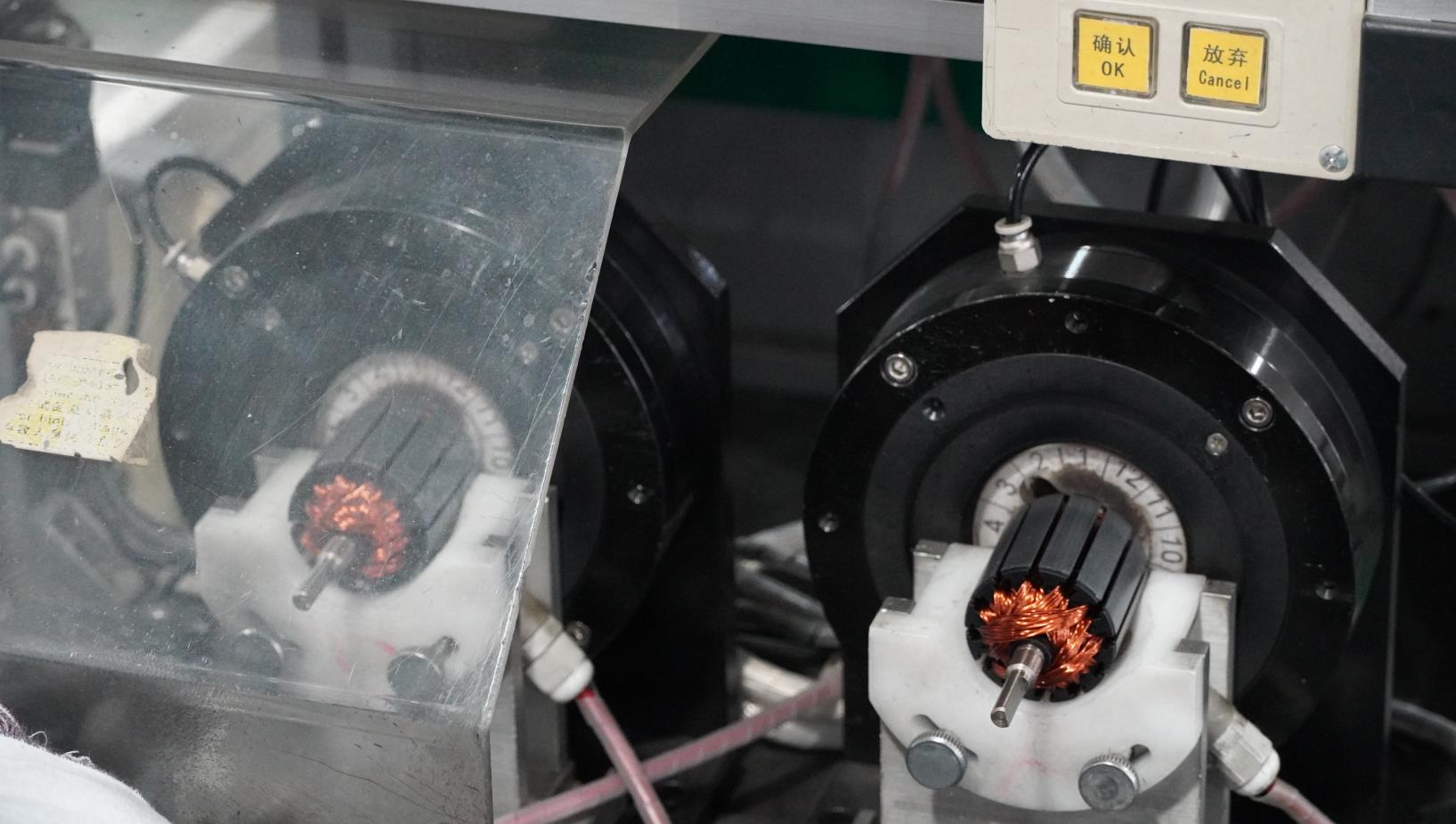
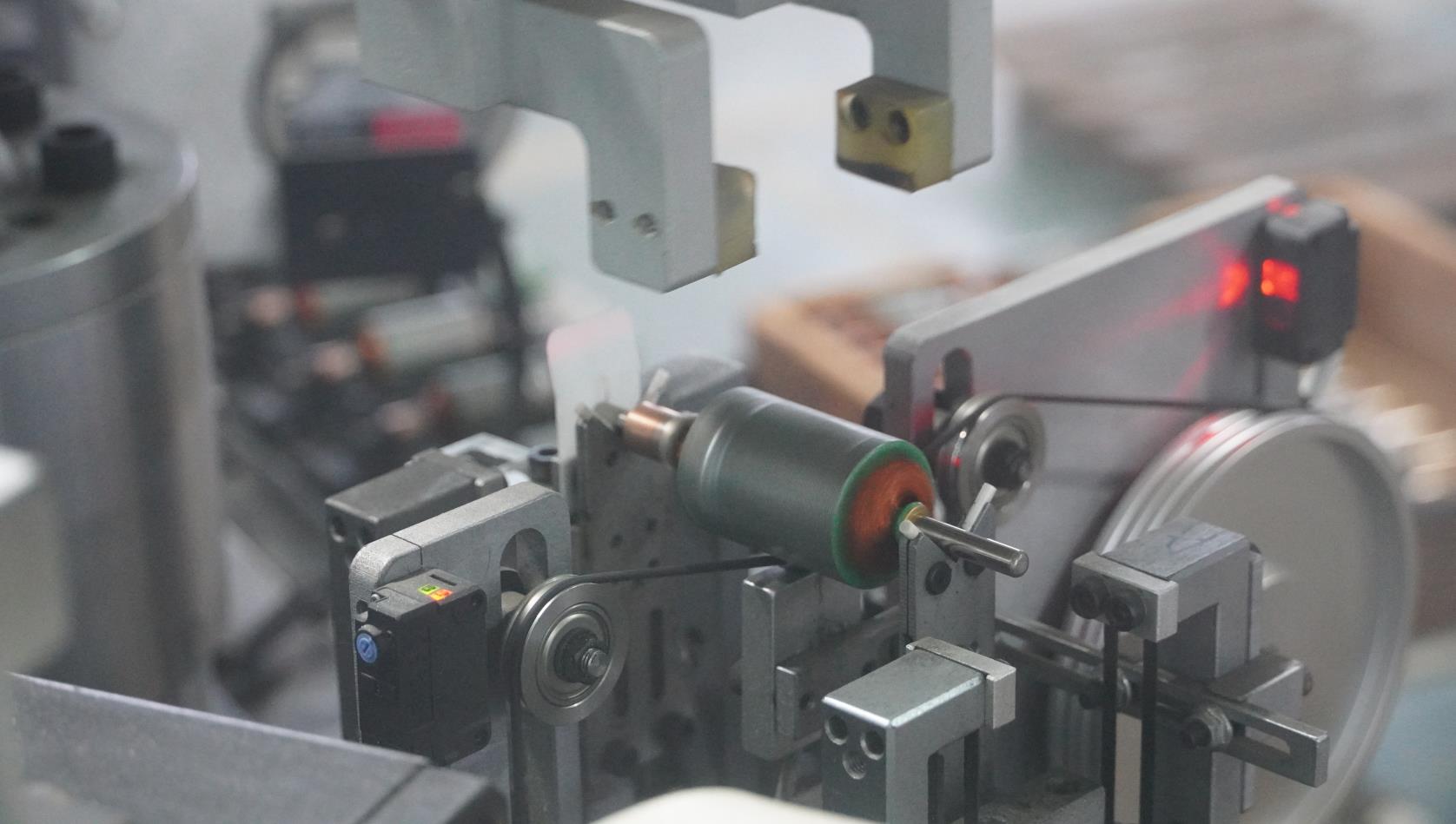
Rotor turn-to-turn insulation verification, automated dynamic balancing, and CNC machining processes ensure repeatability across thousands of units.
Highly flexible assembly platforms allow factories to scale from low-volume custom runs to high-volume commercial production with minimum tool switching overheads.
At TQC Micromotor, we believe that global innovation shouldn't be limited by size. For two decades, we have dedicated ourselves to a single, relentless pursuit: designing, engineering, and manufacturing high-performance micro-drive solutions that keep modern industries moving forward. Based in China, we operate a state-of-the-art, ISO9001-certified production facility specializing in Micro DC Motors, DC Gear Motors, and Brushless DC Motors (BLDC).
The name TQC represents our foundational pillars: Top Quality & Customization. We understand that applications like smart home automation, medical devices, automotive electronics, and precision robotics demand uncompromised reliability. That is why every TQC micro motor is built with an exceptional power-to-size ratio, ultra-low noise acoustics, and an extended operational lifespan, backed by strict 100% in-house quality control and international certifications (CE, RoHS, REACH).
We don’t just supply standard hardware; we act as a strategic R&D partner. With a robust engineering team holding multiple industry patents, TQC thrives on solving complex mechanical challenges through flexible OEM/ODM custom solutions. From custom shaft configurations and custom voltage tuning to specialized bespoke gearheads, we turn your technical blueprints into high-volume, cost-effective reality.

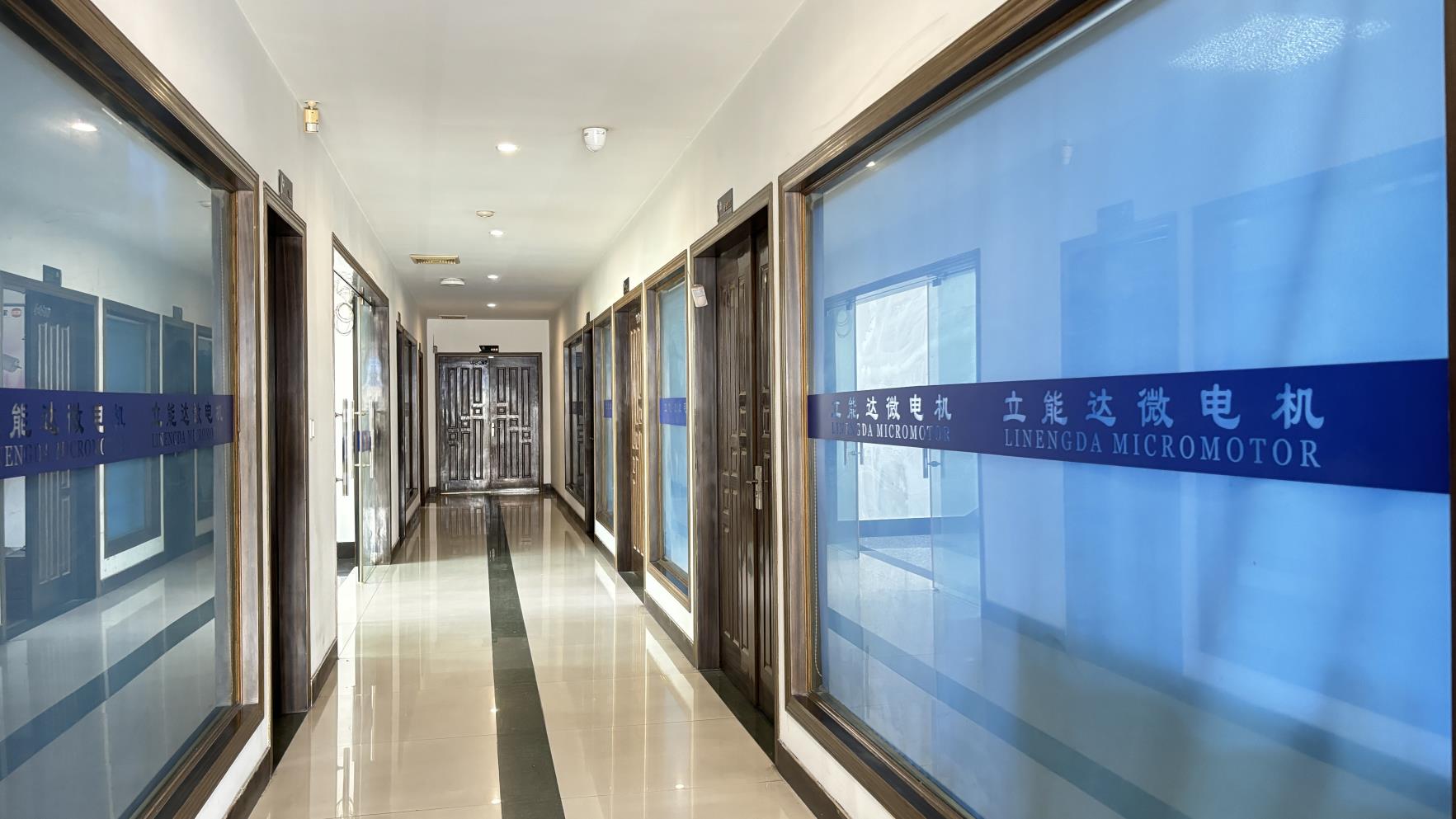
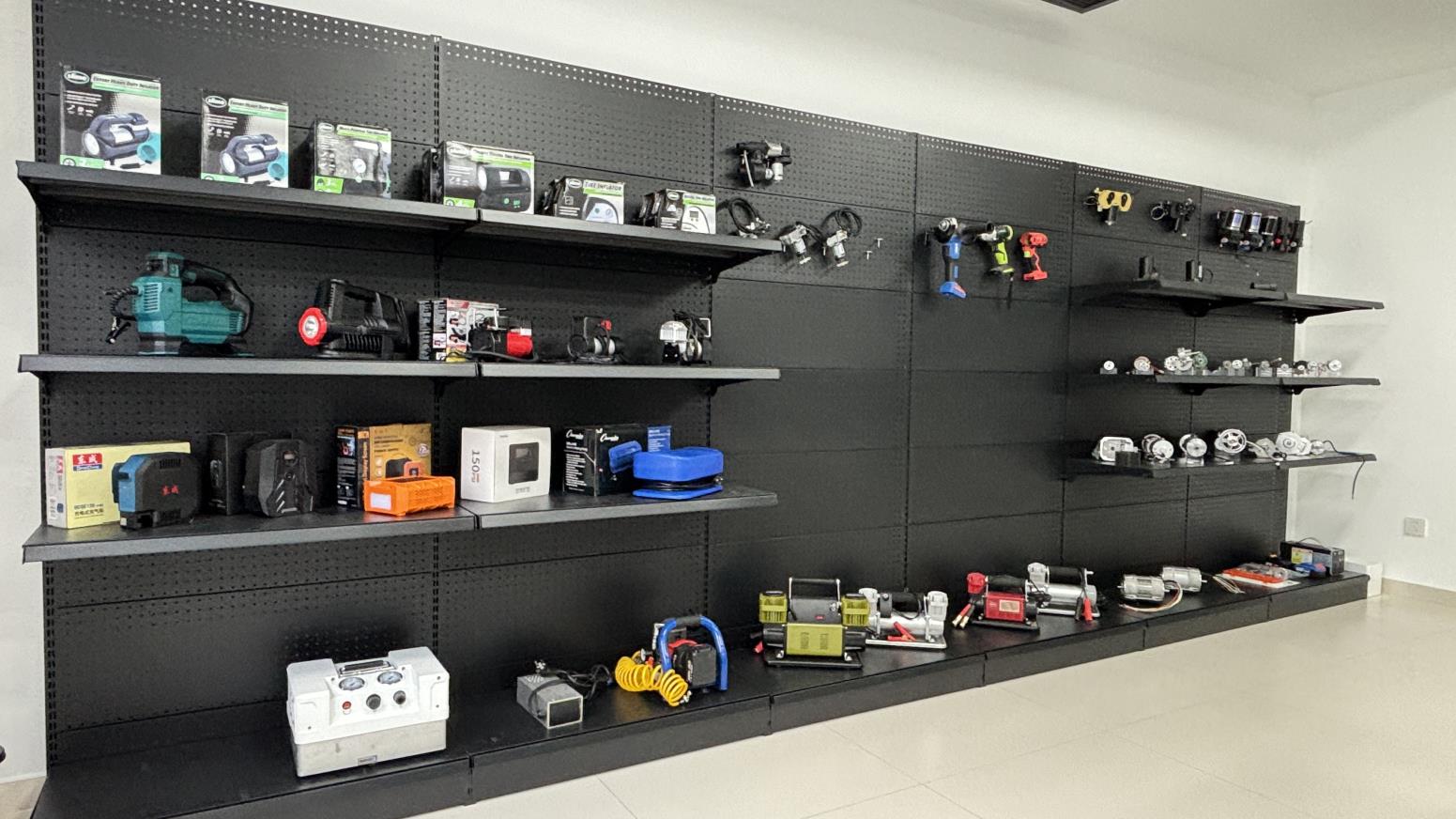
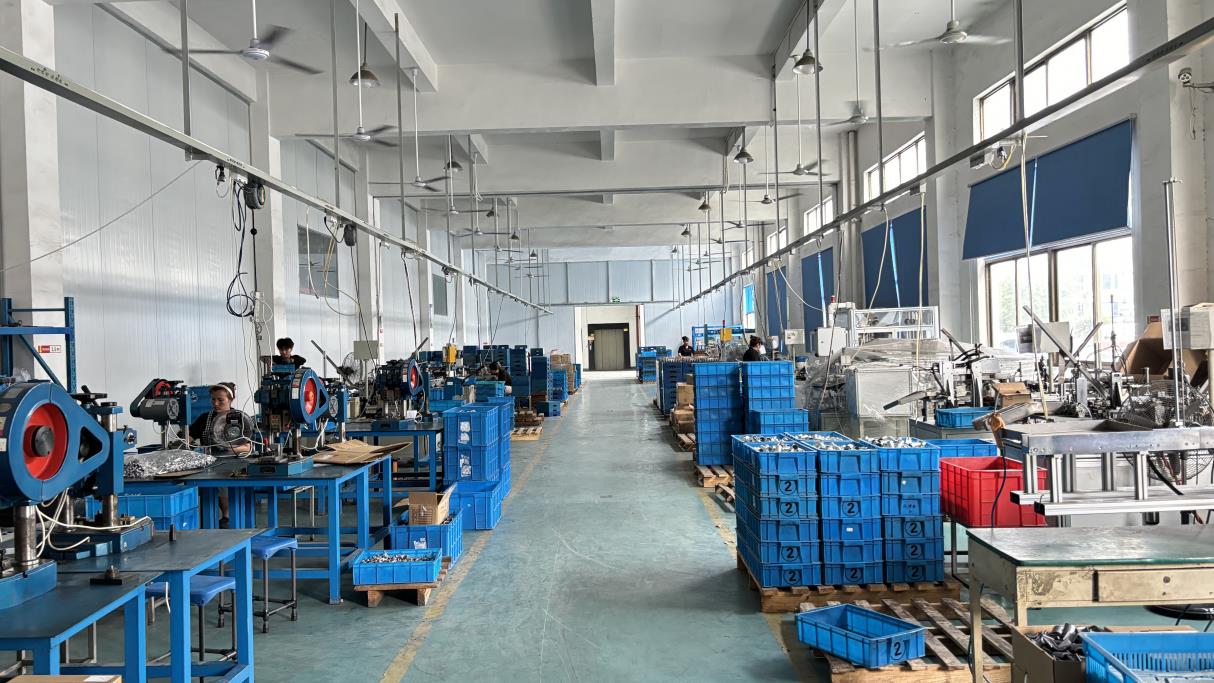
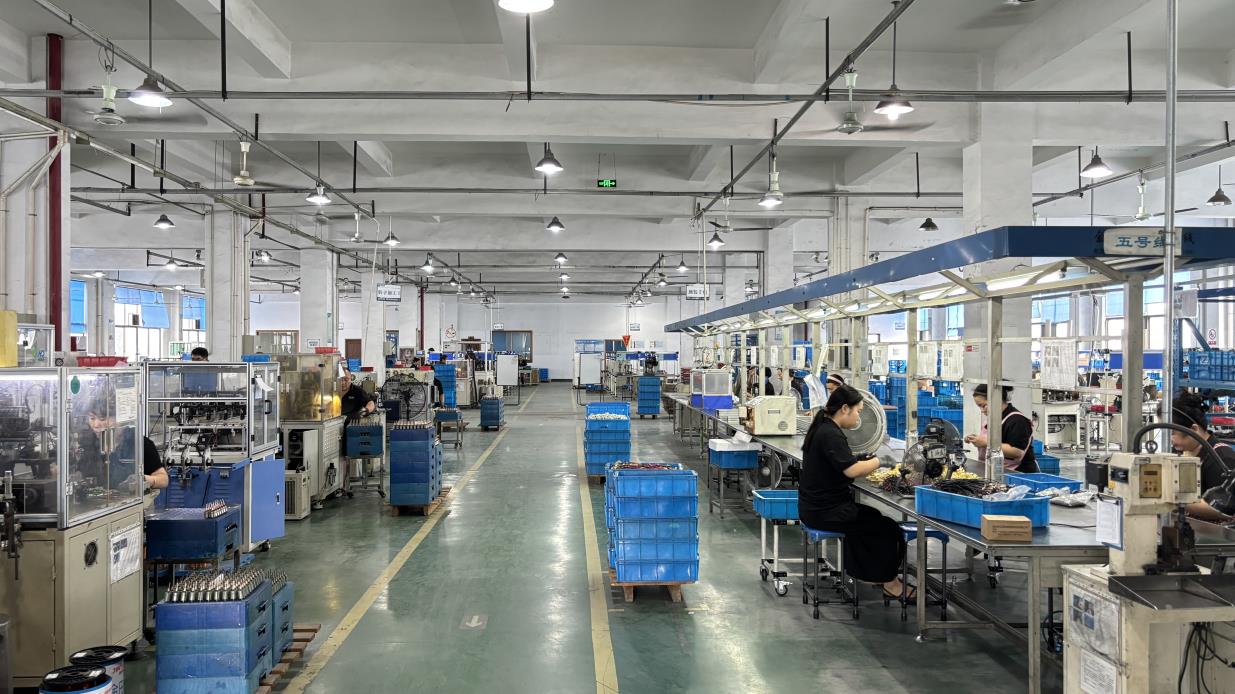
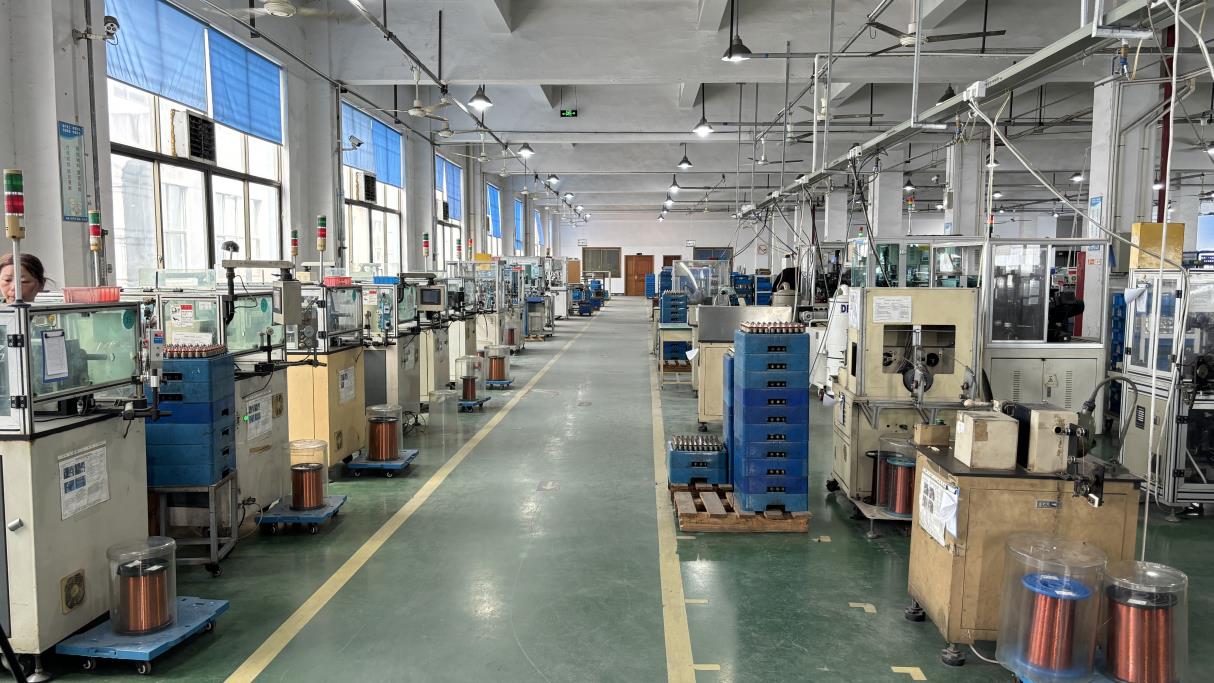
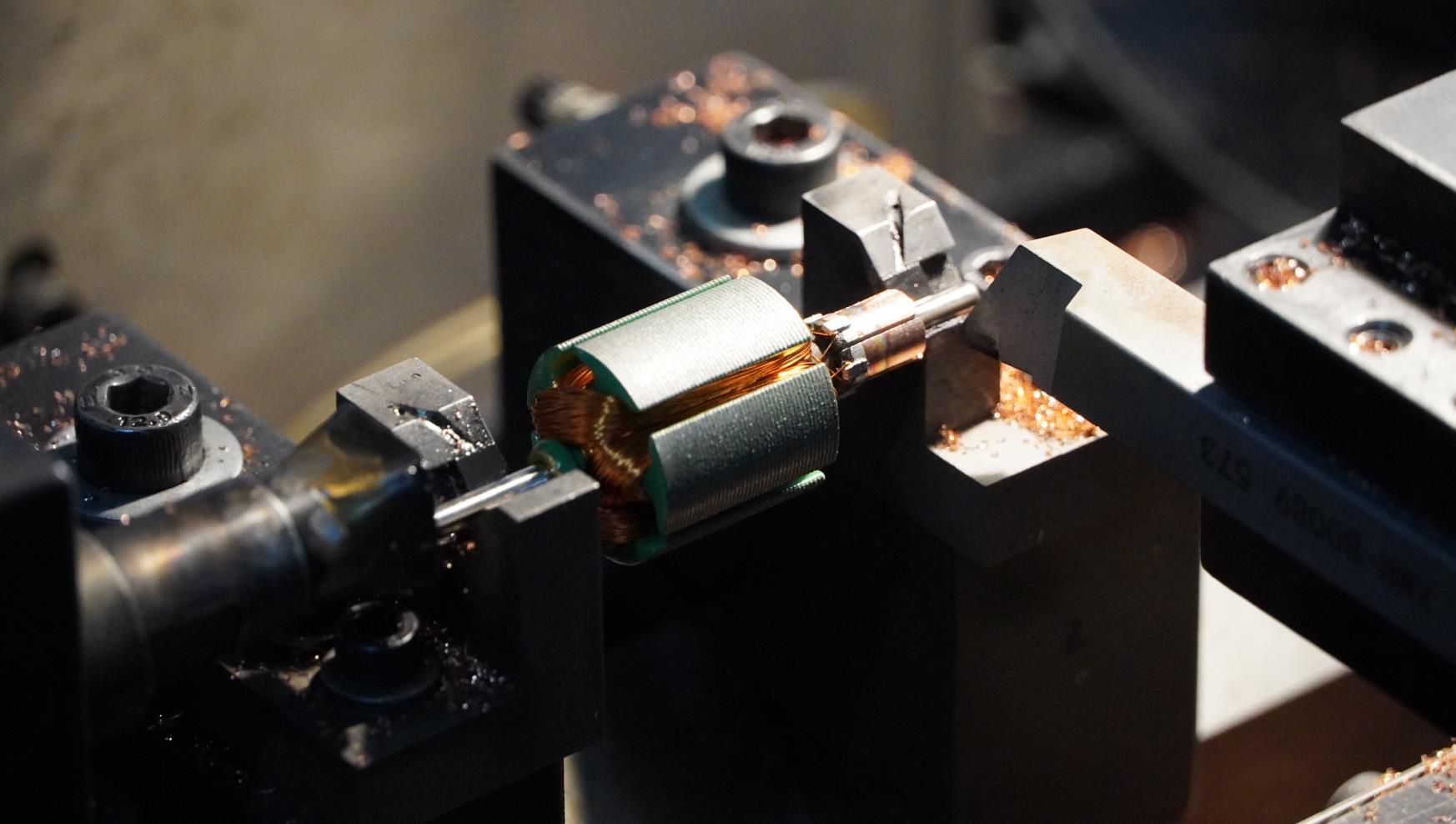
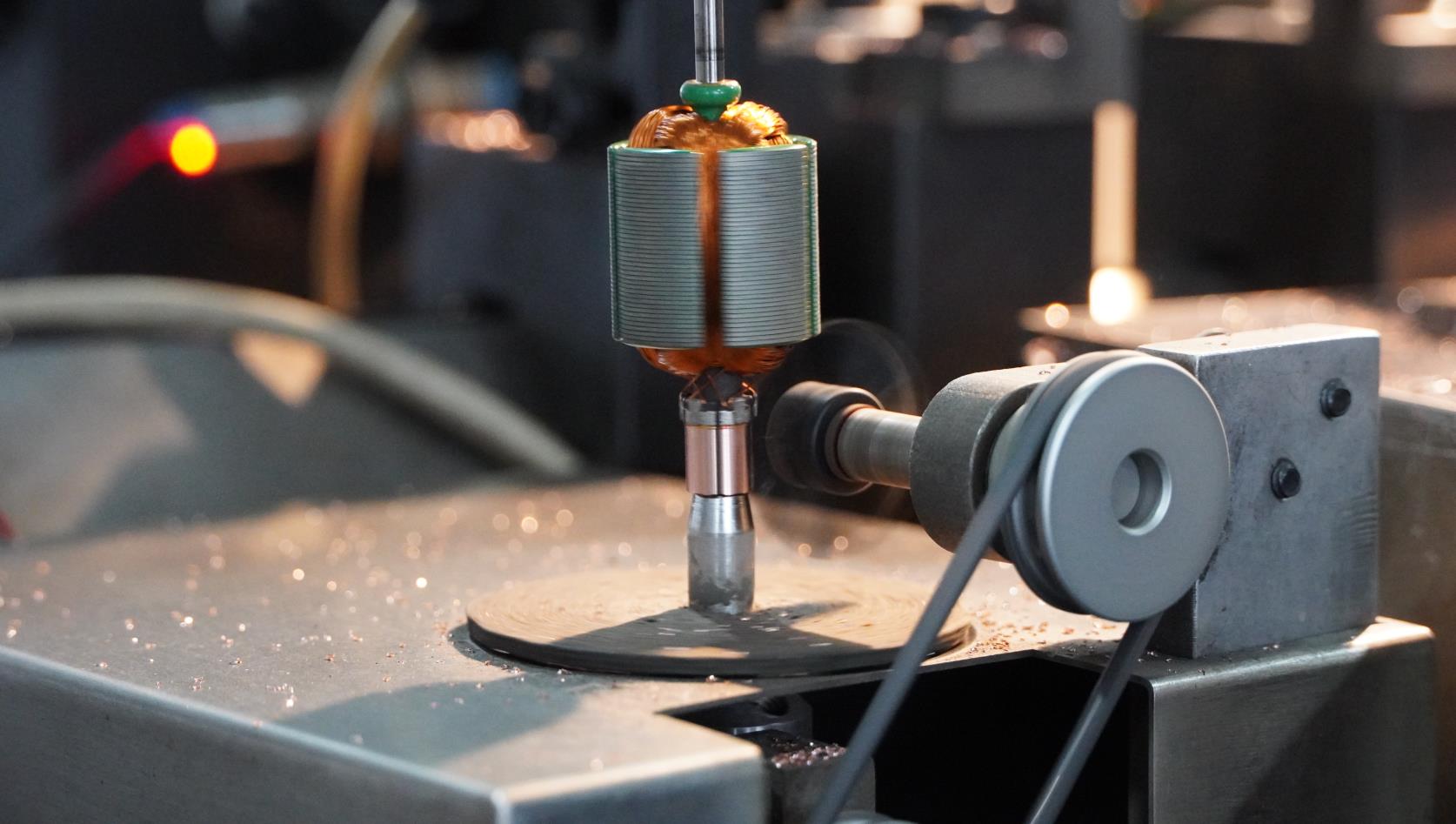
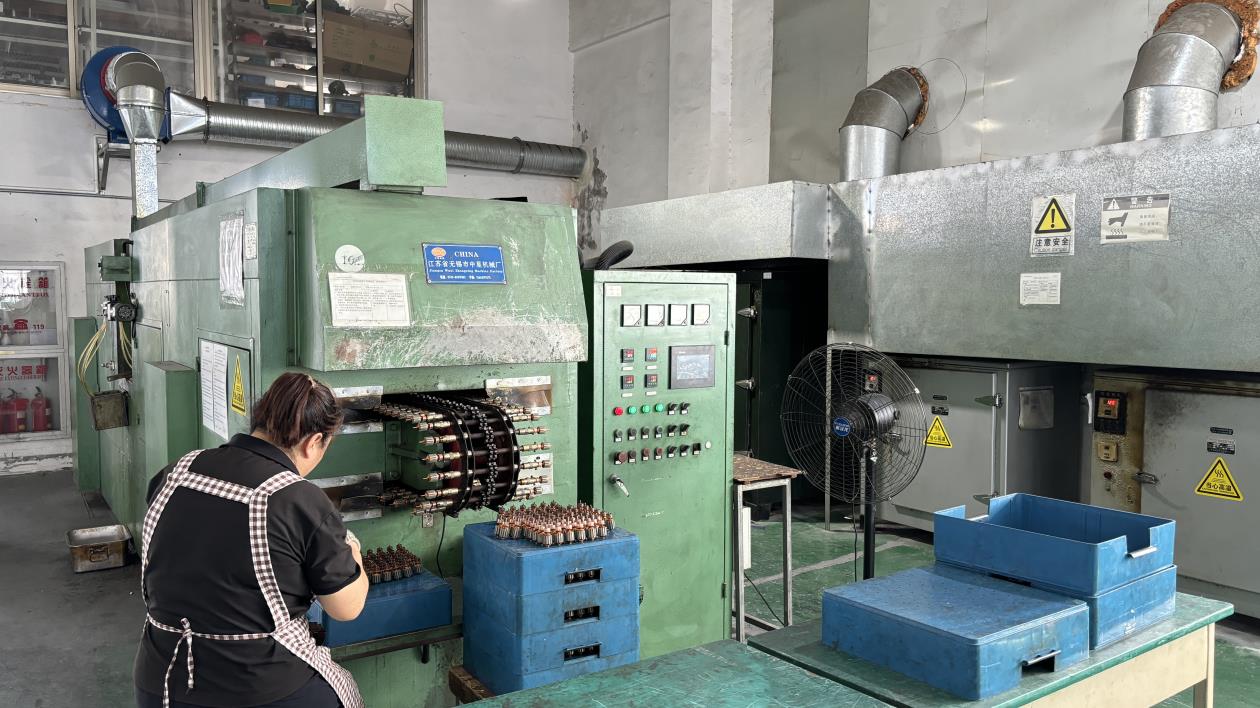
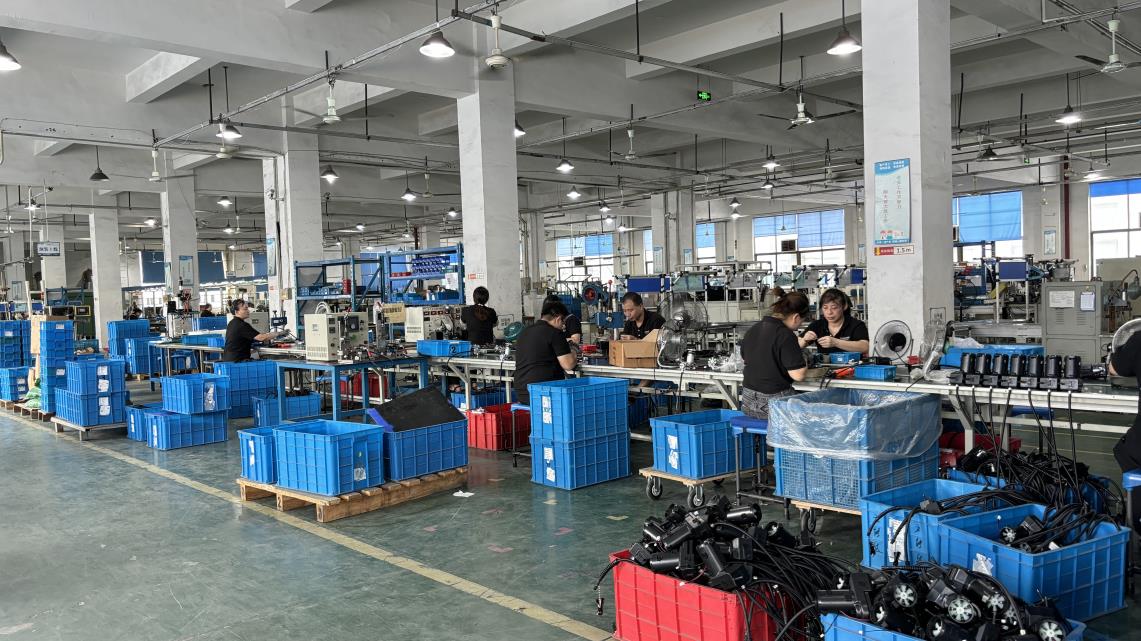
Creating high-reliability micro motors with consistent torque profiles demands absolute control over the production workflow. A slight deviation in armature dynamic balance or a minor flaw in commutator surface finishing can compromise the acoustic and electrical lifespan of the gear motor. Below, we outline our step-by-step manufacturing and testing procedures, displaying the quality control steps implemented at every station within the TQC facility.
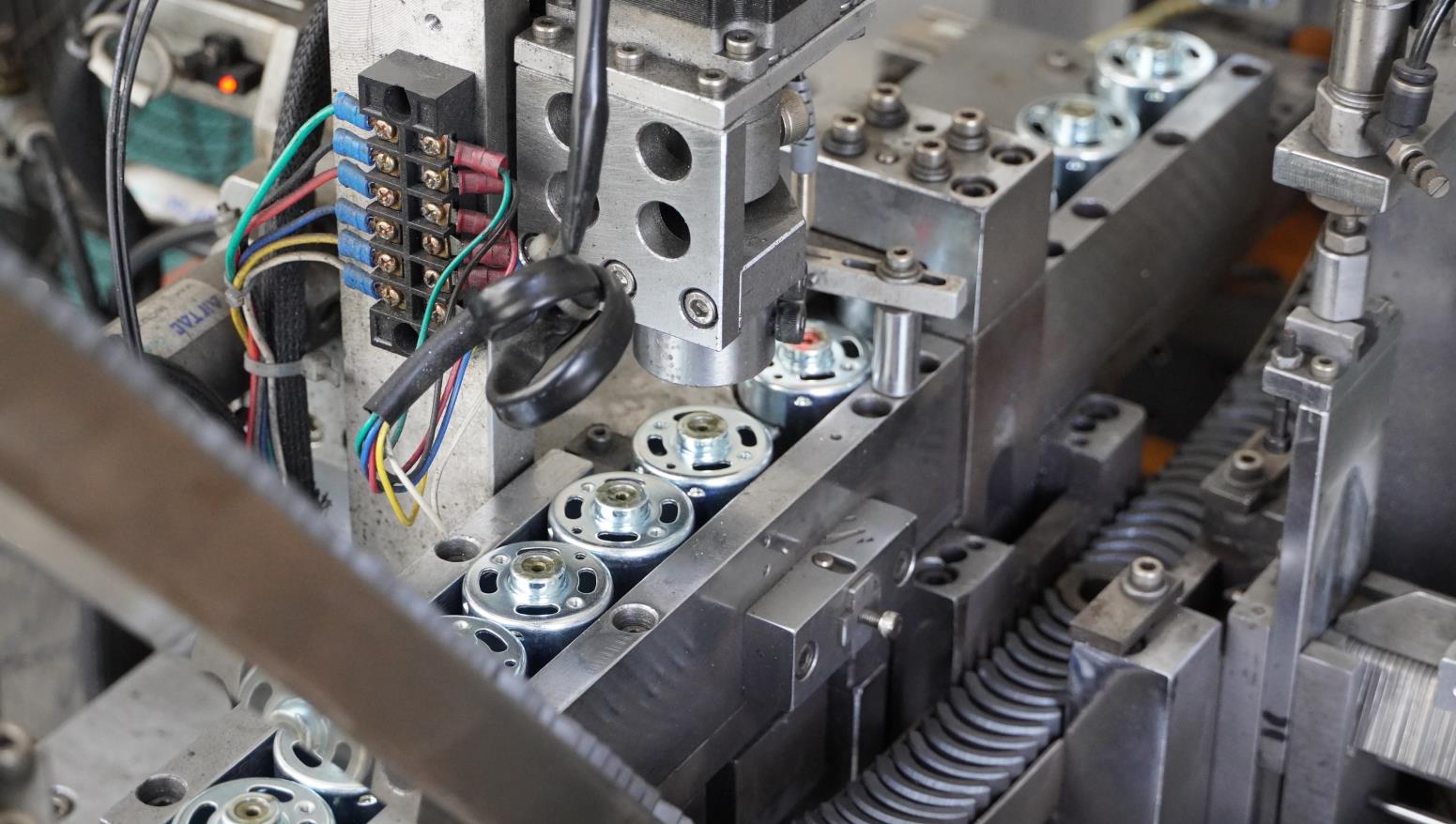
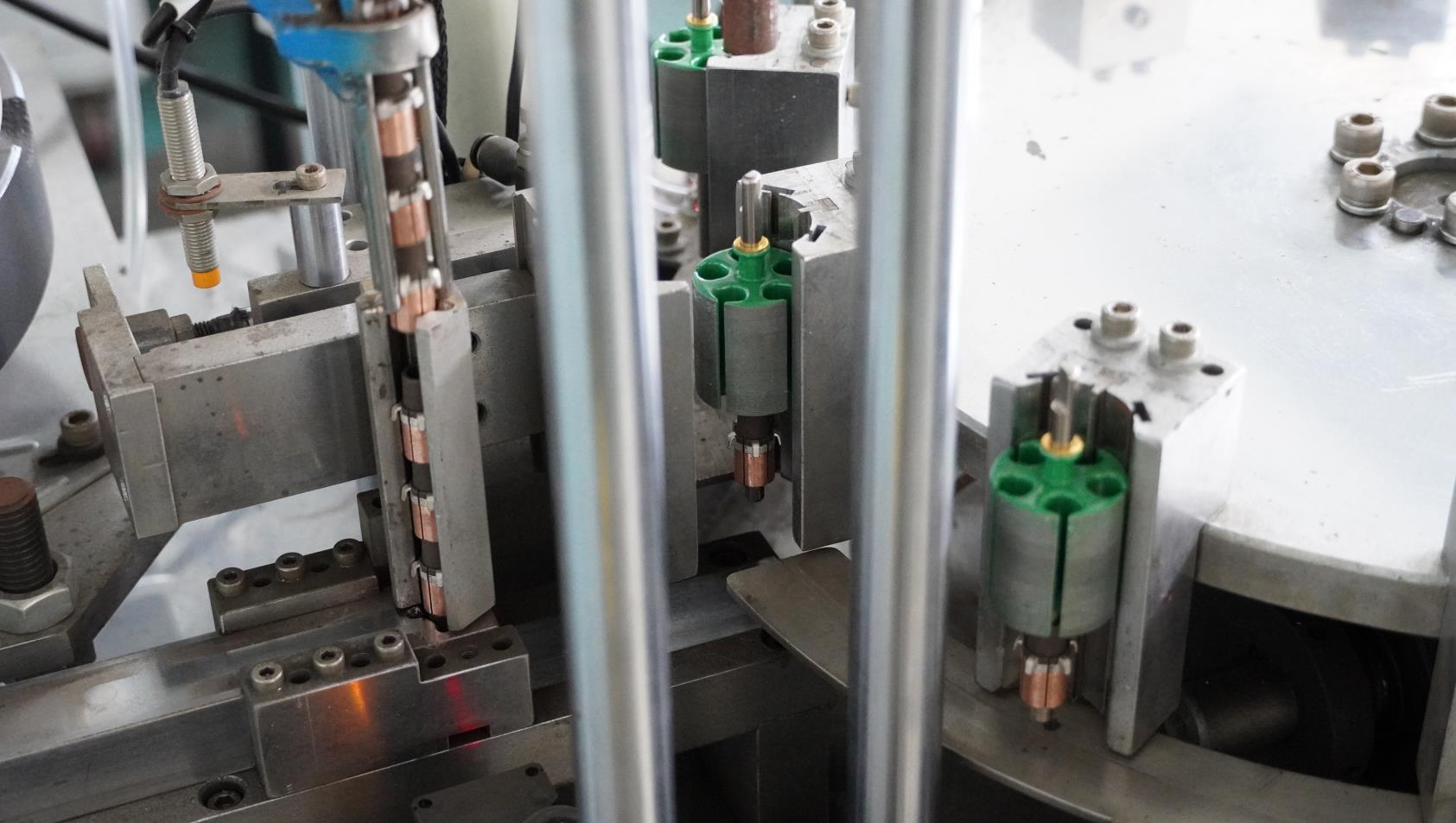
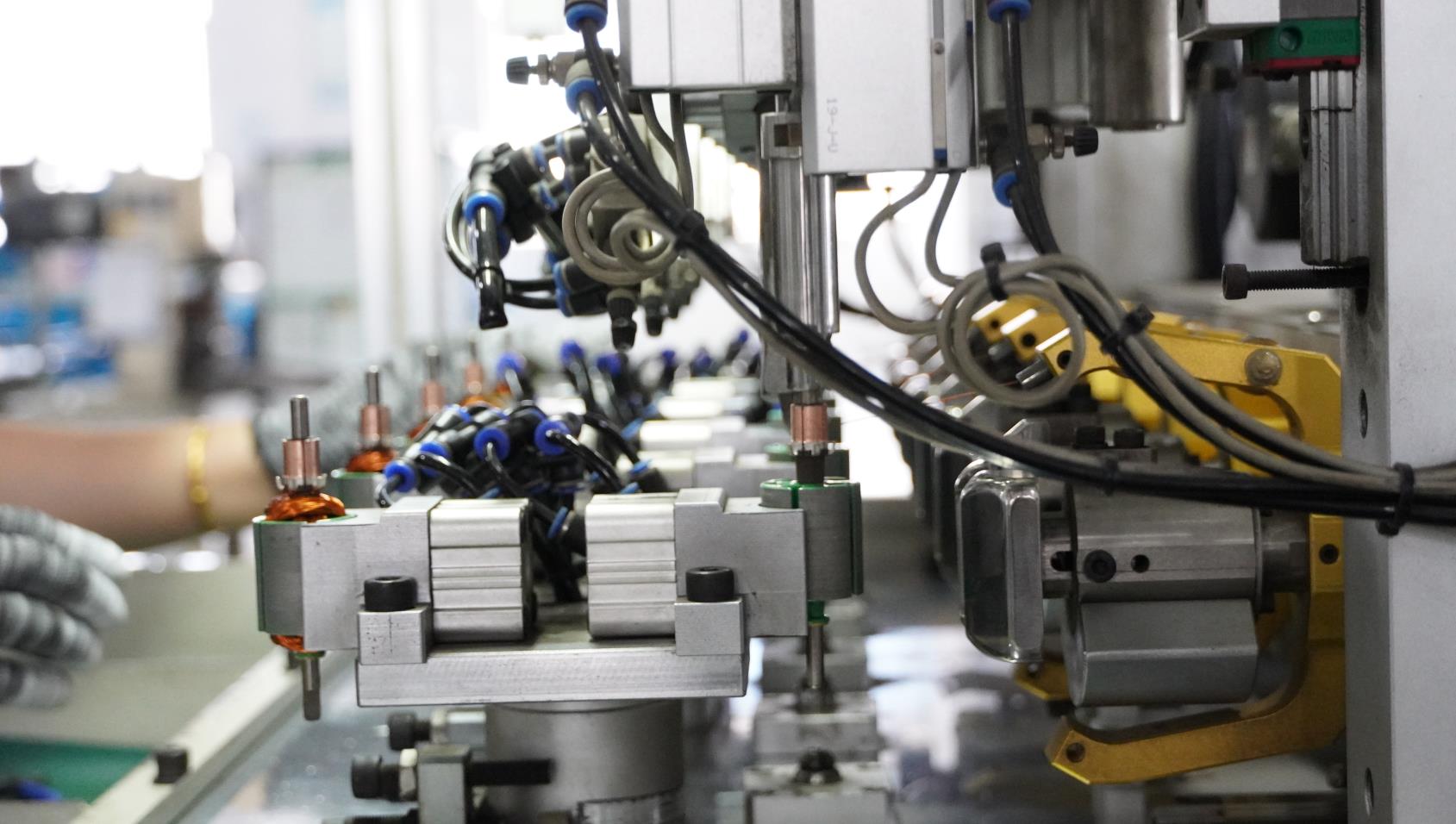
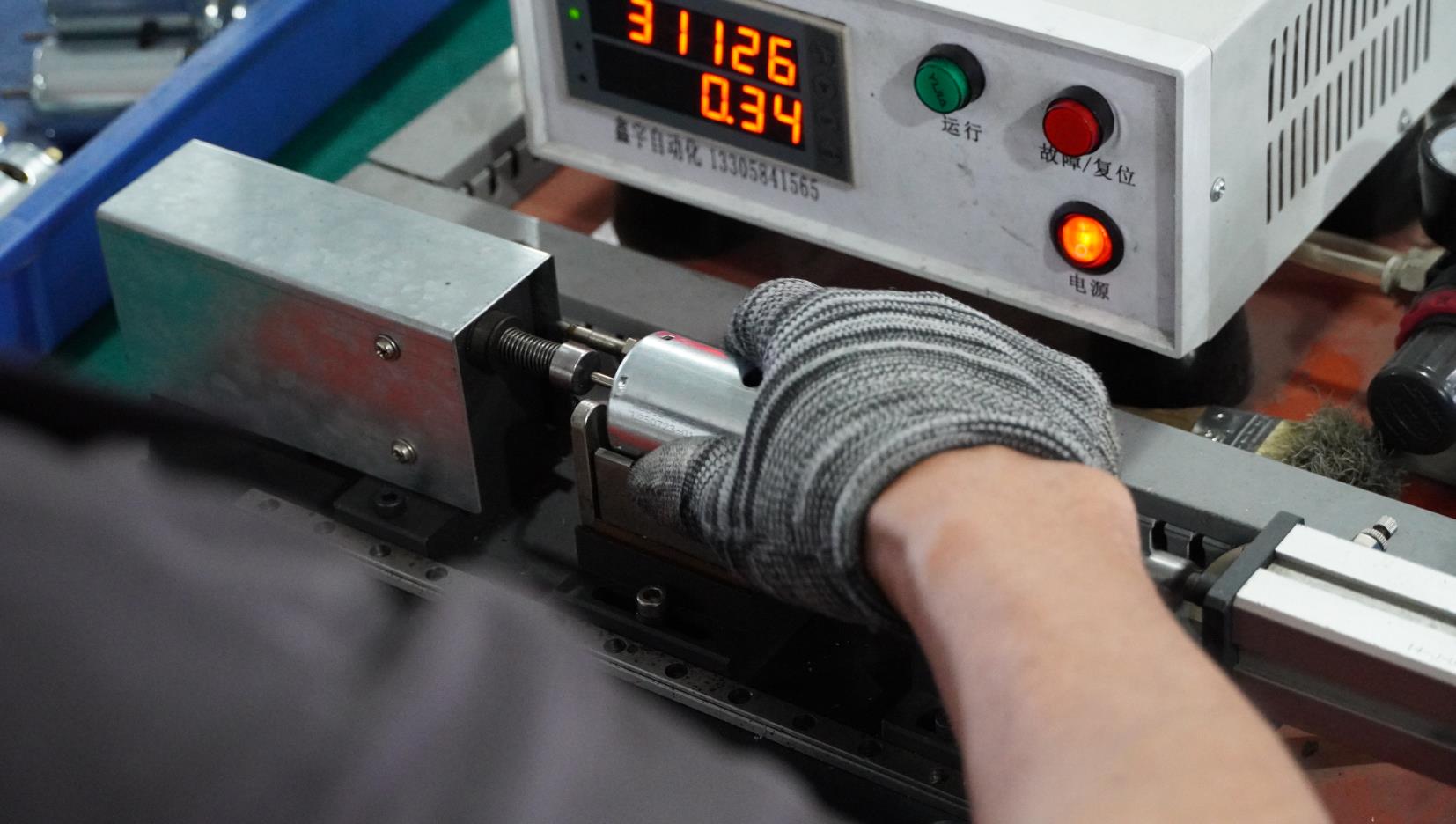
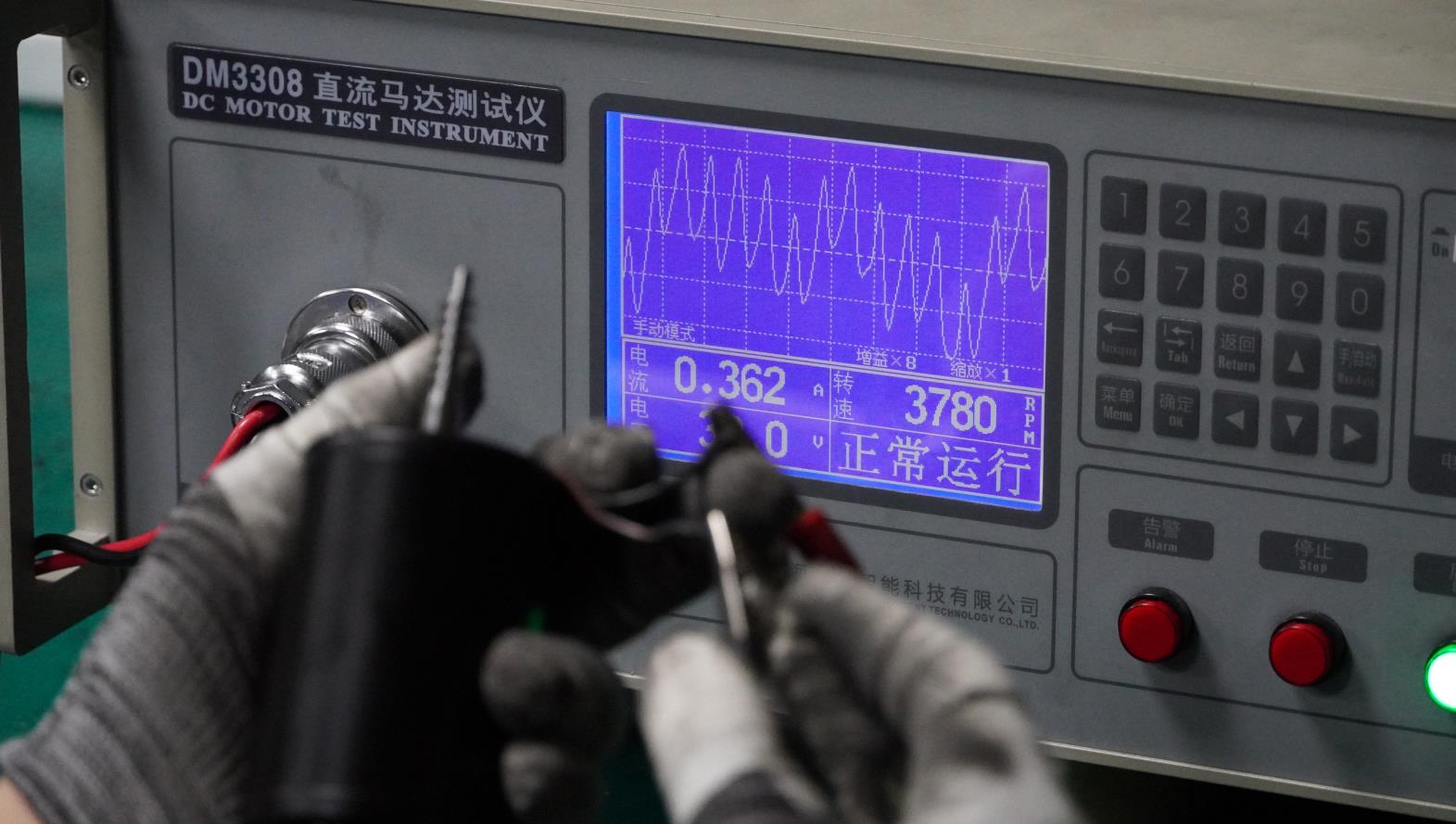
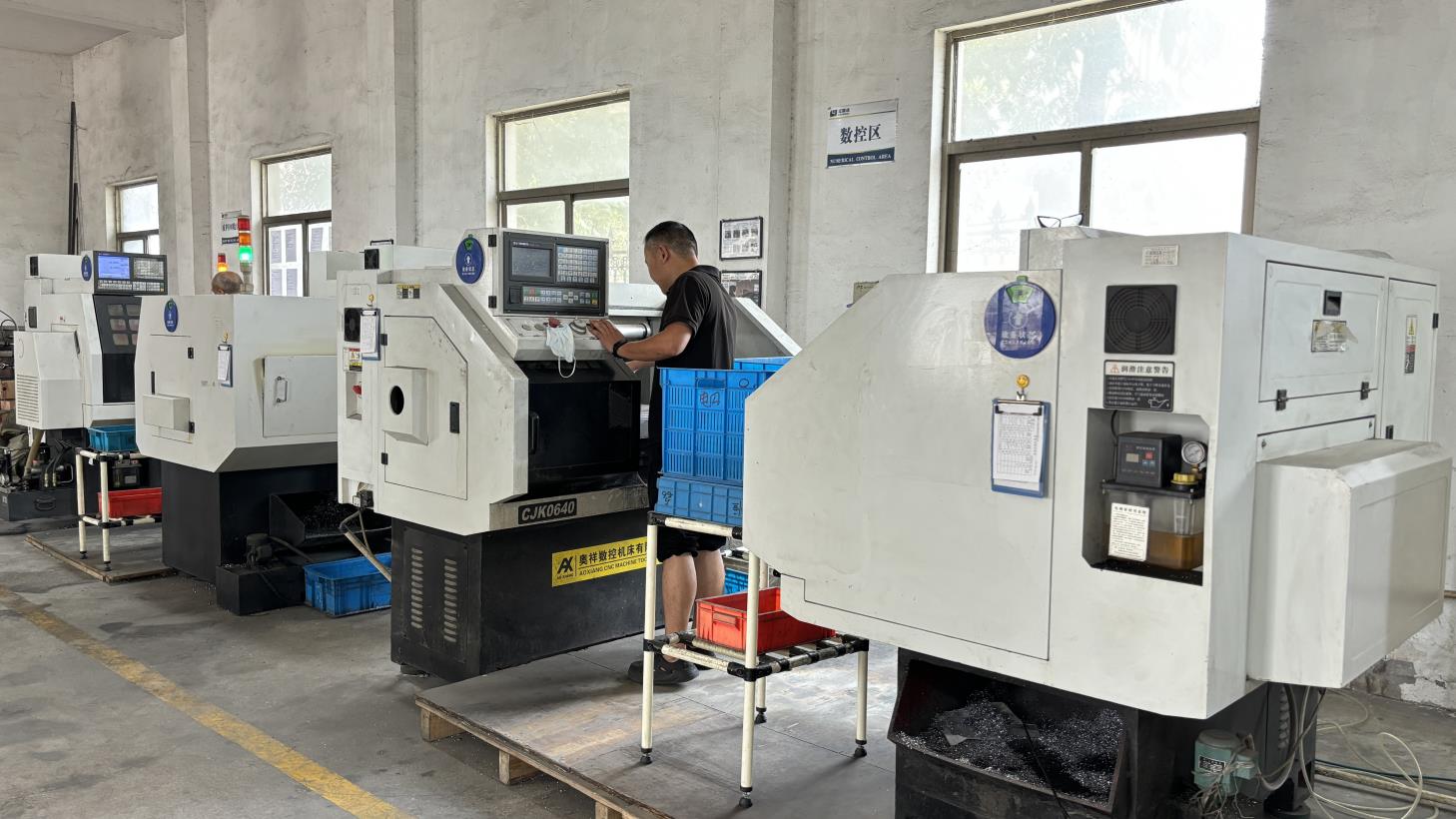
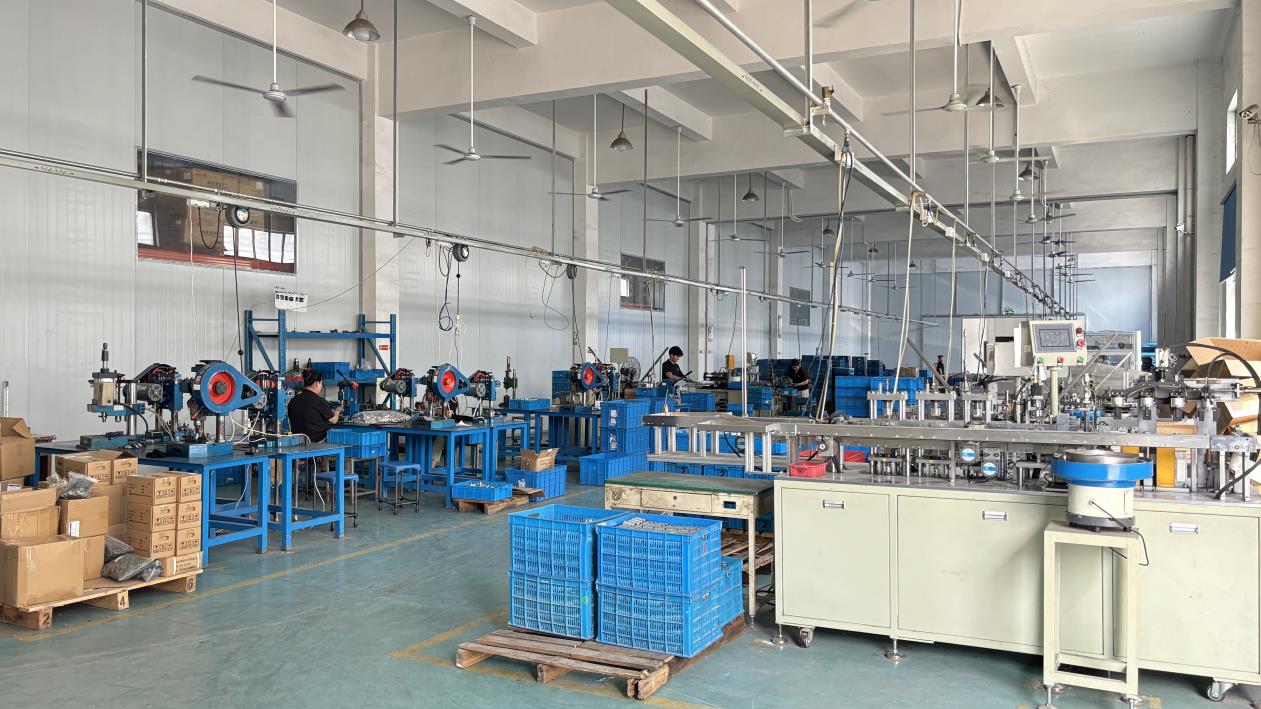
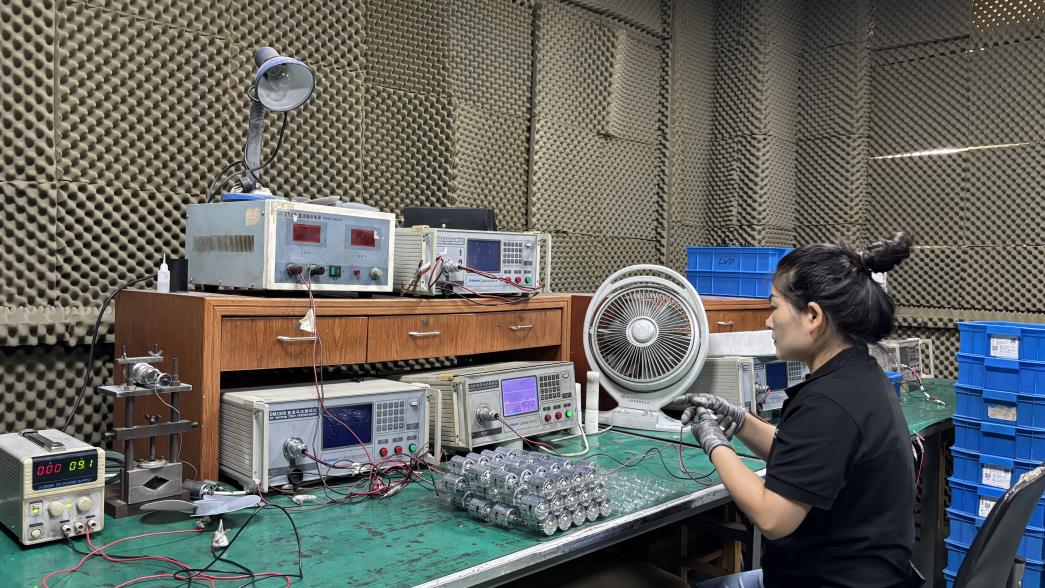
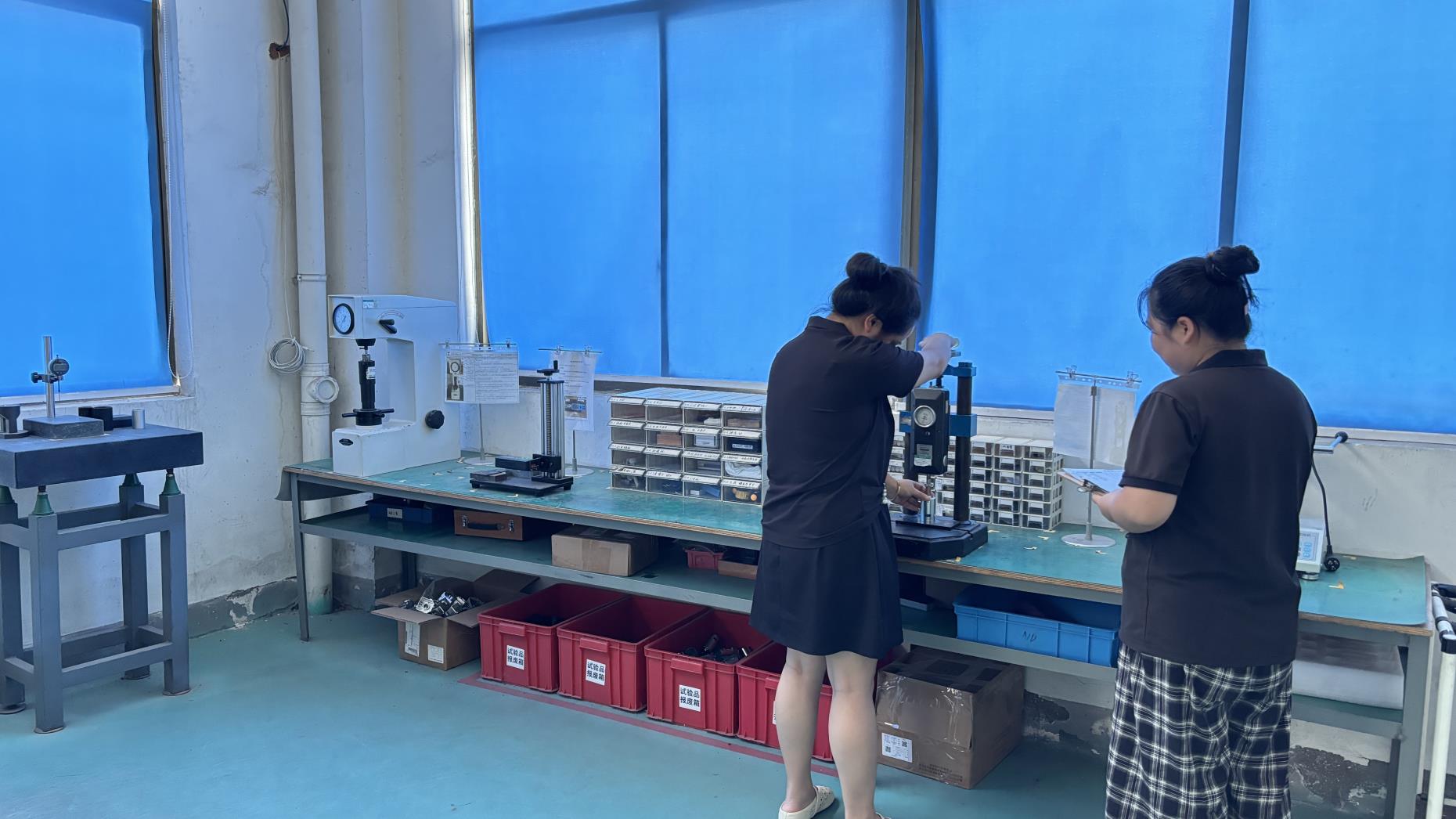
From highly-specialized localized systems to standard consumer appliances, micro torque motors act as the critical actuator driving movement. Real-world applications demand specific mechanical adaptations that go beyond standard datasheet values:
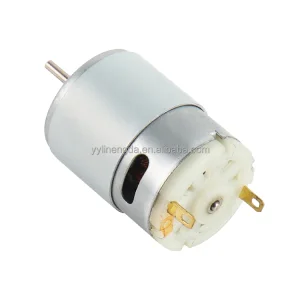
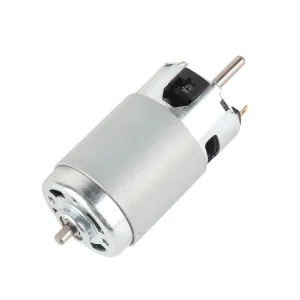
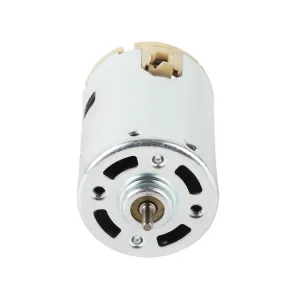
Motors like the L6290 and RS395 provide exact torque configurations required to actuate automated door locks, motorized curtains, and smart kitchen ventilation hoods. Silent operational characteristics are achieved through gear optimization and precision rotor balancing in our acoustic testing labs.
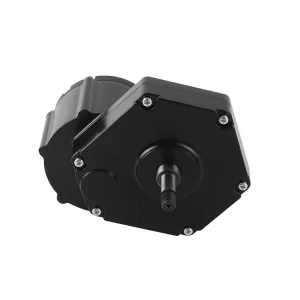
Robotic vacuum drive systems and rotary brushes require high startup torque to cross carpet-to-hardwood transitions. The L4290 series offers high torque output within a lightweight 42mm frame to optimize cleaning efficiency and run time.
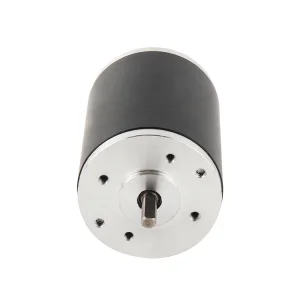
Heavy-duty applications like electric wheelchair drivetrains demand high-efficiency brushless configurations. The JP70BL utilizes brushless gear technology to supply consistent, fail-safe driving force under variable weight distributions.
The micro motor sector is moving quickly towards brushless integration, structural miniaturization, and intelligent electronic feedback loops. In the next decade, brushed motors will remain standard in cost-sensitive applications; however, the transition to BLDC (Brushless DC) systems with integrated planetary gearboxes is accelerating in high-reliability industrial segments.
Moreover, green energy mandates and energy-efficiency protocols (such as ERP regulations in Europe and energy star ratings in North America) drive engineers to select micro-drives that minimize copper losses and maximize thermal dissipation. Sourcing organizations must prioritize partnerships with manufacturers capable of incorporating custom gearheads, Hall sensors, and optical encoders directly into the motor housing assembly.
When identifying a reliable long-term motor supplier in China, purchasing and engineering managers must evaluate key operational parameters to guarantee compliance and product lifecycle consistency: