TQC Micromotor
TQC Micromotor
TQC Micromotor
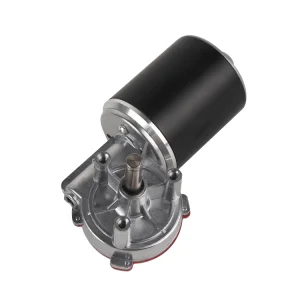
Explore our premium grade micro-geared motors designed for low speed, high torque applications across residential, commercial and automated systems.
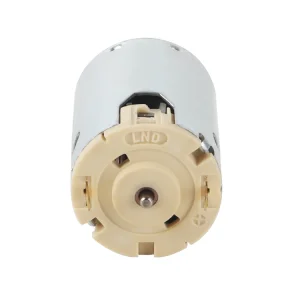
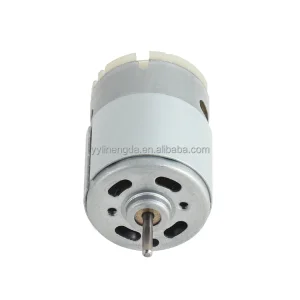
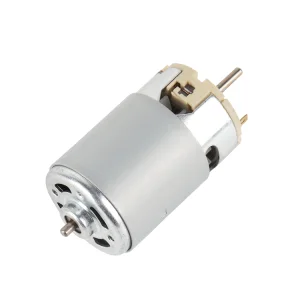
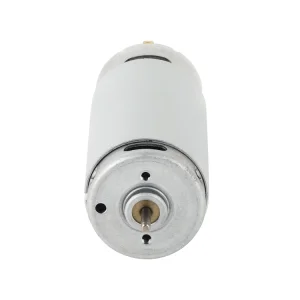
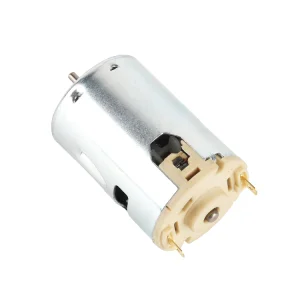
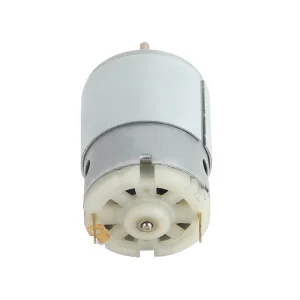
At TQC Micromotor, we believe that global innovation shouldn't be limited by size. For two decades, we have dedicated ourselves to a single, relentless pursuit: designing, engineering, and manufacturing high-performance micro-drive solutions that keep modern industries moving forward. Based in China, we operate a state-of-the-art, ISO9001-certified production facility specializing in Micro DC Motors, DC Gear Motors, and Brushless DC Motors (BLDC).
The name TQC represents our foundational pillars: Top Quality & Customization. We understand that applications like smart home automation, medical devices, automotive electronics, and precision robotics demand uncompromised reliability. That is why every TQC micro motor is built with an exceptional power-to-size ratio, ultra-low noise acoustics, and an extended operational lifespan, backed by strict 100% in-house quality control and international certifications (CE, RoHS, REACH).
We don’t just supply standard hardware; we act as a strategic R&D partner. With a robust engineering team holding multiple industry patents, TQC thrives on solving complex mechanical challenges through flexible OEM/ODM custom solutions. From custom shaft configurations and custom voltage tuning to specialized bespoke gearheads, we turn your technical blueprints into high-volume, cost-effective reality.

A comprehensive white paper overview of global demand, macroeconomic dynamics, and technological transitions.
Modern industrial and consumer systems have entered an era defined by electromechanical synchronization. As physical systems integrate with digital logic (IoT, Cloud Computing, Edge AI), the digital gear motor has evolved from a simple mechanical power reducer to an intelligent actuator. The global micro motor market size was valued at USD 38.5 billion in 2023 and is projected to expand at a compound annual growth rate (CAGR) of 6.2% through 2030, driven primarily by the transition toward high-density power delivery, energy efficiency regulations, and the proliferation of compact automated systems.
In regions such as North America and the European Union, stringent regulatory standards—like the EU Ecodesign directives and the US Department of Energy policies—have accelerated the shift toward intelligent, low-loss DC gear motors. Historically, heavy industrial setups utilized massive AC motor platforms. Today's commercial landscape, however, relies heavily on high-precision fractional-horsepower motors (less than 1kW) configured with planetary or worm gear structures to handle decentralized tasks with maximum spatial efficiency.
The contemporary micro motor value chain is rapidly pivoting towards localized and vertical application-oriented designs. Key trends include:
TQC Micromotor provides scalable drive architectures tailored to solve industry-wide operational difficulties. By coordinating design engineering, raw materials sourcing, and semi-automated manufacturing plants in China, we resolve the historical trade-offs between precision manufacturing, scale supply, and price stability. The integration of motorized curtains, specialized motorized hospital beds, and precision coffee grinders all rely on the same fundamental motor architecture optimized for specific speed-to-torque outputs.
Observe the rigorous quality controls, structural engineering steps, and testing platforms that define our E-E-A-T principles.
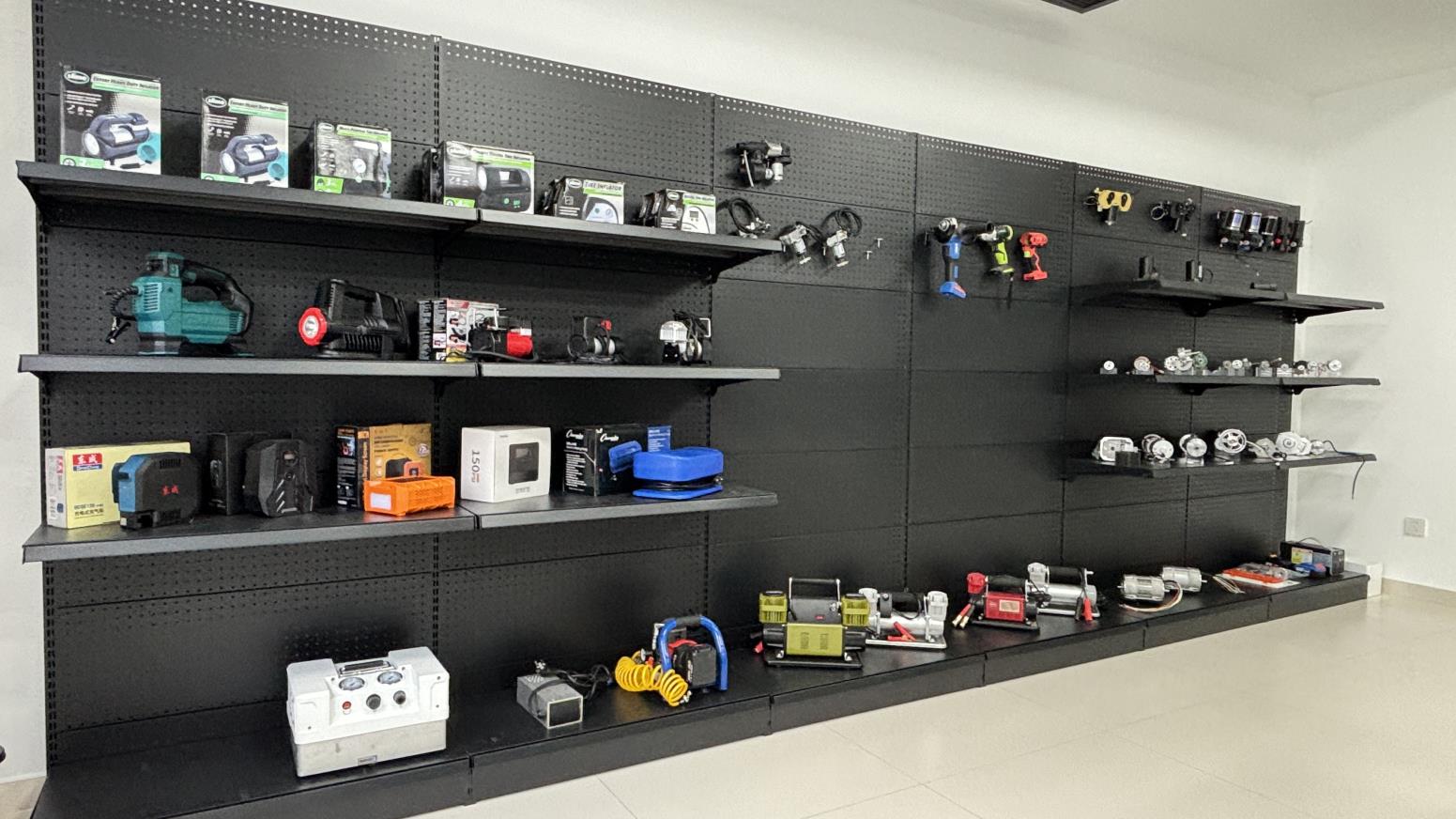
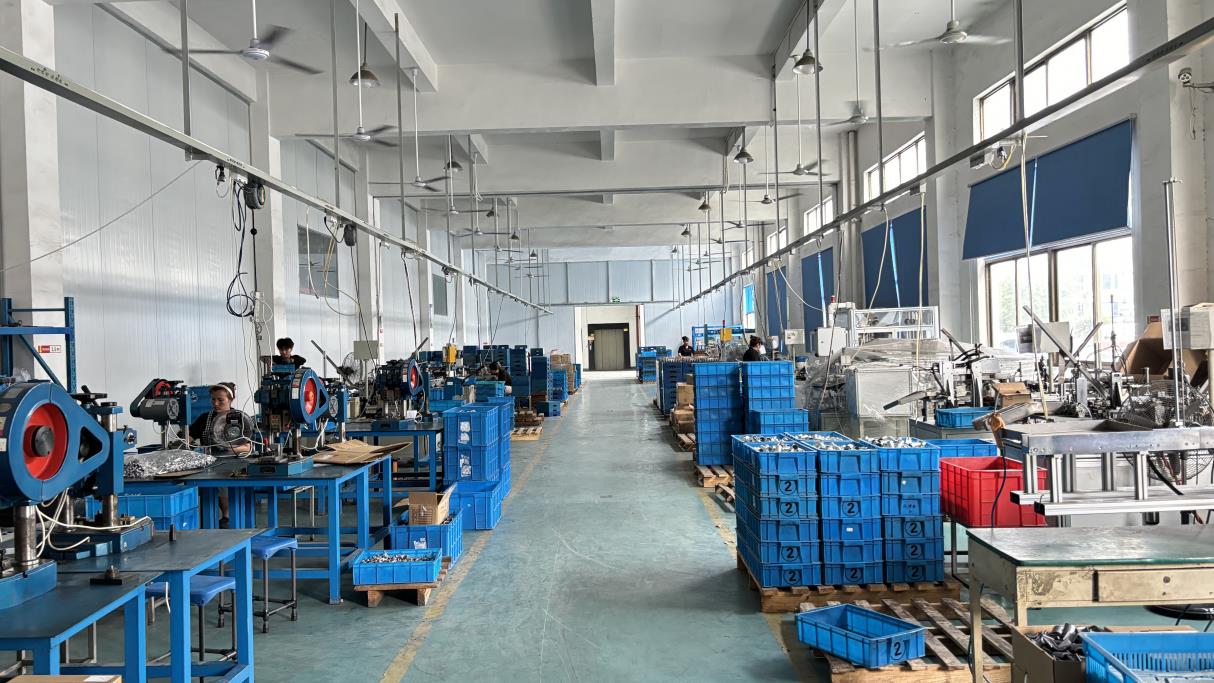
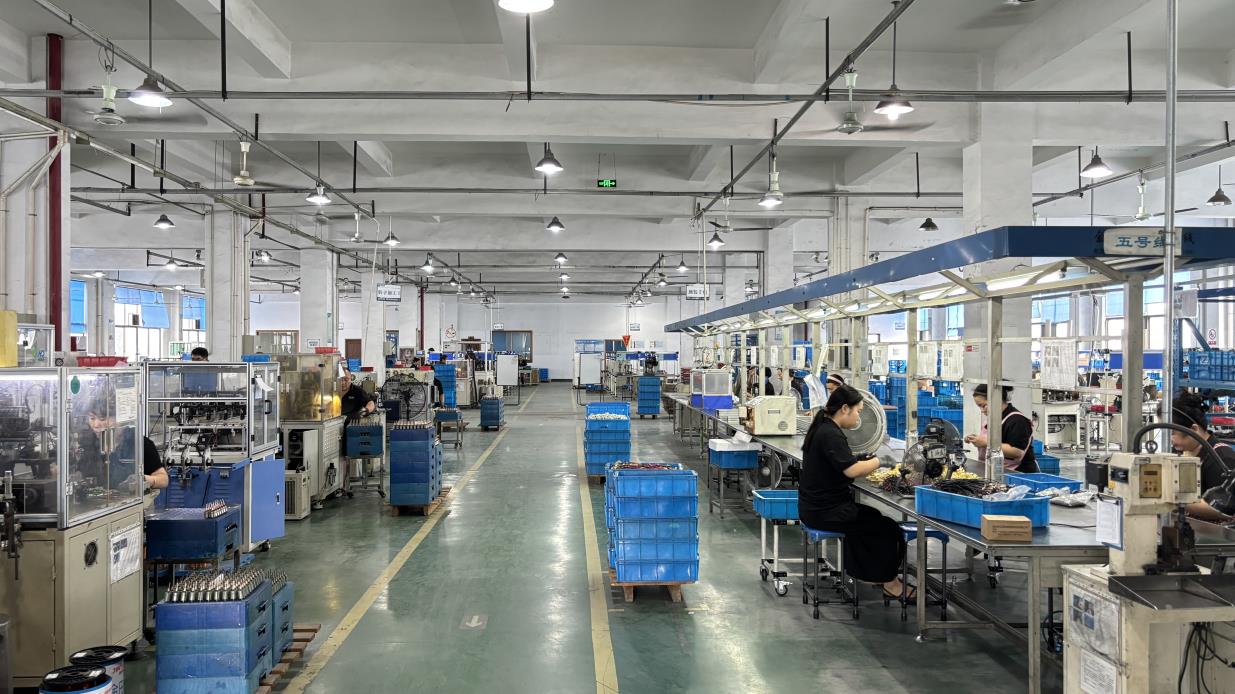
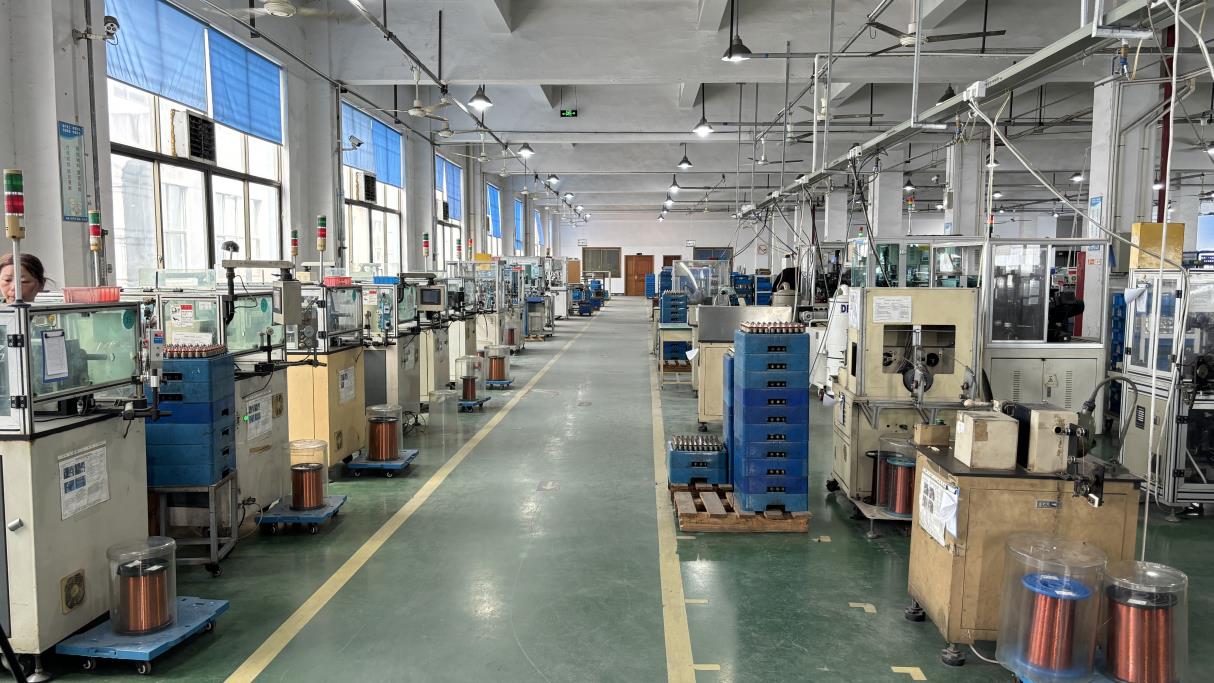
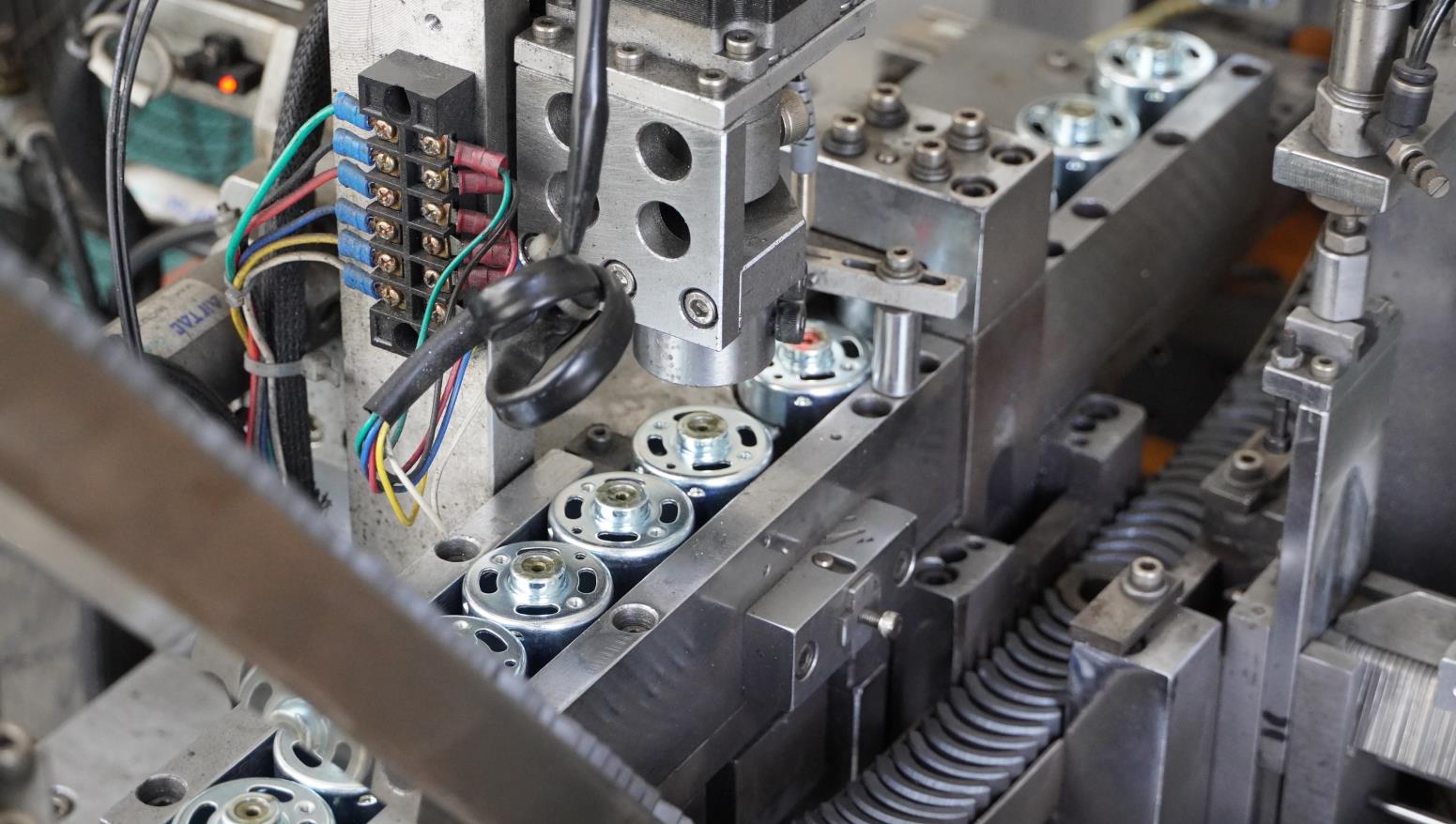
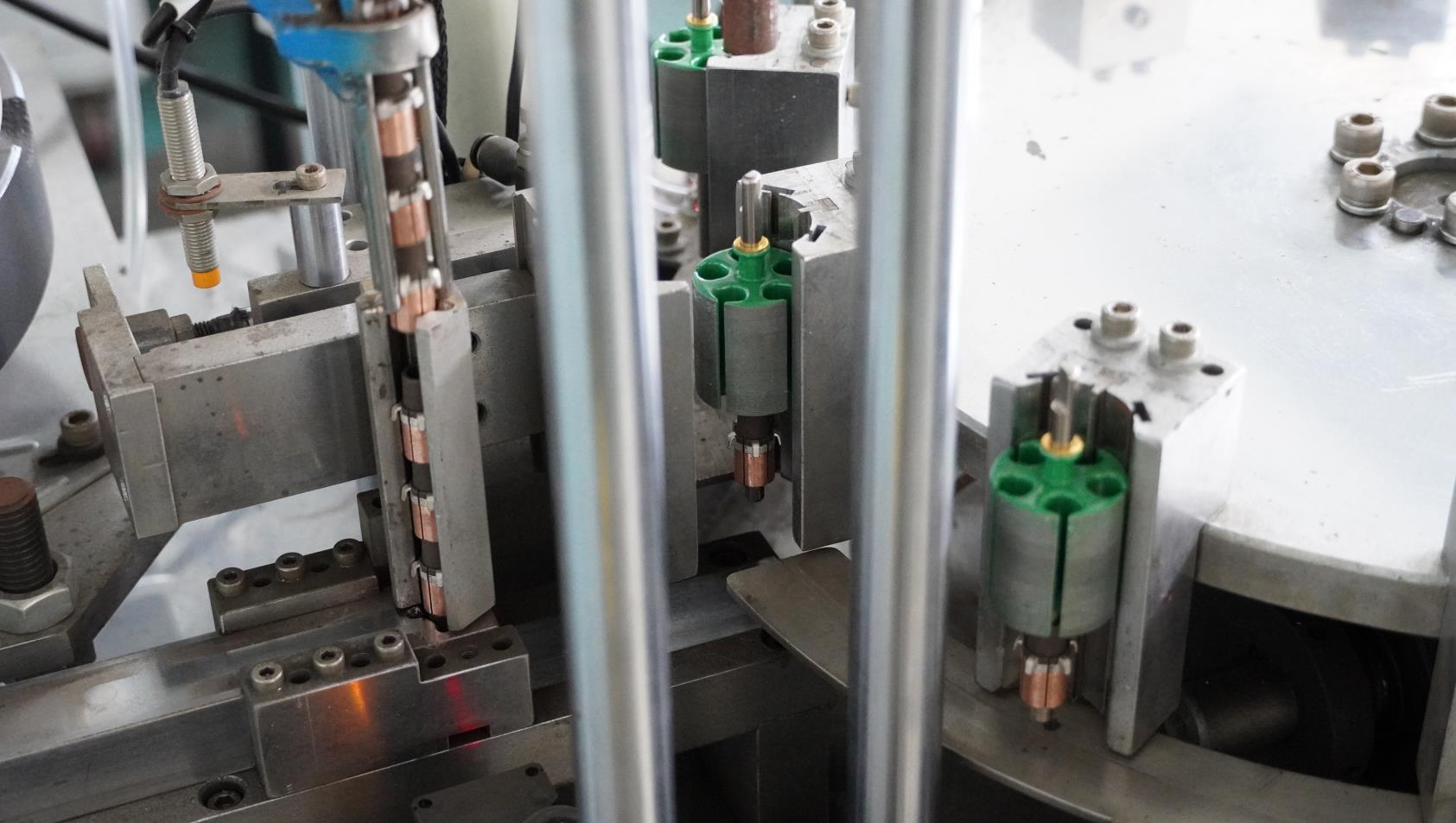
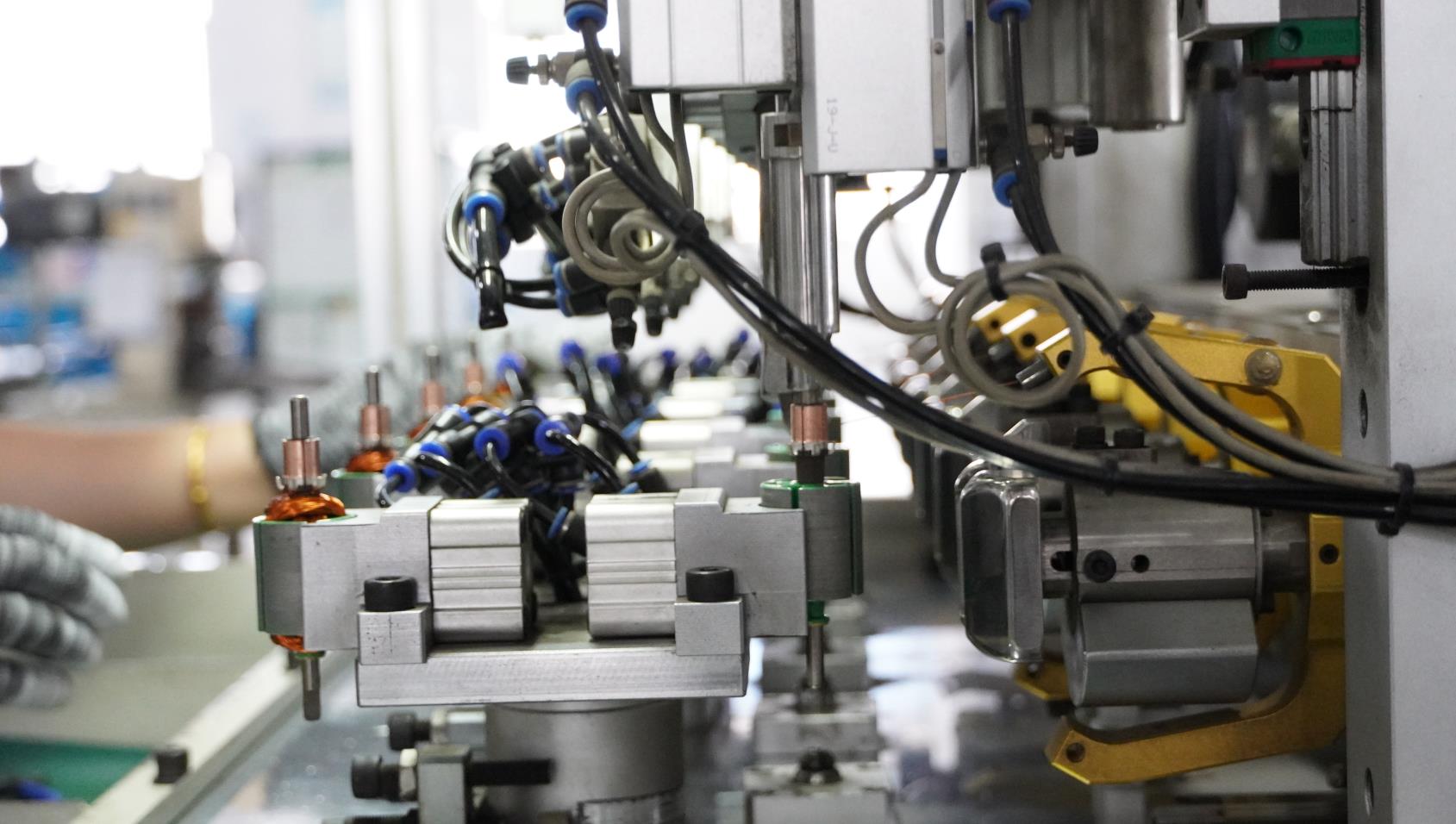
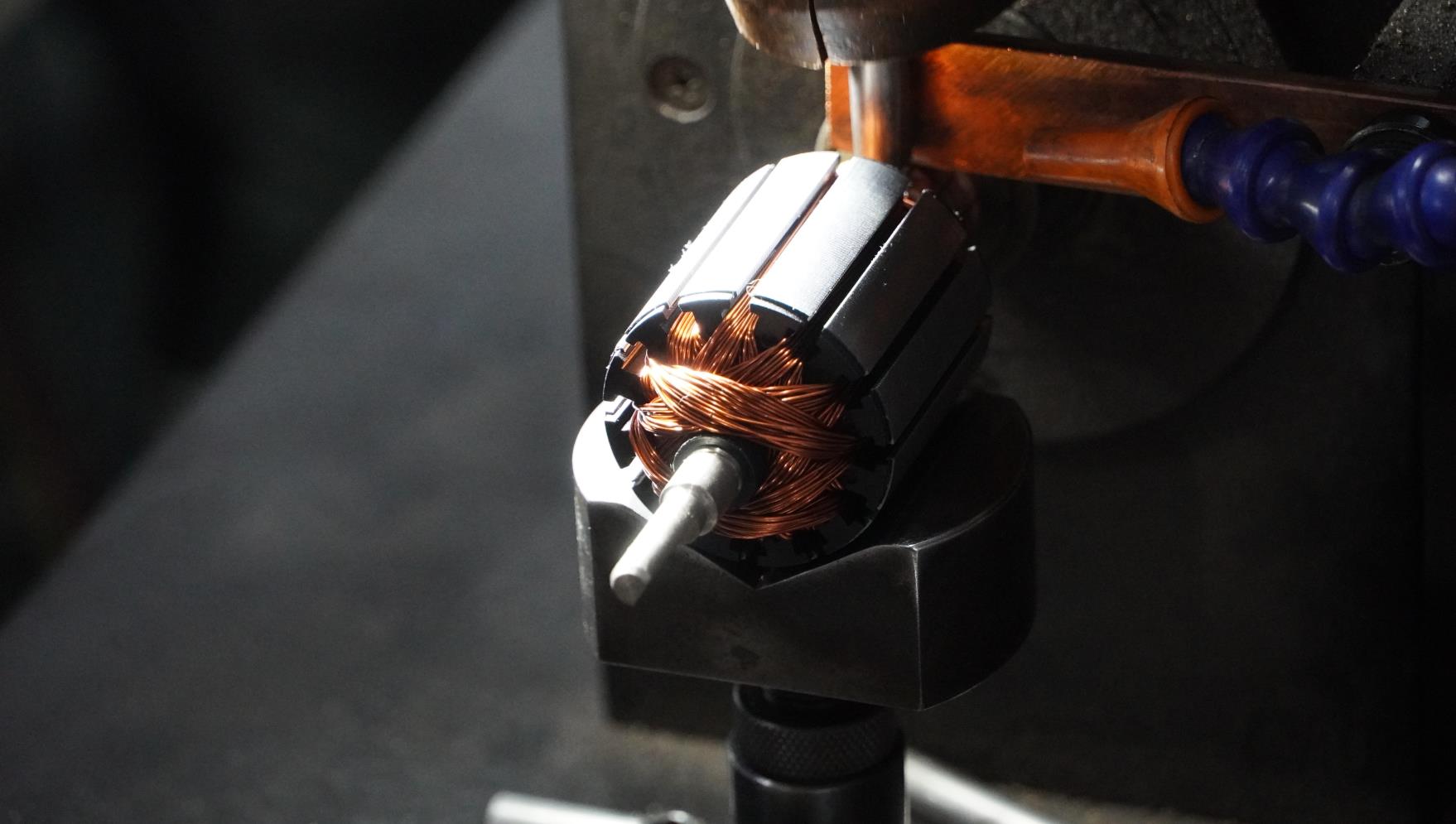
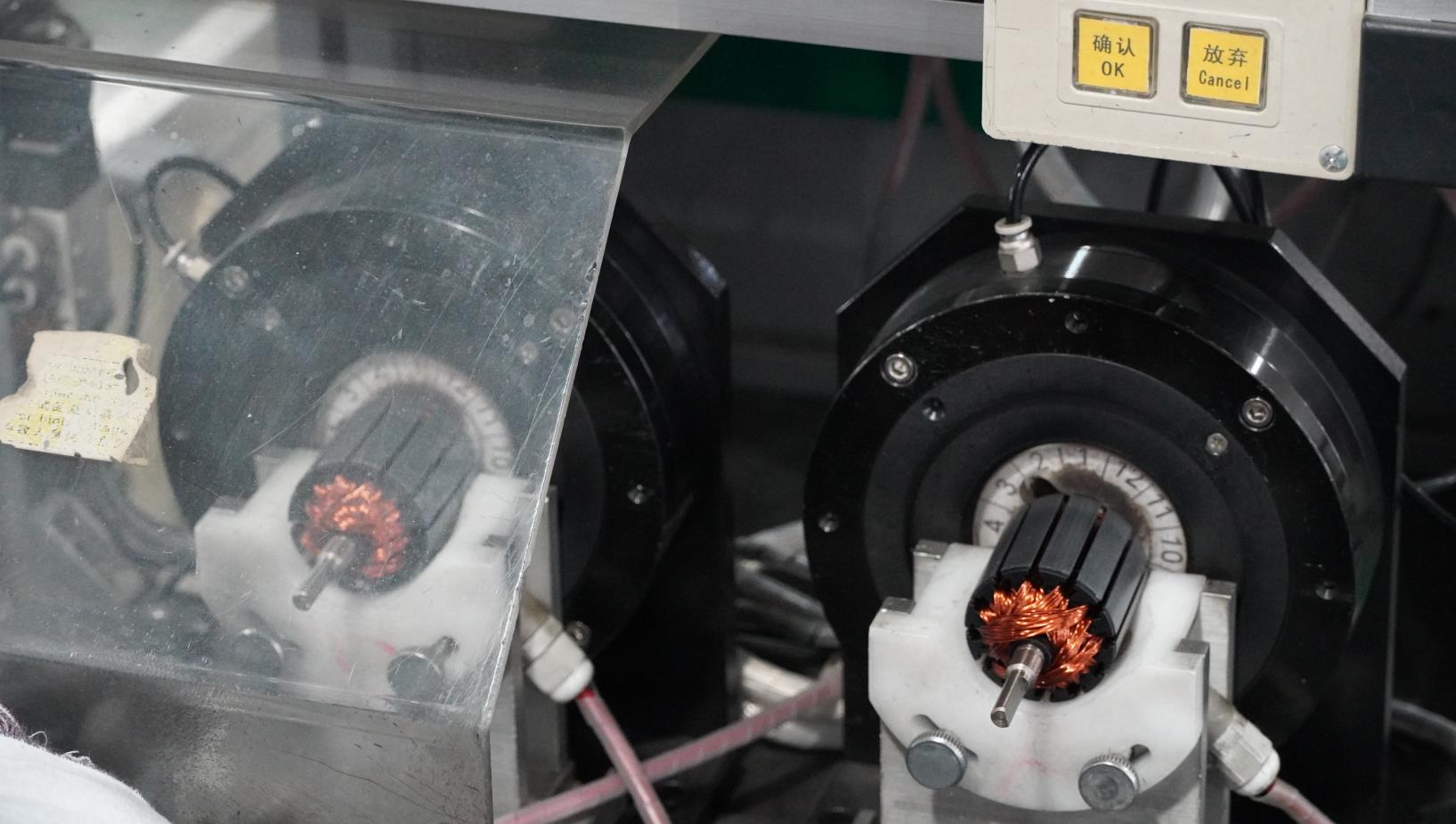
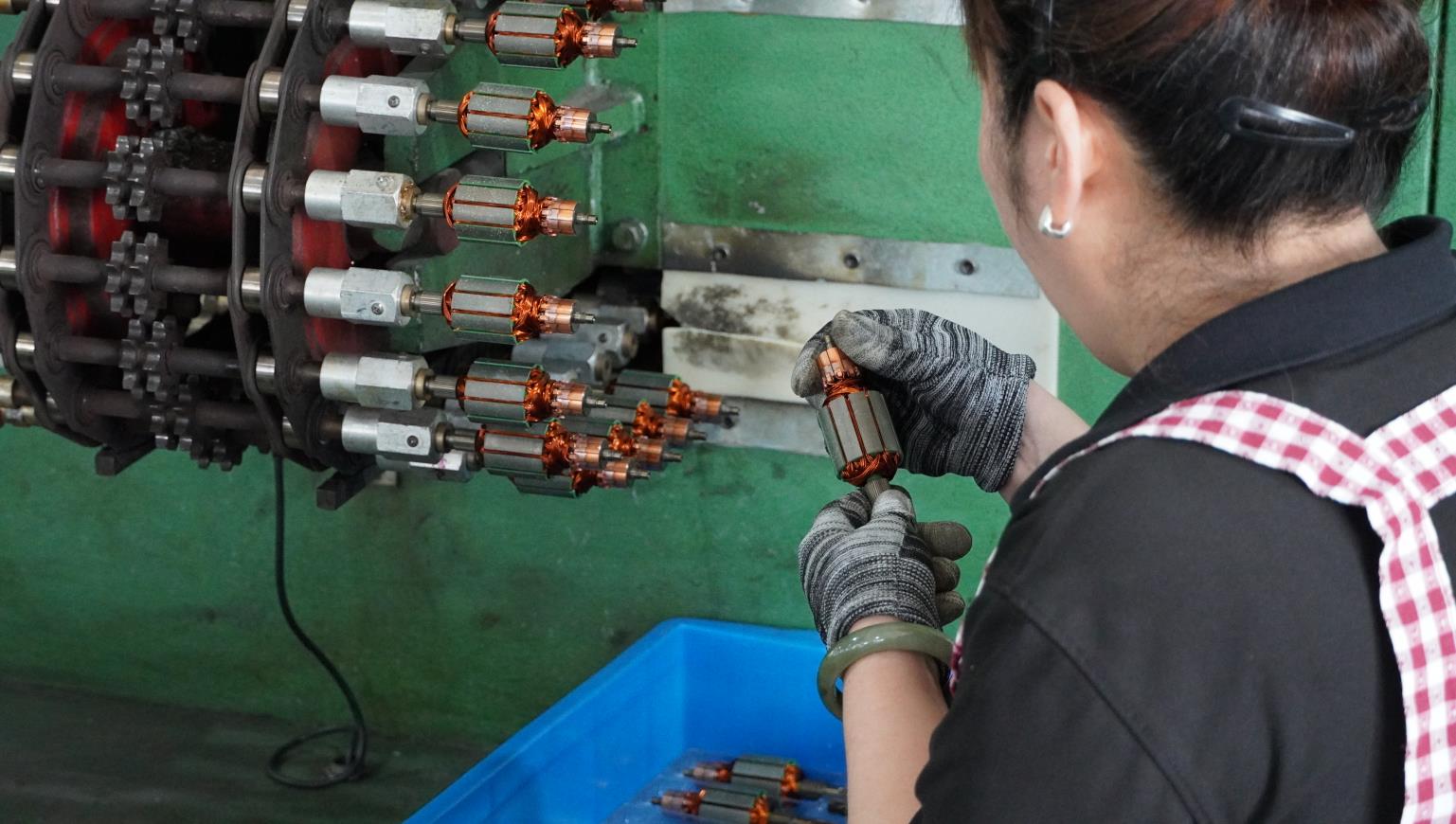
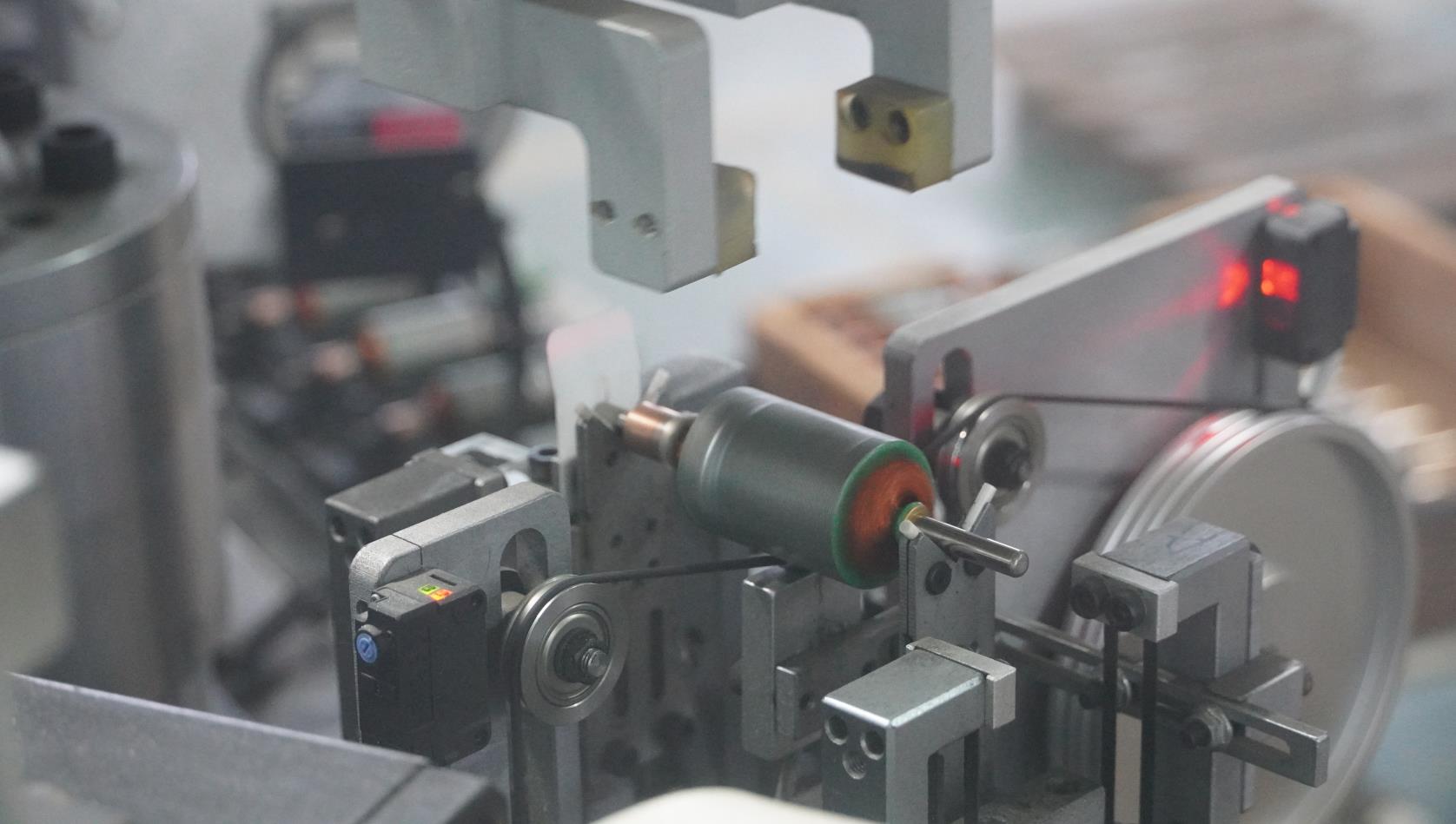
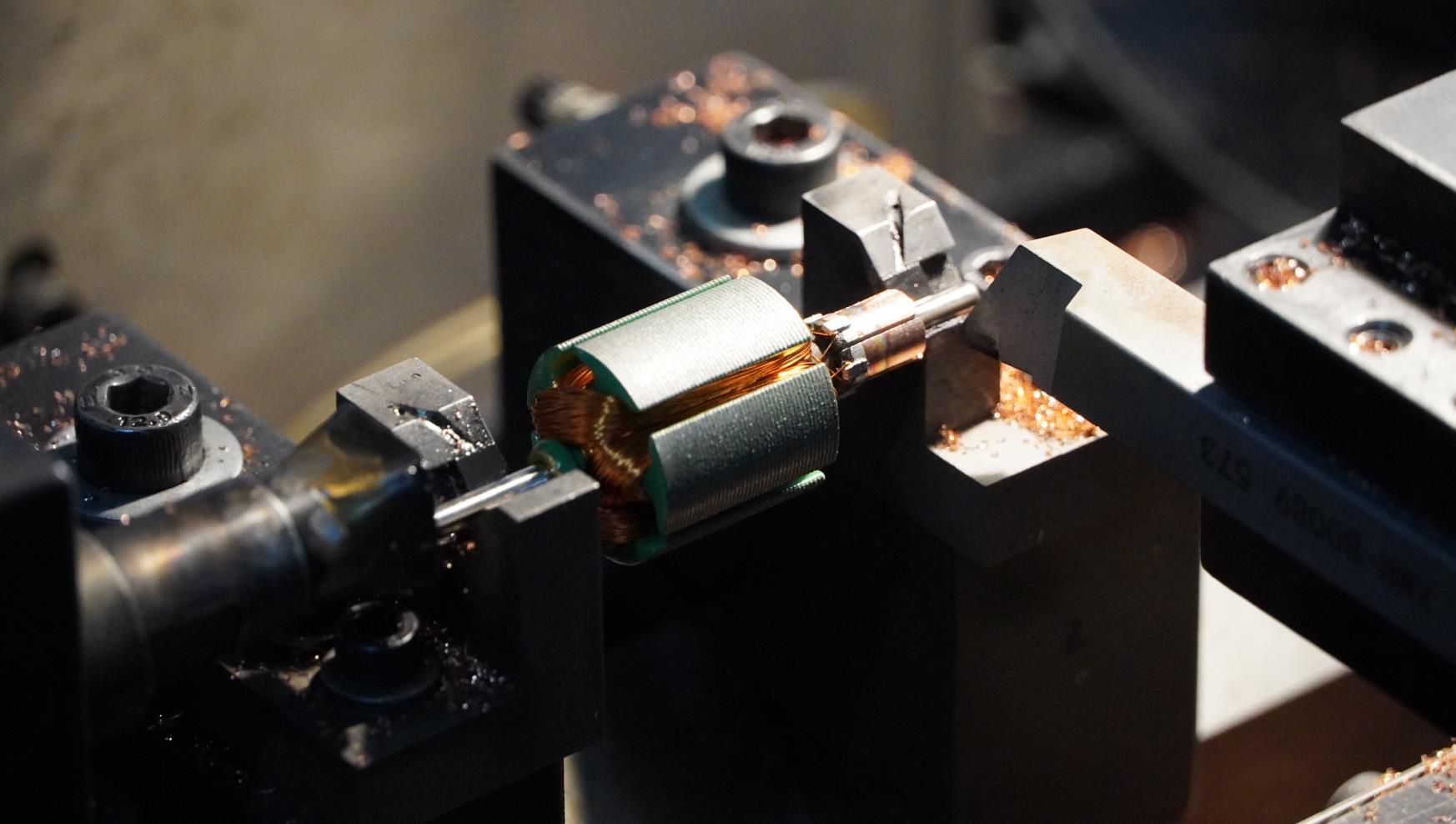
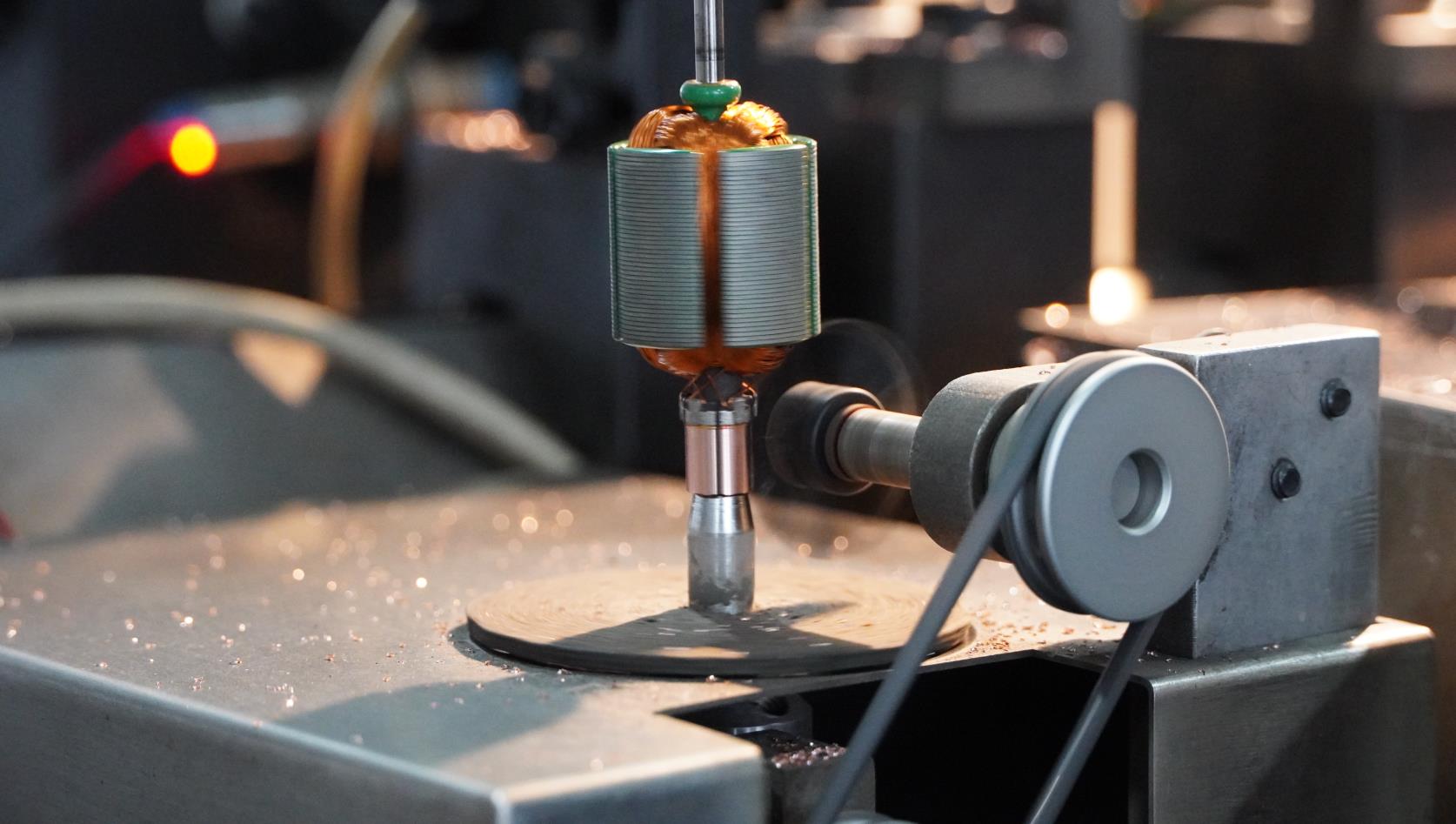
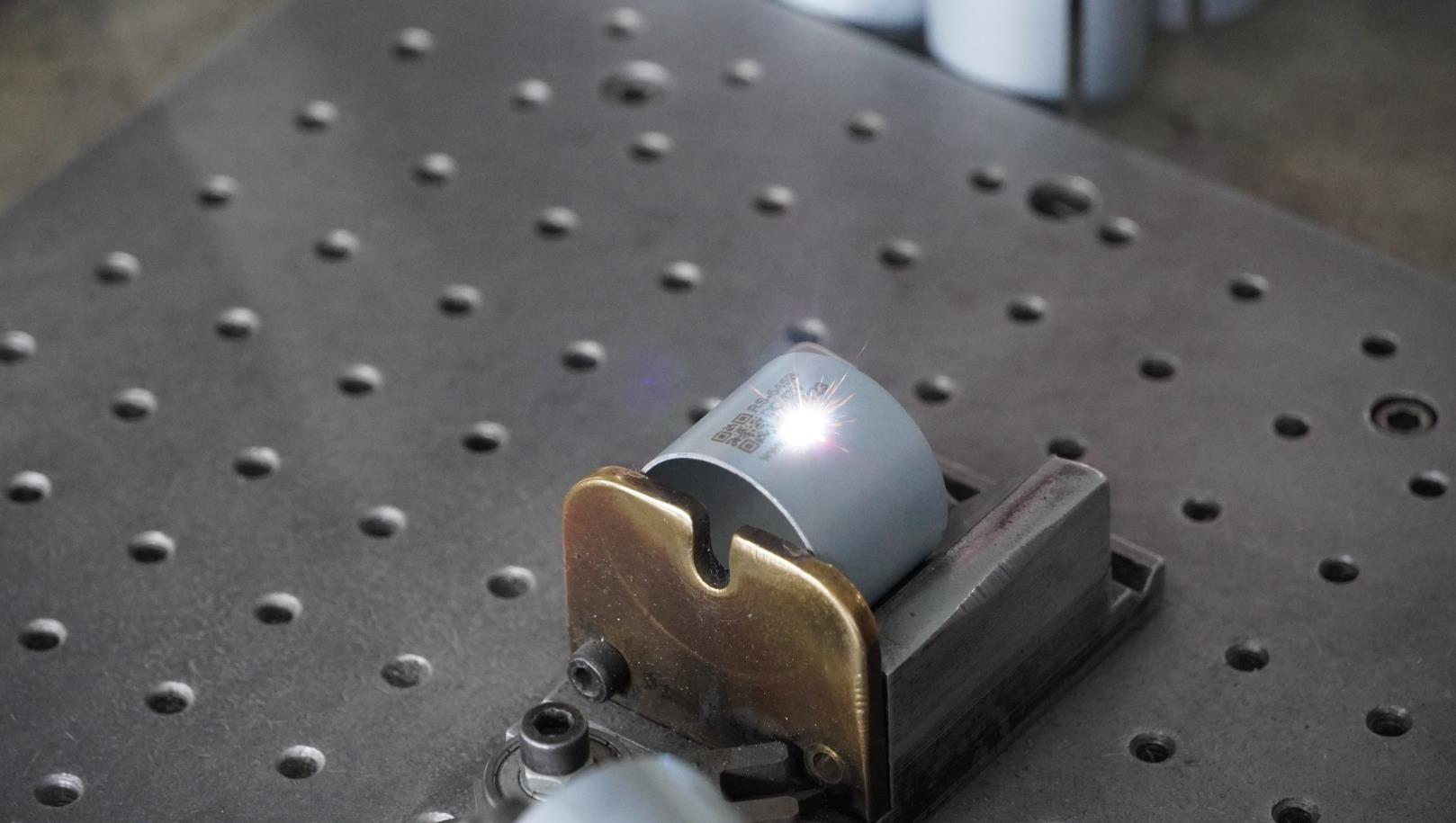
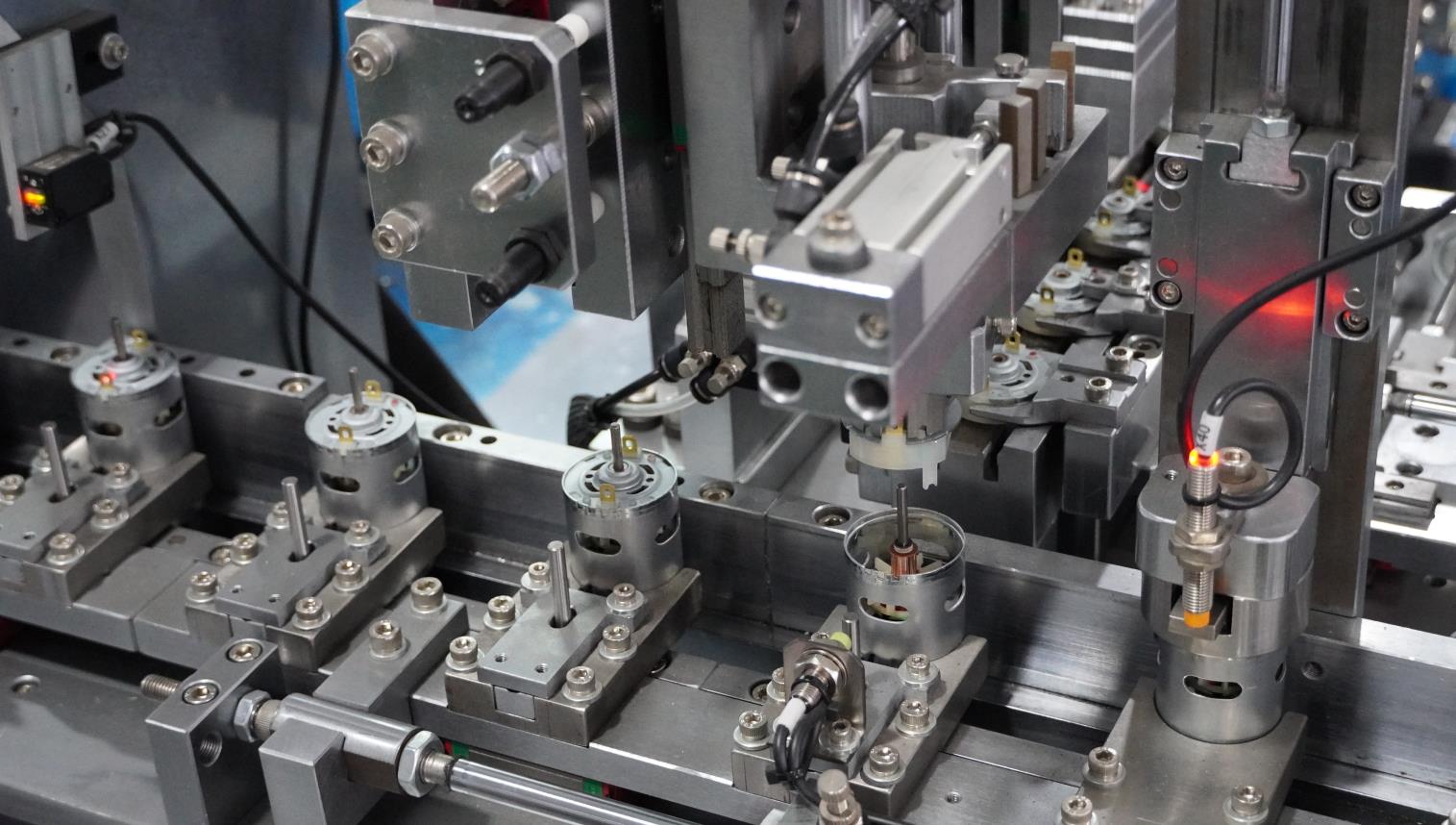
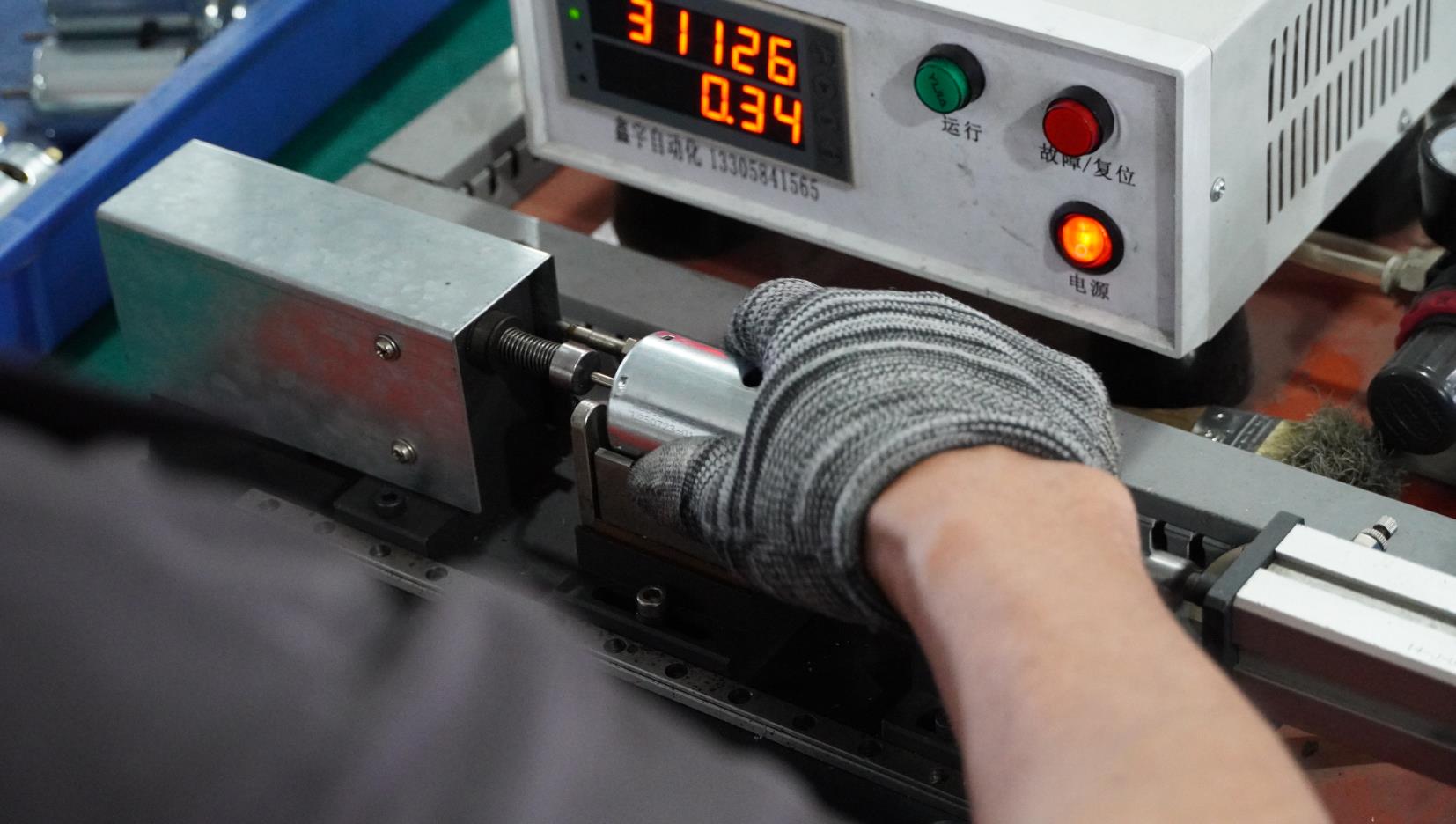
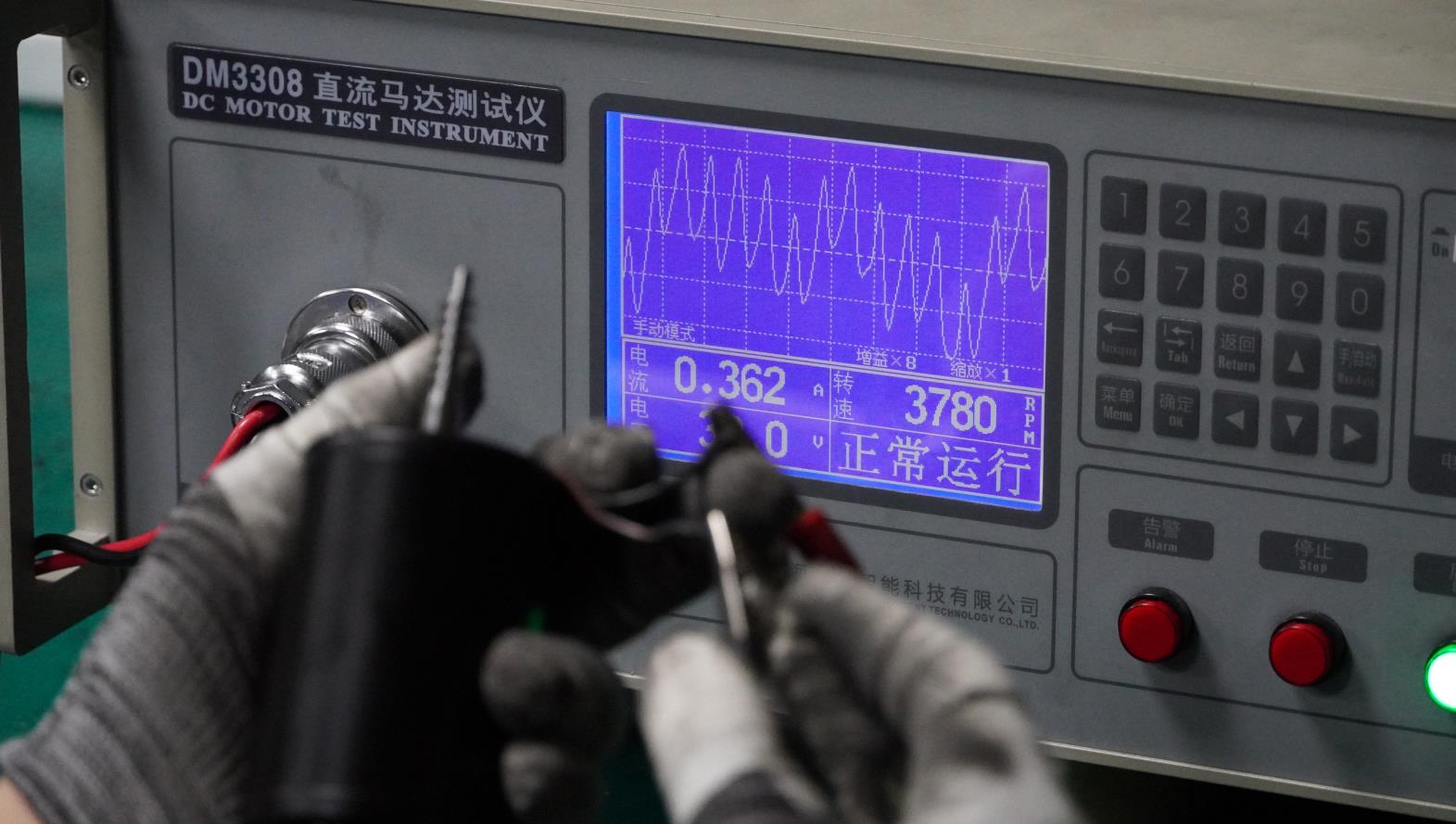
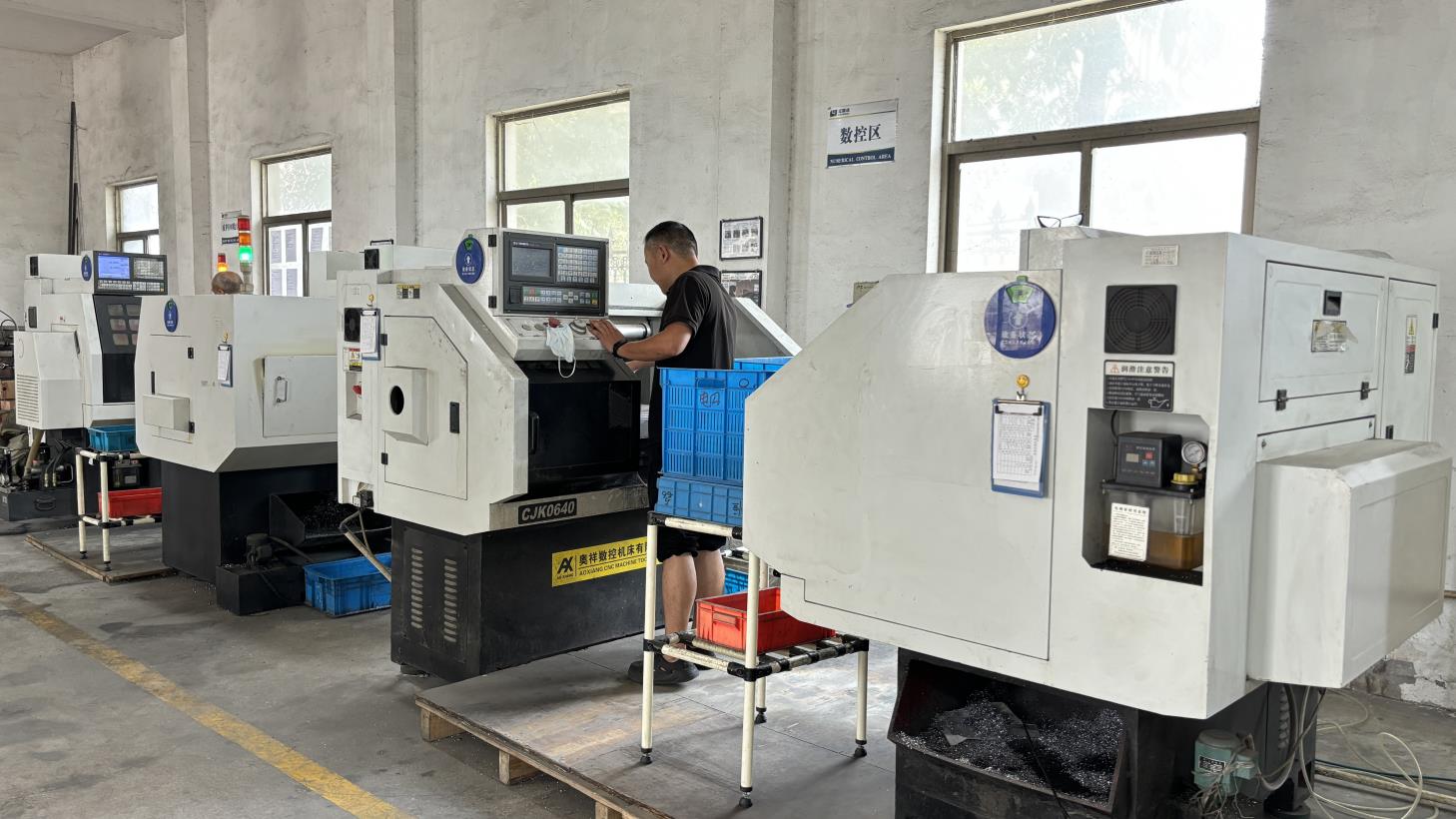
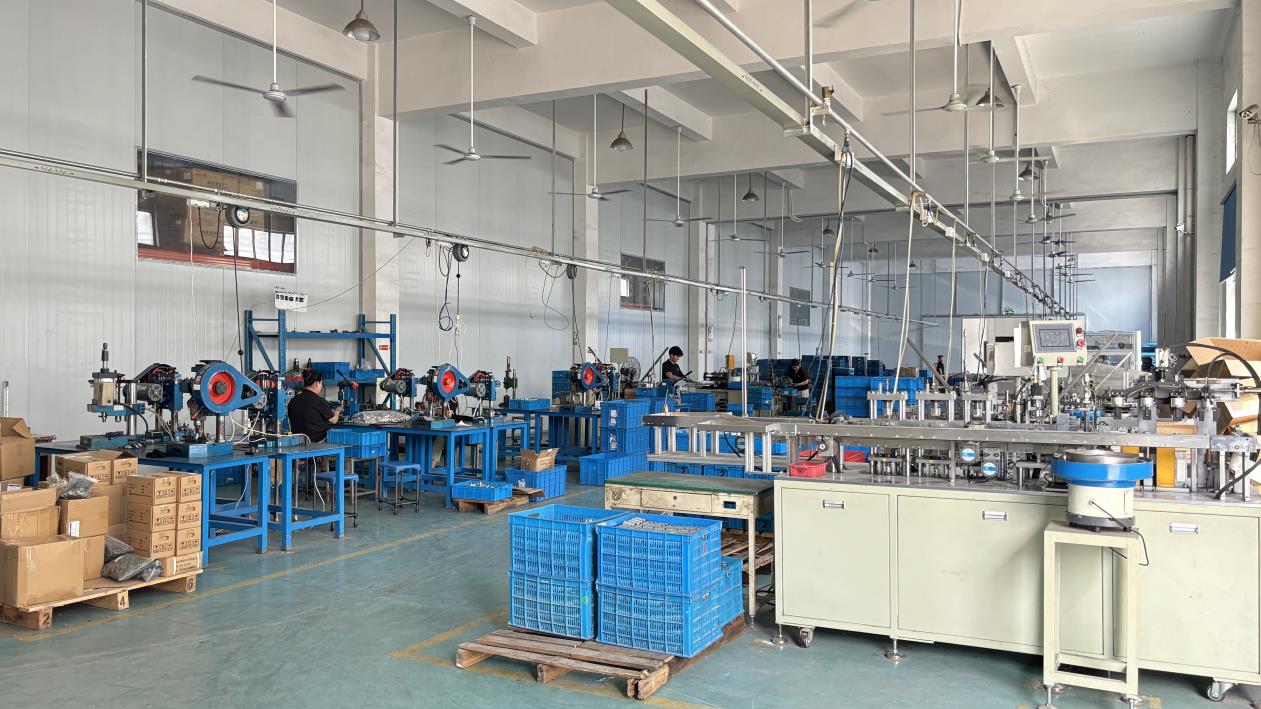
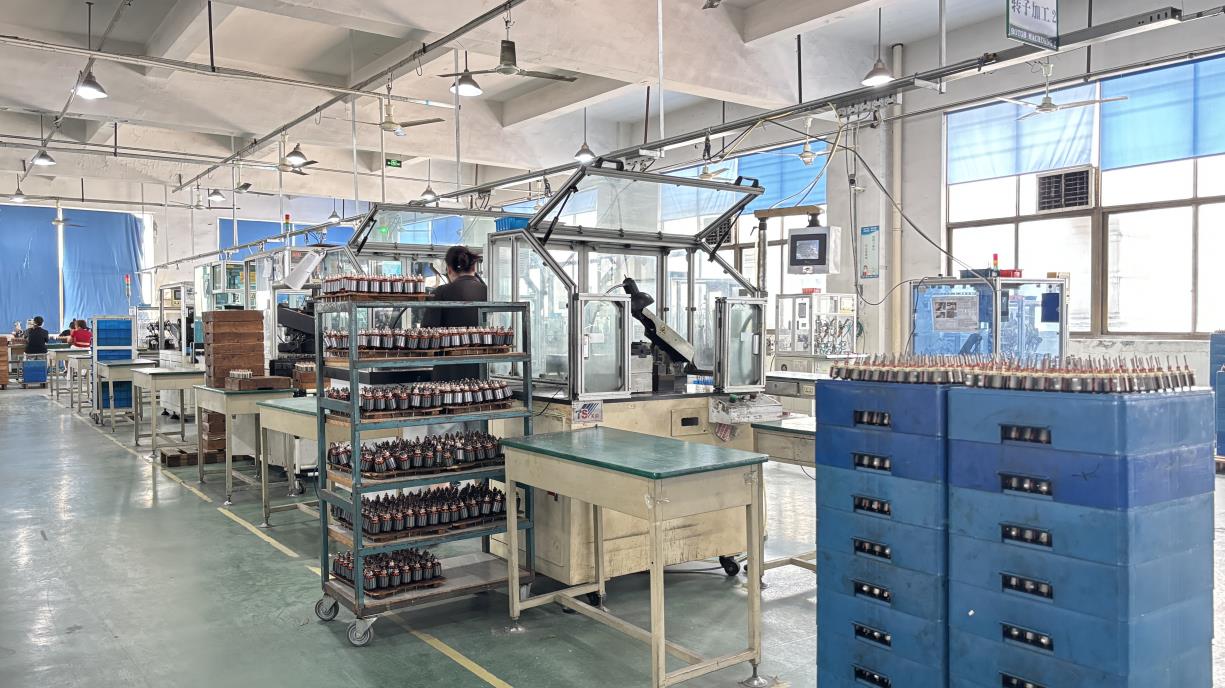
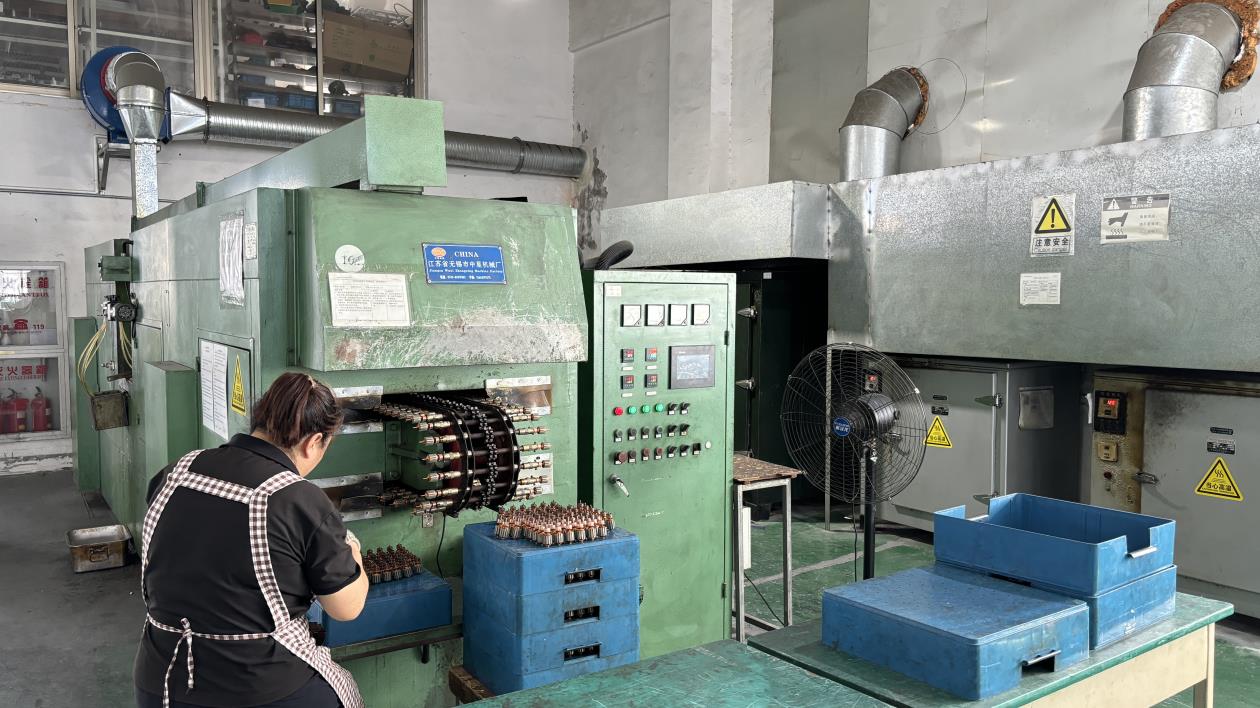
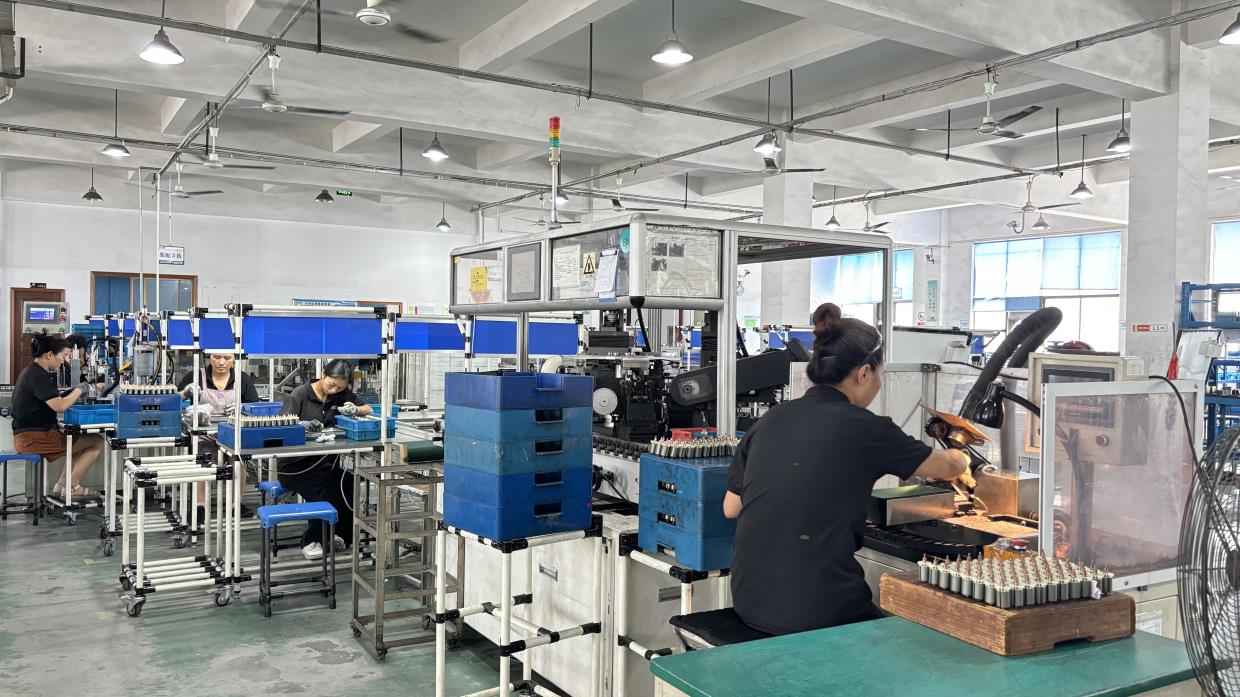
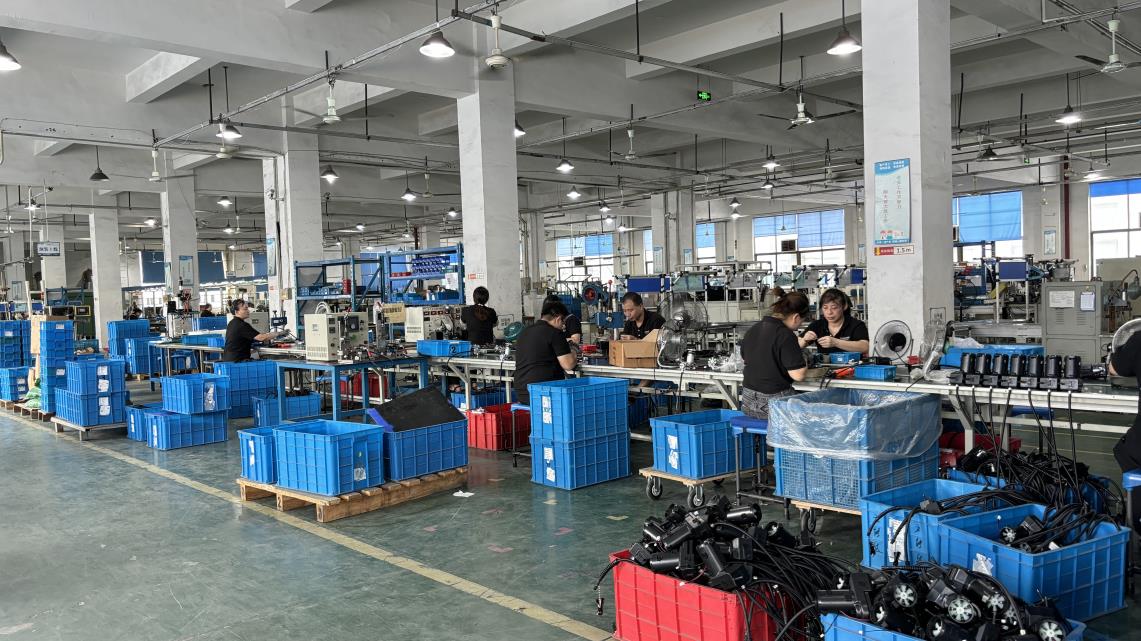
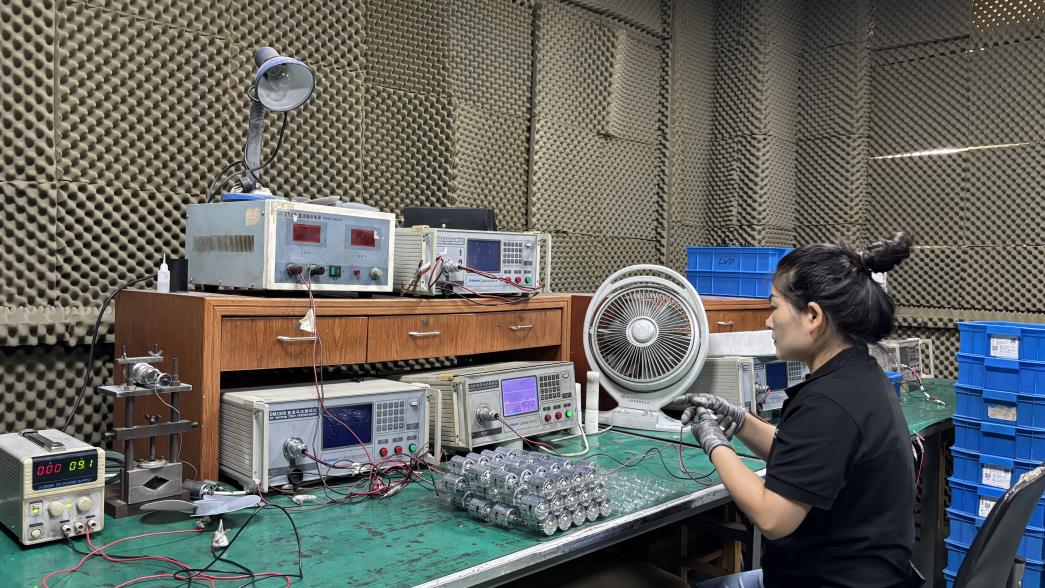
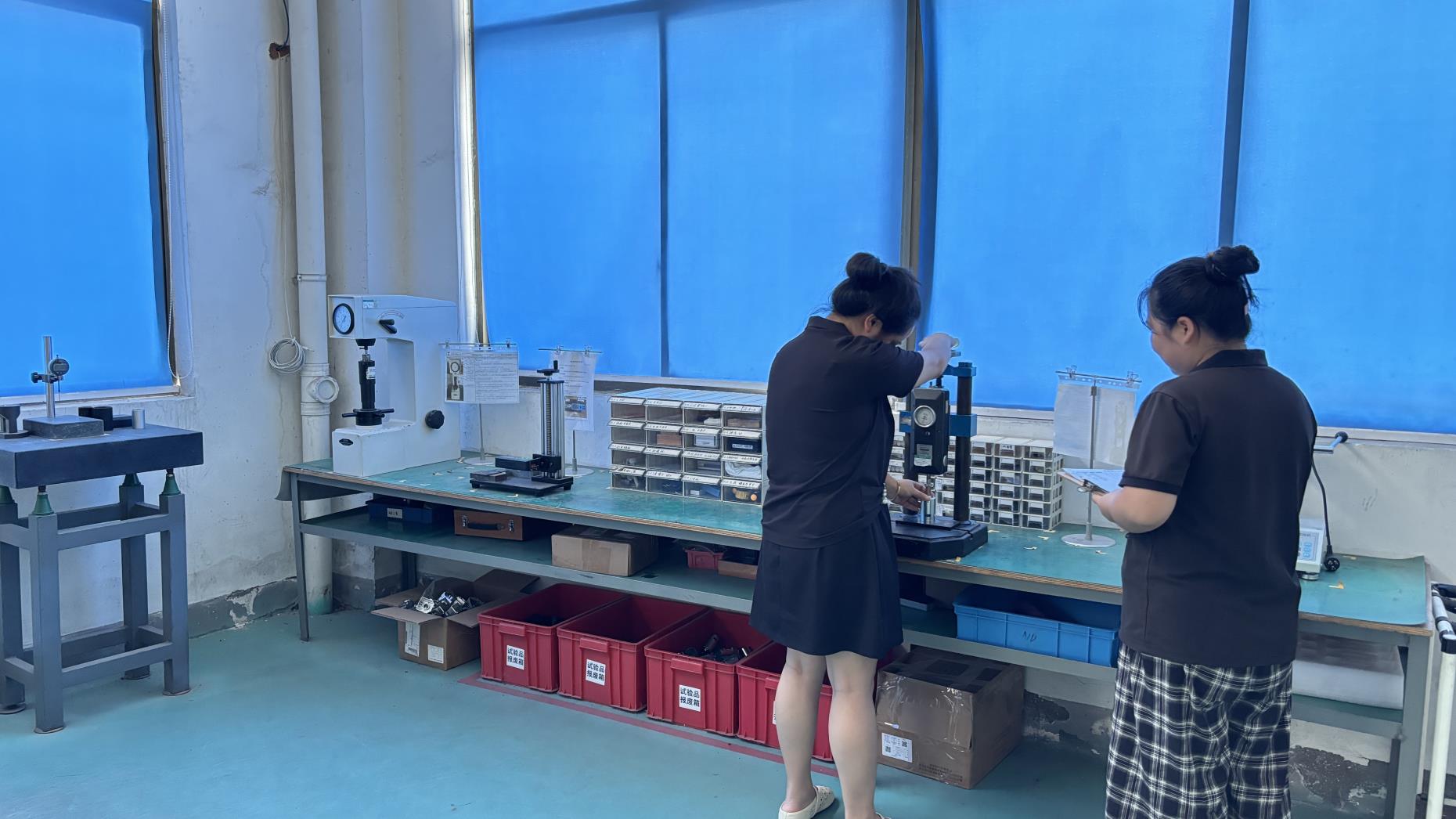
Understanding the engineering trajectory: Where high-torque micro DC motor technology is heading next.
Historically, micro motor manufacturing relied on empirical prototypes. The development lifecycle required expensive tooling and manual iterations. At TQC, we utilize Finite Element Method (FEM) software to simulate electromagnetic configurations before production. By analyzing flux leakage, rotor pole shape, and stator slot configurations, our engineers optimize motor efficiency. This mathematical modeling enables brushed and brushless systems to achieve high power density and minimal cogging torque, crucial for smooth operation in high-end medical pumps and automated curtains.
Choosing the correct torque multiplication interface is critical for application longevity. Our technological development addresses both major gear interfaces:
Standard motors rarely meet the exact physical constraints of high-end mechanical systems. Our R&D team provides comprehensive custom adaptations:
1. Electrical Customization: Adjusting the armature winding (wire diameter and number of turns) to modify speed, stall torque, and operational current. This allows a 12V motor platform to be adapted for 24V or 120V grid requirements without changing the overall physical footprint.
2. Structural Customization: Modifying output shafts (D-cuts, cross-drilled pins, keyed shafts, external gears, threaded shafts), and integrating customized mounting flanges, specialized terminal blocks, and custom cable assemblies.
3. Advanced Acoustic Optimization: Incorporating precision carbon brushes, high-precision carbon commutators, diamond-tooled commutator finishings, and dynamic rotor balancing processes. These techniques reduce electromagnetic and mechanical noise below 38 dB, meeting medical and smart-home standards.
TQC Digital Gear Motors are integrated across diverse consumer, commercial, and industrial segments worldwide.
Driving motorized blinds, smart door locks, projection screens, kitchen range hoods, and coffee bean grinders. High-torque output in a compact footprint ensures neat integration into modern interiors.
Ultra-Quiet operationProviding precise torque and speed control for peristaltic pumps, clinical analysis equipment, surgical table adjusters, and diagnostic devices. Requires high reliability and stable current consumption.
Precision WindingPowering automatic sorting systems, miniature conveyor belts, robotic arm joints, power tools, and valve actuators. Tailored to withstand high mechanical shock loads and continuous operations.
Shock Load DurableExplore the second half of our motor portfolio, featuring robust worm-gear setups, high-voltage solutions, and micro-brushed platforms.
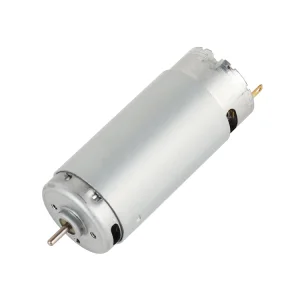
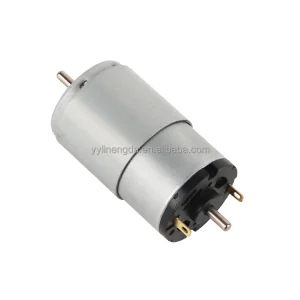
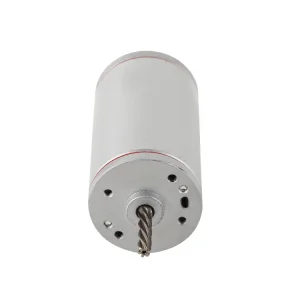
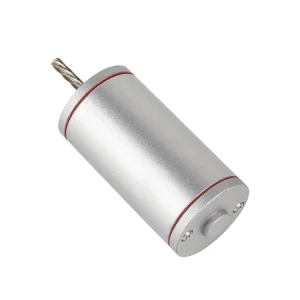
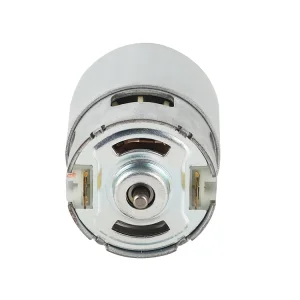
Technical guidance for design engineers, purchasing departments, and global OEM partners.