TQC Micromotor
TQC Micromotor
TQC Micromotor
Engineered for High-Efficiency, Maximum Power Density, and Low-Acoustic Footprints
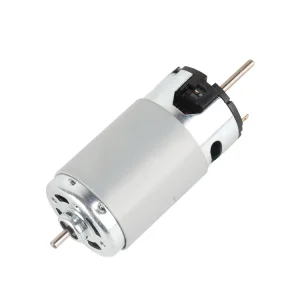
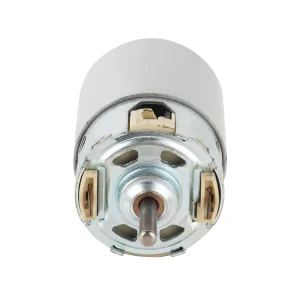
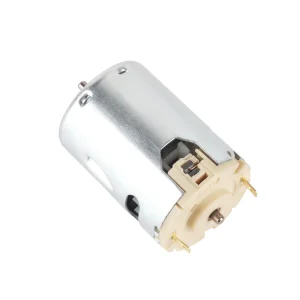
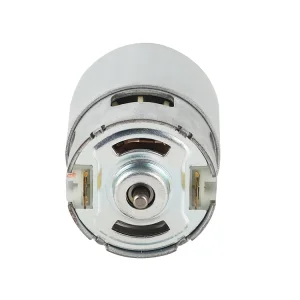
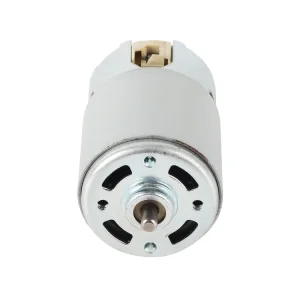
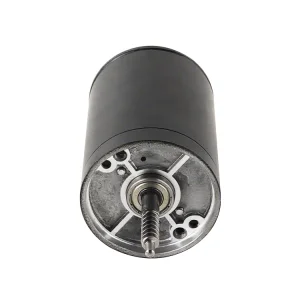
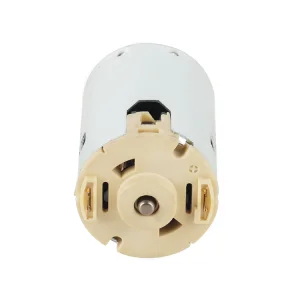
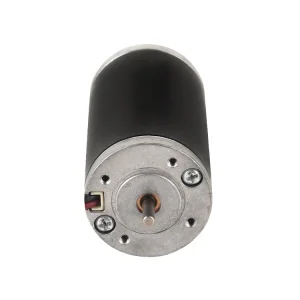
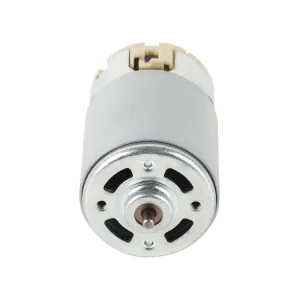
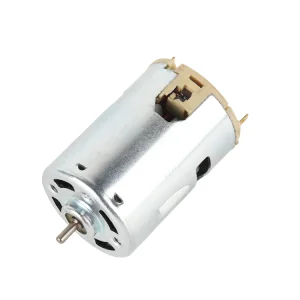
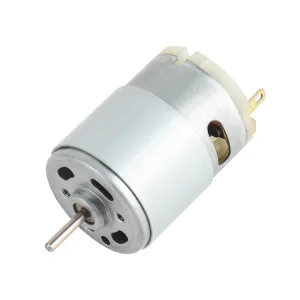
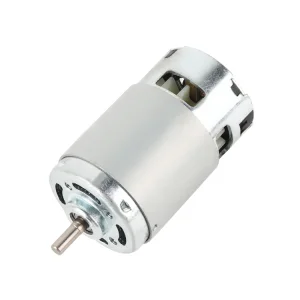
At TQC Micromotor, we believe that global innovation shouldn't be limited by size. For two decades, we have dedicated ourselves to a single, relentless pursuit: designing, engineering, and manufacturing high-performance micro-drive solutions that keep modern industries moving forward. Based in China, we operate a state-of-the-art, ISO9001-certified production facility specializing in Micro DC Motors, DC Gear Motors, and Brushless DC Motors (BLDC).
The name TQC represents our foundational pillars: Top Quality & Customization. We understand that applications like smart home automation, medical devices, automotive electronics, and precision robotics demand uncompromised reliability. That is why every TQC micro motor is built with an exceptional power-to-size ratio, ultra-low noise acoustics, and an extended operational lifespan, backed by strict 100% in-house quality control and international certifications (CE, RoHS, REACH).
We don’t just supply standard hardware; we act as a strategic R&D partner. With a robust engineering team holding multiple industry patents, TQC thrives on solving complex mechanical challenges through flexible OEM/ODM custom solutions. From custom shaft configurations and custom voltage tuning to specialized bespoke gearheads, we turn your technical blueprints into high-volume, cost-effective reality.
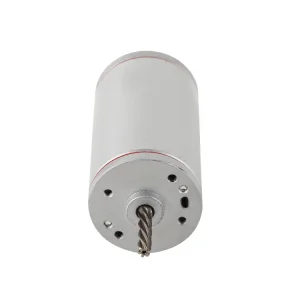
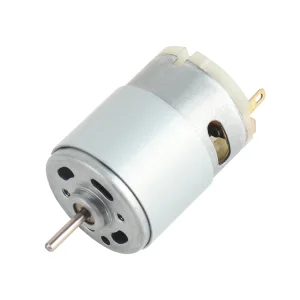
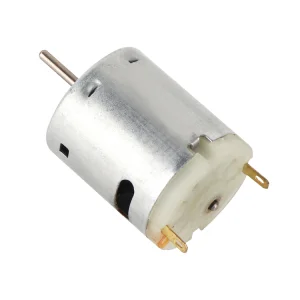
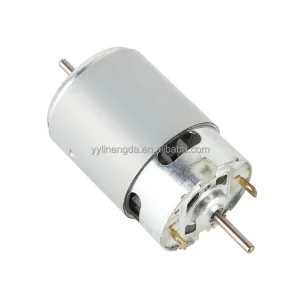
In the contemporary global motor manufacturing landscape, procurement teams face complex challenges: balancing cost efficiency with strict regulatory compliance, thermal boundaries, and acoustic criteria. A "Single Phase DC Motor" represents a key segment in low-to-medium voltage systems. By replacing wound fields with high-energy permanent magnets (PMDC configuration), we minimize electrical stator losses, reduce chassis diameter, and optimize efficiency curves.
TQC’s technical division leverages advanced electromagnetic simulation tools to model magnetic flux distribution across armature slot boundaries. This structural optimization ensures minimal cogging torque, a critical factor for smooth actuation in precision linear actuators, motorized window shades, and luxury smart home products.
How TQC Integrates Advanced Automation with Rigorous Quality Verification

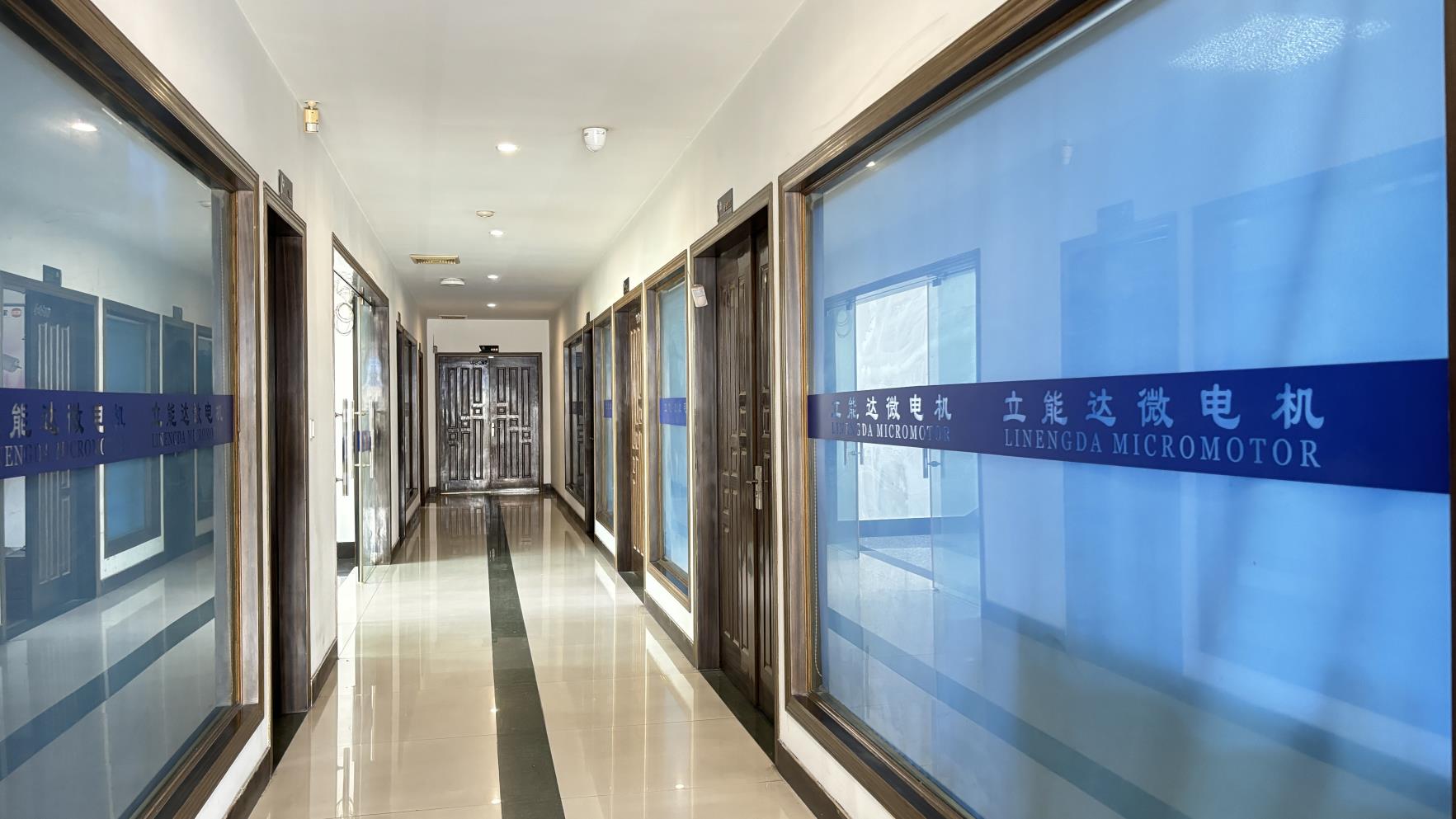
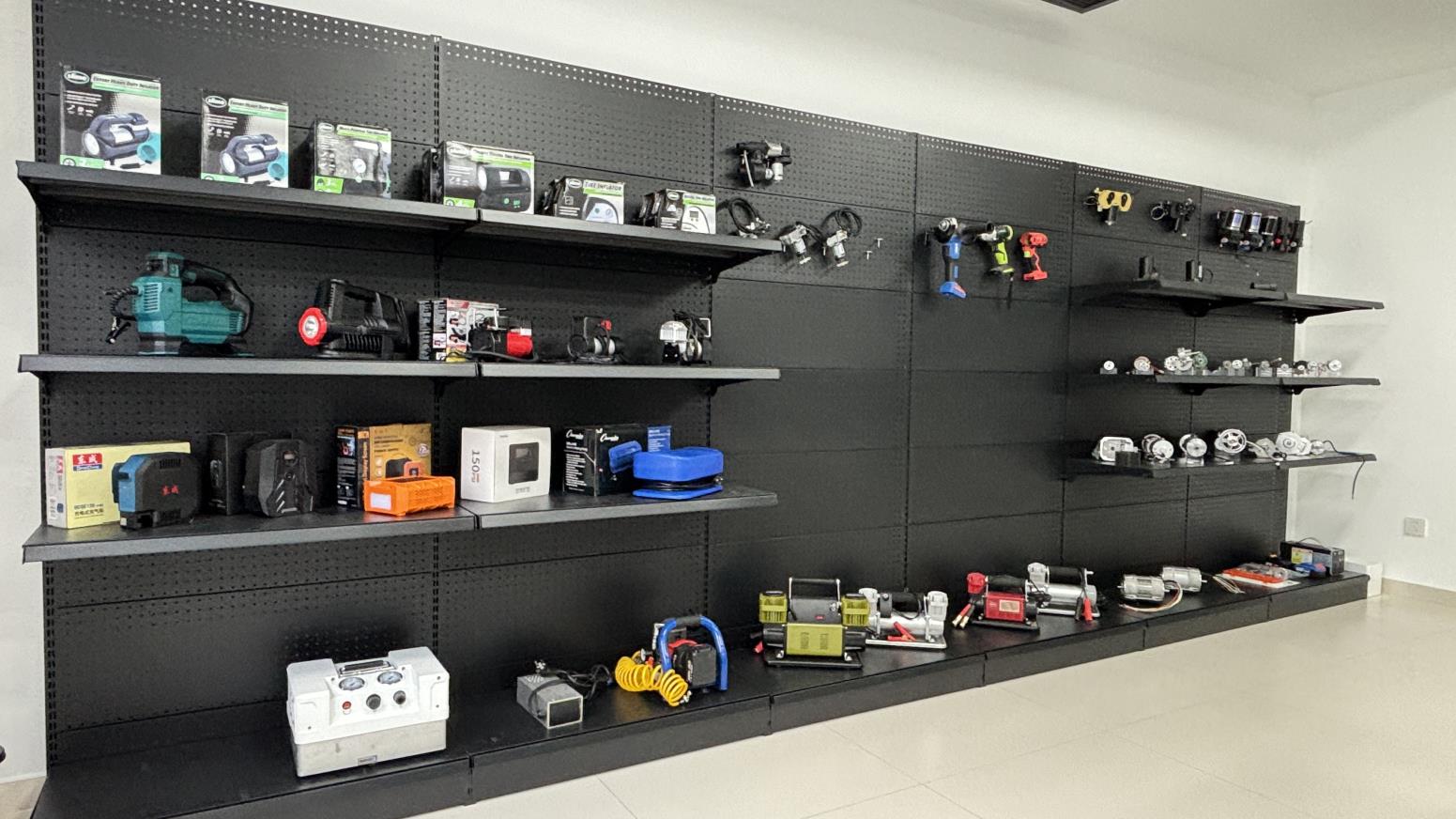
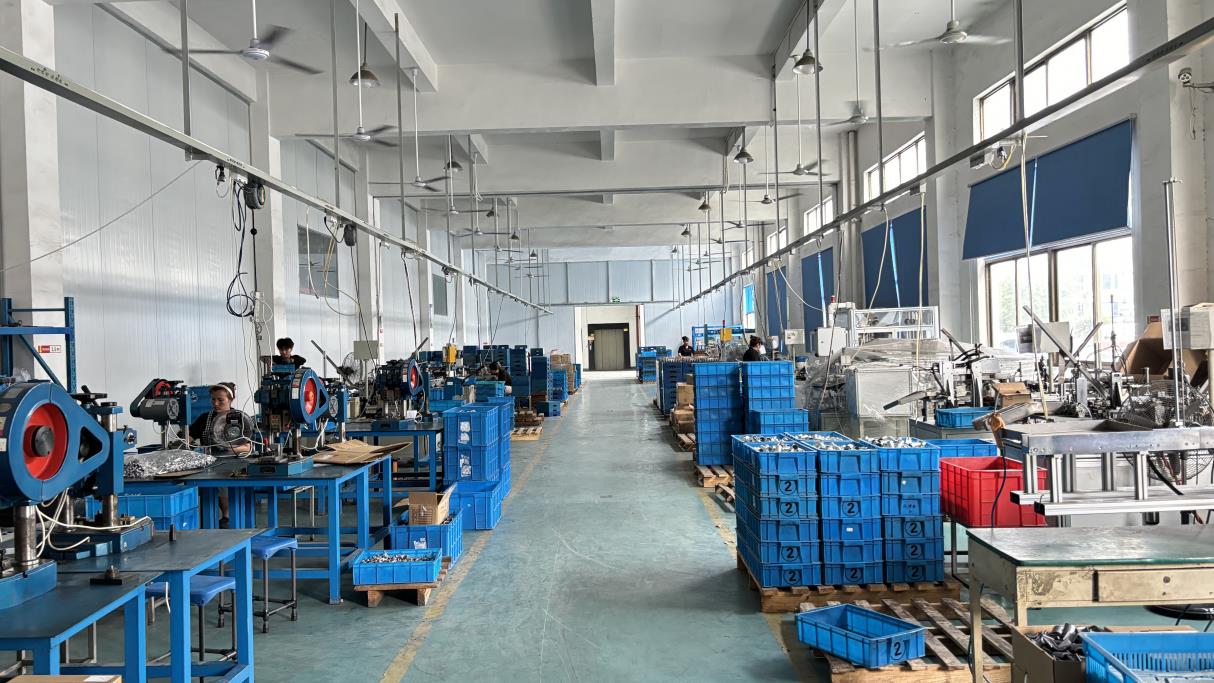
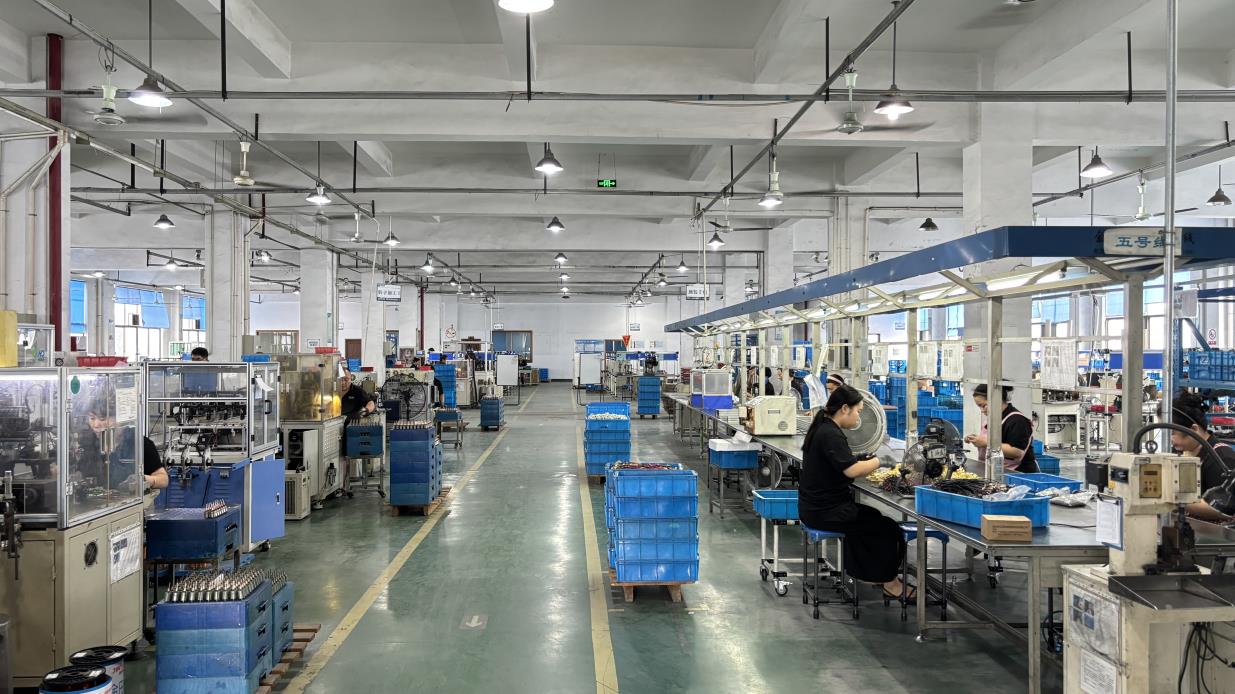
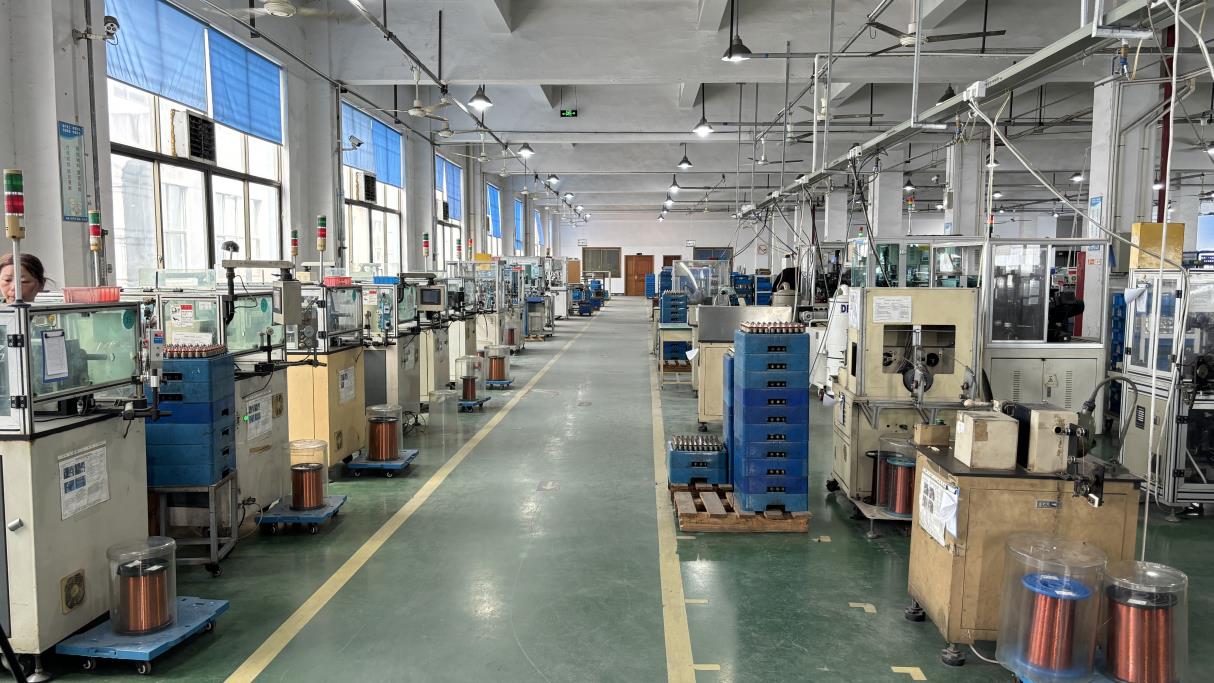
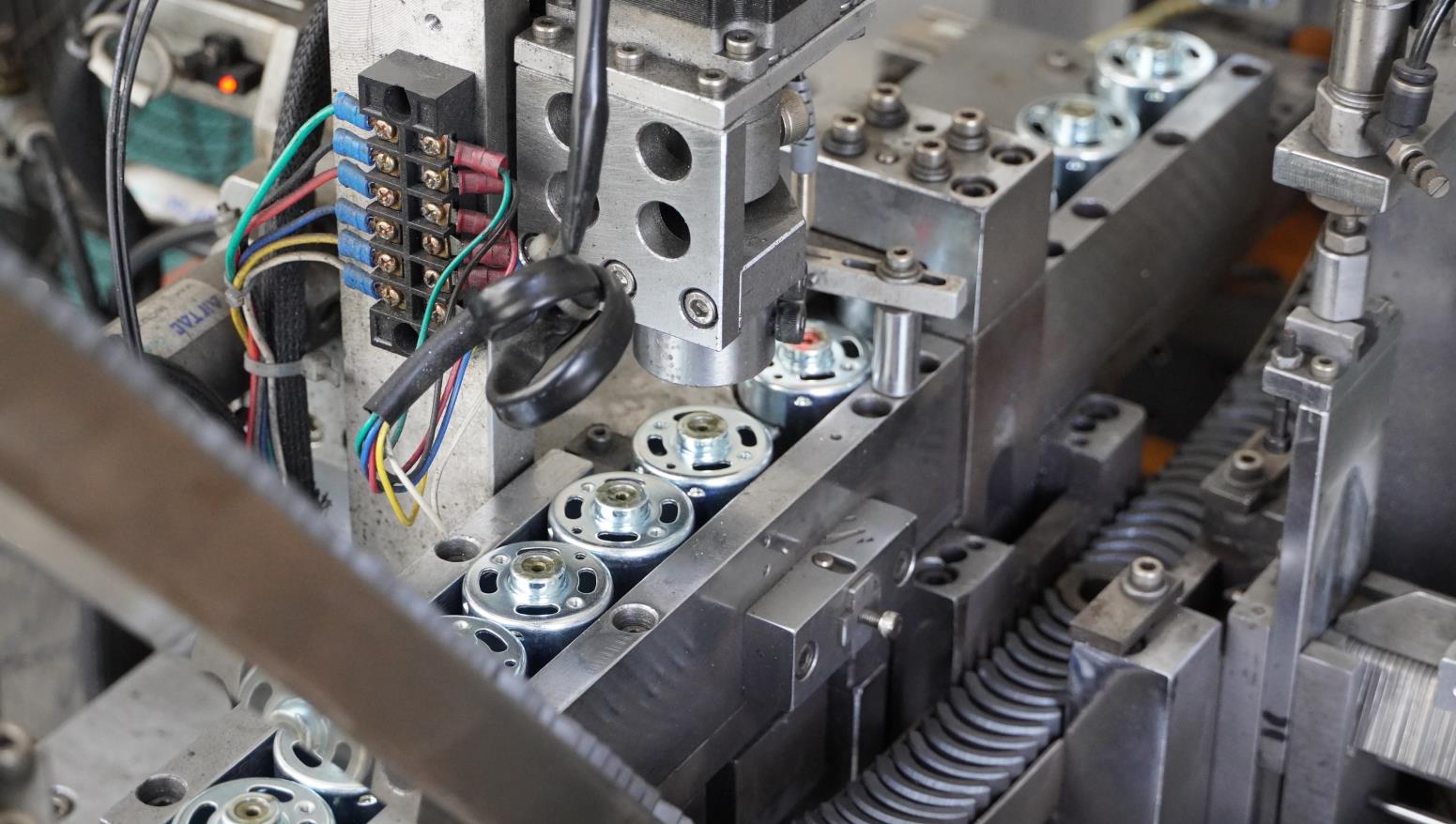
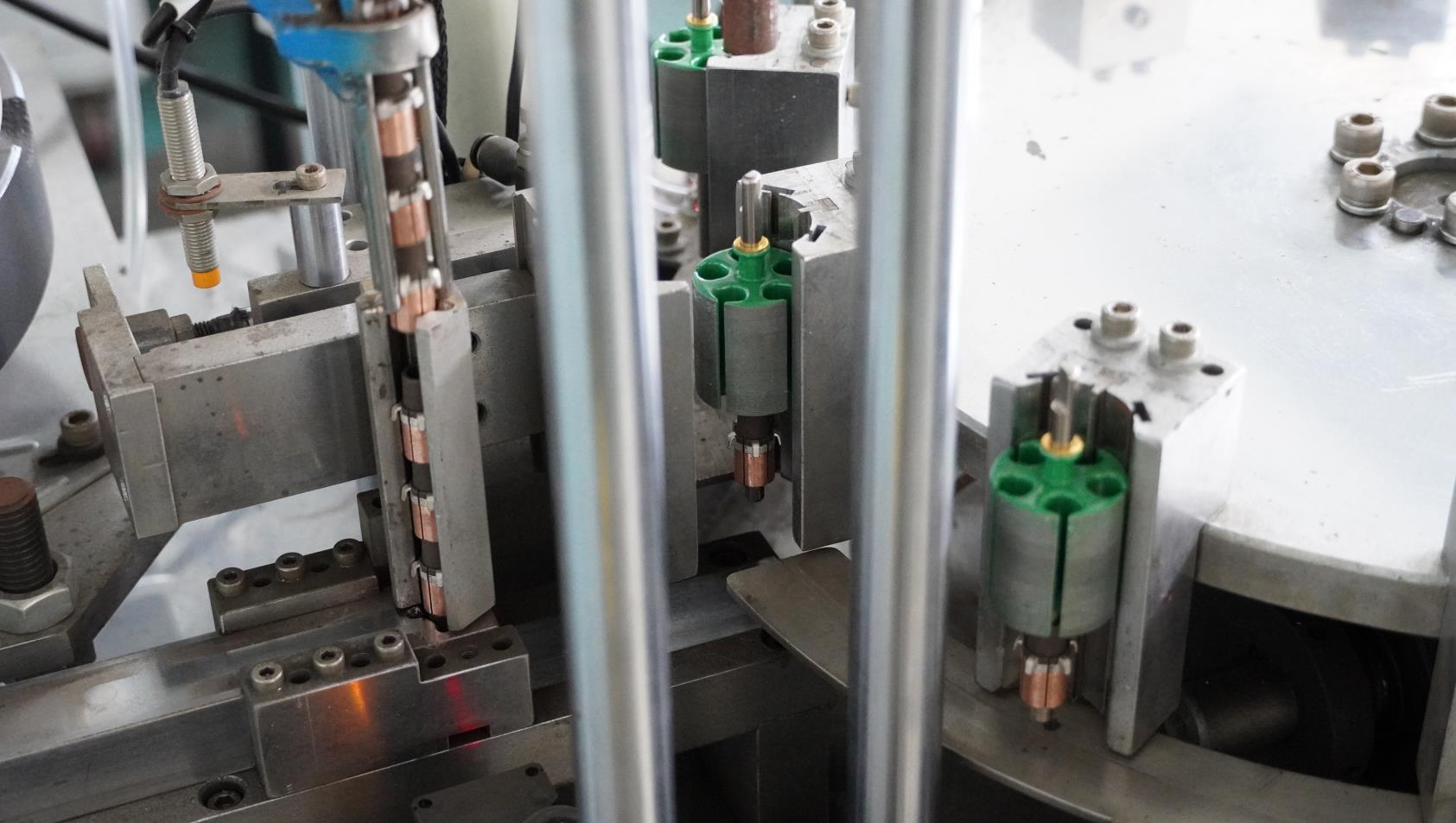
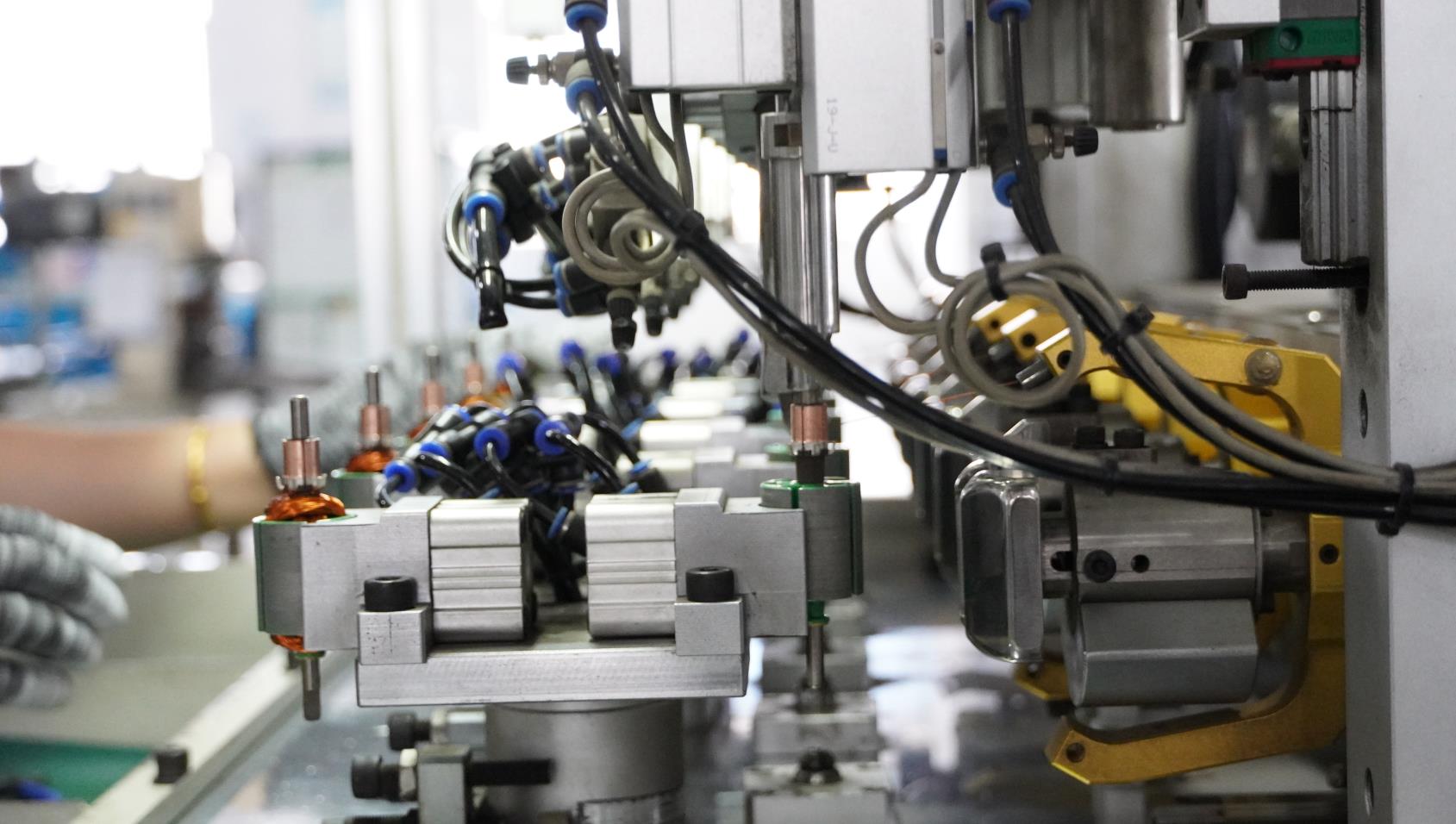
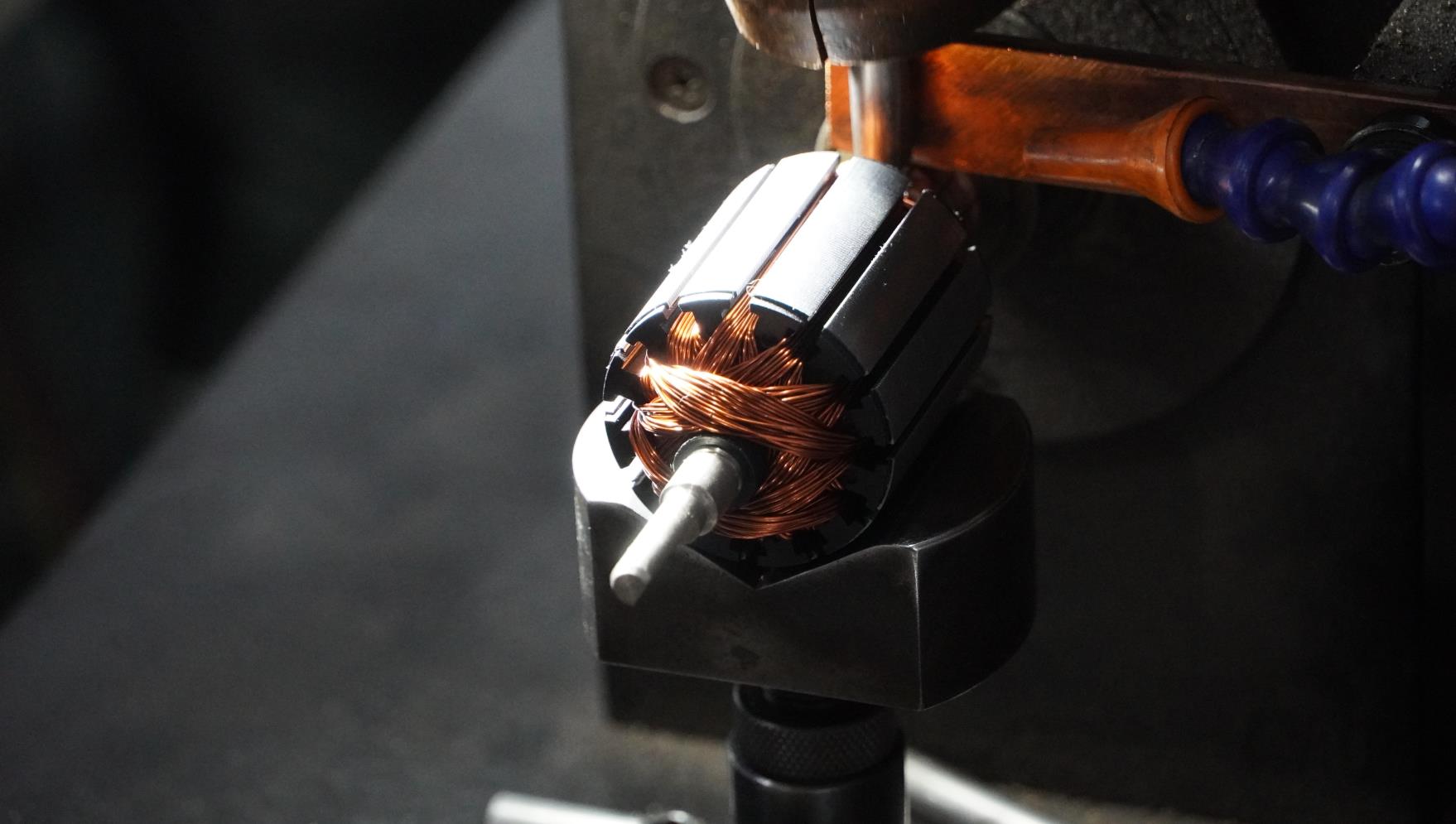
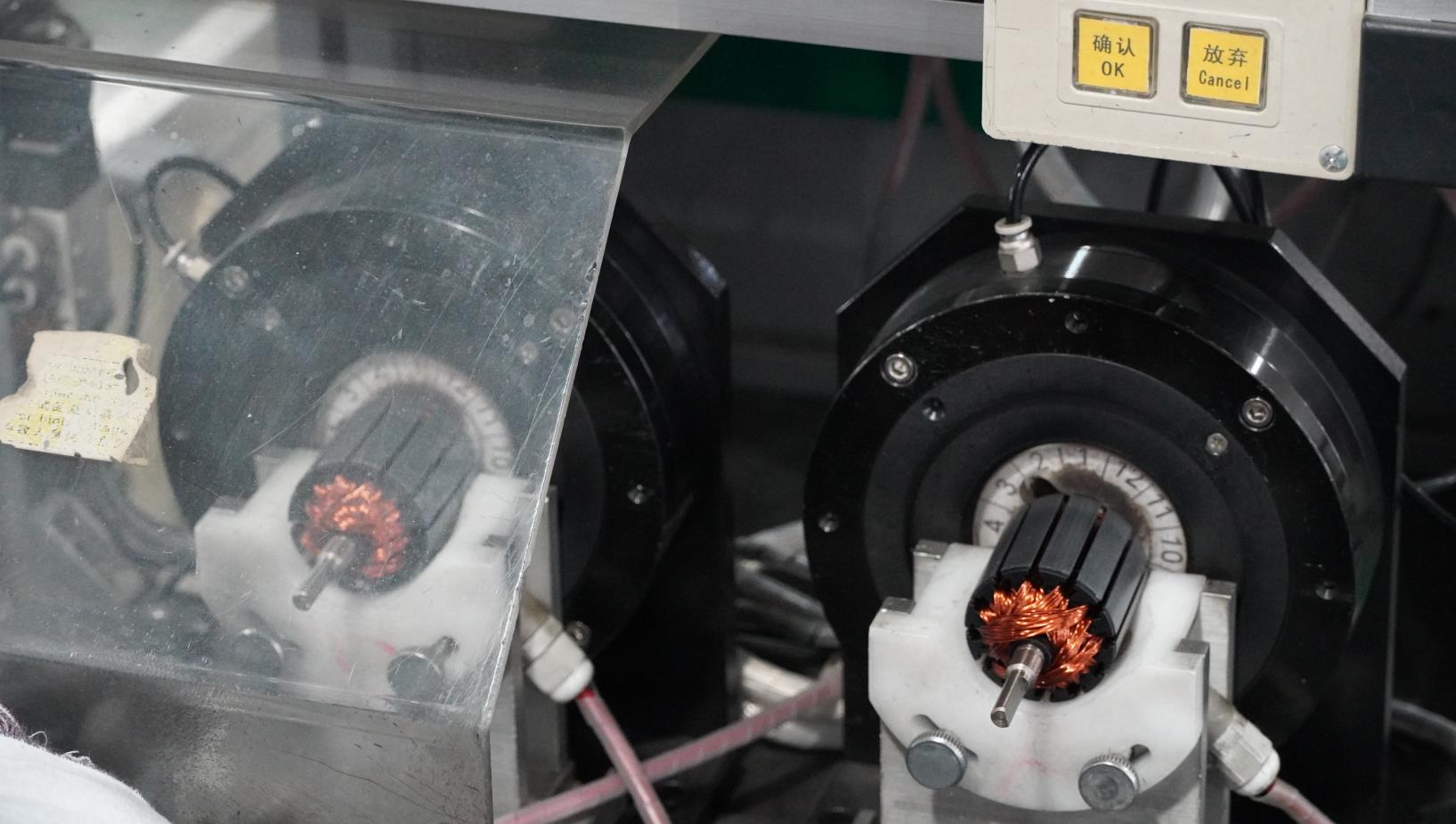
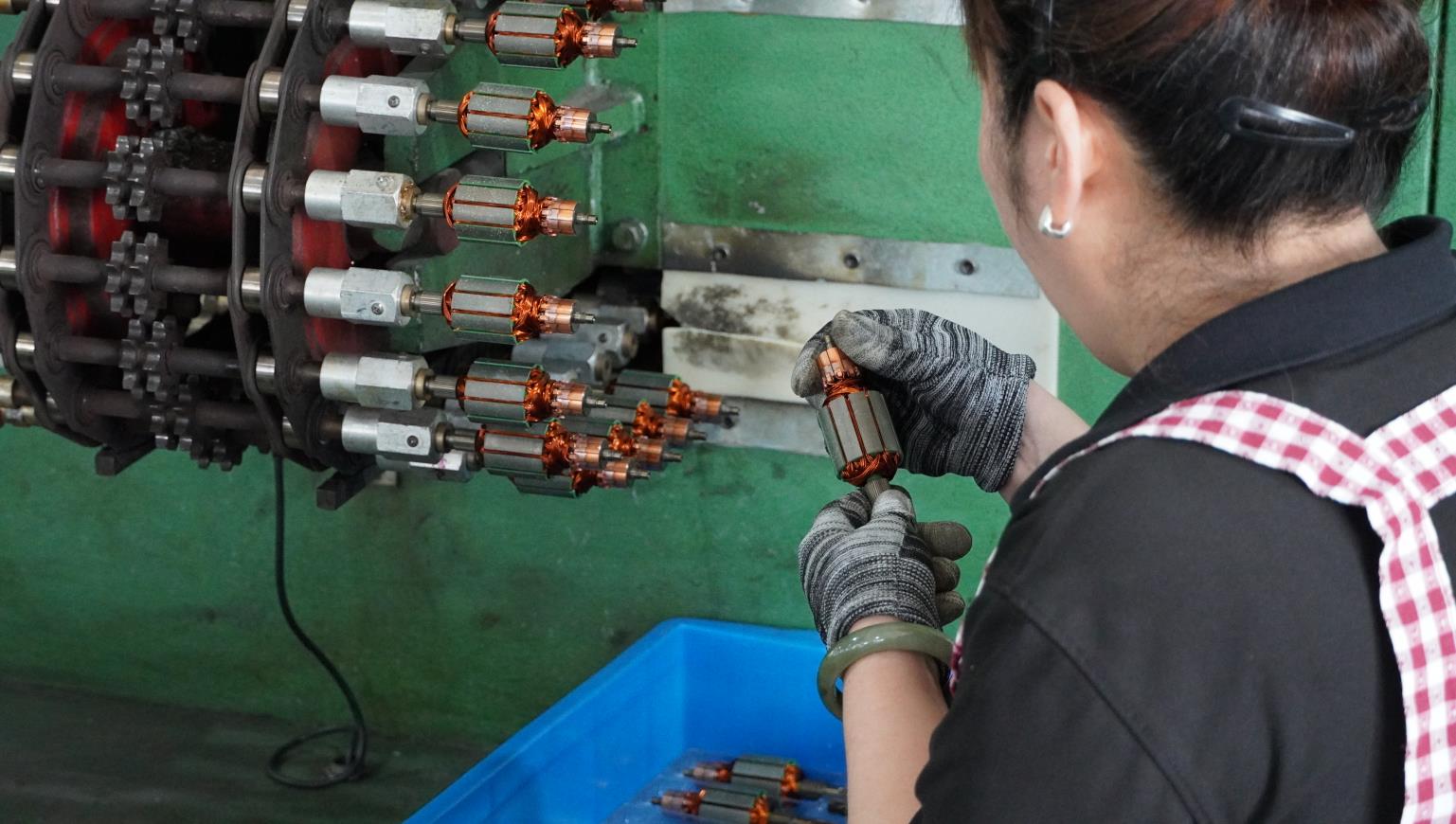
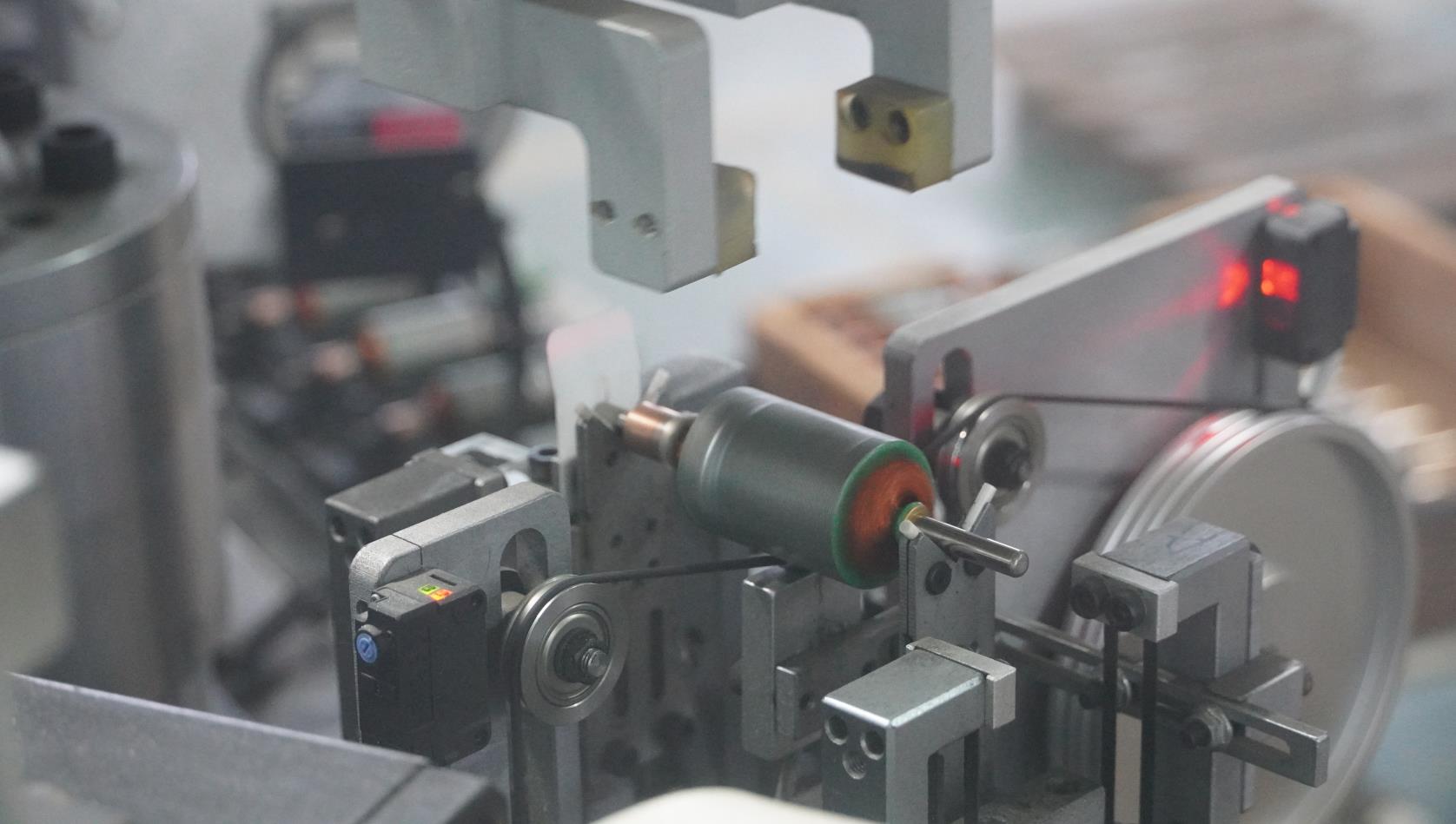
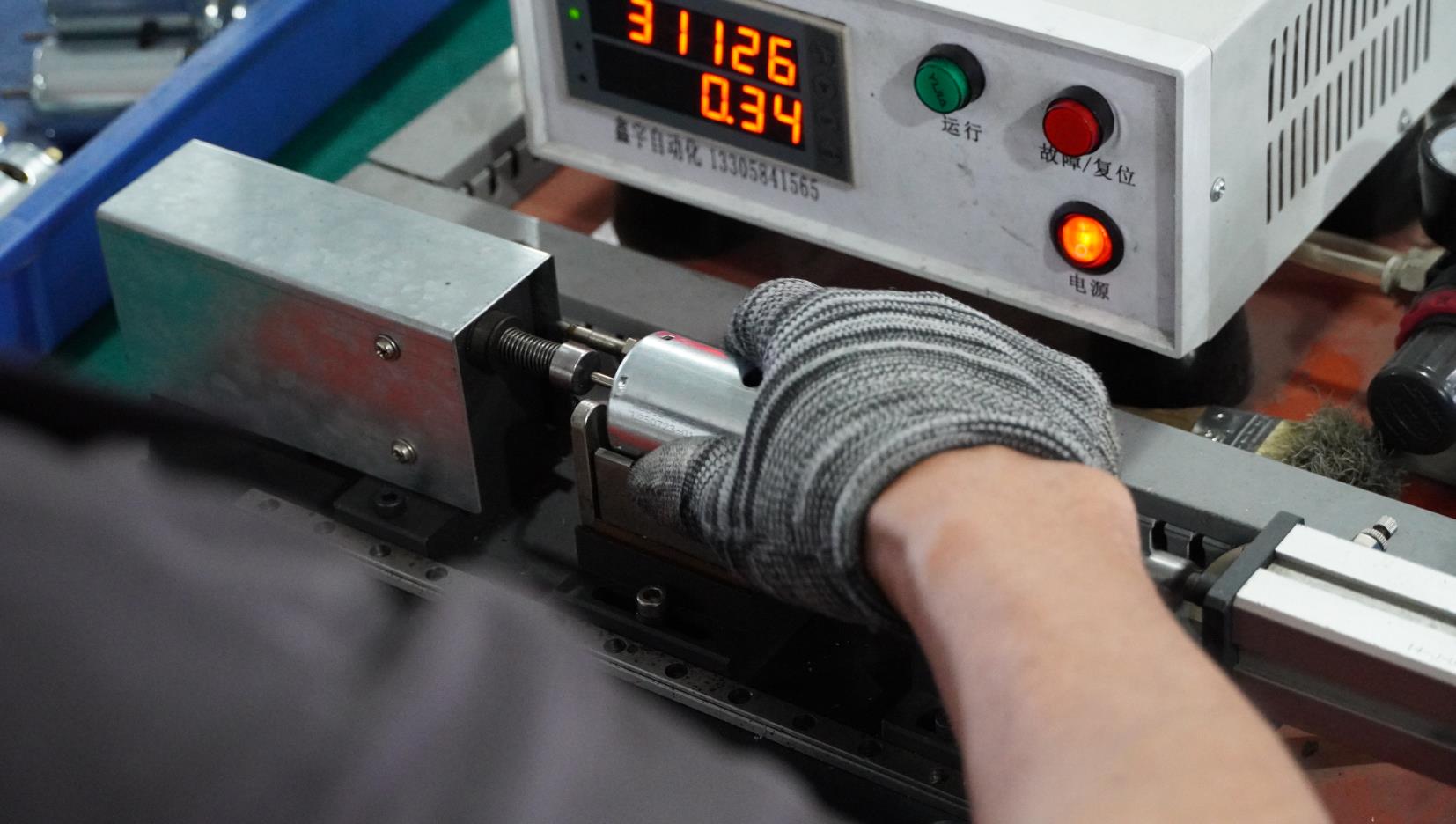
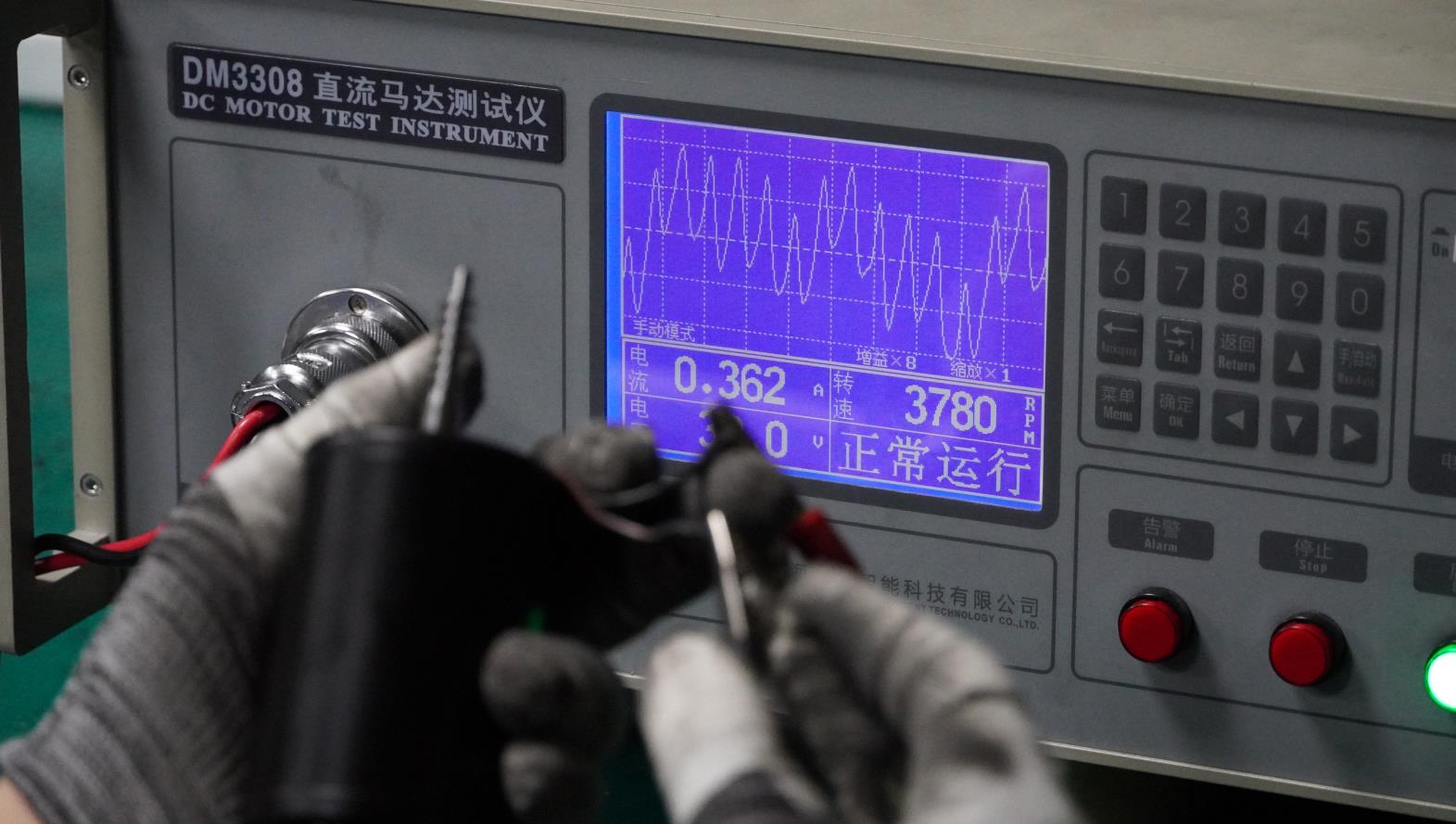
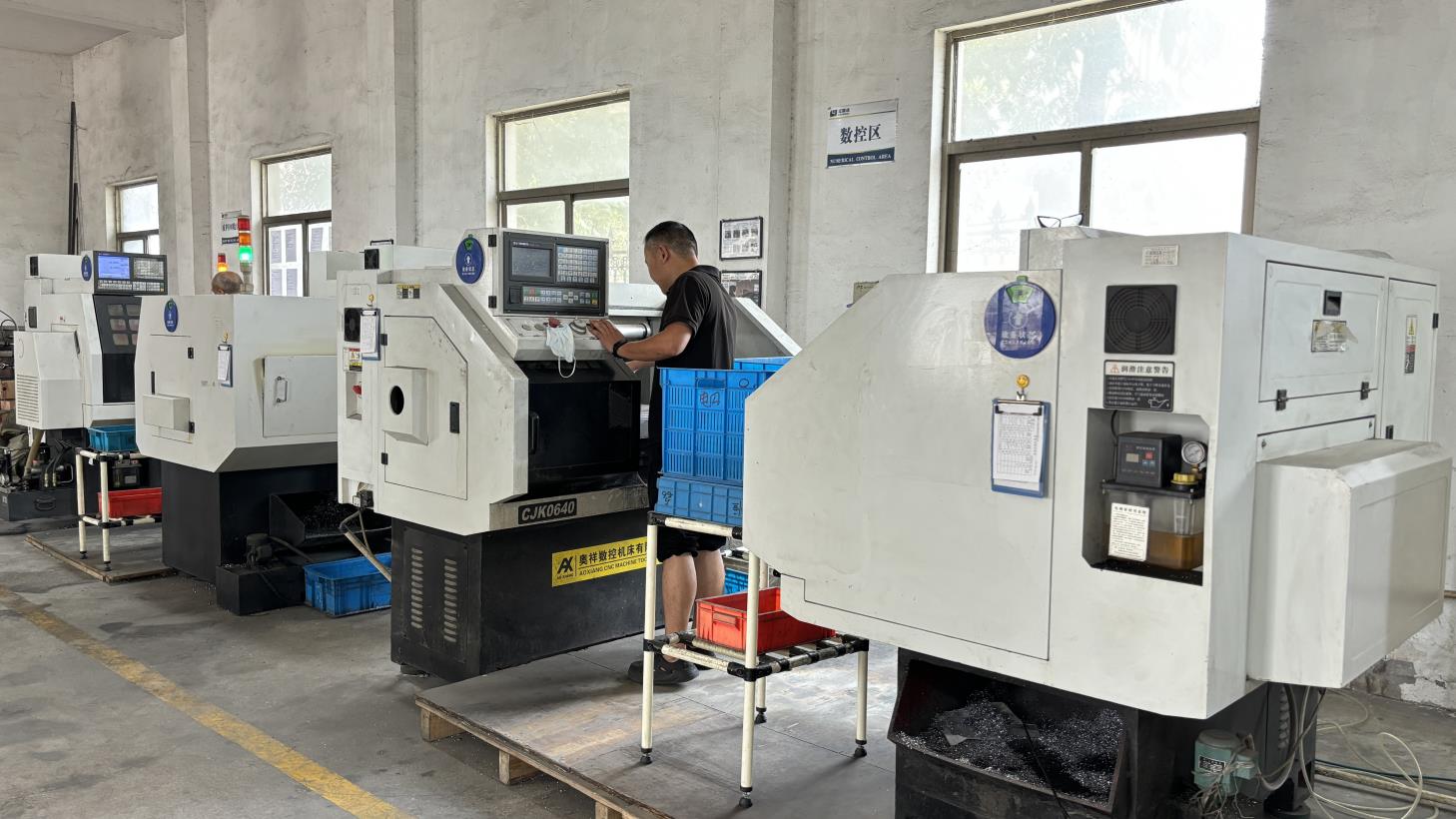
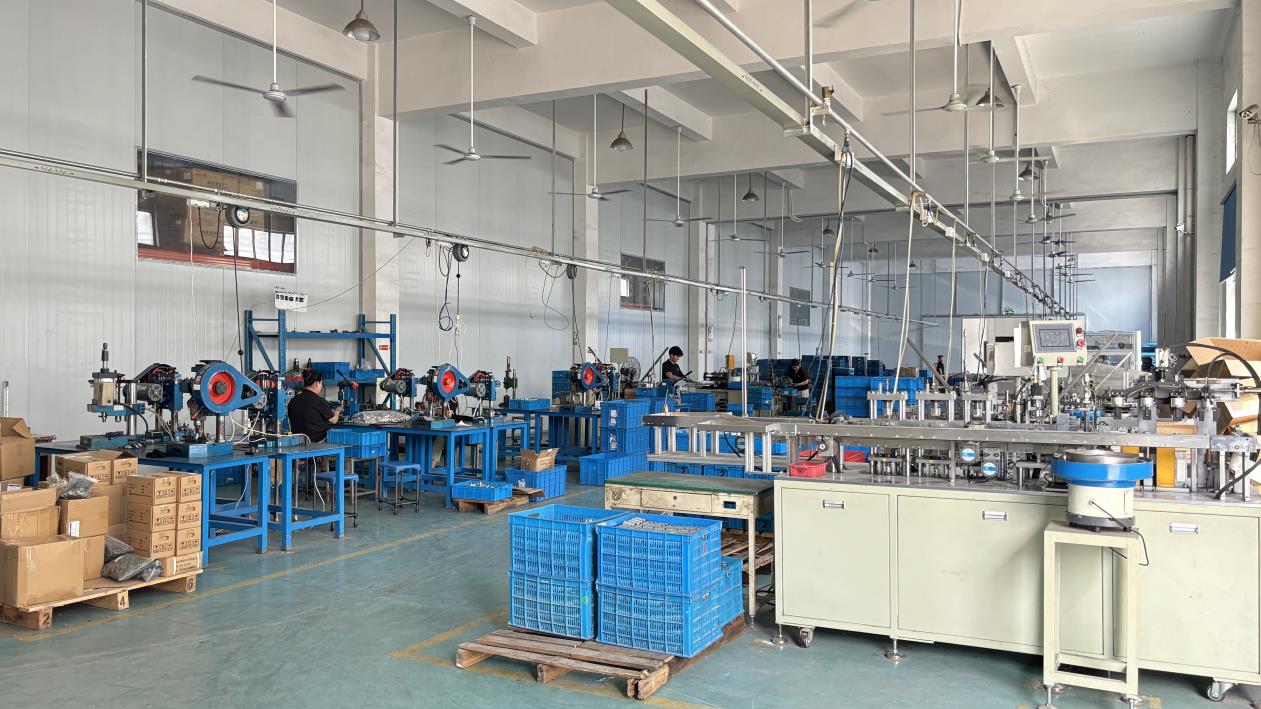
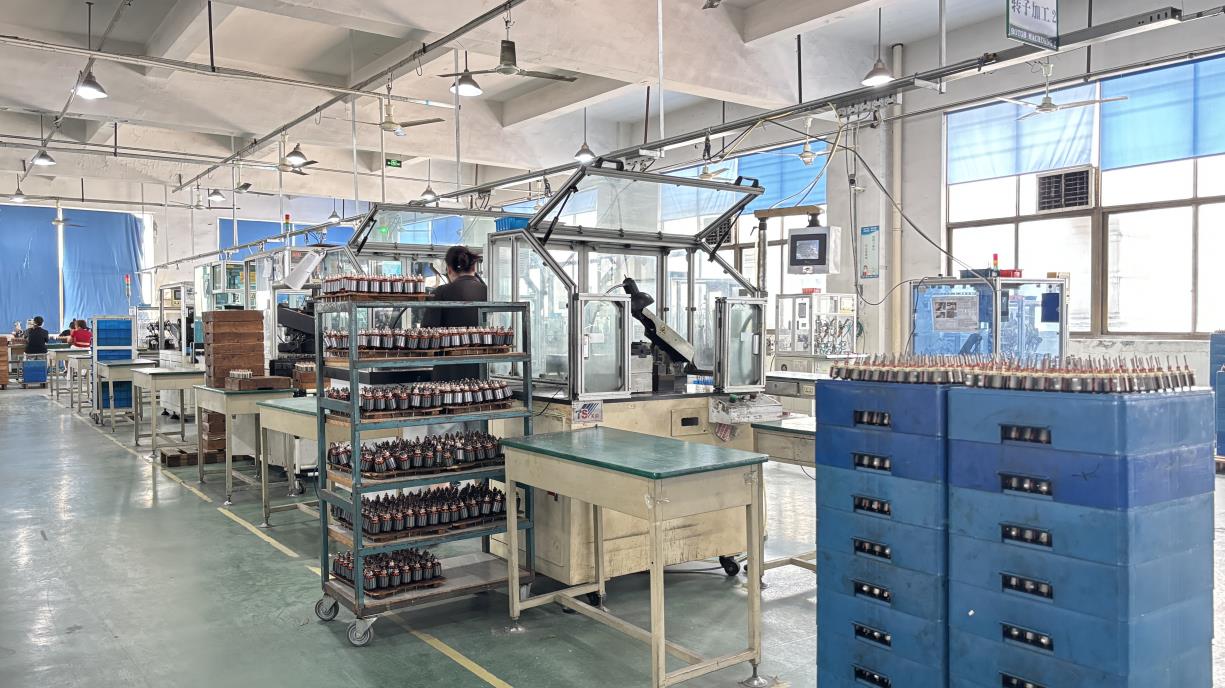
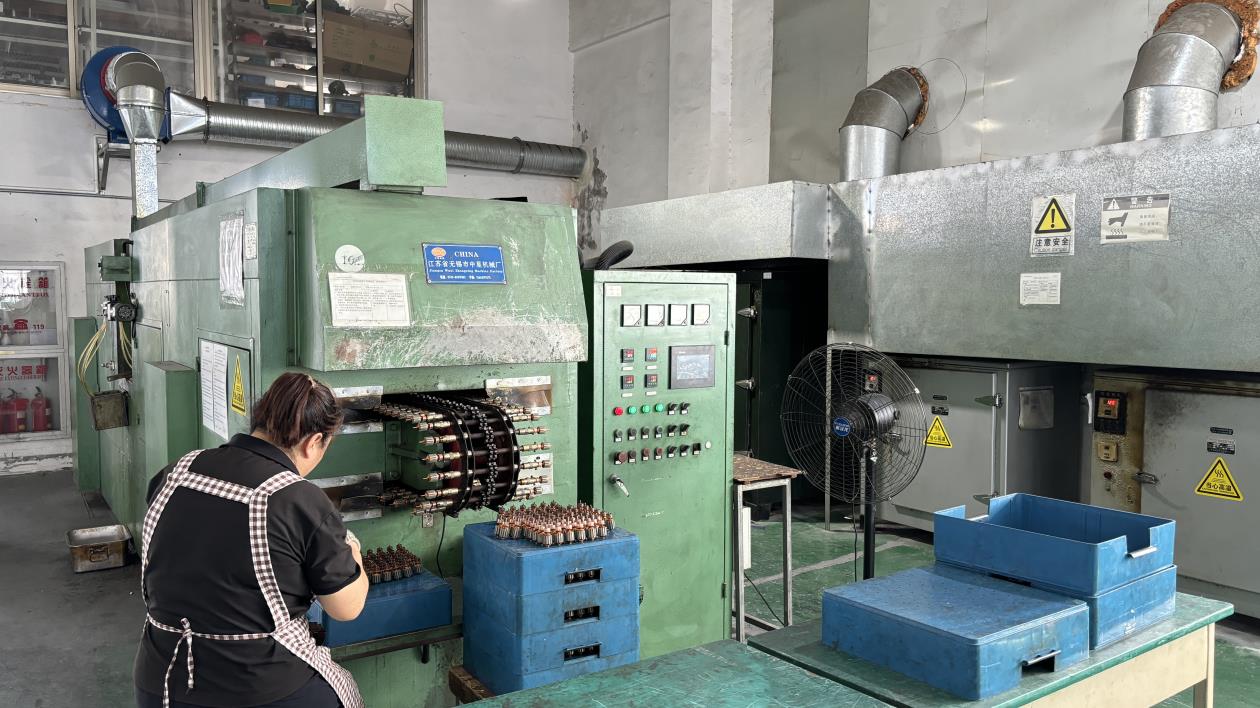
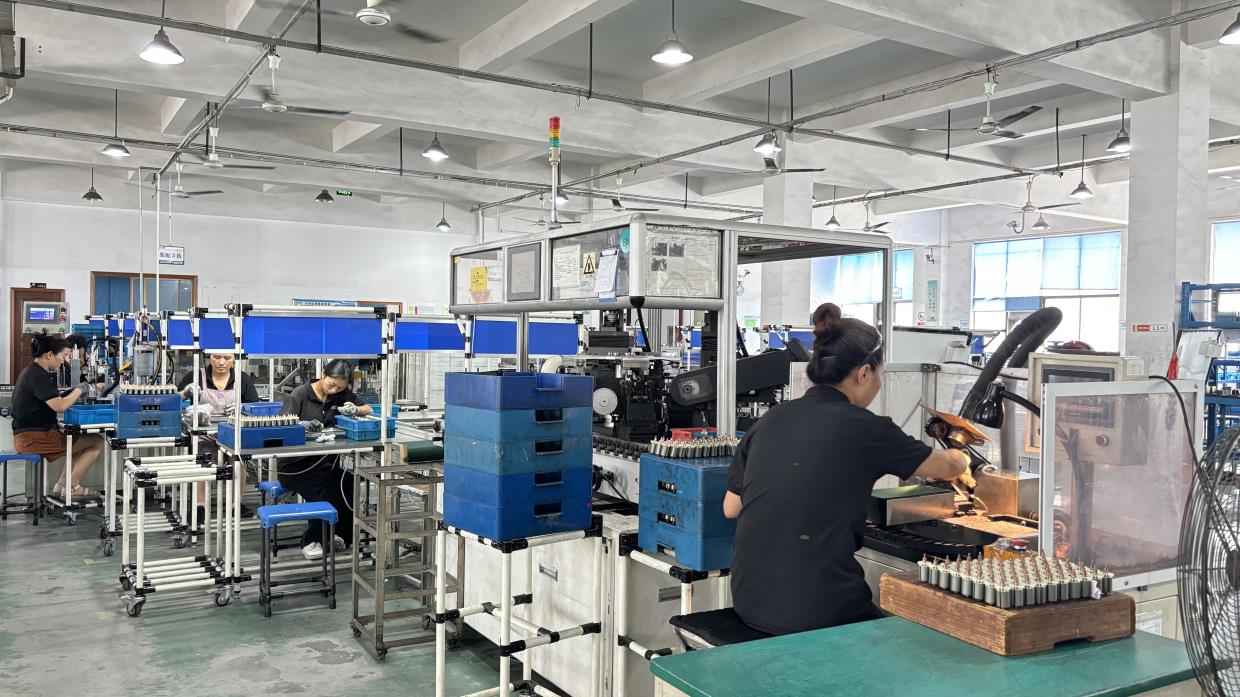
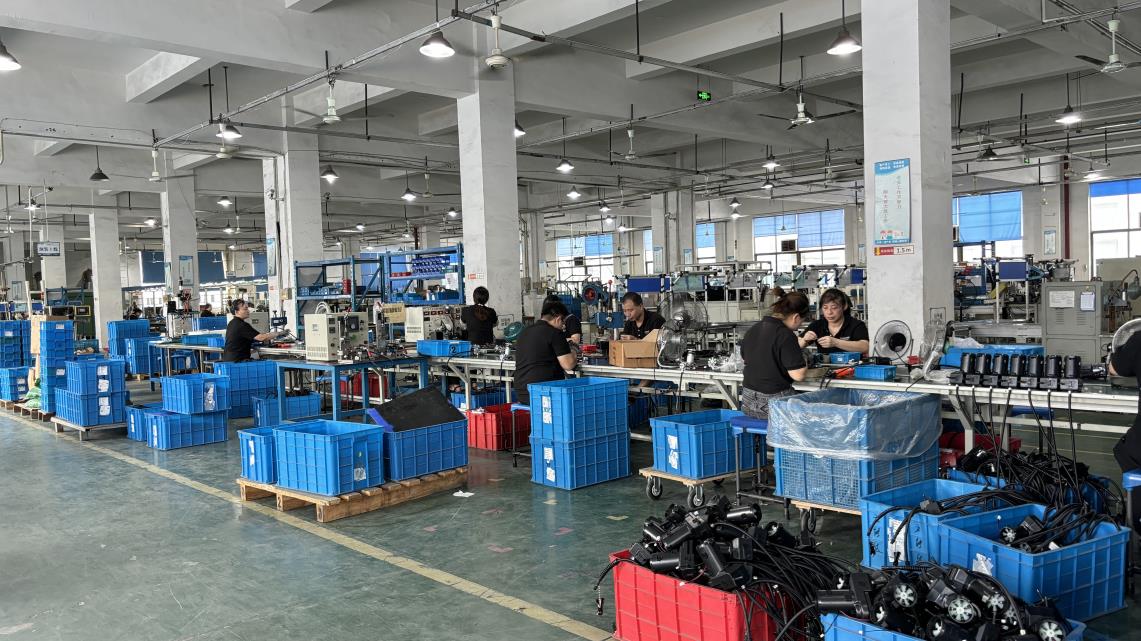
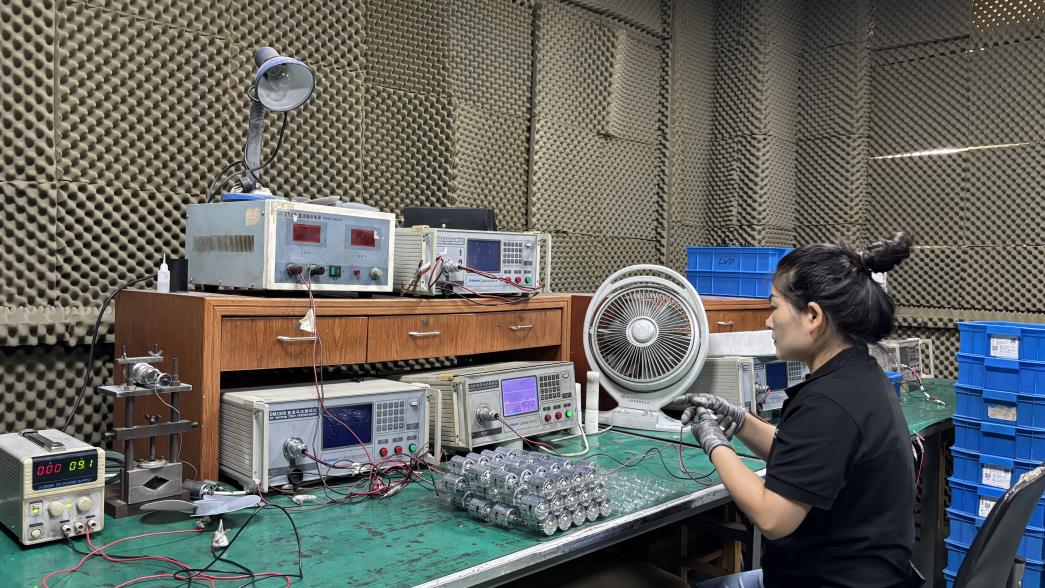
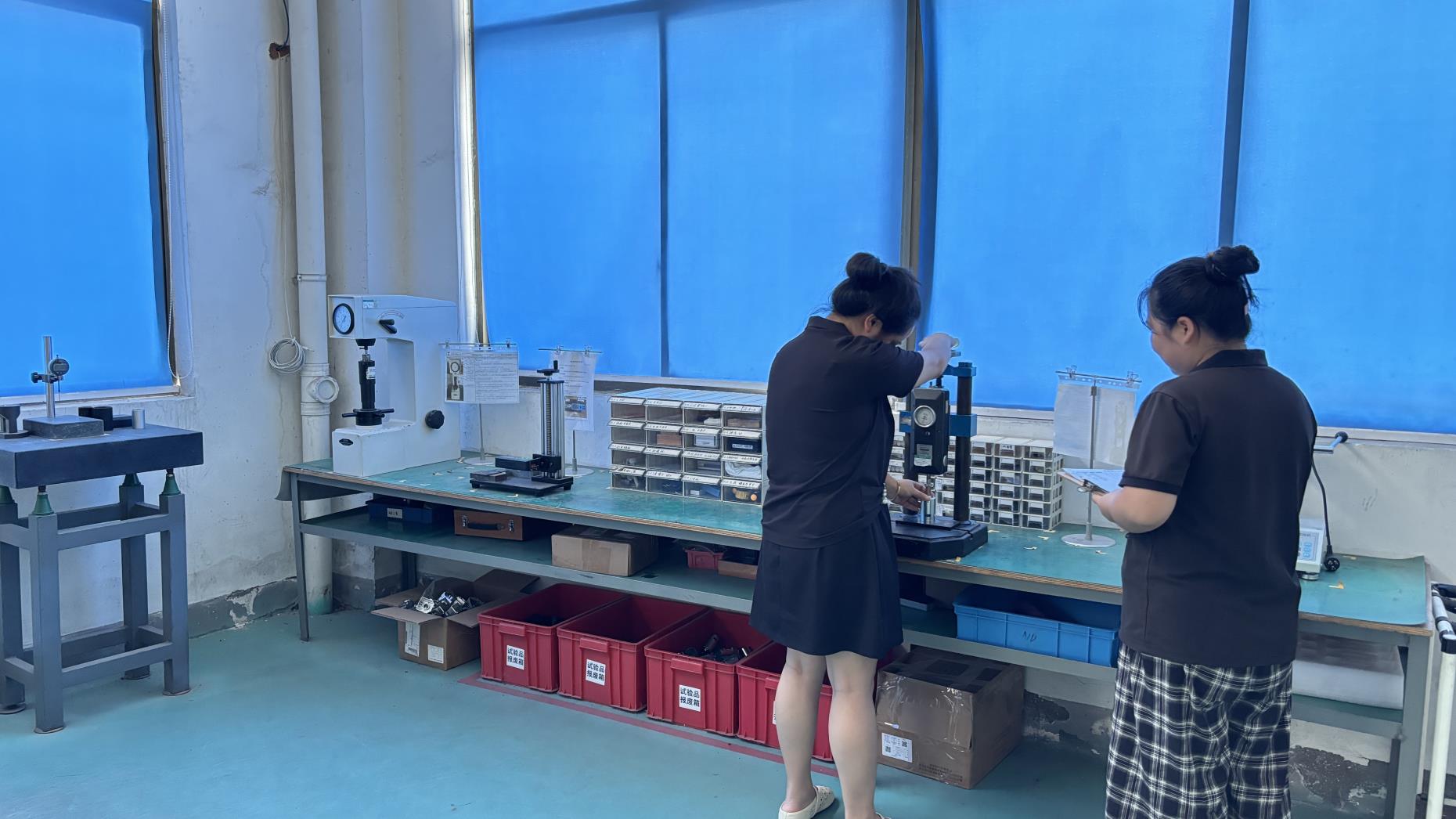
Global buyers are restructuring their supplier frameworks to prioritize supply chain resilience and lean manufacturing integration. The shift toward electrification in home appliances, automated smart shutters, and marine fan components demands specialized micro-motors that can operate under diverse thermal conditions. Sourcing agents must verify the following structural aspects during factory audits:
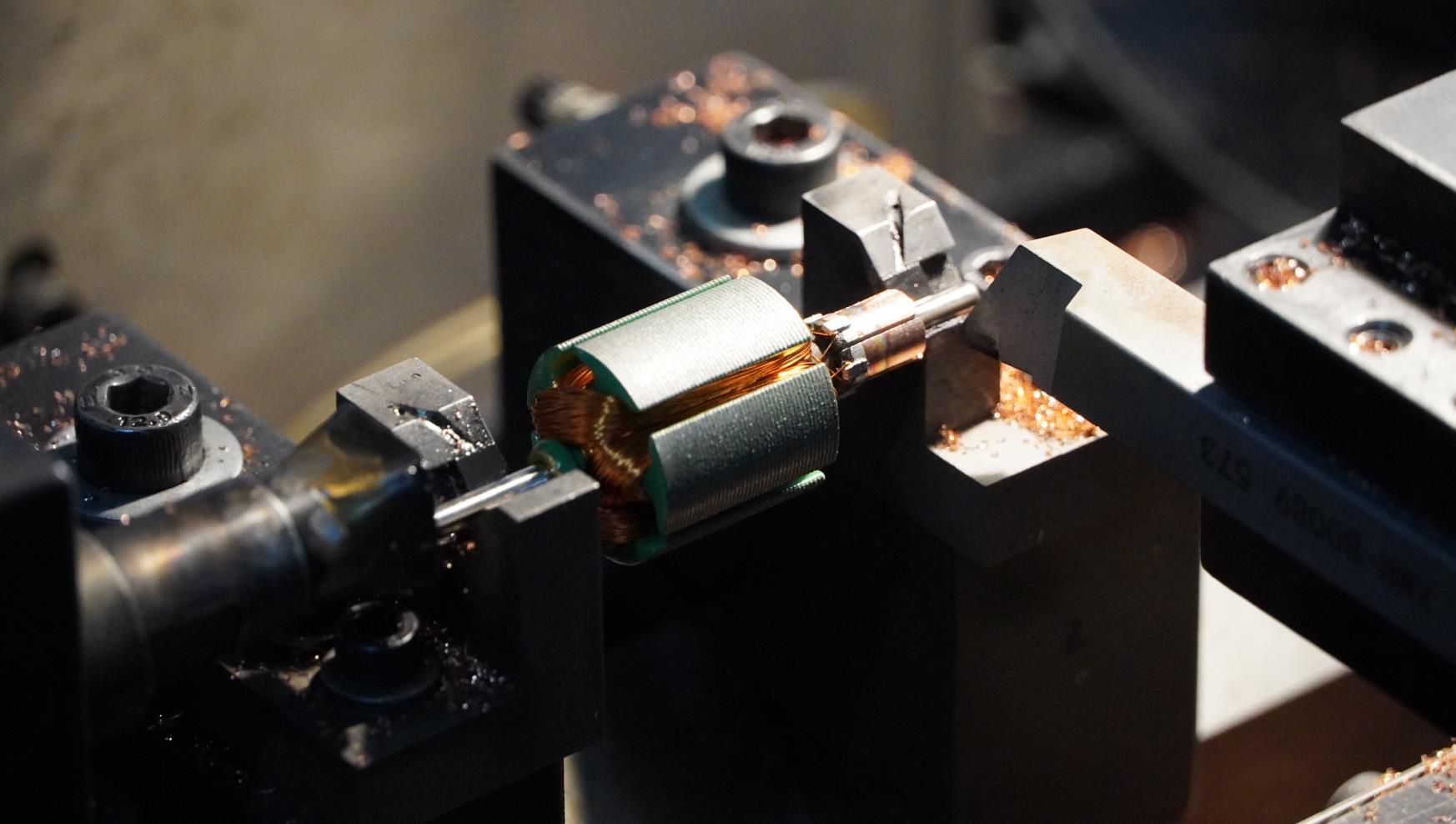
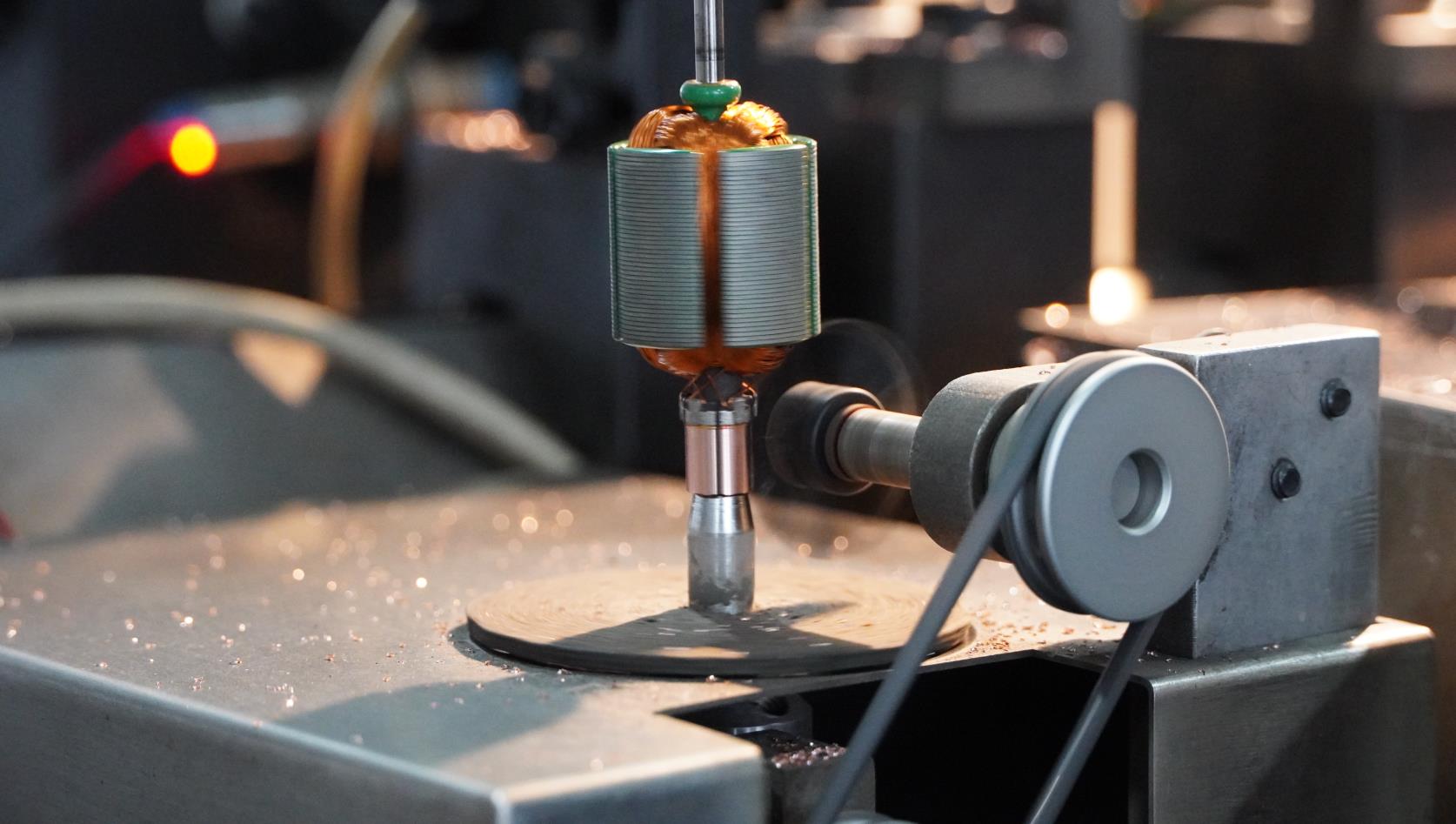
Dynamic imbalances can accelerate bearing wear and generate noise. Our rotor balancing process utilizes a two-plane dynamic correction system to achieve grades exceeding standard G6.3 ISO criteria. The commutator fine-turning is performed with diamond cutting tools to ensure a surface finish ($Ra < 0.2\,\mu\text{m}$) that minimizes carbon brush sparking and electrical noise.
Micro-drives must operate in environments with sensitive digital logic. TQC incorporates varistors (metal-oxide varistors), capacitors, and choke coils within the motor backplate assemblies to absorb transient voltage spikes during commutation, ensuring compliance with strict CE and FCC electromagnetic limits.
To prevent winding failure under locked-rotor conditions, TQC applies high-quality insulation materials. Our automatic paint drip systems coat the winding nodes with high-performance varnishes, upgrading our standard thermal capacity to Class B ($130^\circ\text{C}$) and Class F ($155^\circ\text{C}$) thresholds upon request.
While logistics volatility has prompted some regional localization, China's industrial clusters for motor components (including raw copper casting, silicon steel stamping, and isotropic/anisotropic ferrite processing) remain highly competitive. TQC operates near these primary supply hubs, allowing us to source materials efficiently and maintain stable lead times.
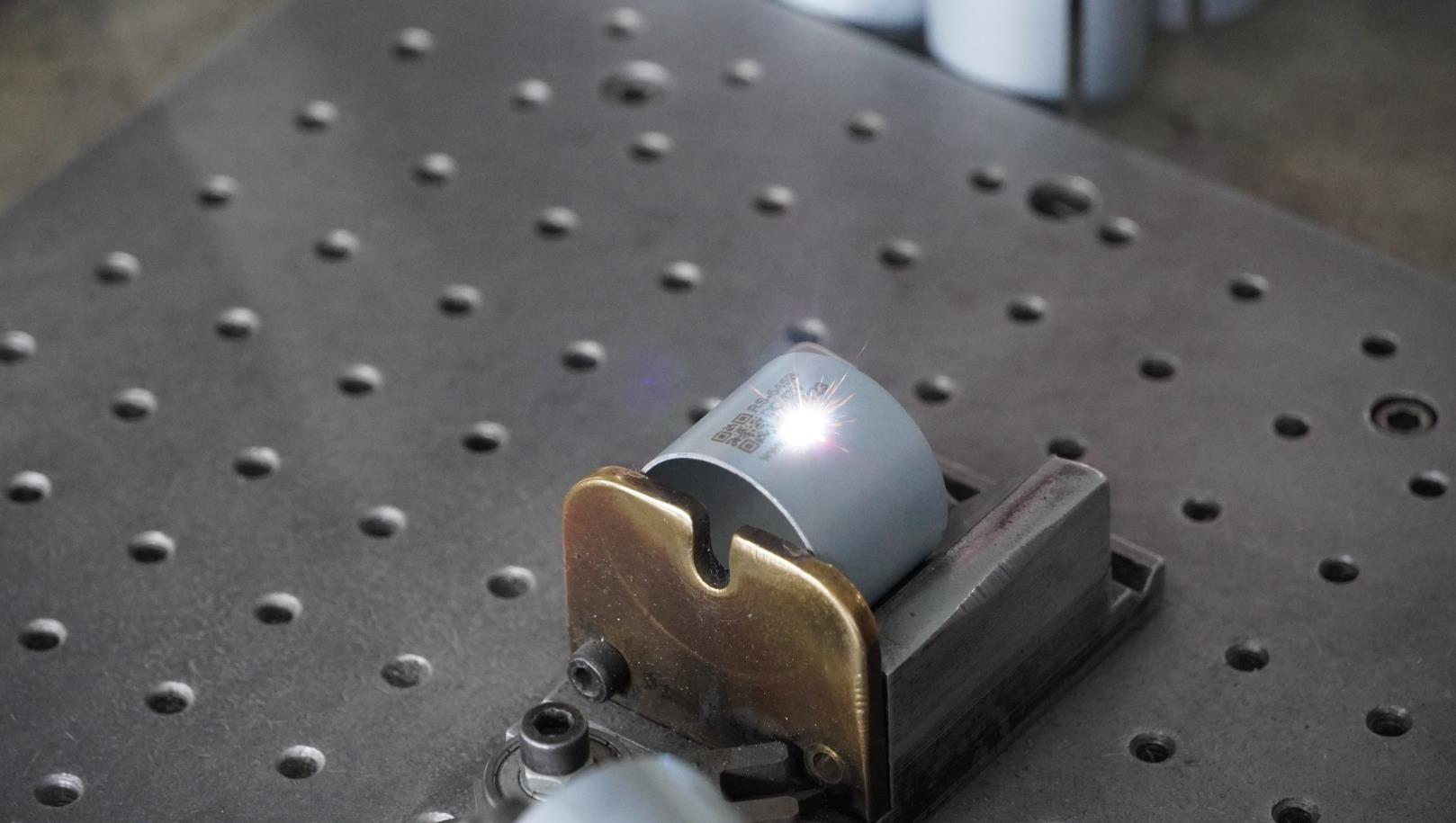
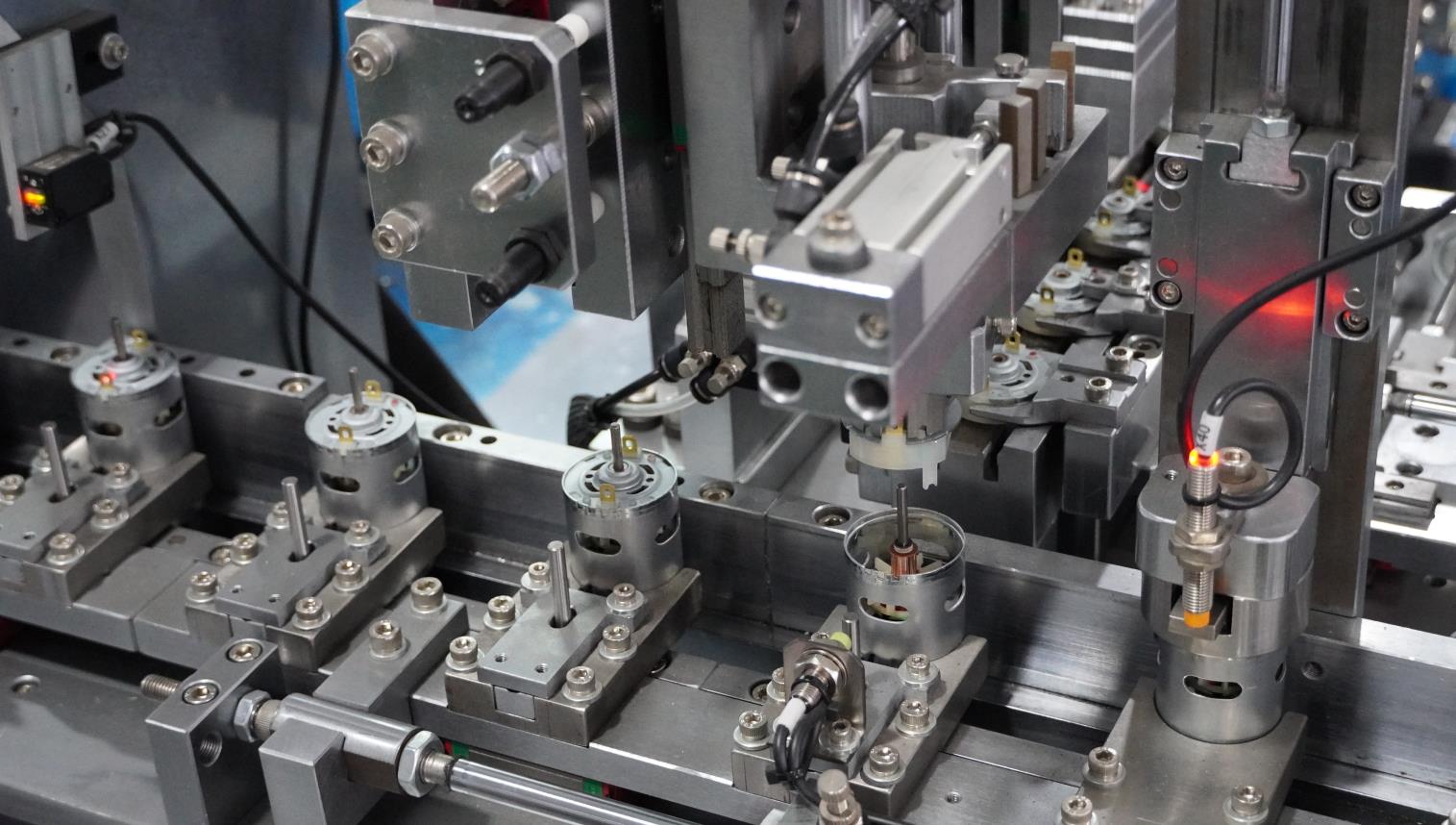
Our Factory 4.0 methodology combines automated production lines with strict human oversight for critical assembly steps. Key processes like turn-to-turn insulation verification and dynamic waveform analysis are fully automated, removing human error from the quality control loop.
Every motor undergoes speed-current profiling, commutator dynamic runout testing, and acoustic chamber verification before export packaging.
Engineered shaft outputs (flat D-cut, splined, threaded), customized operating voltages from 3.6V to 120V DC, and customized mounting flange configurations.
Optimized stator magnets and armature winding geometries reduce thermal losses and maximize power-to-size performance.
Selecting the correct motor requires evaluating physical parameters beyond nominal speed and torque. Sourcing engineers should consider:
The table below highlights typical applications and their matching micro-drive design parameters:
| Application Segment | Nominal Voltage Range | Speed Characteristic | Primary Customization Feature |
|---|---|---|---|
| Smart Home Automation | 12V - 24V DC | Medium Speed (3,000 - 6,000 RPM) | Ultra-low acoustic emissions (<45dB), EMC filters |
| High-Power Home Appliances | 120V - 230V DC | High Speed (10,000 - 24,000 RPM) | Class F high-temperature winding, carbon brush longevity |
| Marine & Automotive Fans | 12V - 36V DC | High Continuous Load (6,000 - 12,000 RPM) | IP-rated sealing, double ball-bearings, corrosion protection |
Addressing Common Engineering Queries and Sourcing Hurdles
High-Torque Performance and Multi-Voltage Subassemblies